


Primary sourceArtifact1582
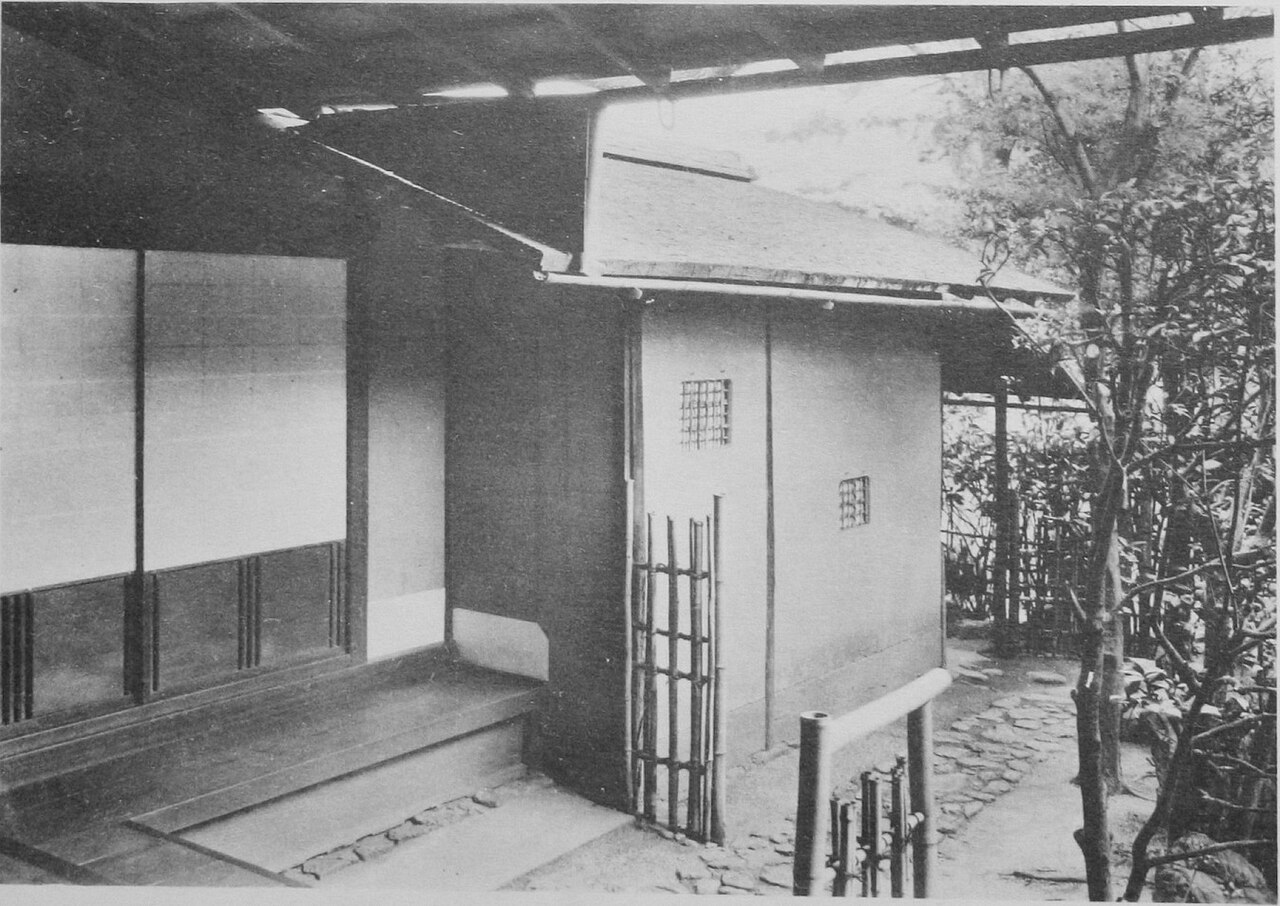
Tai-an
Sen no Rikyū · 1582
A small two-mat tea room at Myōki-an temple, the only surviving tea house definitely designed by Sen no Rikyū.
The only tea house definitely designed by Rikyū himself, embodying his wabi aesthetic.
About this source
What it is
Tai-an is a tiny tea room (chashitsu) at Myōki-an temple in Yamazaki, Kyoto, built in 1582. It was designed by the tea master Sen no Rikyū, who that same year became tea master to the warlord Toyotomi Hideyoshi.
Why it matters
Tai-an is the only tea house that can be firmly credited to Rikyū's own design. It shows his radically reduced, rustic style known as wabi, which valued simplicity over luxury. It is said to have been built so Rikyū and Hideyoshi could hold tea ceremonies while Hideyoshi campaigned nearby, with an entrance deliberately made large enough for him to enter in armor. Because it survives, it is now a National Treasure and one of the clearest physical records of Rikyū's taste.
Look closer
- Why might a tea room built for a powerful warlord be designed so small and plain?
- What does the oversized entrance suggest about who used this room and how?
- What is missing from a photograph that you could only learn by sitting inside the room?
This artifact is part of the curated material that grounds the AI version of Sen no Rikyū on Humy.ai — when students ask about related events, the AI can quote it and cite it.
More Sen no Rikyū sources
Browse all 27 →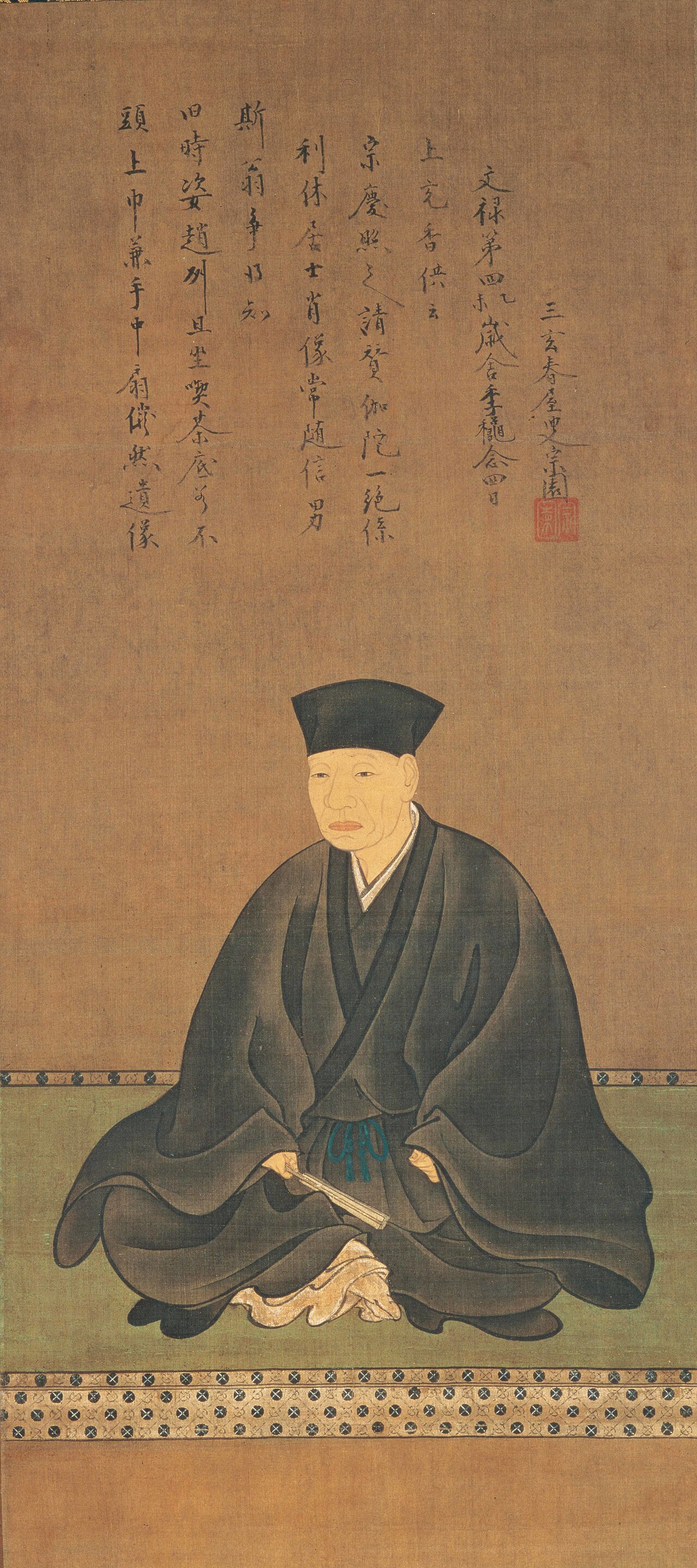 Painting
Secondary source
Portrait of Sen no Rikyū
Hasegawa Tōhaku (attributed)
 Artifact
Secondary source
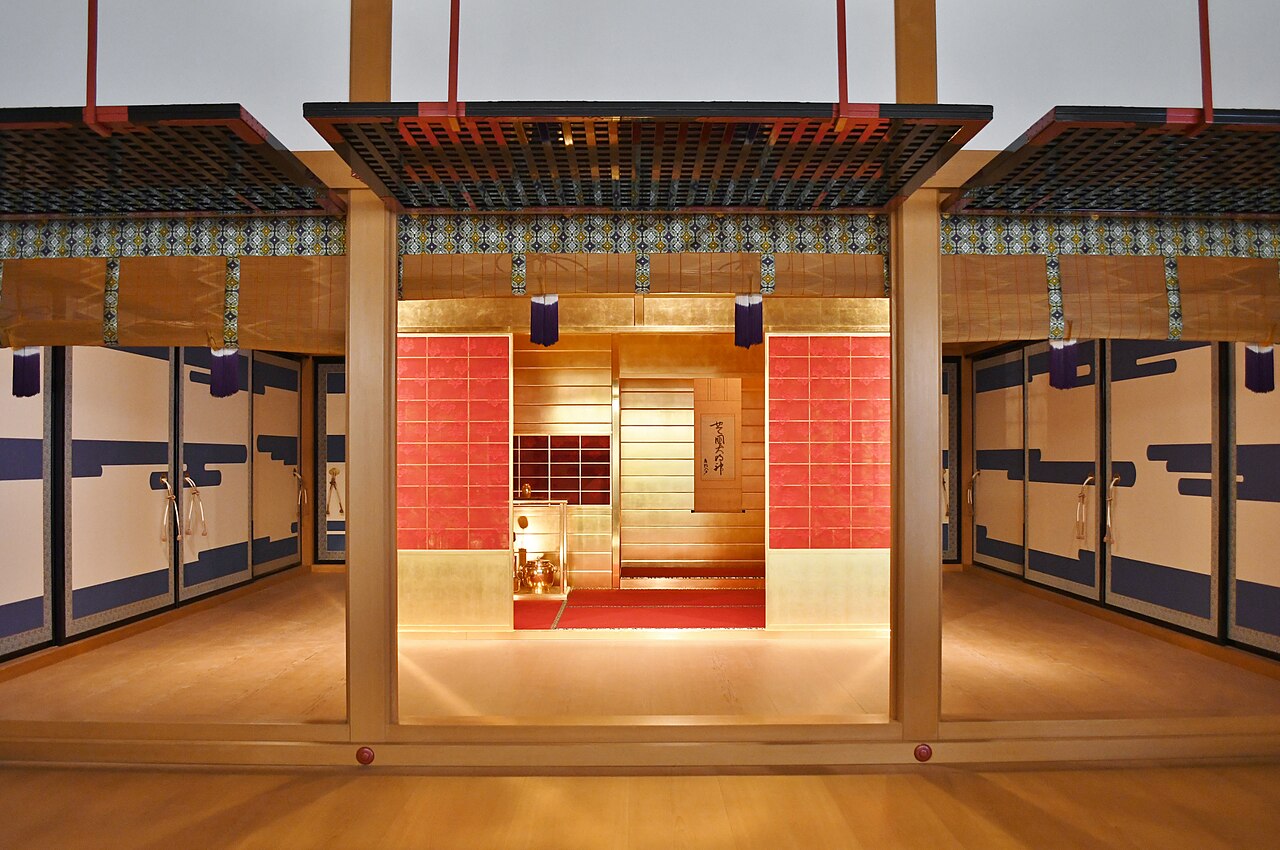
Golden Tea Room
1585
 Letter
Primary source
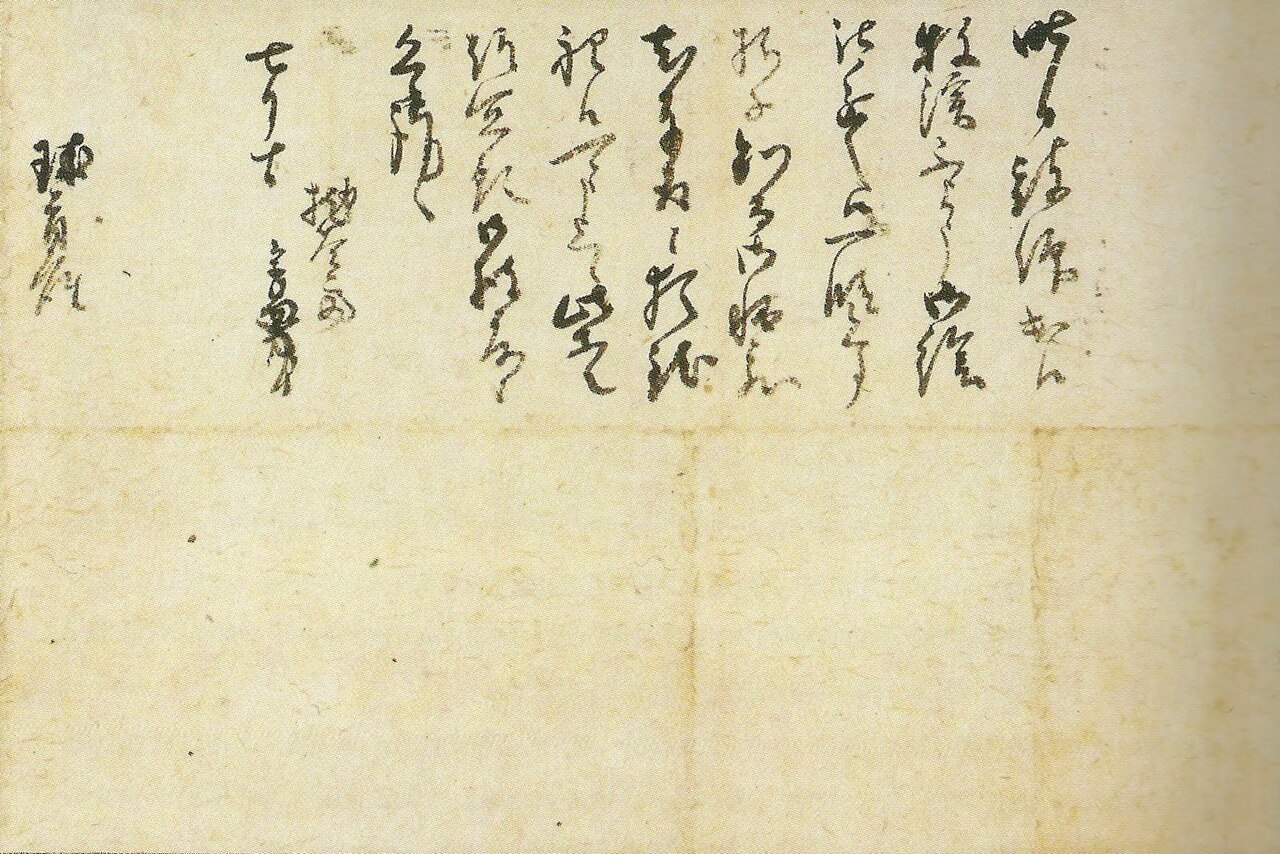
Letter to Shibayama Munetsuna
Sen no Rikyū
 Document
Primary source
Authentication of Muqi's Hibiscus
Sen no Rikyū
Free account
Read every Sen no Rikyū source
Sign up free →
Ready when you are
Start chatting with Sen no Rikyū now.
20 messages free · No credit card · Available in 50+ languages.