


Secondary sourcePainting1935
Taisei Hōkan
Kunii Ōbun · 1935
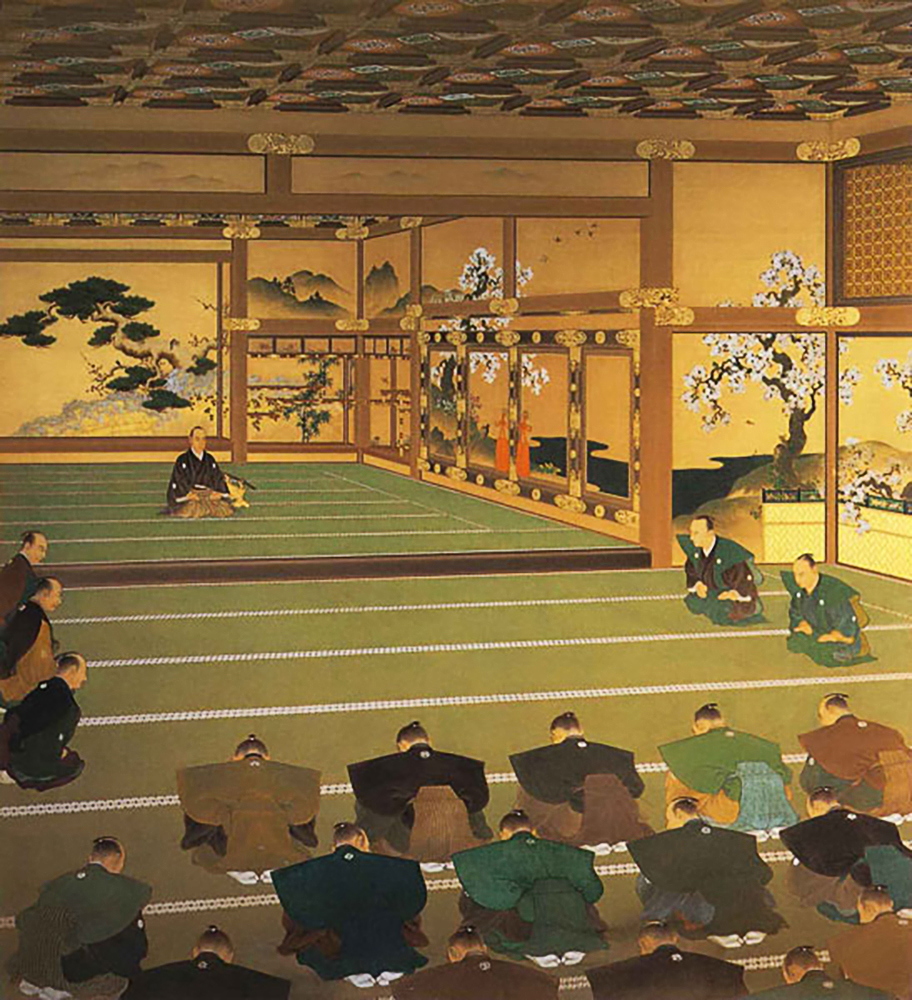
A 1935 mural painting depicting Tokugawa Yoshinobu formally returning political power to the Emperor at Nijō Castle in 1867.
This later mural depicts Yoshinobu formally surrendering political power to the Emperor in 1867.
About this source
What it is
This mural, painted in 1935 by Kunii Ōbun (also credited to Murata Tanryō in the museum's own description) and held at the Meiji Memorial Picture Gallery in Tokyo, depicts the Taisei Hōkan — the formal return of political authority from the shogun to the Emperor — which took place at Nijō Castle in Kyoto in 1867. It shows a man in dark robes kneeling before rows of kneeling officials in a gold-leafed palace hall.
Why it matters
Painted decades after the event, this is a later commemorative image rather than an eyewitness record, but it became the standard image used to teach the Taisei Hōkan in Japan. It shows how later generations chose to remember Yoshinobu's decision to give up shogunal rule, a turning point that ended centuries of Tokugawa government.
Look closer
- Since this was painted nearly 70 years after the event, how might that affect what it shows?
- What does the composition — one man facing rows of officials — suggest about the moment?
- What might be missing from a commemorative painting like this?
This painting is part of the curated material that grounds the AI version of Tokugawa Yoshinobu on Humy.ai — when students ask about related events, the AI can quote it and cite it.
More Tokugawa Yoshinobu sources
Browse all 52 →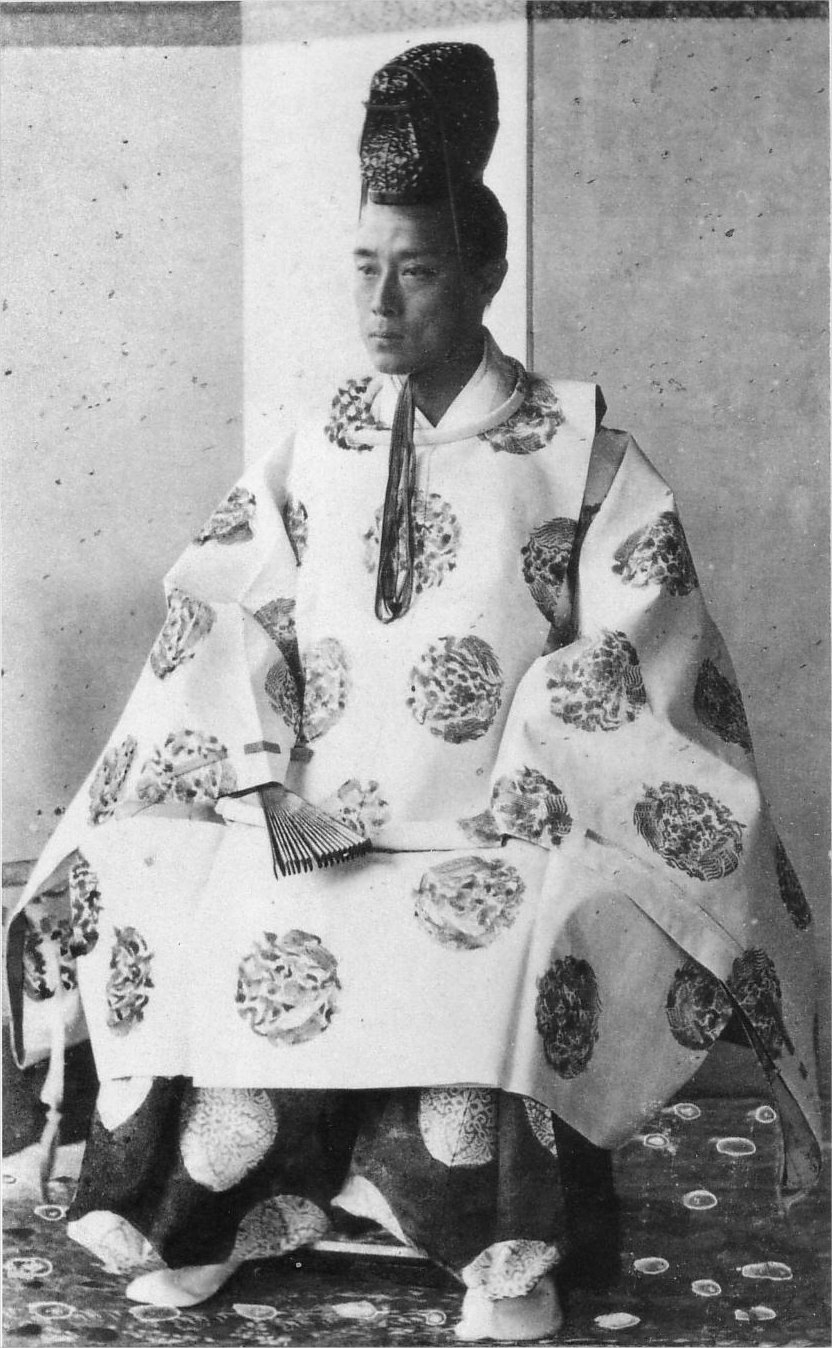 Photograph
Primary source
Portrait of Tokugawa Yoshinobu
1867
 Artifact
Primary source
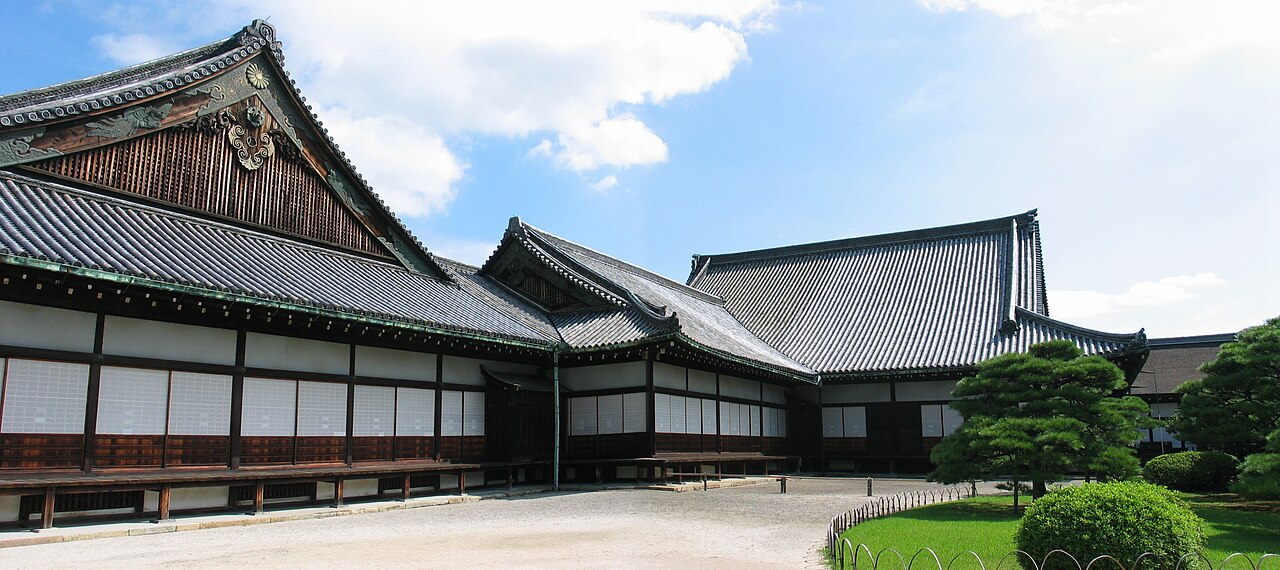
Nijō Castle
1601-1603 (completed 1626)
 Photograph
Primary source
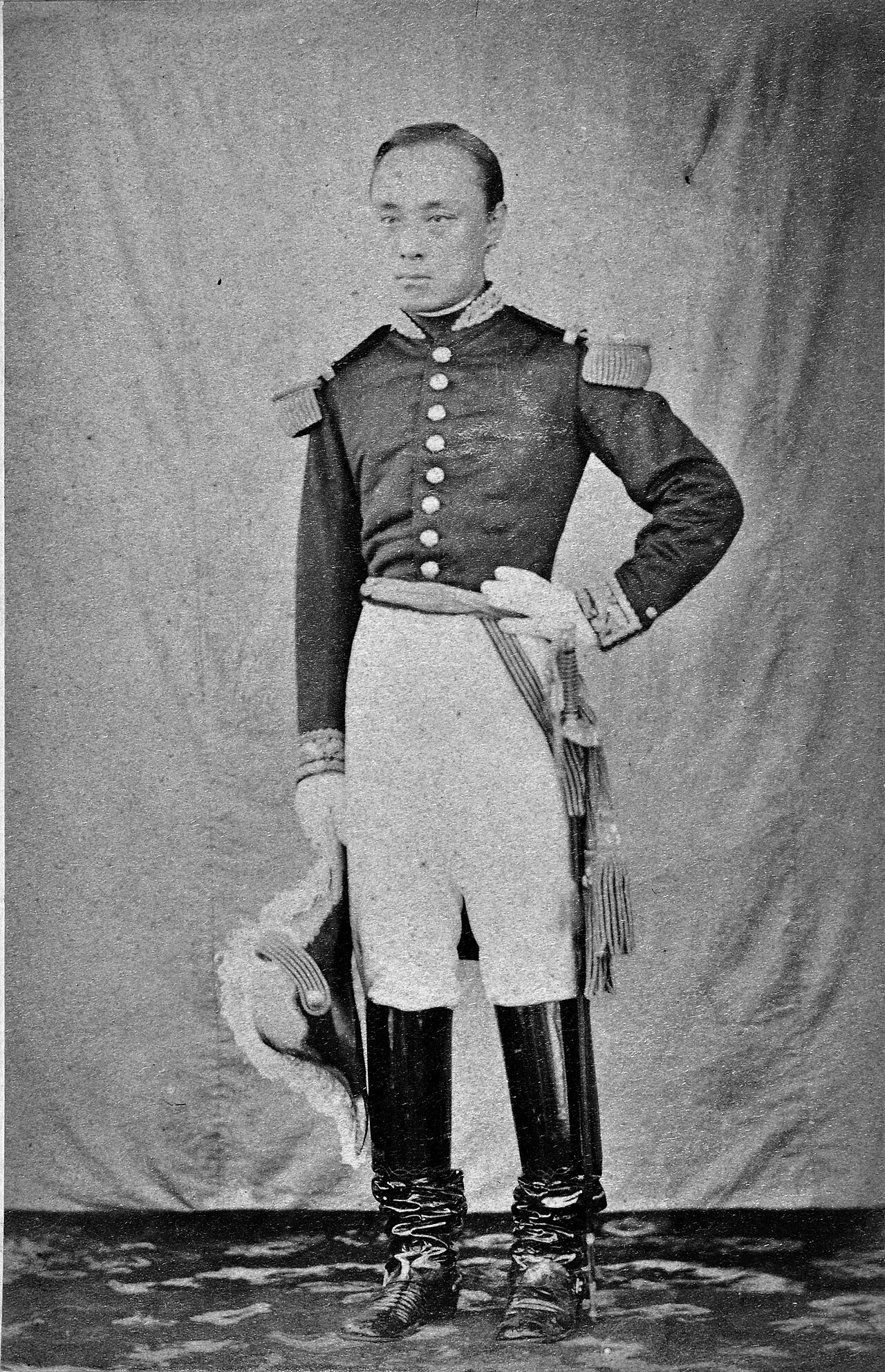
Photograph of Tokugawa Yoshinobu in French Military Uniform
Frederick William Sutton (attributed) · 1867
 Document
Primary source
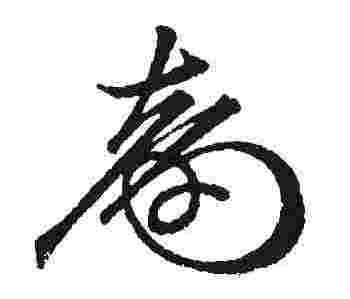
Signature of Tokugawa Yoshinobu
Tokugawa Yoshinobu
Free account
Read every Tokugawa Yoshinobu source
Sign up free →
Ready when you are
Start chatting with Tokugawa Yoshinobu now.
20 messages free · No credit card · Available in 50+ languages.