


Primary sourceArtifact1601-1603 (completed 1626)
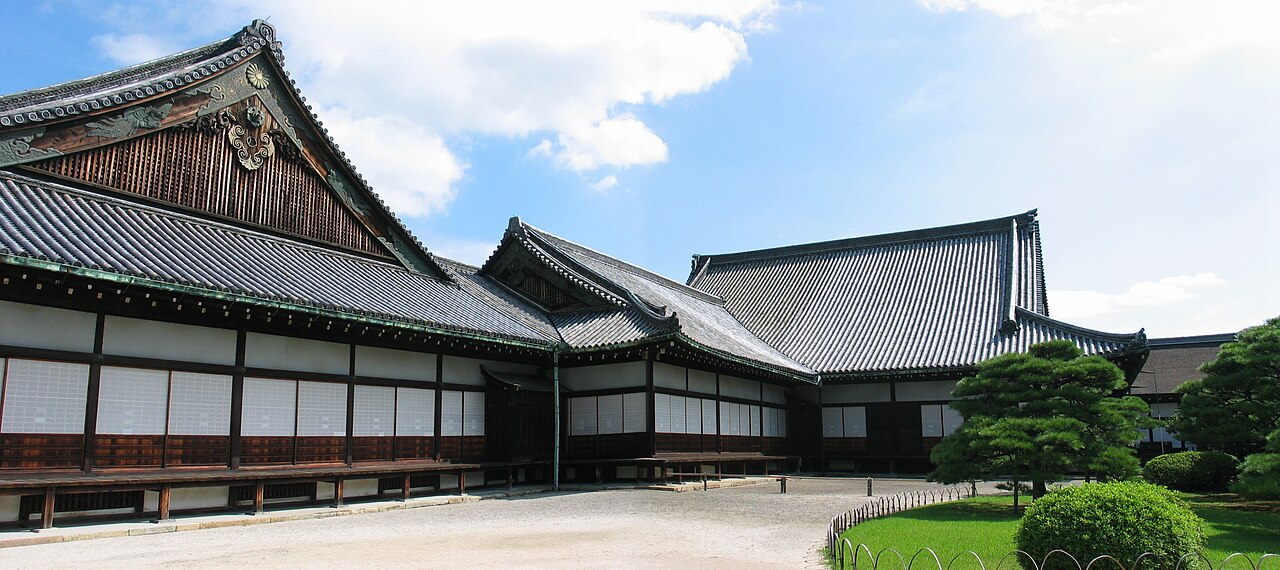
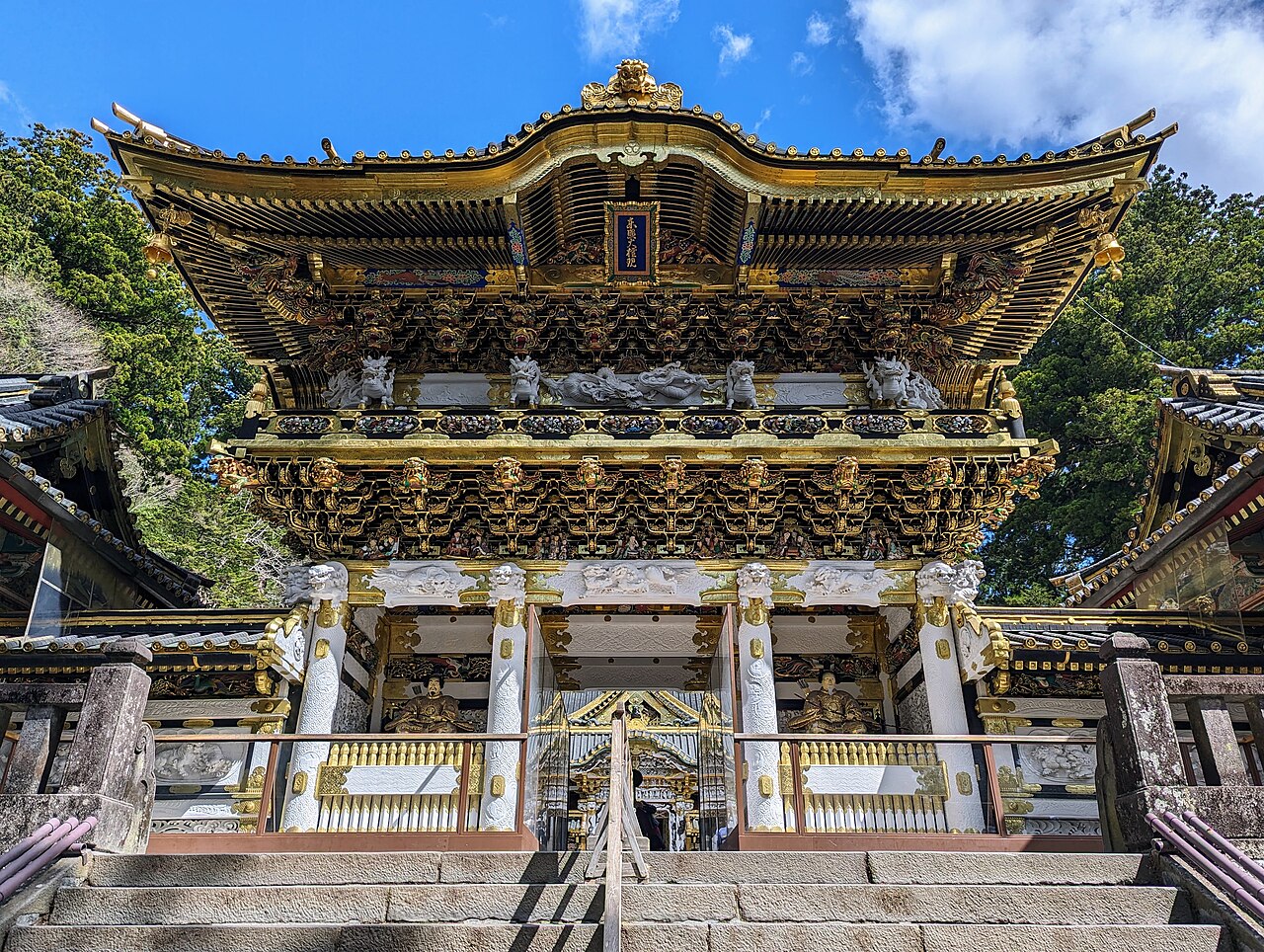
Nijō Castle
1601-1603 (completed 1626)
A flatland castle in Kyoto built by Tokugawa Ieyasu as his residence for visits to the imperial court.
Ieyasu commissioned this castle as his Kyoto residence and celebrated becoming shogun there.
Free Humy account · No credit card · 120,912 sources to read
About this source
What it is
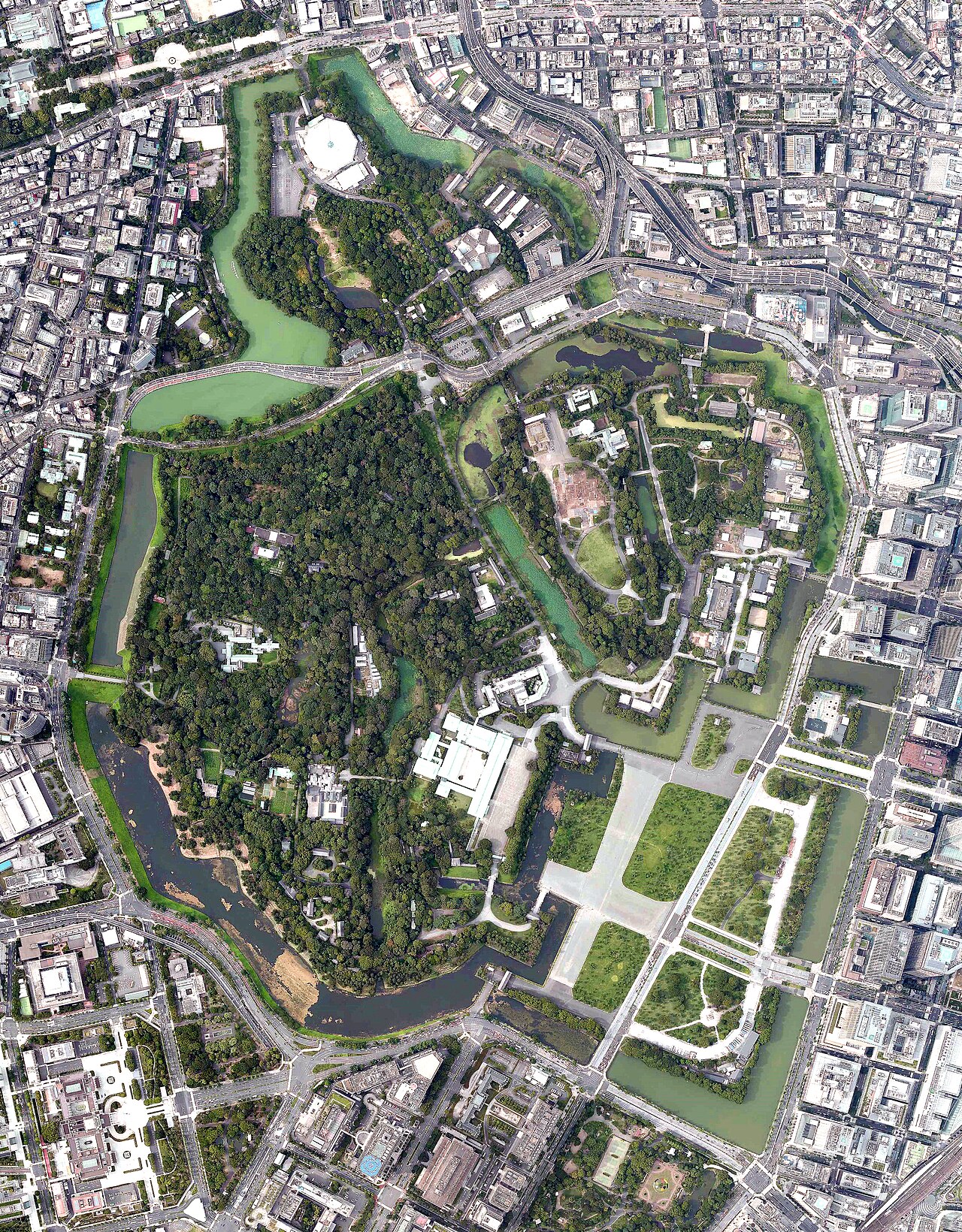
Nijō Castle is a fortified residence in Kyoto with two rings of walls and moats, a palace complex, and gardens. Construction began in 1601 on the order of Tokugawa Ieyasu and was completed later under his grandson Iemitsu. The Ninomaru Palace, with its gold-leafed rooms painted by Kanō school artists, still stands today.
Why it matters
Ieyasu ordered feudal lords across western Japan to help pay for the castle, showing how he used construction projects to display and enforce his authority as shogun. He celebrated his appointment as shogun here, and it later hosted the moment when the last Tokugawa shogun returned power to the emperor. The building's layout, where important visitors moved deeper into more private rooms, was designed to show rank and intimidate guests.
Look closer
- Why might a shogun want visitors to see guards clearly rather than hide them?
- What does the amount of gold decoration suggest about the purpose of the building?
- Why order lords from distant provinces to help build it?
This artifact is part of the curated material that grounds the AI version of Tokugawa Ieyasu and Tokugawa Yoshinobu on Humy.ai — when students ask about related events, the AI can quote it and cite it.
More Tokugawa Ieyasu sources
Browse all 94 →Primary source
Kinchū narabini Kuge Shohatto
Tokugawa Ieyasu · 1615
 Document
Primary source
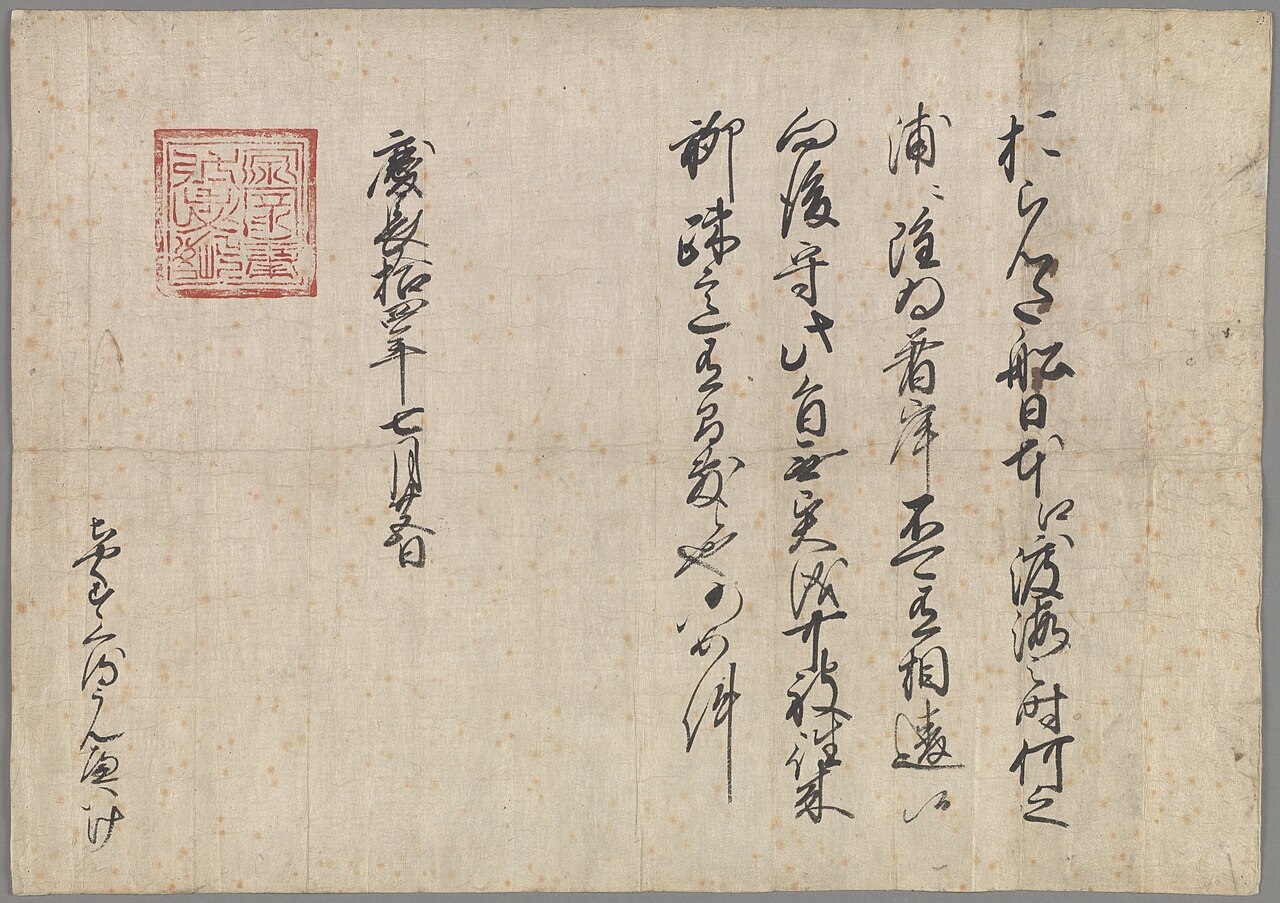
Trading Pass for Dutch Ships in Japan
Tokugawa Ieyasu · 24 August 1609
 Letter
Primary source
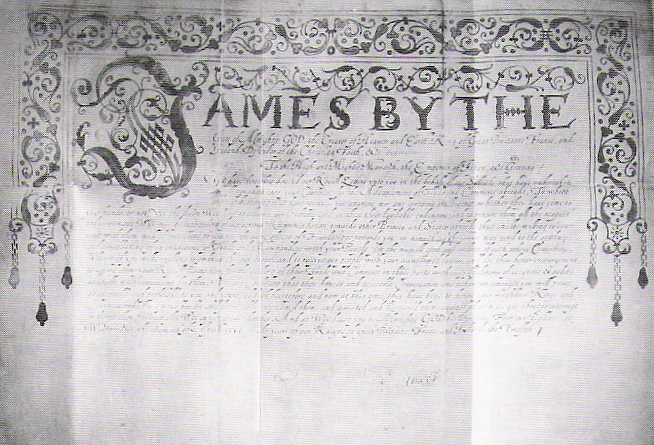
Letter of King James to Tokugawa Ieyasu
James VI and I · 1613
 Artifact
Secondary source
Edo Castle
Ōta Dōkan · 1457; expanded from 1590
Free account
Read every Tokugawa Ieyasu source
Sign up free →
Ready when you are
Start chatting with Tokugawa Ieyasu now.
20 messages free · No credit card · Available in 50+ languages.