


Primary sourceDocument1615
Kinchū narabini Kuge Shohatto
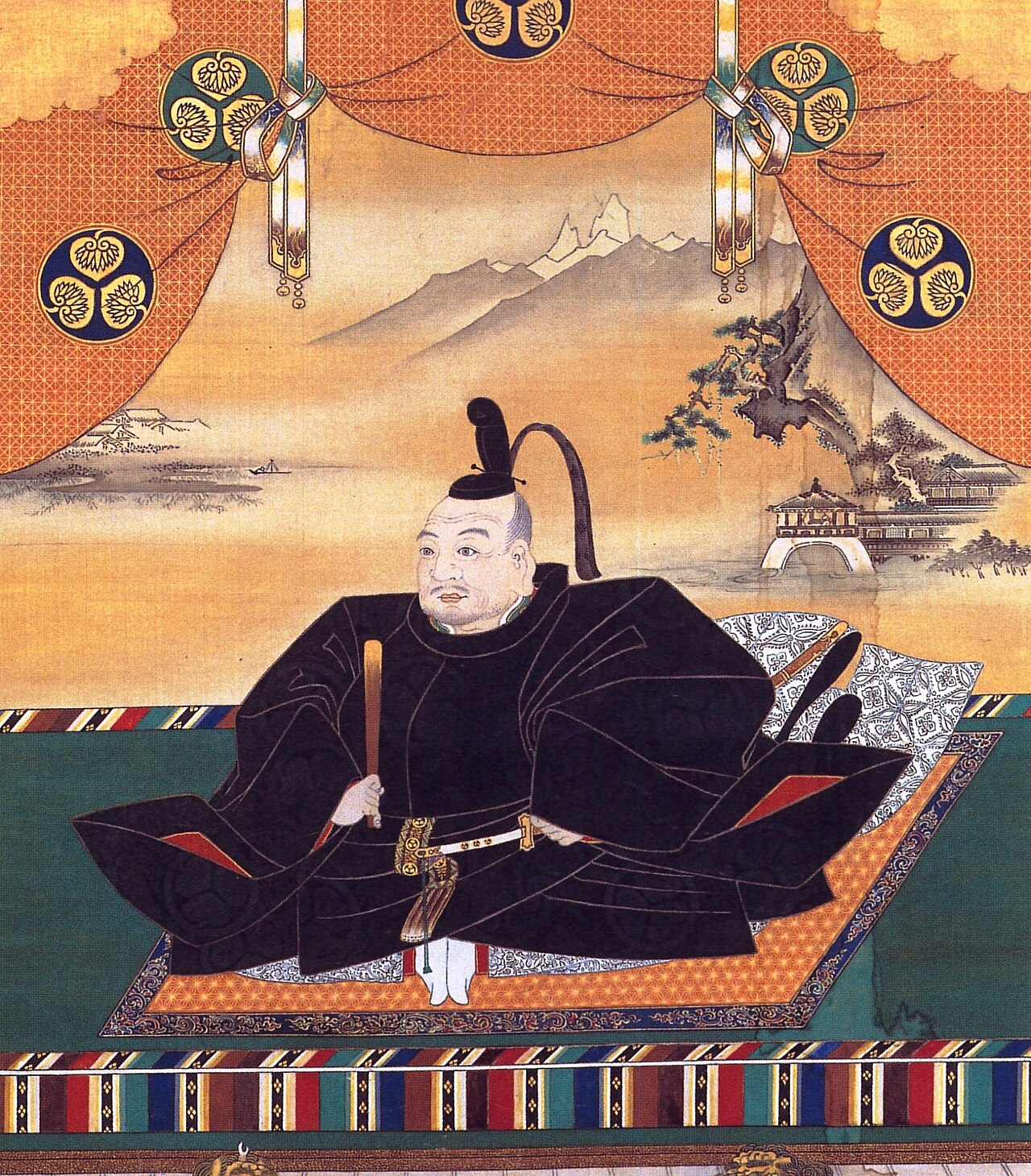
Tokugawa Ieyasu · 1615
A 1615 law issued by Tokugawa Ieyasu setting strict rules for the emperor and court nobles, confining them to scholarship and ritual.
Issued by Ieyasu himself, this law shows him directly asserting shogunal authority over the emperor and court.
Free Humy account · No credit card · 120,912 sources to read
About this source
What it is
This is a set of laws issued in 1615 by the Tokugawa Shogunate, laying out rules for the Japanese emperor and the kuge (court nobles). It followed similar laws for samurai and religious houses issued around the same time.
The law instructed the emperor to focus on scholarship and poetry, and set out rules on rank, promotion and dress for court nobles.
Why it matters
The document shows how Tokugawa Ieyasu and the shogunate he founded dealt with the imperial court. Traditionally, historians have read it as a way to limit the political power of the emperor and nobles, though some argue it was meant to help restore the court's dignity after a period of poverty and scandal. Either way, it reveals how the shogunate carefully managed its relationship with Japan's ancient imperial institution.
Look closer
- Why might a military government want to control what the emperor does with his time?
- What does it suggest about power in Japan that the shogun could issue laws for the emperor?
- What is left out of this law that might tell us more about the court's daily life?
This document is part of the curated material that grounds the AI version of Tokugawa Ieyasu on Humy.ai — when students ask about related events, the AI can quote it and cite it.
More Tokugawa Ieyasu sources
Browse all 94 →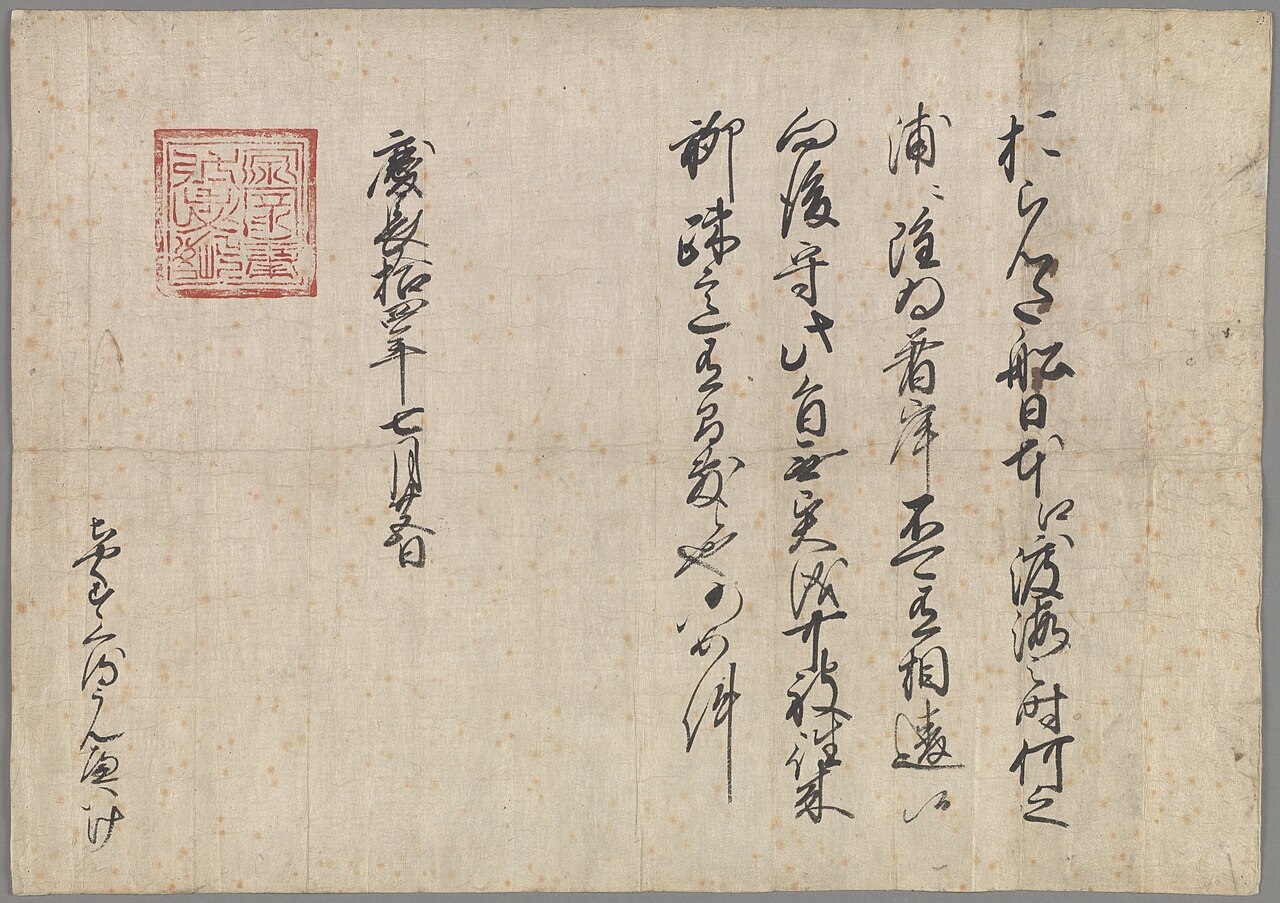 Document
Primary source
Trading Pass for Dutch Ships in Japan
Tokugawa Ieyasu · 24 August 1609
 Letter
Primary source
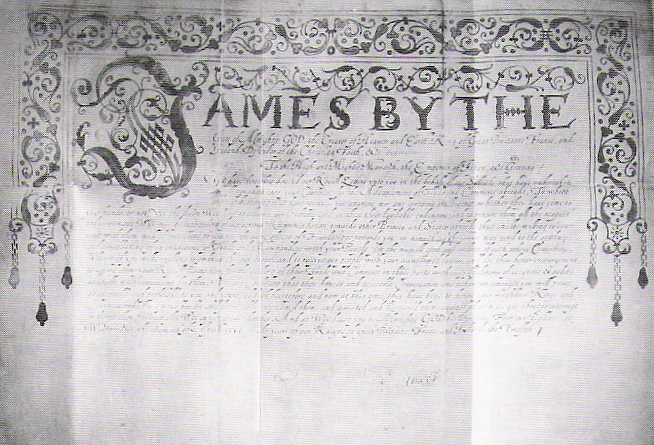
Letter of King James to Tokugawa Ieyasu
James VI and I · 1613
 Artifact
Secondary source
Edo Castle
Ōta Dōkan · 1457; expanded from 1590
 Artifact
Primary source
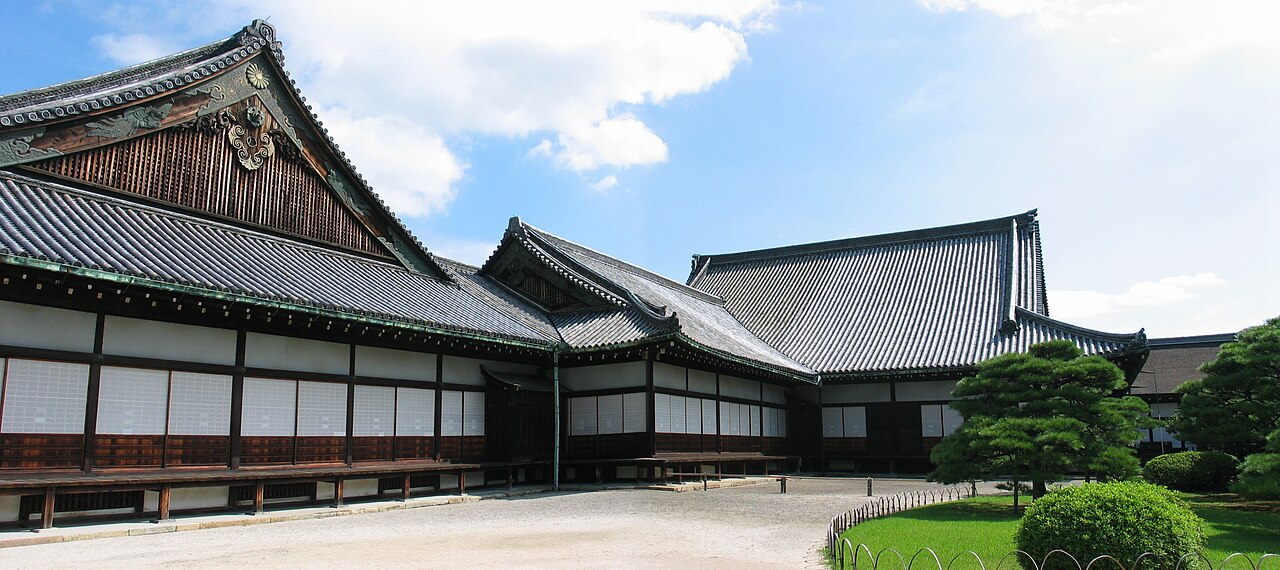
Nijō Castle
1601-1603 (completed 1626)

Free account
Read every Tokugawa Ieyasu source
Sign up free →
Ready when you are
Start chatting with Tokugawa Ieyasu now.
20 messages free · No credit card · Available in 50+ languages.