


Primary sourceArtifact1631-1653
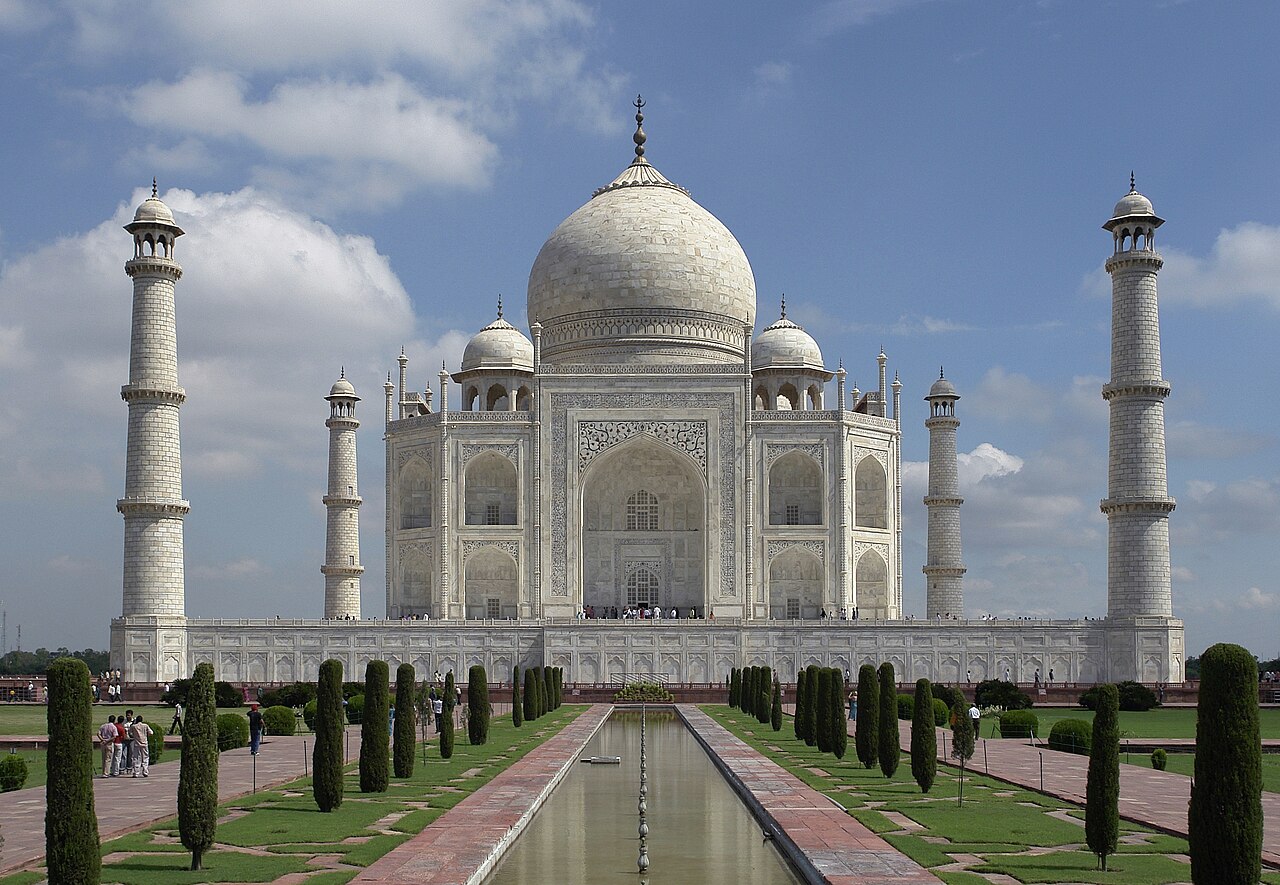
Taj Mahal
Ustad Ahmad Lahori · 1631-1653
The marble mausoleum Shah Jahan built in Agra for his wife Mumtaz Mahal, and where he himself was later buried.
Shah Jahan commissioned the Taj Mahal as a tomb for his wife and later as his own resting place.
Free Humy account · No credit card · 120,912 sources to read
About this source
What it is
The Taj Mahal is an ivory-white marble mausoleum on the river Yamuna in Agra, India. It was commissioned in 1631 by the Mughal emperor Shah Jahan to hold the tomb of his wife Mumtaz Mahal, and it later also became his own tomb. The main building was finished in 1648, with the surrounding gardens and buildings completed around 1653. It was designed under the court architect Ustad Ahmad Lahori, with artisans from across the Mughal world and beyond.
Why it matters
The Taj Mahal is considered one of the finest works of Mughal architecture, blending Persian and Indian traditions. Contemporary chroniclers described Shah Jahan's deep grief after Mumtaz Mahal's death, and the building is usually read as a monument to that loss as well as to his imperial power and wealth.
Look closer
- Why might an emperor spend such effort and resources on a tomb?
- What does the symmetry and material (white marble, inlaid stones) tell you about who it was meant to impress?
- Whose voices do we have about why it was built, and whose are missing?
This artifact is part of the curated material that grounds the AI version of Shah Jahan on Humy.ai — when students ask about related events, the AI can quote it and cite it.
More Shah Jahan sources
Browse all 99 →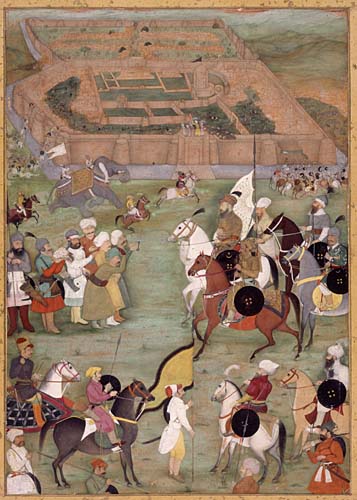 Book
Primary source
Padshahnama
Abdul Hamid Lahori · 1630-1657
 Artifact
Primary source
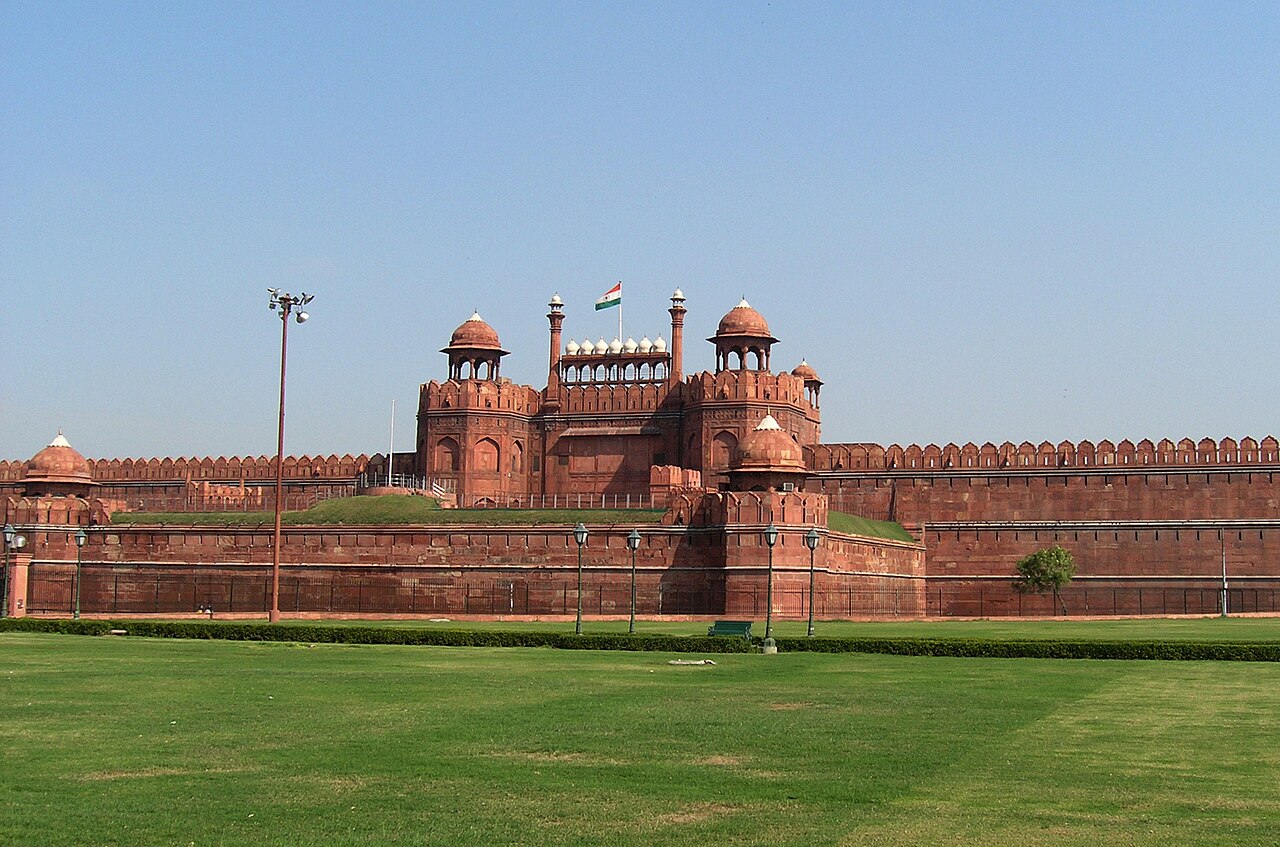
Red Fort
Ustad Ahmad Lahori · 1638-1648
 Painting
Primary source
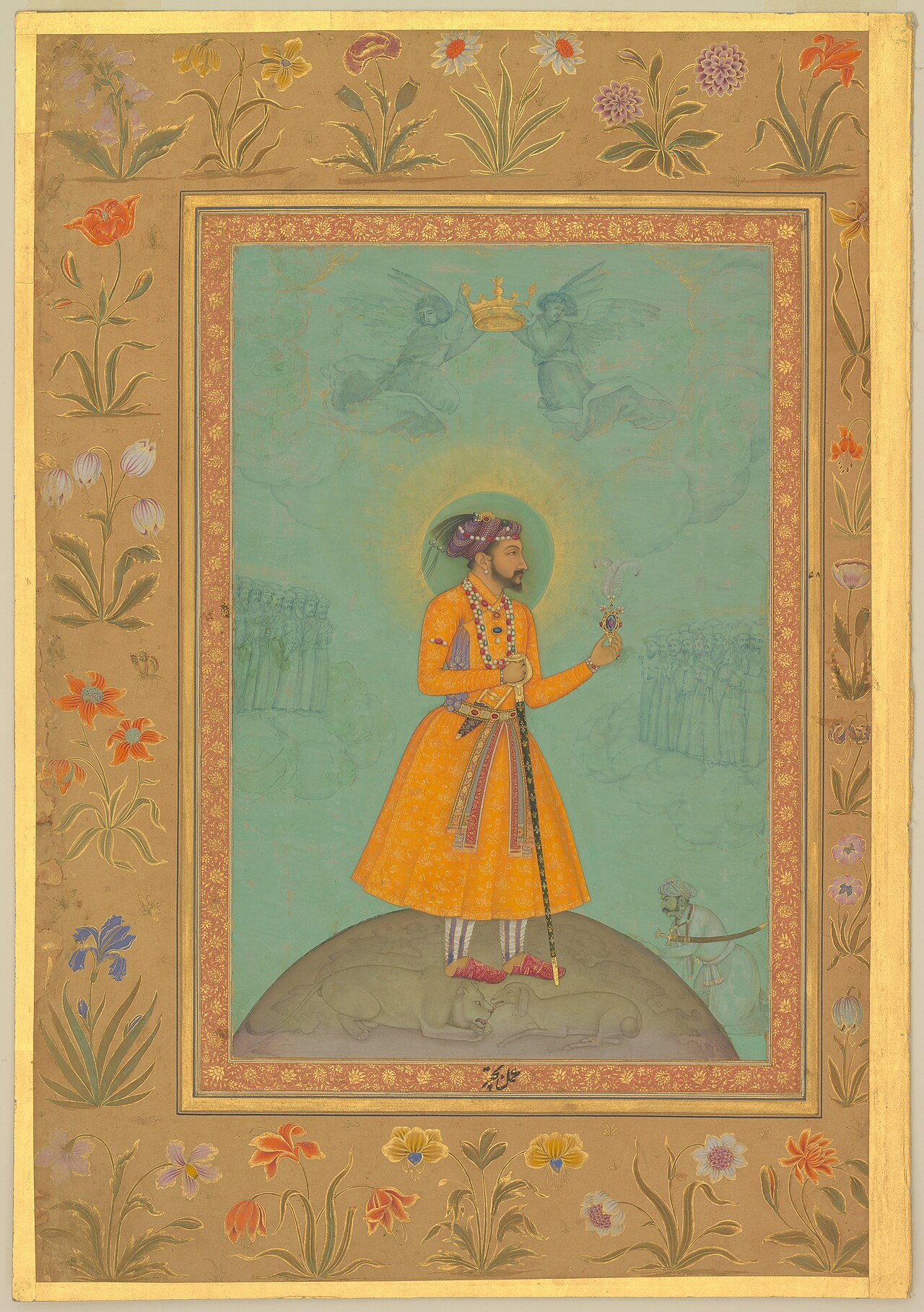
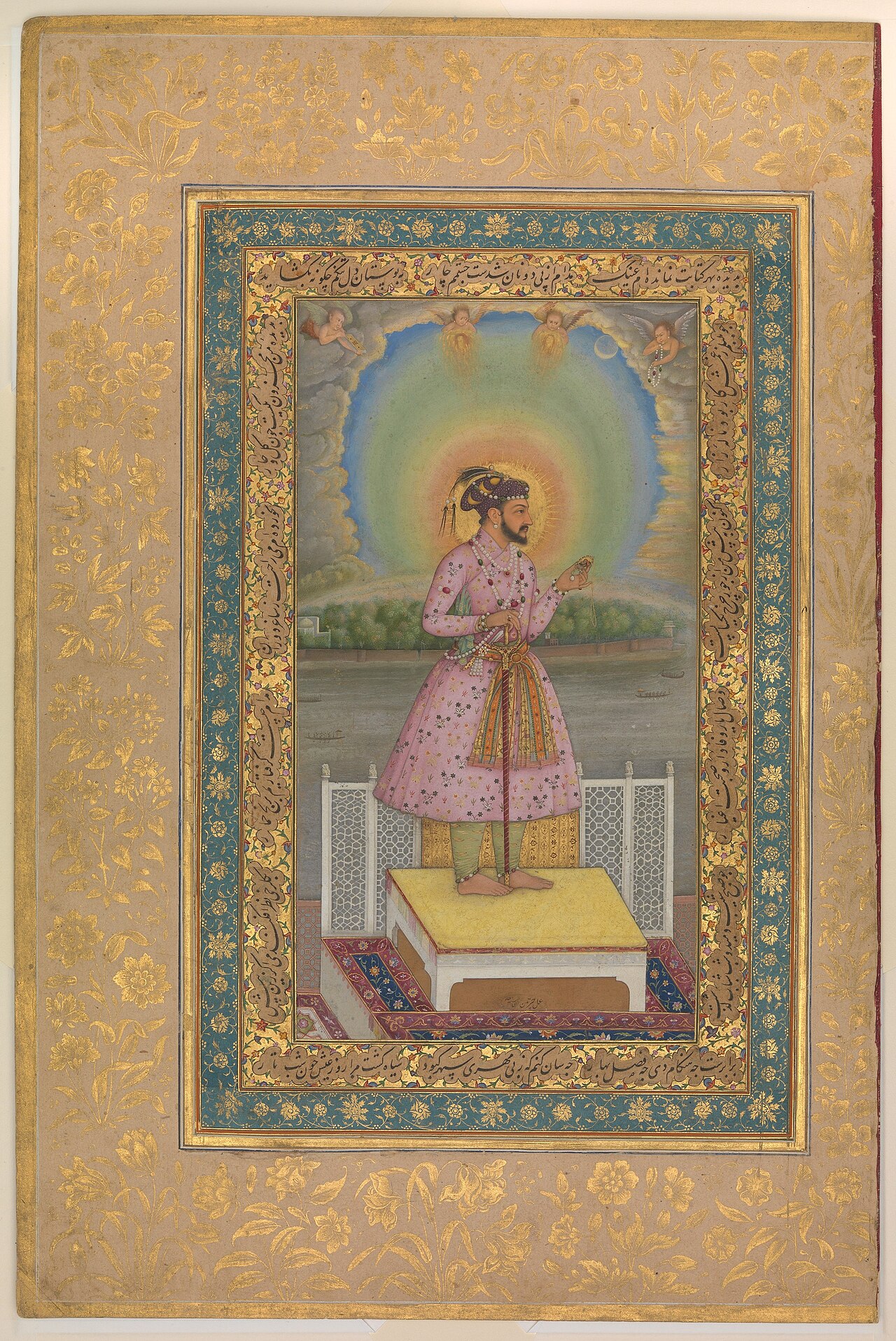
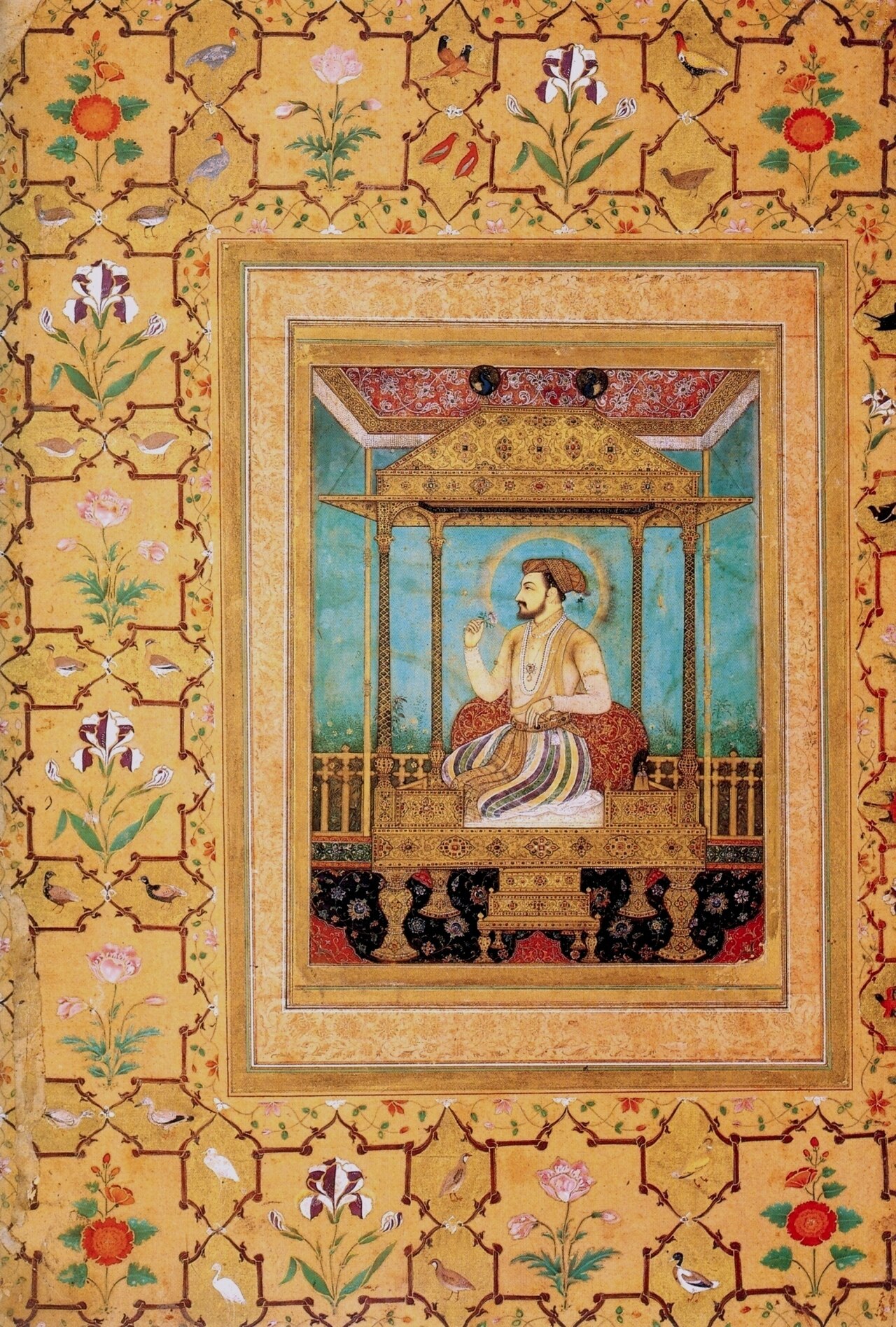
Mughal Emperor Shah Jahan standing on a globe
Bichitr · c. 1630
 Painting
Primary source
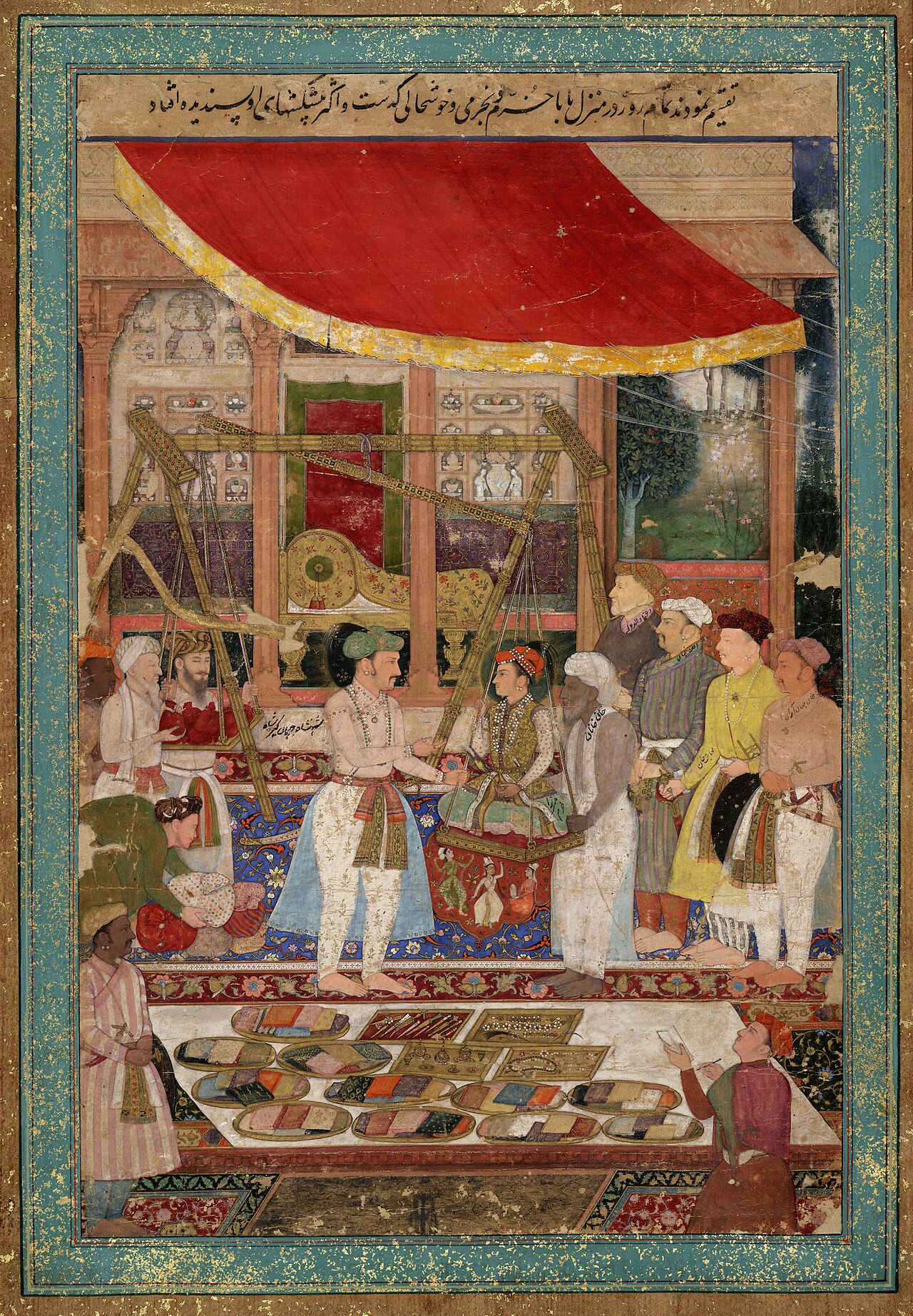
Jahangir Weighing Prince Khurram Against Gold and Silver
Manohar Das · c. 1610-1615

Free account
Read every Shah Jahan source
Sign up free →
Ready when you are
Start chatting with Shah Jahan now.
20 messages free · No credit card · Available in 50+ languages.