


Secondary sourcePaintingsecond half of the 16th century
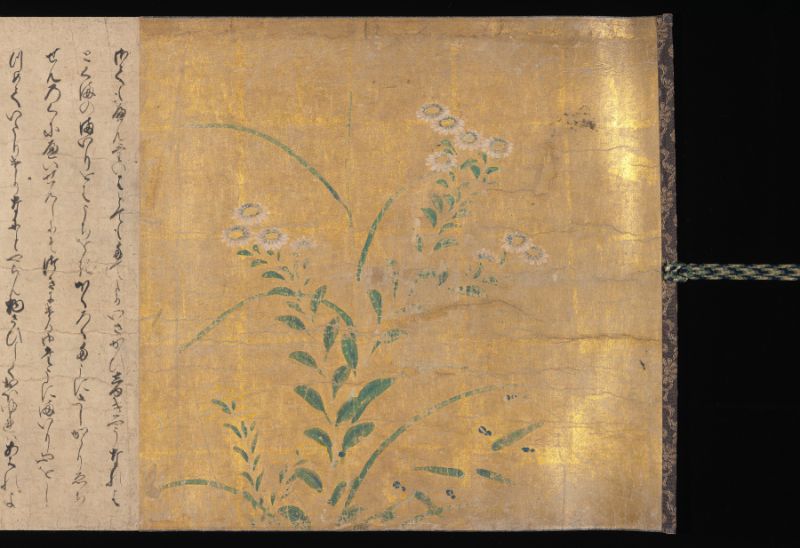
Tale of Musashibō Benkei handscroll
Tosa Mitsuhiro (formerly attributed) · second half of the 16th century
A 16th-century illustrated handscroll from the Benkei legend, in which Yoshitsune is the master whom the warrior monk Benkei serves. It is held by the Chester Beatty Library.
Shows Yoshitsune as the central master in the Benkei legend, the story of how Benkei pledged his loyalty to him.
About this source
What it is
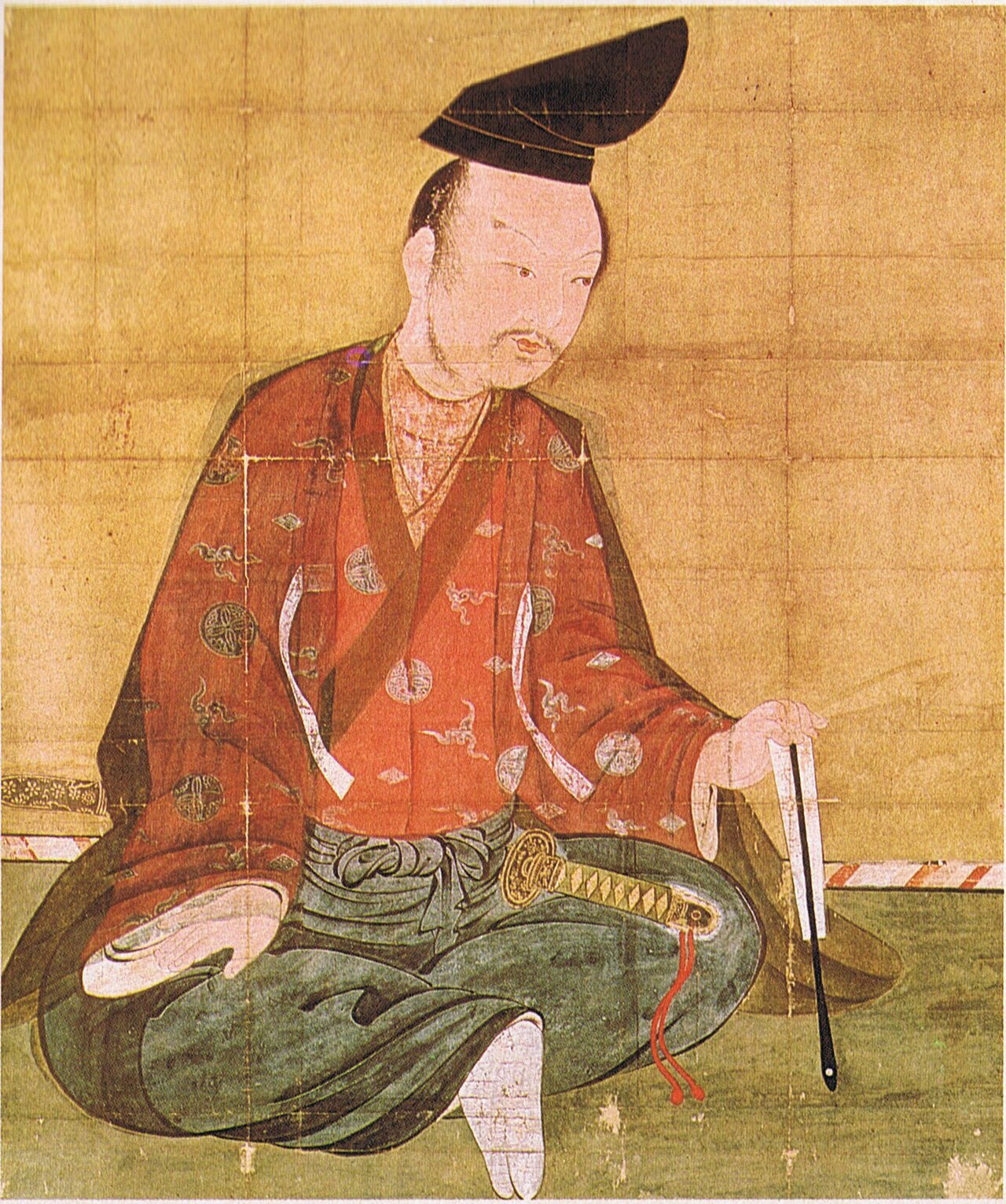
This is a section of an illustrated Japanese handscroll, painted in ink and colours on paper in the second half of the 16th century. It is one of a set of three scrolls telling the story of Benkei, a semi-legendary warrior monk. The record describes it as the second scroll. In it, after travelling widely, Benkei meets the young Minamoto no Yoshitsune. Despite his great strength, Benkei is defeated by the agile youth and pledges his allegiance to him. The scroll is attributed to Tosa Mitsuhiro, a former attribution. It is held by the Chester Beatty in Ireland. The image shows a column of black brush calligraphy and painted white asters on a gold background.
Why it matters
The scroll shows that the stories of Yoshitsune and his loyal retainers were being illustrated in the 1500s, more than three centuries after his death. Benkei is famous in these tales as a retainer who joins Yoshitsune after defeat. The handscroll reveals how artists and audiences of that later period imagined the relationship between the young lord and his strong follower.
Look closer
- How does the calligraphy on the left and the painted flowers on the right work together on the page?
- Why might a legend about a defeat turn into a story of loyalty?
- What does this section leave out, and what would you need to see in the other scrolls to understand the whole story?
This painting is part of the curated material that grounds the AI version of Minamoto no Yoshitsune on Humy.ai — when students ask about related events, the AI can quote it and cite it.
More Minamoto no Yoshitsune sources
Browse all 91 →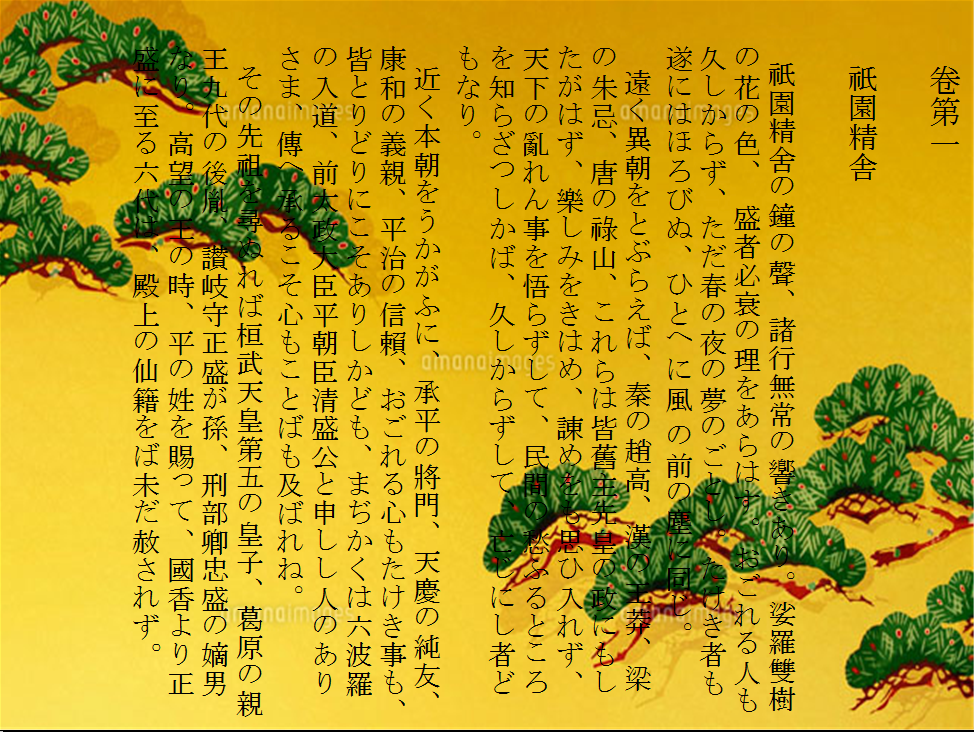 Book
Secondary source
The Tale of the Heike
Akashi Kakuichi · compiled prior to 1330, Kakuichi version c. 1371
 Document
Secondary source
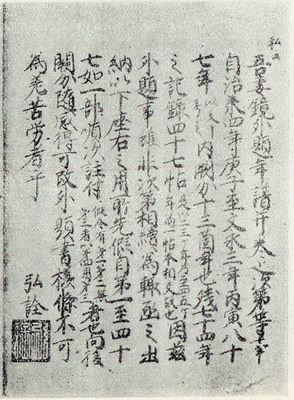
Azuma Kagami
compiled after 1266
 Document
Primary source
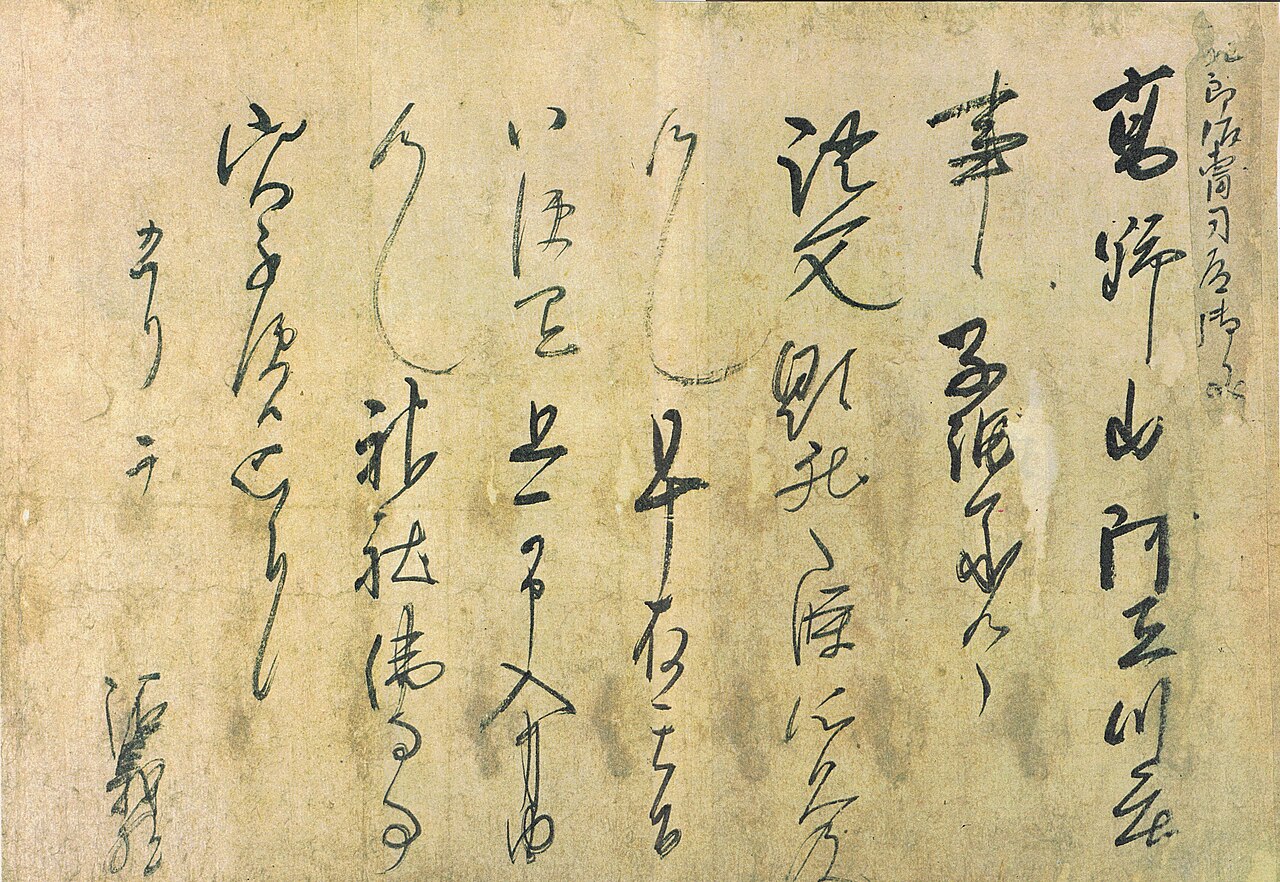
Yoshitsune ukebumi
Minamoto no Yoshitsune · 12th century
Secondary source
Oku no Hosomichi
Matsuo Bashō · 1702 (journey made in 1689)

Free account
Read every Minamoto no Yoshitsune source
Sign up free →
Ready when you are
Start chatting with Minamoto no Yoshitsune now.
20 messages free · No credit card · Available in 50+ languages.