


Secondary sourceArtifactc. 1460
Tapestries of Alexander the Great
Tournai tapestry workshops · c. 1460
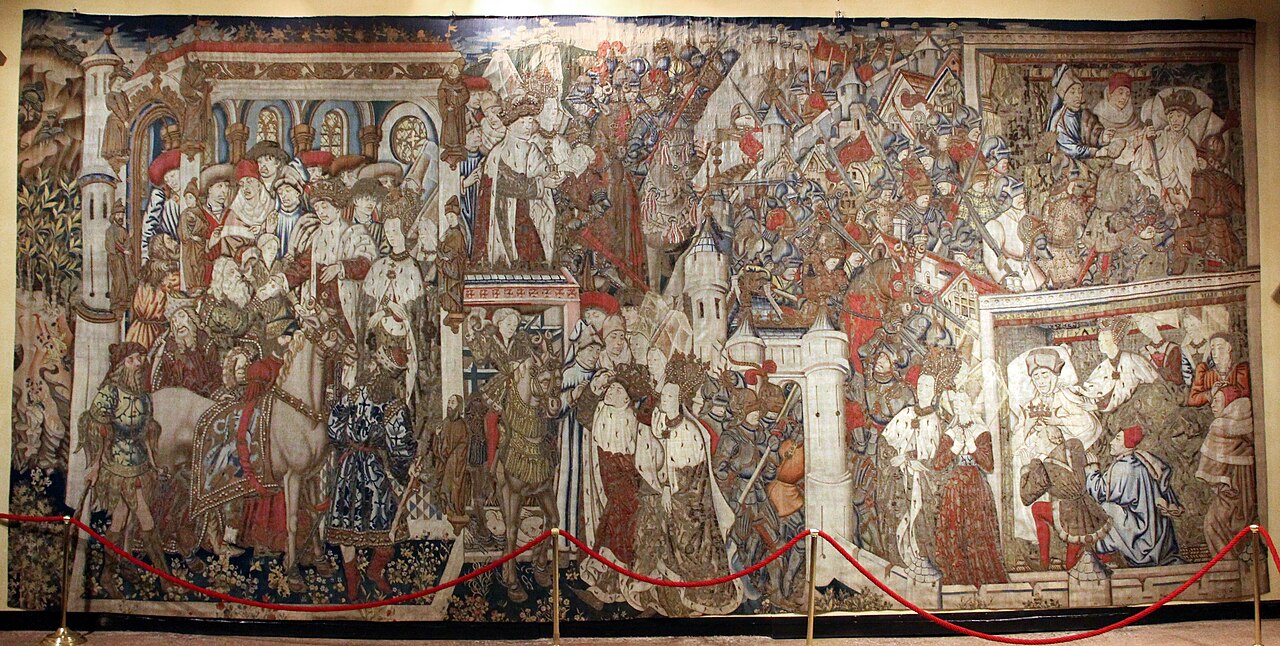
A pair of 15th-century Burgundian tapestries showing legendary deeds of Alexander the Great, made for a noble court.
Made centuries after his death, this tapestry shows how Alexander's legend was celebrated and embellished in medieval European court culture.
About this source
What it is
These are large woven tapestries made around 1460 in the Tournai workshops, a major center of tapestry production for the Burgundian court. They depict legendary episodes from Alexander's life, including a scene of him flying in a chariot pulled by griffins. They are now held at the Villa del Principe in Genoa.
Why it matters
Tapestries like these were luxury objects commissioned by wealthy patrons to display their status and link themselves to the glory of ancient conquerors. They show how Alexander's story was retold and embellished with fantastical legend long after his death, becoming part of the visual culture of medieval European courts.
Look closer
- What details in the tapestry suggest it mixes real history with legend?
- Why might a noble court in 15th-century Burgundy want tapestries celebrating Alexander?
- What does the scale and craftsmanship of the tapestry tell you about who could afford to commission it?
This artifact is part of the curated material that grounds the AI version of Alexander the Great on Humy.ai — when students ask about related events, the AI can quote it and cite it.
More Alexander the Great sources
Meet the AI Alexander the Great →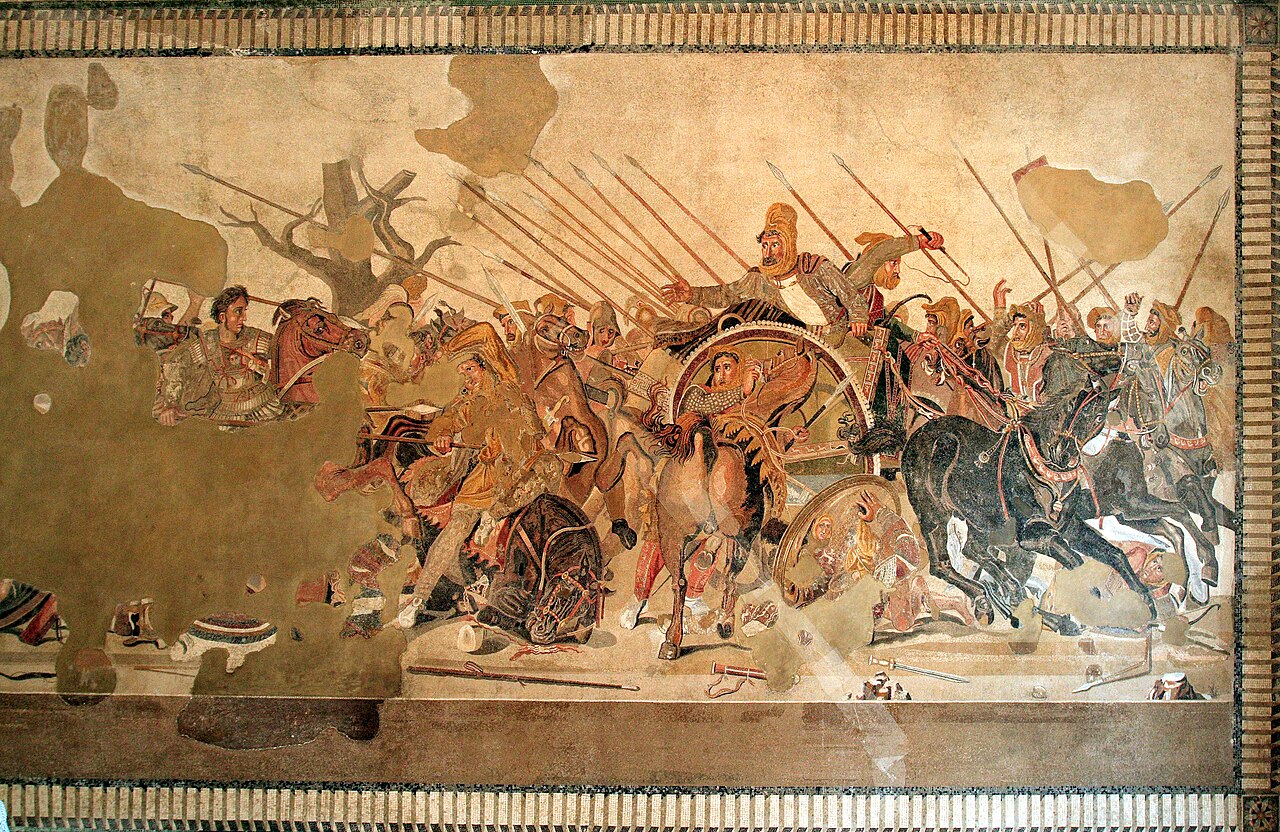 Artifact
Secondary source
Alexander Mosaic
Philoxenus of Eretria · c. 120-100 BCE (copy of an earlier Hellenistic painting)
 Painting
Secondary source
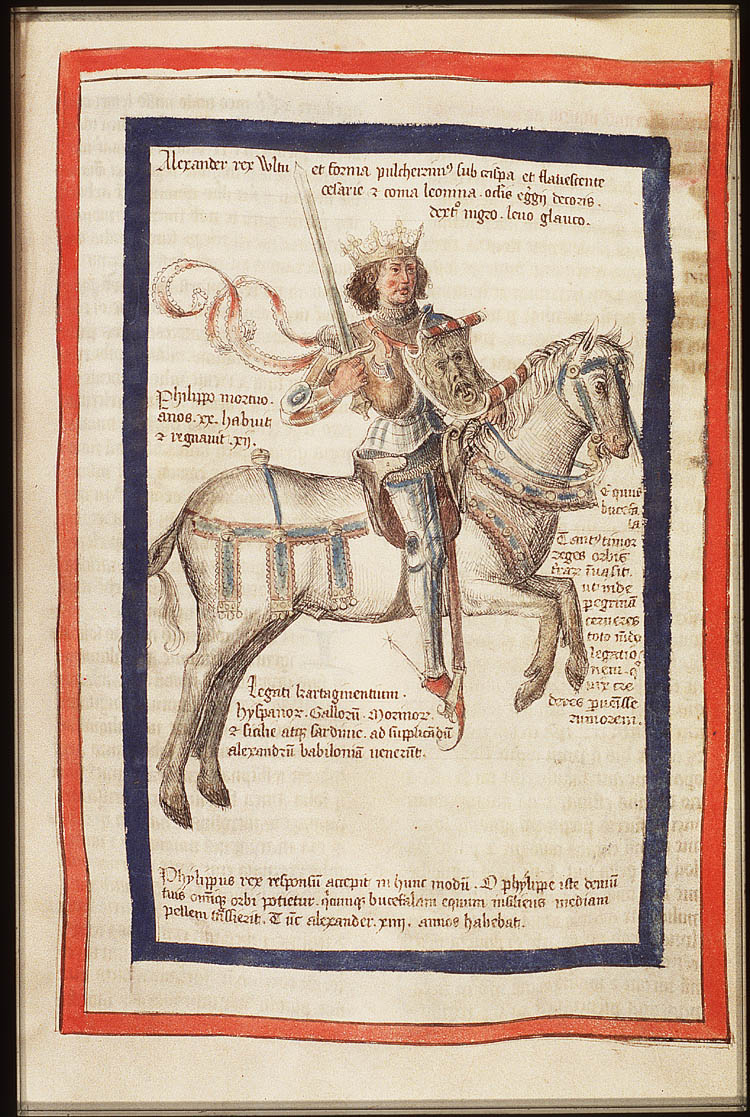
Alexander the Great riding Bucephalus
1460
 Artifact
Primary source
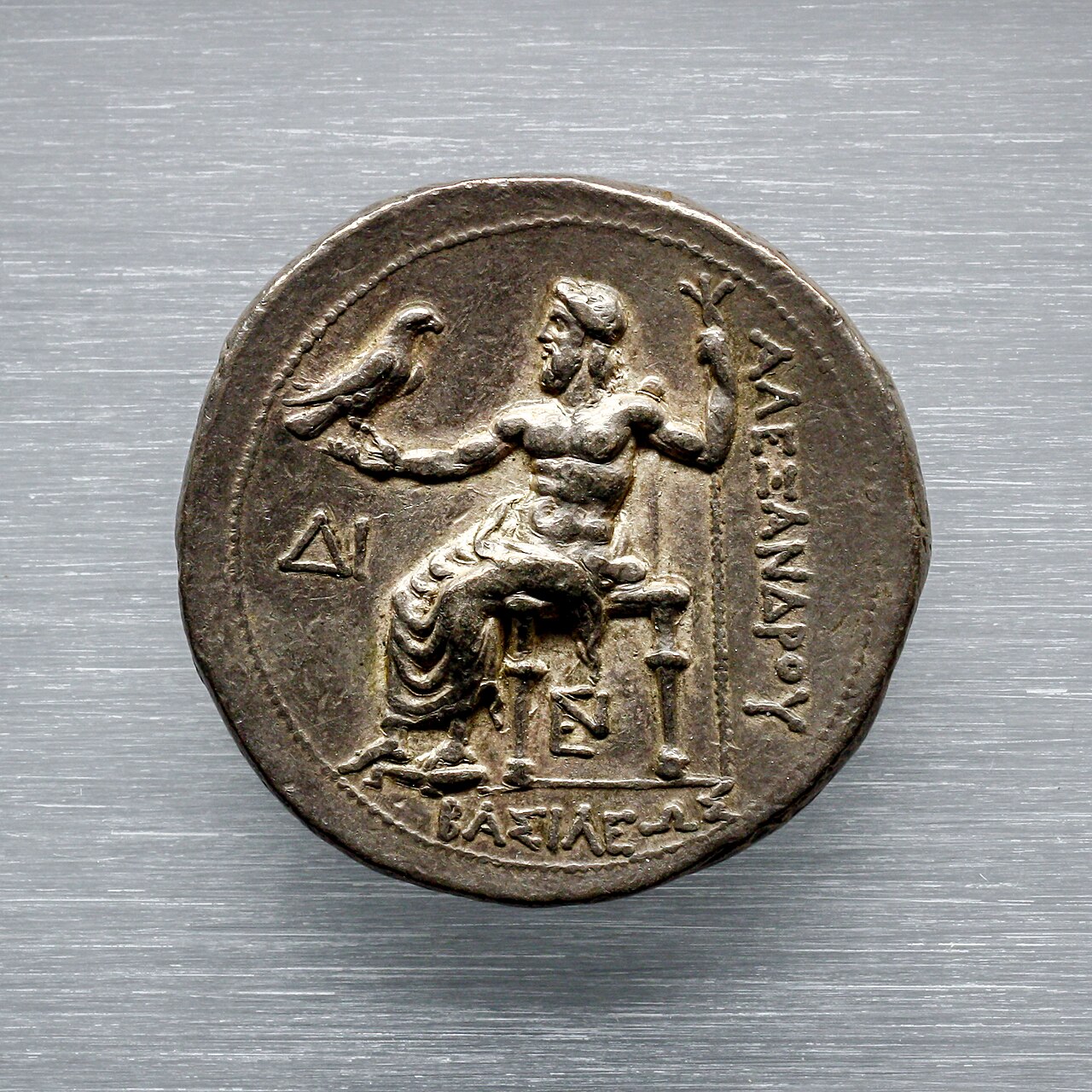
Silver Tetradrachm of Alexander the Great
Royal mints of Alexander III · c. 336-323 BCE
 Painting
Secondary source
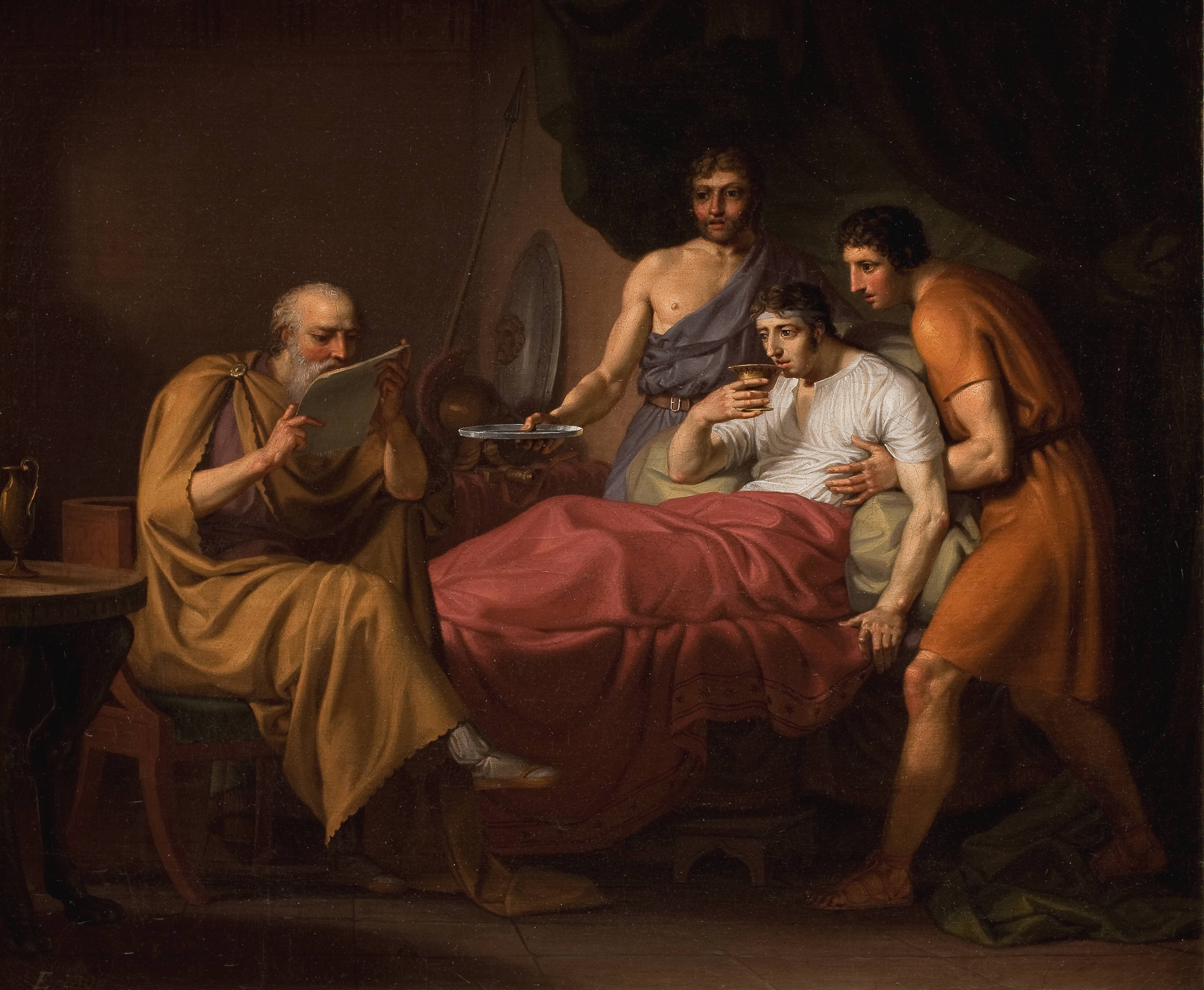
Alexander the Great on his Sickbed
1806
 Book
Secondary source
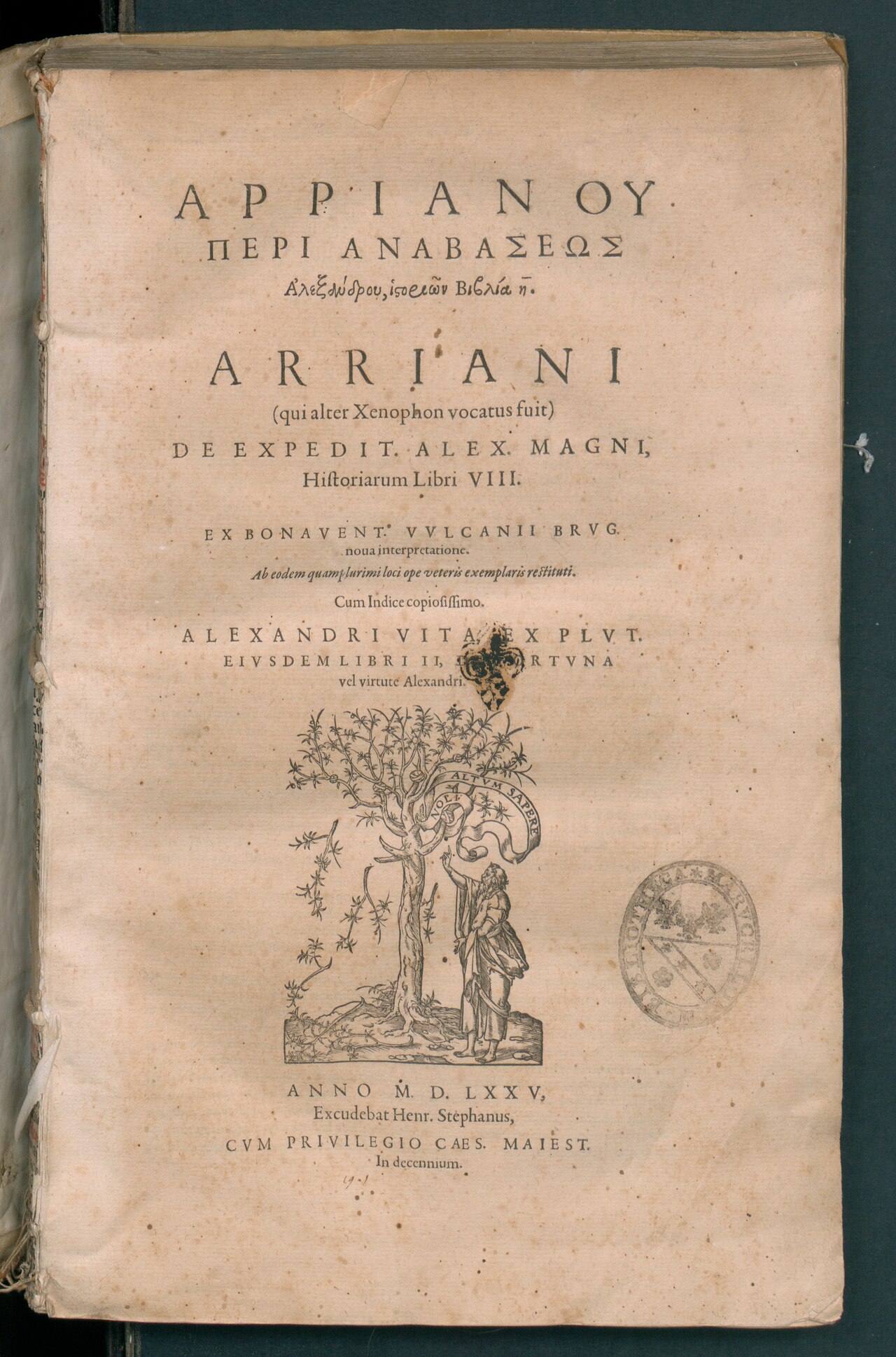
Anabasis of Alexander
Arrian · c. 150 AD
Ready when you are
Start chatting with Alexander the Great now.
20 messages free · No credit card · Available in 50+ languages.