


Secondary sourceArtifact1664
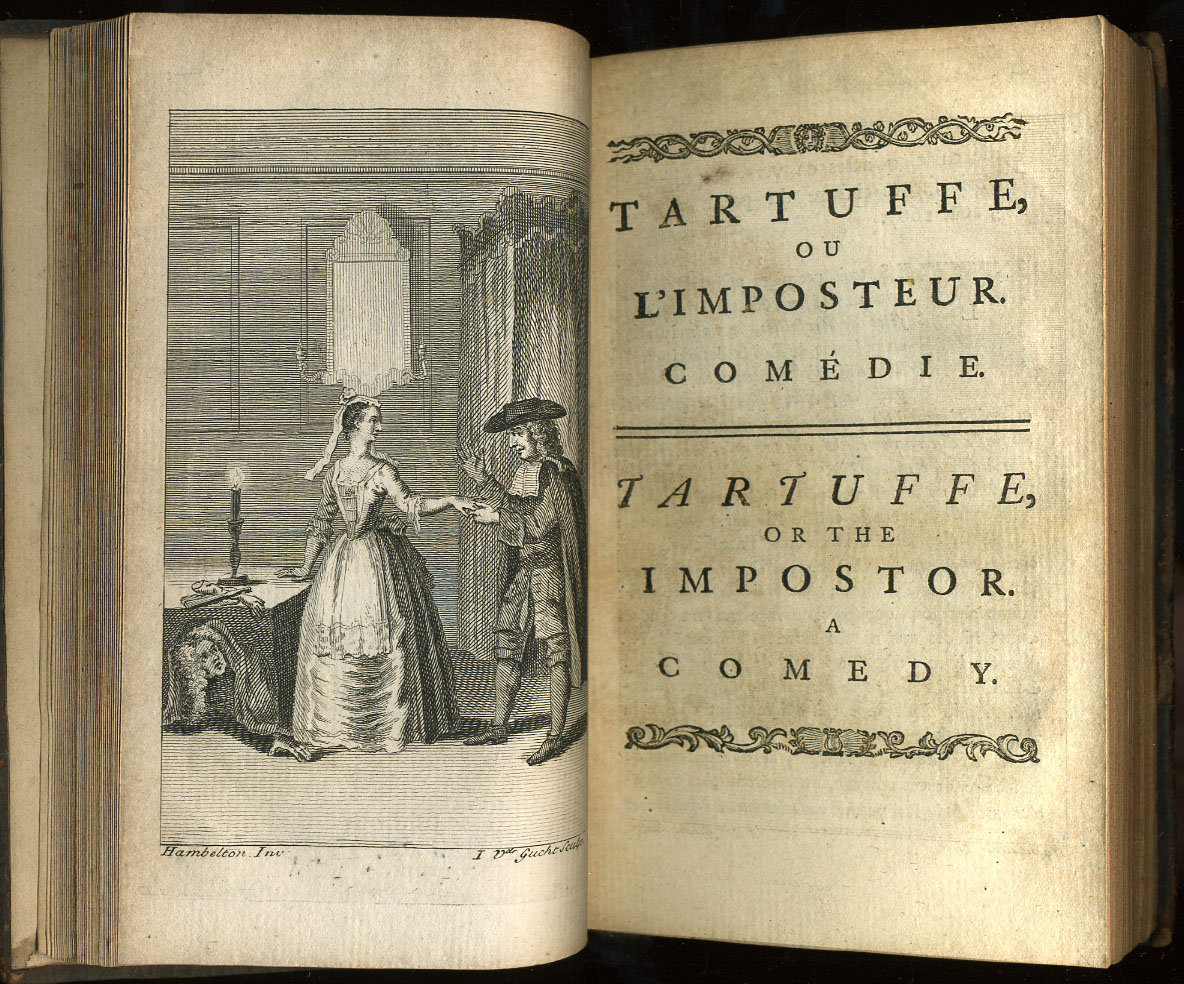
Tartuffe
Molière · 1664
A LibriVox volunteer reading in English of Molière's satire Tartuffe, or The Hypocrite, translated by Curtis Hidden Page, with a short biography of the author.
Molière wrote this satire, and the introduction shows how it caused him conflict with church authority, linking his career to the controversies of his age.
Free Humy account · No credit card · 120,288 sources to read
About this source
What it is
This is an audio recording of an English translation of Molière's Tartuffe, or The Hypocrite, translated by Curtis Hidden Page. The recording is a LibriVox reading by volunteers, not a recording of Molière's voice. The recording includes a short introductory note about Jean Baptiste Poquelin, known as Molière, who was born in Paris in January 1622. The play was written in 1664.
Why it matters
The introduction says the play was received well by the public and even by Louis XIV, but its popularity was lessened when the Archbishop of Paris issued an edict threatening excommunication for anyone who watched it. The work shows how a satire about religious hypocrisy could bring a playwright into conflict with church authorities, and how the public and the king could still support it.
Look closer
- Why would a church leader threaten people who watched a comedy?
- The introduction describes Molière's life and enemies. What does it suggest about the pressures on a playwright in his time?
- Which kinds of hypocrisy does the play attack, and whom might it have offended?
This artifact is part of the curated material that grounds the AI version of Molière on Humy.ai — when students ask about related events, the AI can quote it and cite it.

Ready when you are
Start chatting with Molière now.
20 messages free · No credit card · Available in 50+ languages.