


Secondary sourceArtifactc. 770-790 AD
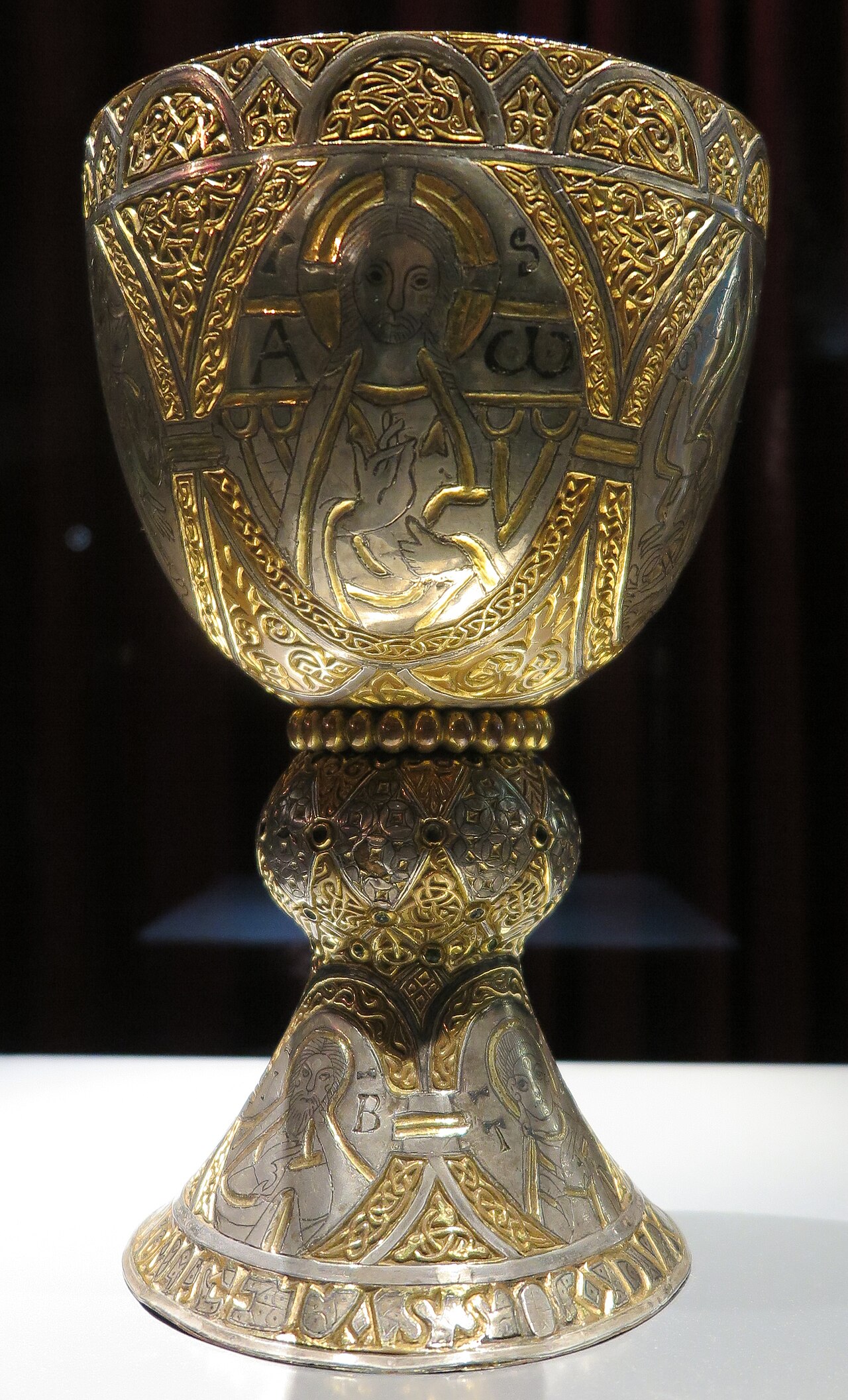
Tassilo Chalice
c. 770-790 AD
An 8th-century gilded chalice made for Duke Tassilo III of Bavaria, Pepin's nephew and vassal, showing the Bavarian court Pepin sought to control.
Made for Pepin's nephew Tassilo III, the chalice illustrates the Bavarian court Pepin struggled to control as his vassal.
About this source
What it is
The Tassilo Chalice is a gilded bronze chalice from the 8th century, donated by Liutperga, wife of Duke Tassilo III of Bavaria, kept at Kremsmünster Abbey in Austria. It is decorated with images of Christ, the Evangelists, the Virgin Mary and John the Baptist, and carries a Latin inscription naming Tassilo and Liutperga.
Why it matters
Tassilo III was Pepin's nephew and sworn vassal. The chalice's fine craftsmanship shows the wealth and prestige of the Bavarian court, a region Pepin struggled to control within his Frankish kingdom.
Look closer
- What does the quality of the decoration suggest about Tassilo's wealth and status?
- Why might a ruling family commission such an elaborate religious object?
- What does the inscription tell you about who it was made for?
This artifact is part of the curated material that grounds the AI version of Pepin the Short on Humy.ai — when students ask about related events, the AI can quote it and cite it.
More Pepin the Short sources
Browse all 58 →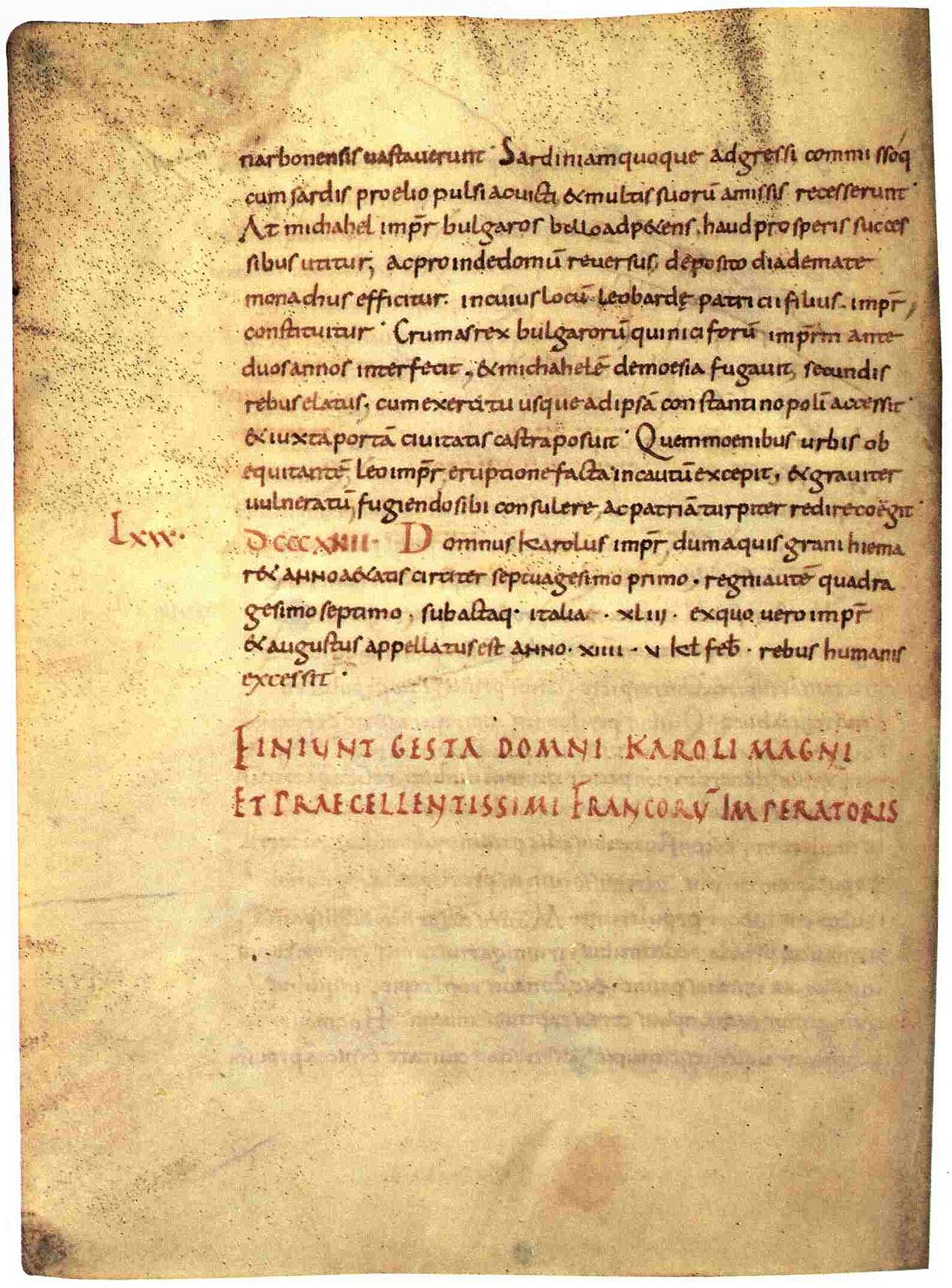 Document
Primary source
Royal Frankish Annals
741-829, this manuscript c. 900
 Document
Primary source
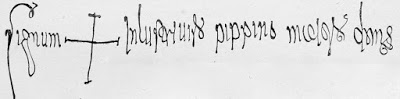
Signature of Pepin the Short
Pepin the Short
 Artifact
Secondary source
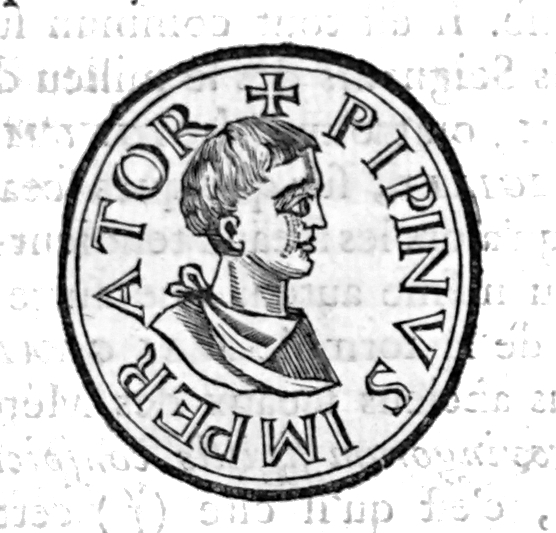
Seal of Pepin the Short
René Tassin
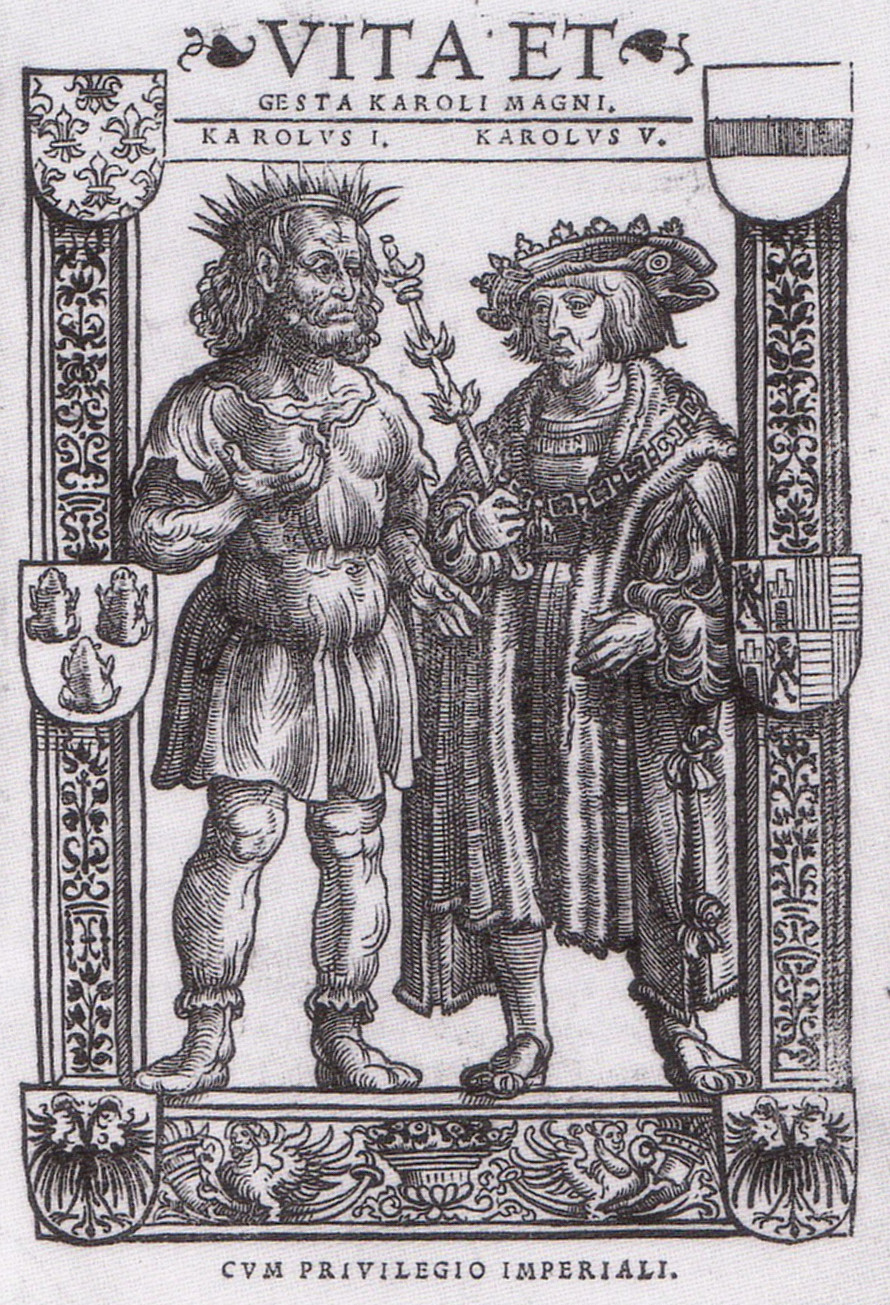 Book
Secondary source
Vita Karoli Magni
Einhard · c. 817-833

Free account
Read every Pepin the Short source
Sign up free →
Ready when you are
Start chatting with Pepin the Short now.
20 messages free · No credit card · Available in 50+ languages.