


Secondary sourcePhotographc. 1900
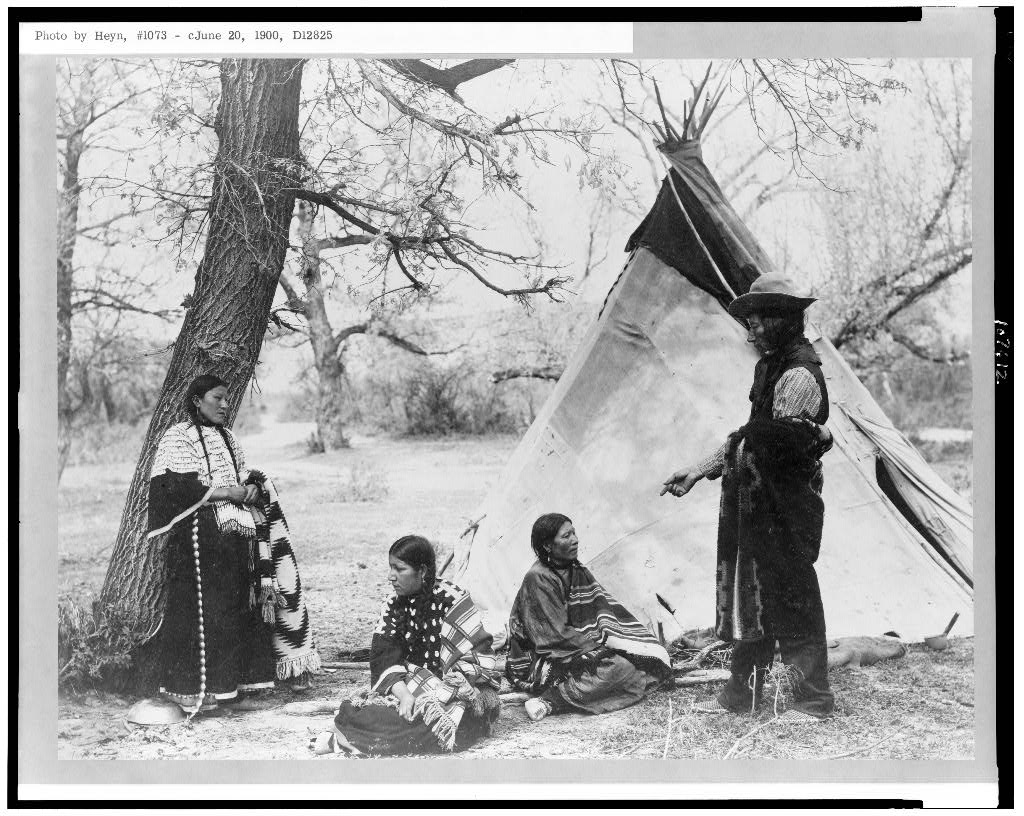
Tasunki Witko and Three Women Outside a Tepee
Heyn & Matzen · c. 1900
A photograph labelled with Crazy Horse's Lakota name, though the identification of the man pictured is not confirmed.
Labelled with Crazy Horse's Lakota name, but the identification of the pictured man as him is unconfirmed.
About this source
What it is
This black-and-white photograph, taken around 1900 by the studio Heyn & Matzen, shows a man in a wide-brimmed hat and dark coat standing beside a canvas tepee with three women nearby. The print is held in a photographic archive and is labelled with the name "Tasunki Witko," the Lakota name for Crazy Horse.
Why it matters
No confirmed photograph of Crazy Horse is known to exist, and he reportedly refused to be photographed during his lifetime. This image shows why historians must be careful: a label naming a famous figure does not always prove the photograph truly shows him, especially when taken decades after his death.
Look closer
- What evidence would you need to confirm this man really is Crazy Horse?
- Why might a photographer in 1900 label an image with a famous name?
- What does the setting and clothing tell you about the people photographed, regardless of who they are?
This photograph is part of the curated material that grounds the AI version of Crazy Horse on Humy.ai — when students ask about related events, the AI can quote it and cite it.
More Crazy Horse sources
Meet the AI Crazy Horse →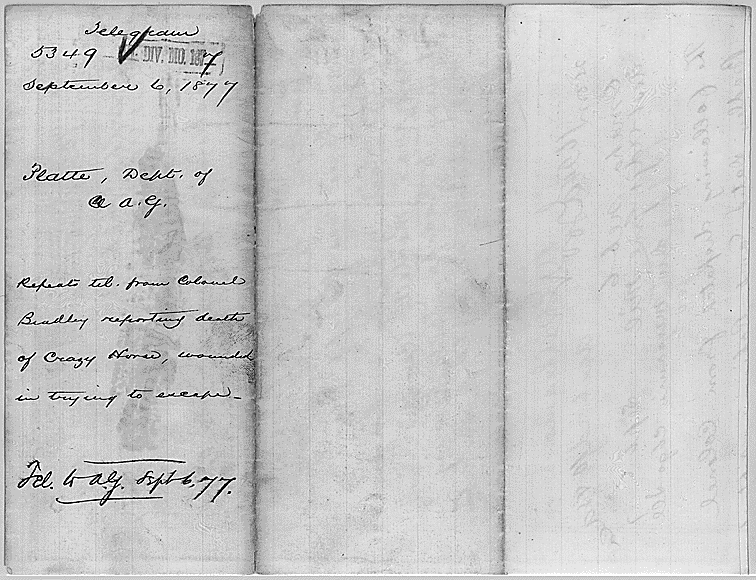 Document
Primary source
Telegram Reporting the Arrest and Death of Crazy Horse
6 September 1877
 Painting
Primary source
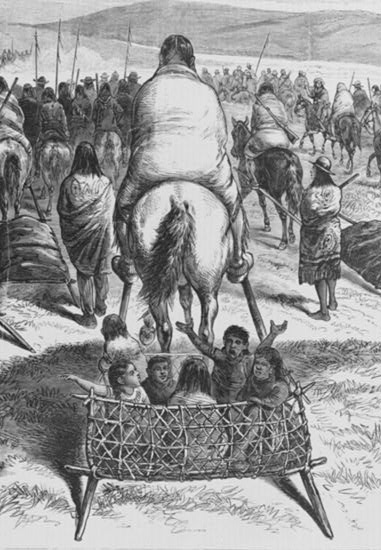
Crazy Horse Travois Drawing
Unknown Lakota artist
 Painting
Secondary source
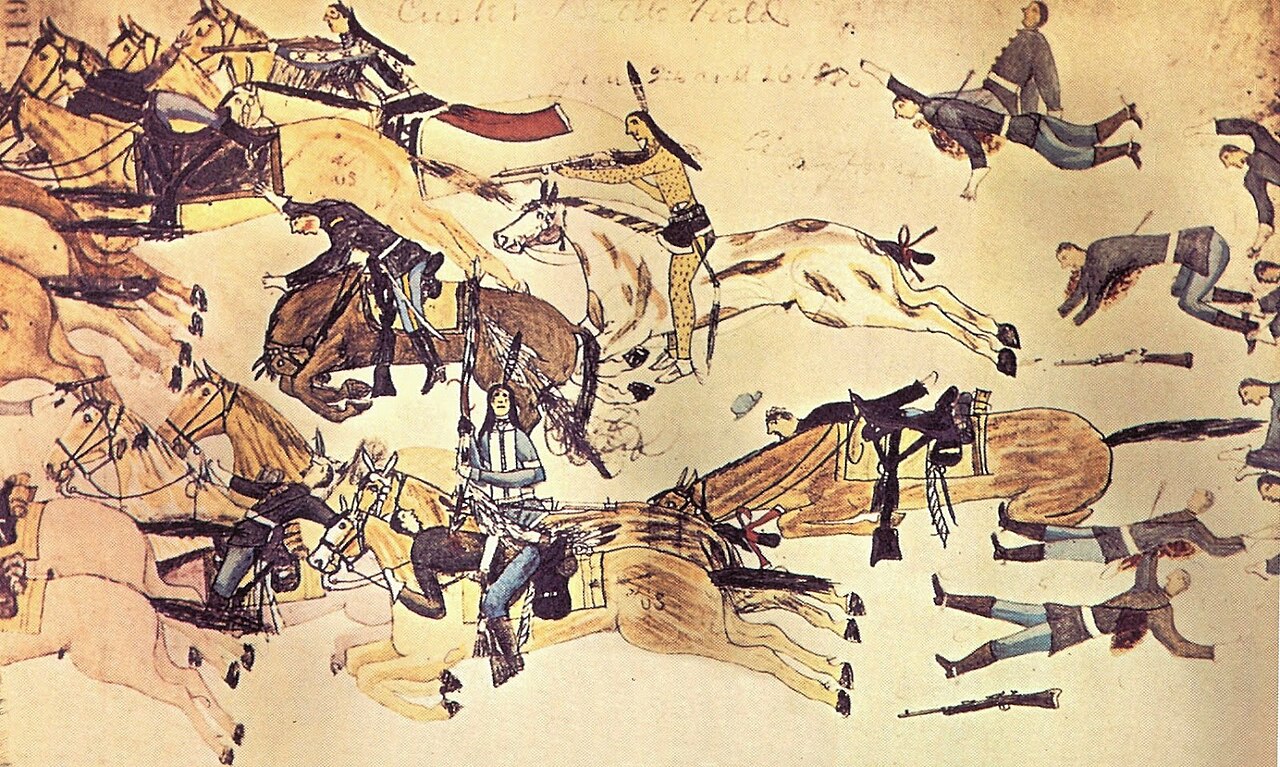
Battle of the Little Bighorn with Crazy Horse
Amos Bad Heart Bull · after 1890
 Sculpture
Secondary source
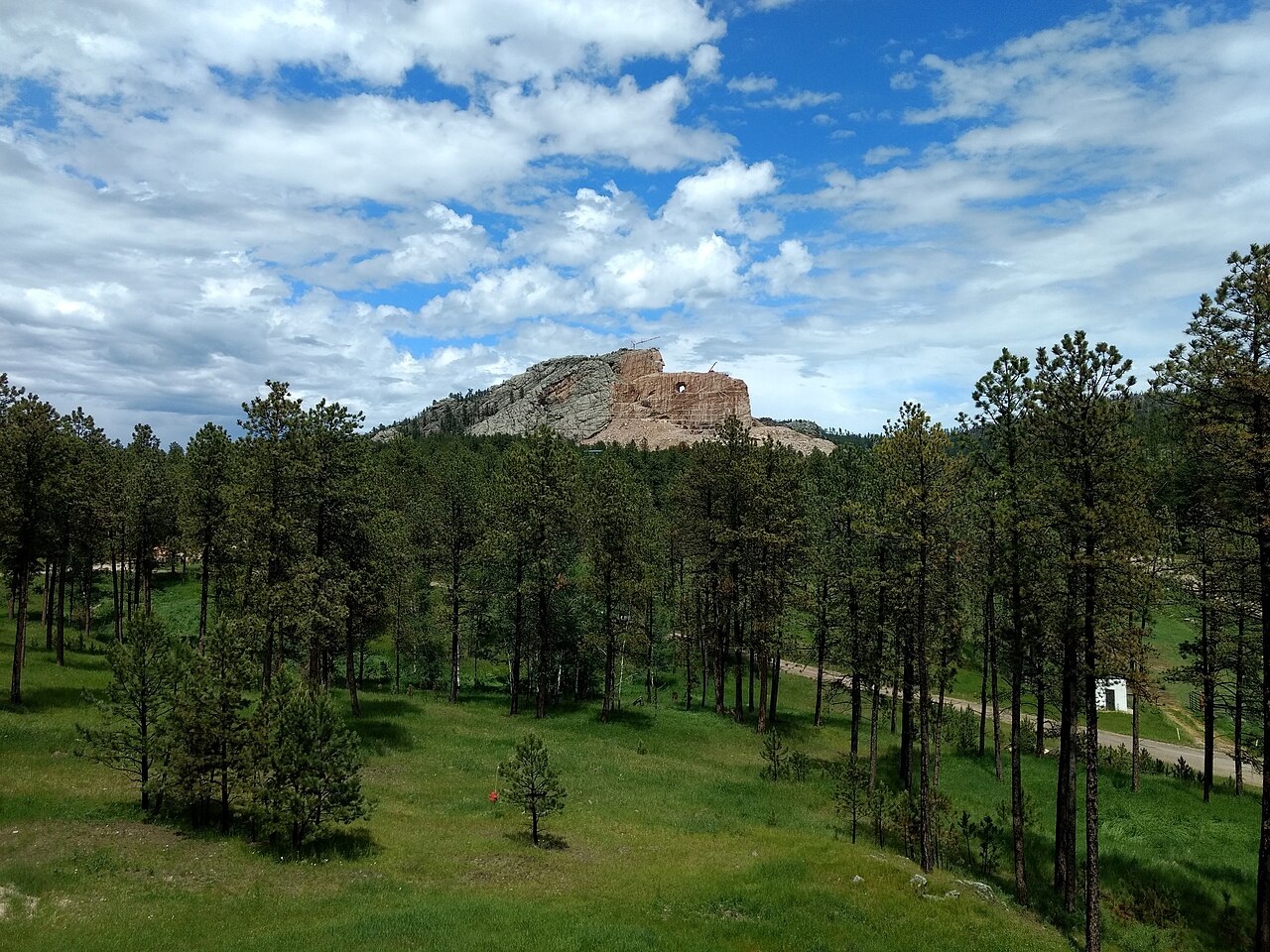
Crazy Horse Memorial
Korczak Ziolkowski · 1948–ongoing
 Document
Primary source
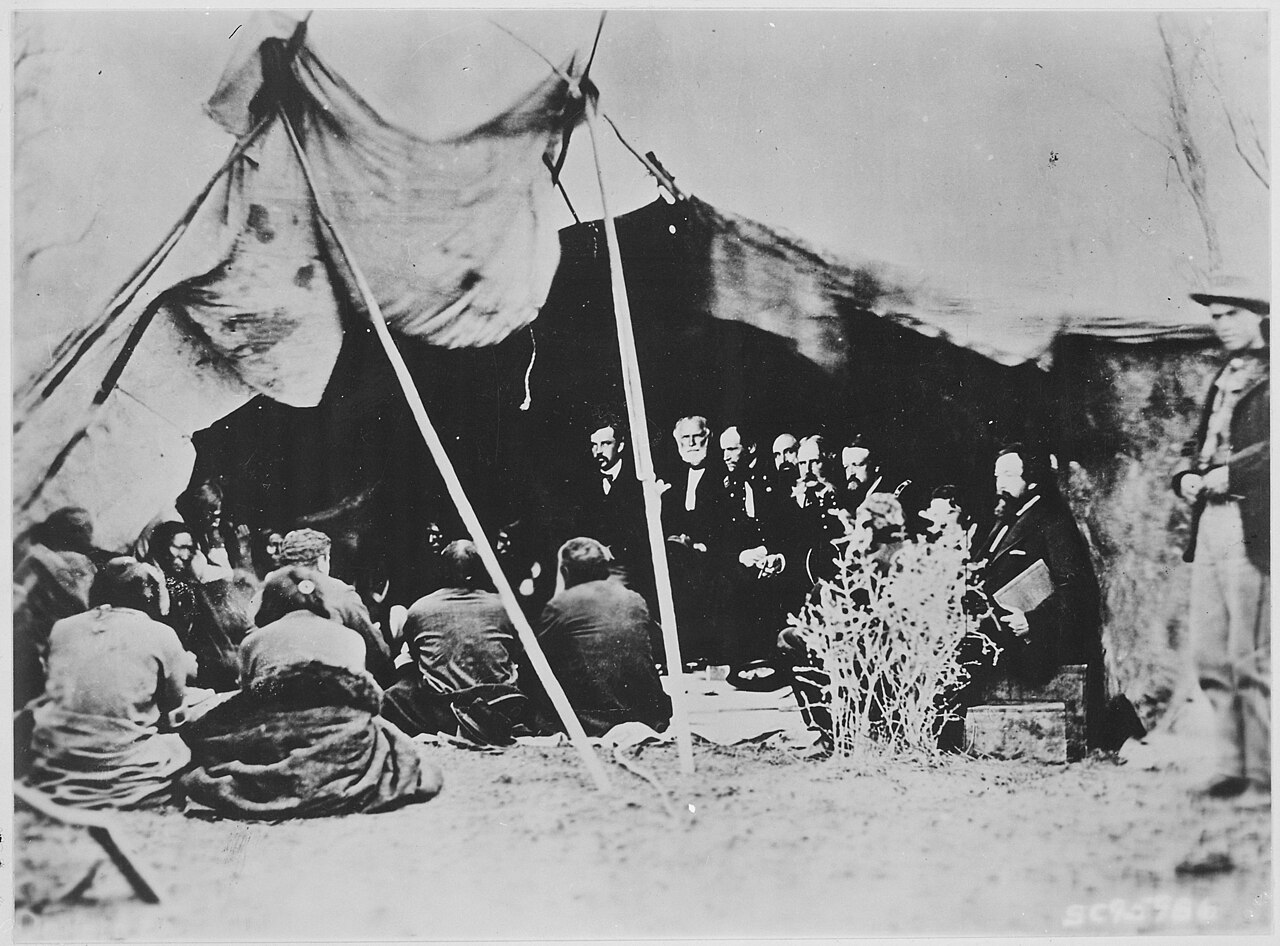
Treaty of Fort Laramie
1868
Ready when you are
Start chatting with Crazy Horse now.
20 messages free · No credit card · Available in 50+ languages.