


Primary sourceArtifact1791
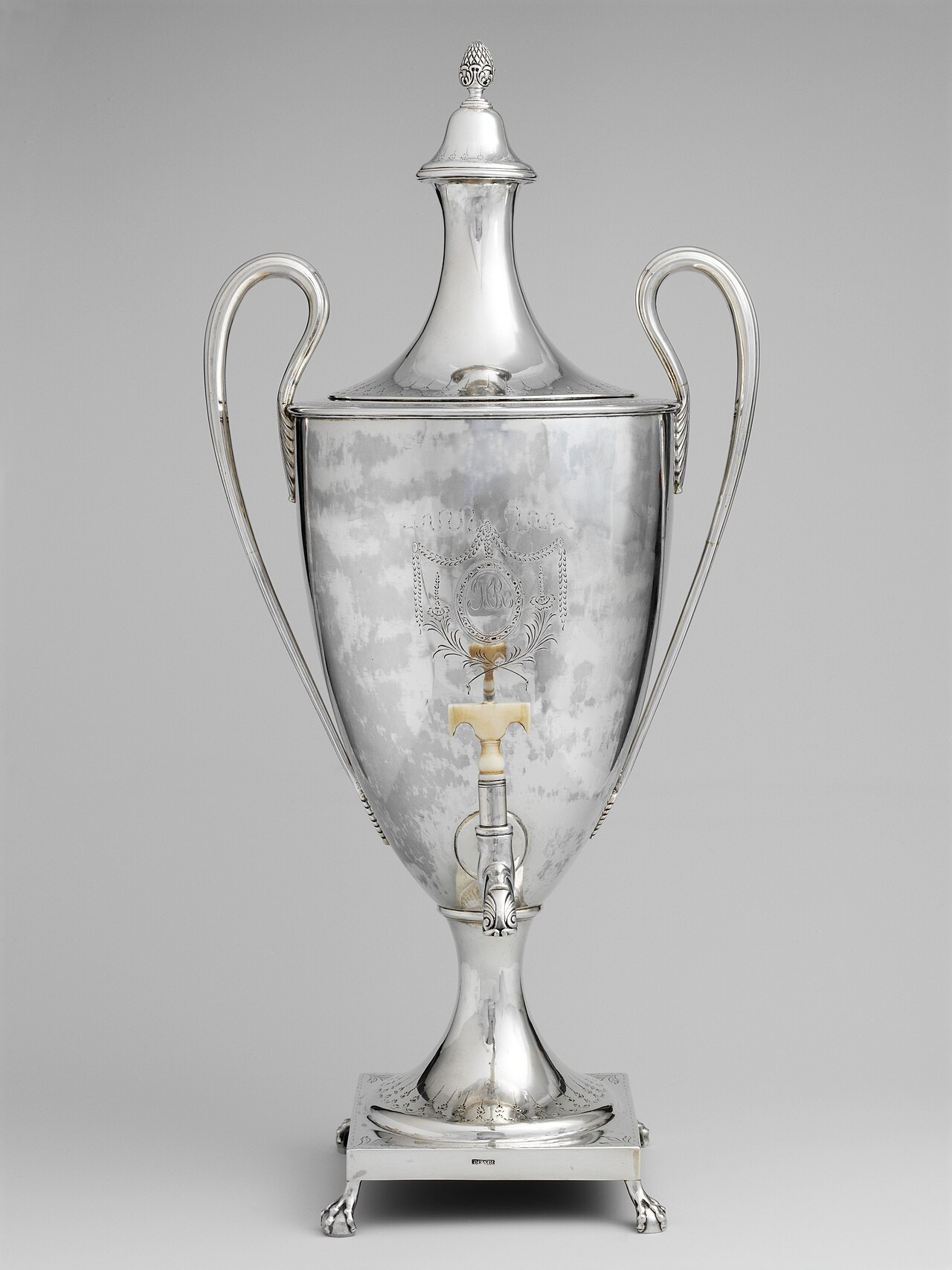
Tea Urn
Paul Revere · 1791
A silver tea urn made by Paul Revere in 1791, showing his postwar work as a silversmith for wealthy Boston clients.
Revere crafted this urn, showing his postwar career as a master silversmith serving elite Boston society.
About this source
What it is
This is a silver tea urn made by Paul Revere in 1791, now held by the Metropolitan Museum of Art. It is crafted in the neoclassical Federal style popular in the early United States.
The urn has a domed lid topped with a pineapple-shaped finial, scroll handles, a footed square base with claw feet, an ivory spigot, and engraved decoration with a central monogram.
Why it matters
After the Revolution, Revere returned to his trade as a silversmith, producing fine objects like this urn for wealthy clients in the new nation. It shows a different side of his life—not as a political activist or messenger, but as a skilled craftsman adapting to new fashions and a changing economy.
Look closer
- What details on the urn suggest it was made for a wealthy household?
- How does this object differ from the political images Revere made earlier in his career?
- What might owning such an object have said about its owner's social status?
This artifact is part of the curated material that grounds the AI version of Paul Revere on Humy.ai — when students ask about related events, the AI can quote it and cite it.
More Paul Revere sources
Meet the AI Paul Revere →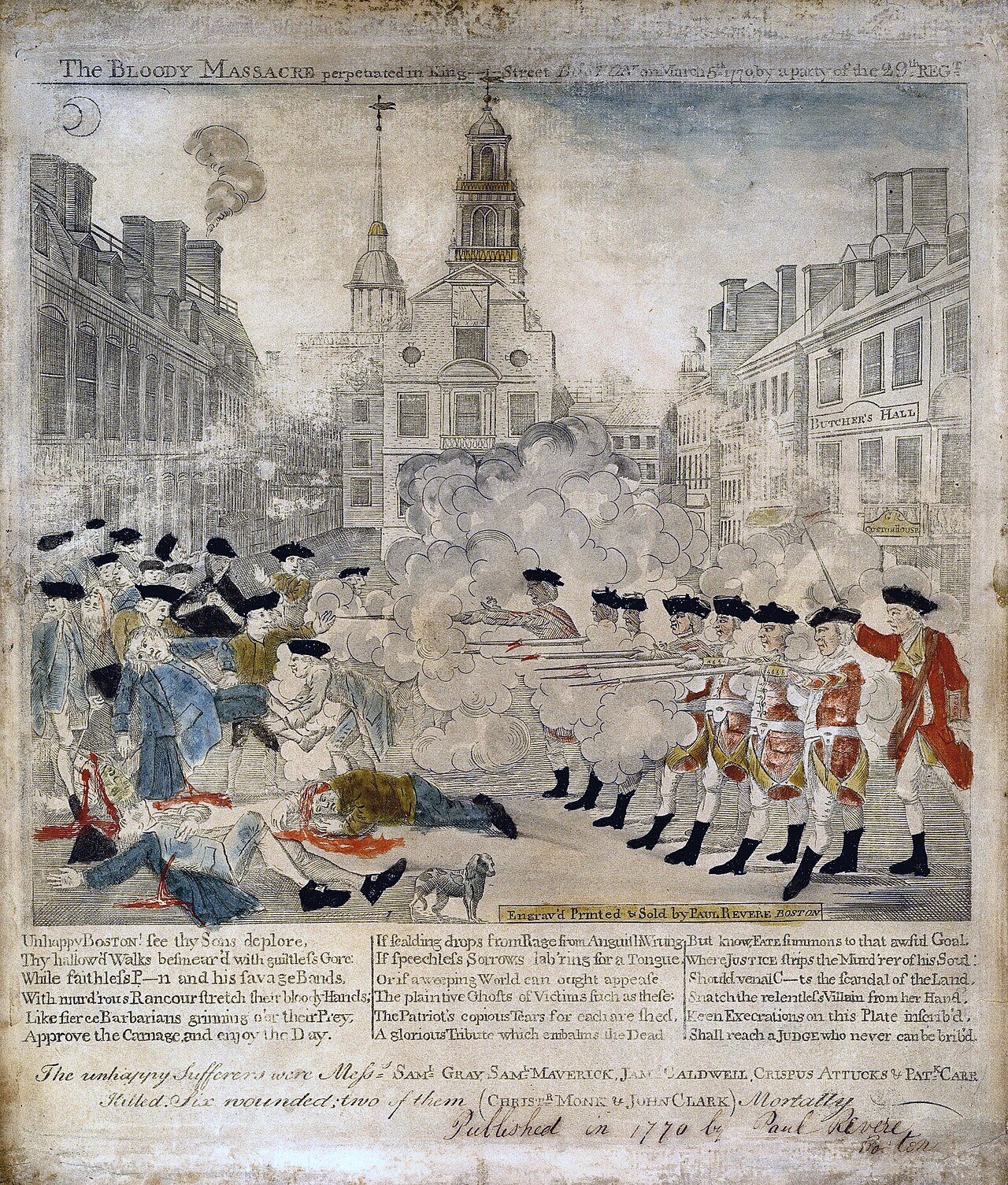 Painting
Primary source
The Bloody Massacre
Paul Revere · 1770
 Painting
Primary source
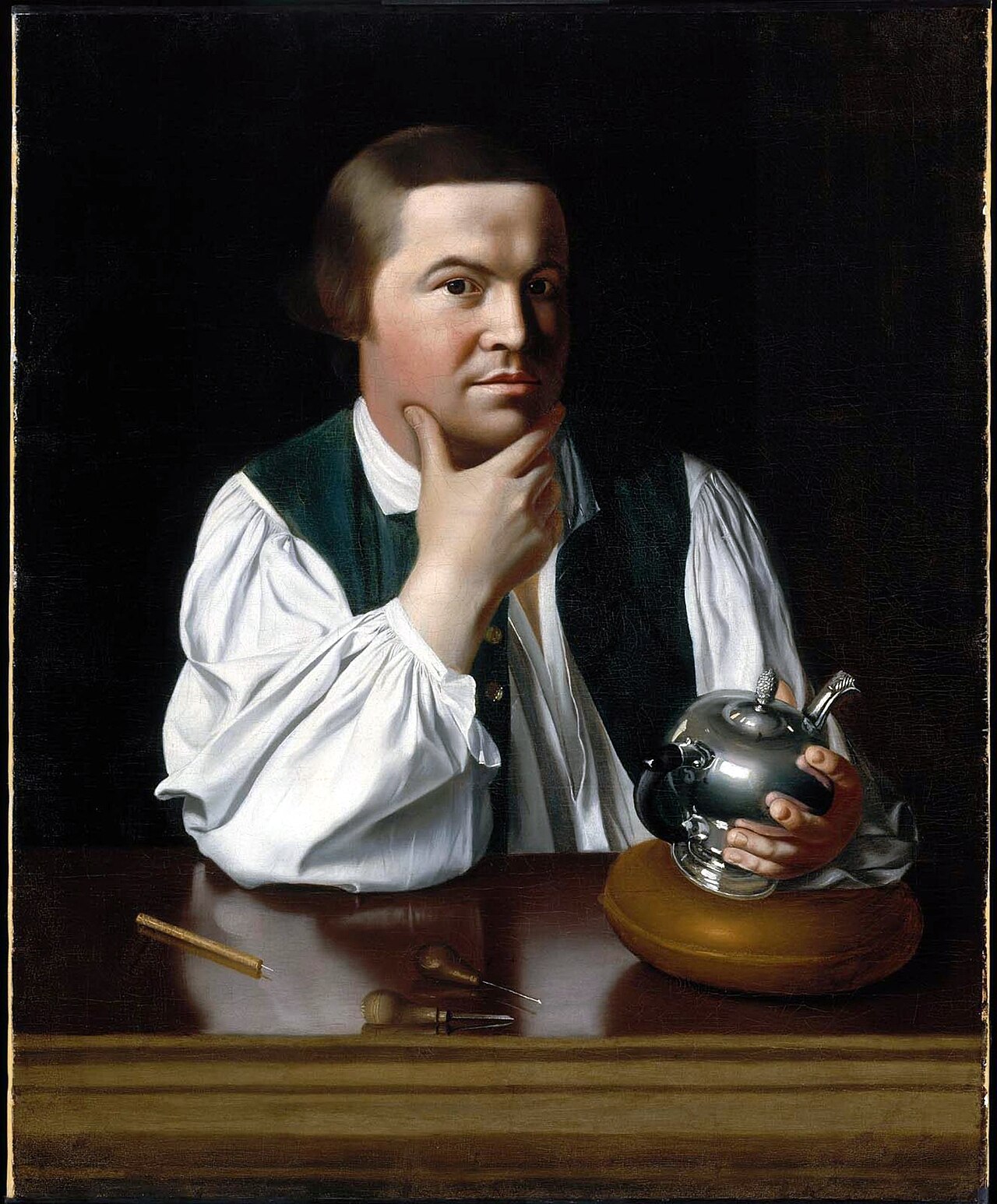
Portrait of Paul Revere
John Singleton Copley · 1768
 Artifact
Primary source
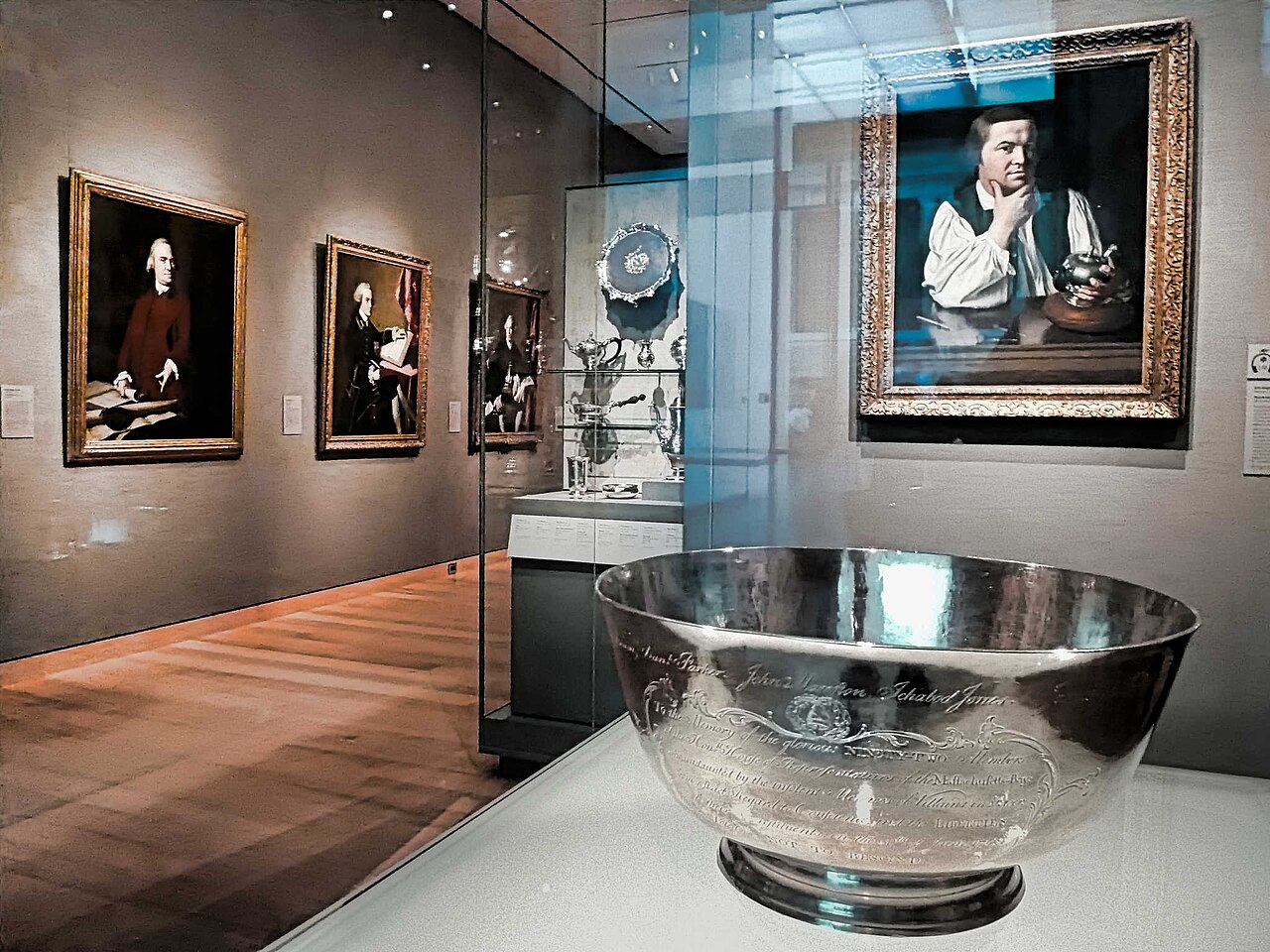
Sons of Liberty Bowl
Paul Revere · 1768
 Book
Secondary source
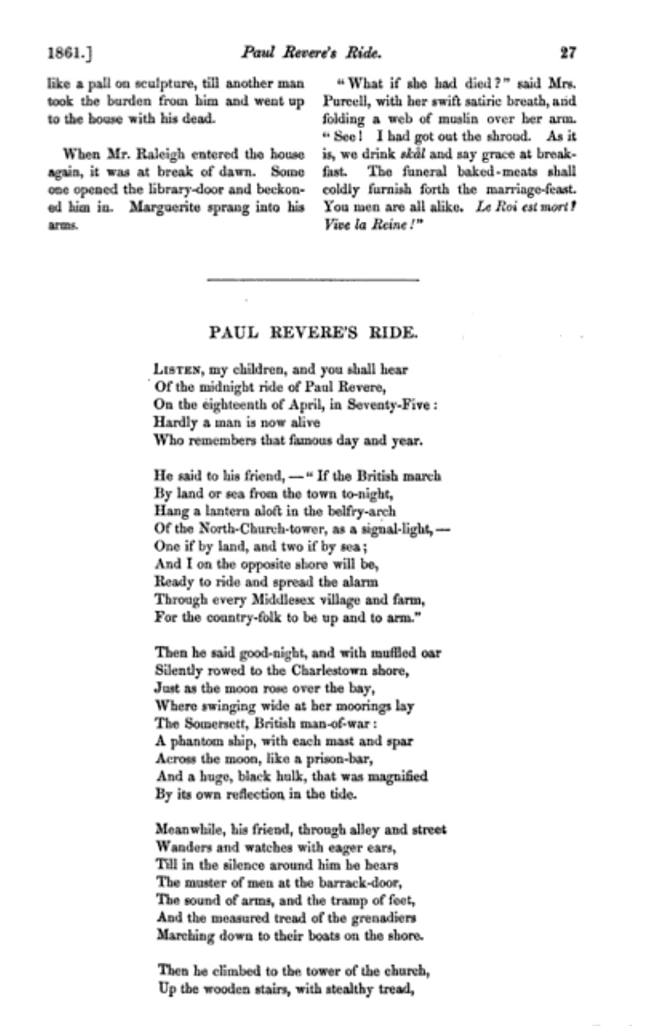
Paul Revere's Ride
Henry Wadsworth Longfellow · 1860
 Artifact
Primary source
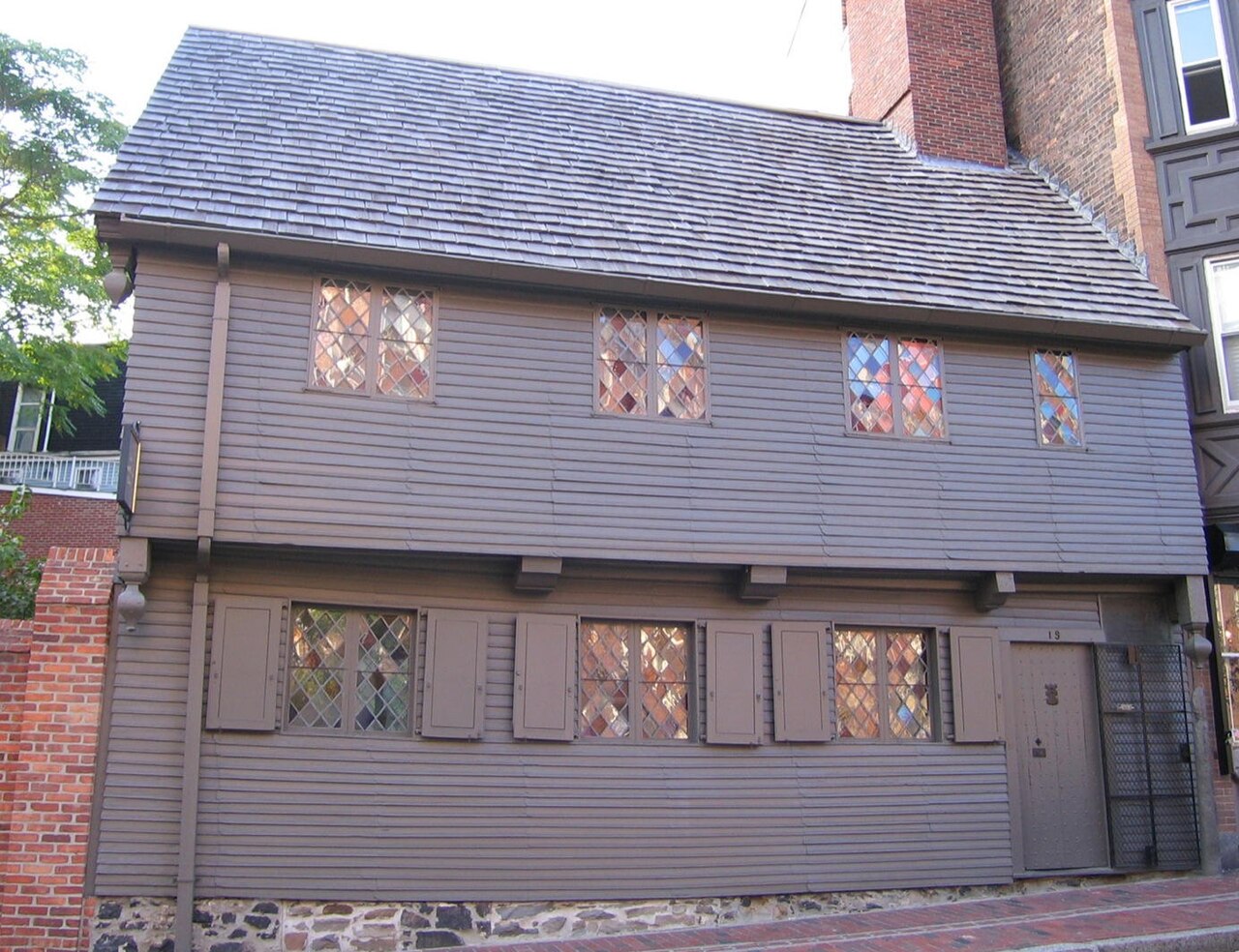
Paul Revere House
c. 1680
Ready when you are
Start chatting with Paul Revere now.
20 messages free · No credit card · Available in 50+ languages.