


Primary sourcePainting1834
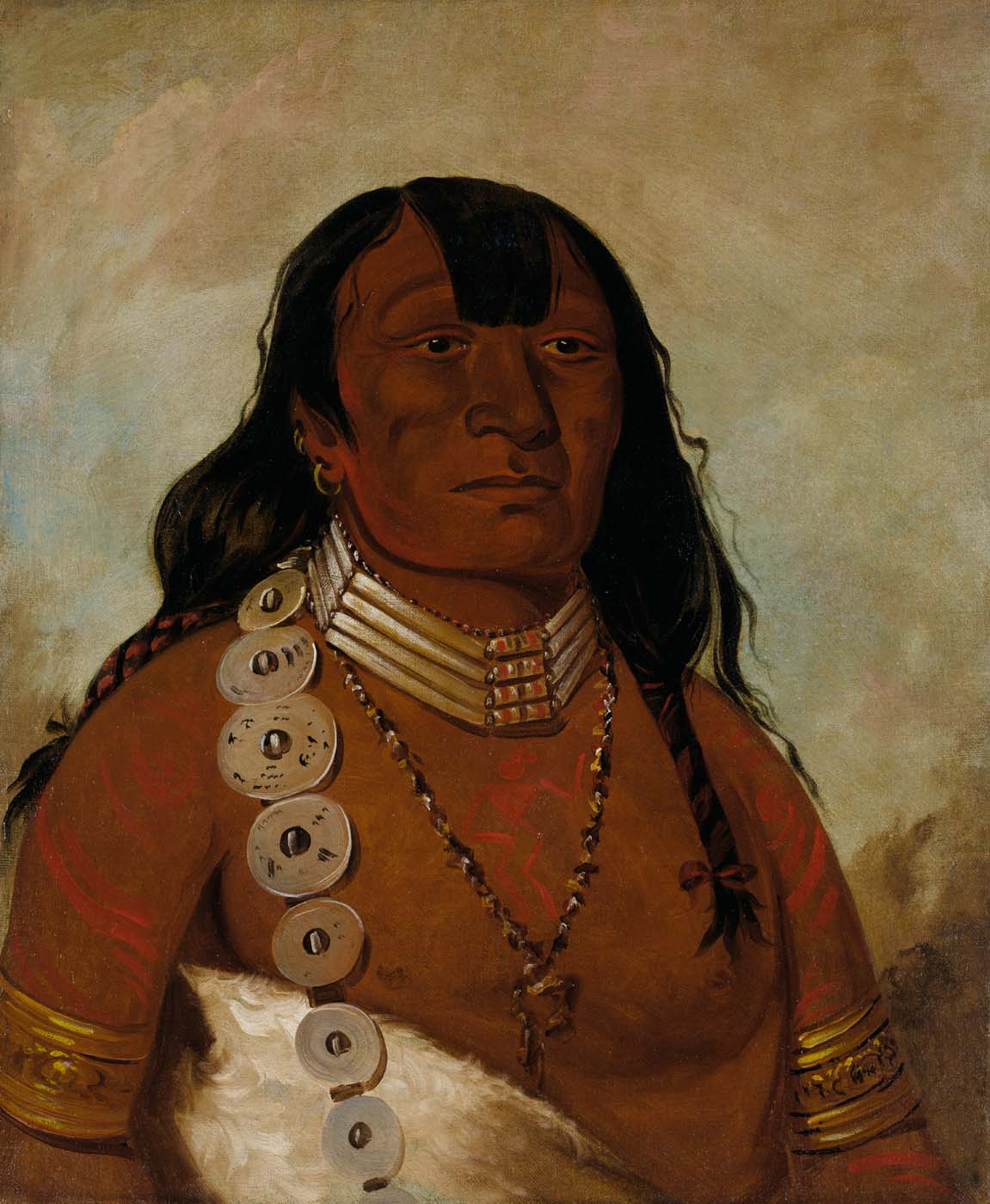
Téh-tóot-sah, First Chief
George Catlin · 1834
Catlin's 1834 portrait of the Kiowa principal chief Téh-tóot-sah, also known as Little Bluff, painted during a military expedition.
Painted by Catlin during the 1834 Dragoon expedition, part of his project to record Native American leaders.
About this source
What it is
This portrait by George Catlin depicts Téh-tóot-sah, also called Tohausen or Little Bluff, the principal chief of the Kiowa people. Catlin painted it in 1834 during the Dragoon expedition he accompanied. It is held by the Smithsonian American Art Museum.
Why it matters
This is an early painted likeness of a major Kiowa leader, made during a period of U.S. military contact with Plains peoples. Catlin's portraits like this one are often the only visual records historians have of specific Native American leaders from this era.
Look closer
- What details of dress and ornament does Catlin include, and what might they signal about the chief's status?
- Why would a U.S. military expedition have an artist like Catlin along?
- What can and can't we learn about Téh-tóot-sah as a person from a single painted portrait?
This painting is part of the curated material that grounds the AI version of George Catlin on Humy.ai — when students ask about related events, the AI can quote it and cite it.
More George Catlin sources
Meet the AI George Catlin →Secondary source
Letters and Notes on the Manners, Customs, and Condition of the North American Indians
George Catlin · 1841
 Painting
Primary source
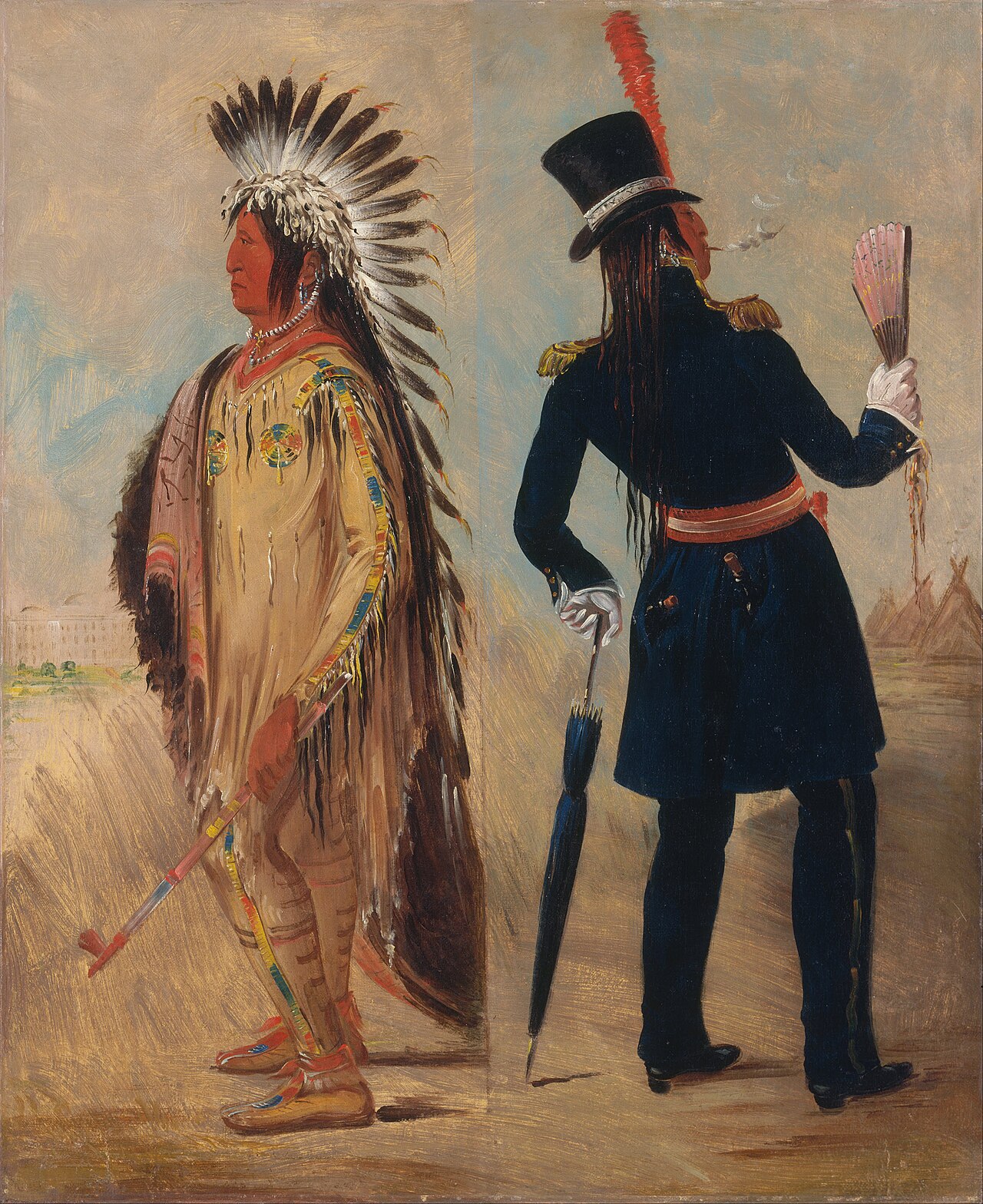
Wi-jún-jon, Pigeon's Egg Head, Going To and Returning From Washington
George Catlin · 1837
 Painting
Primary source
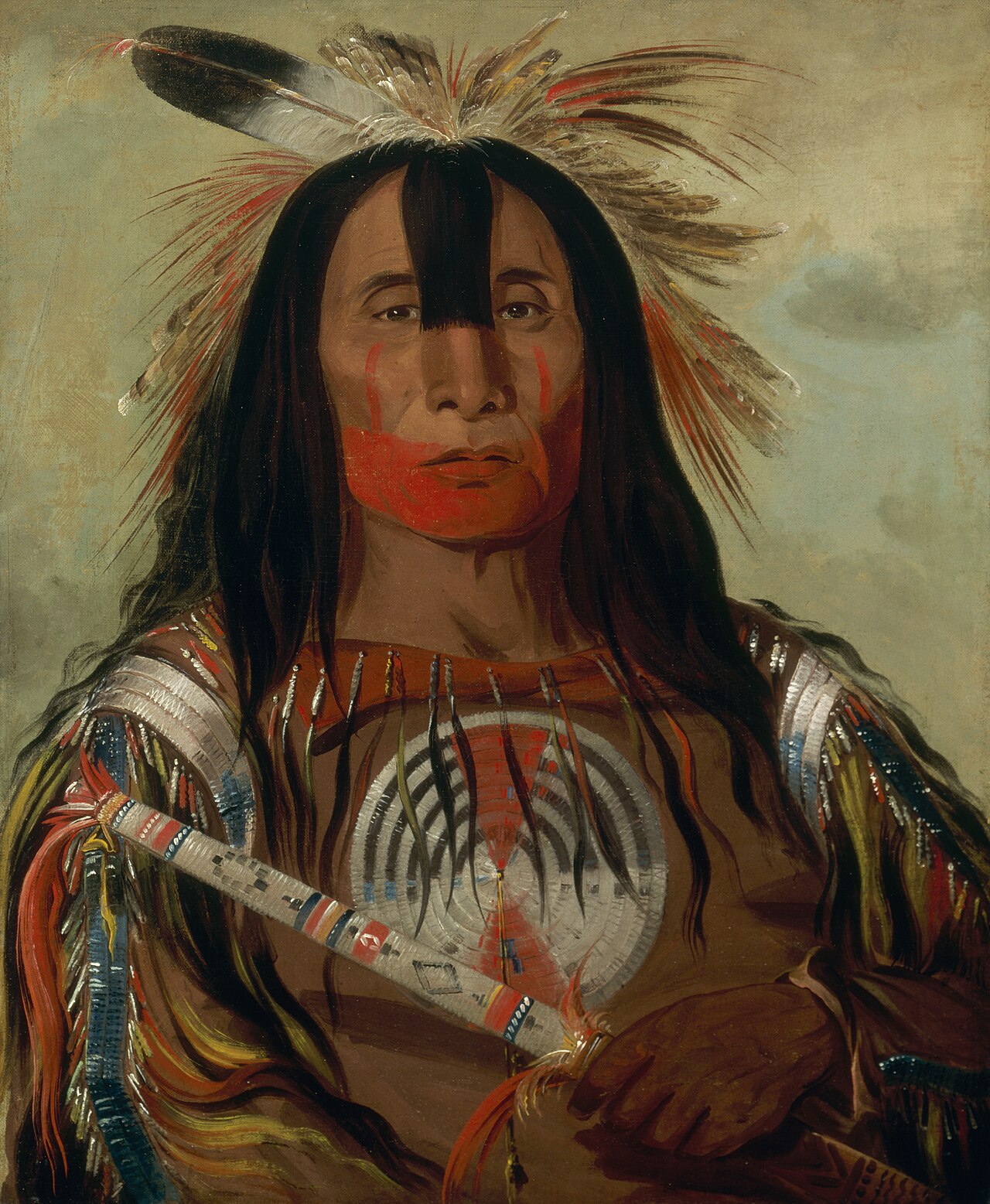
Stu-mick-o-súcks, Buffalo Bull's Back Fat, Head Chief, Blood Tribe
George Catlin · 1832
 Painting
Primary source
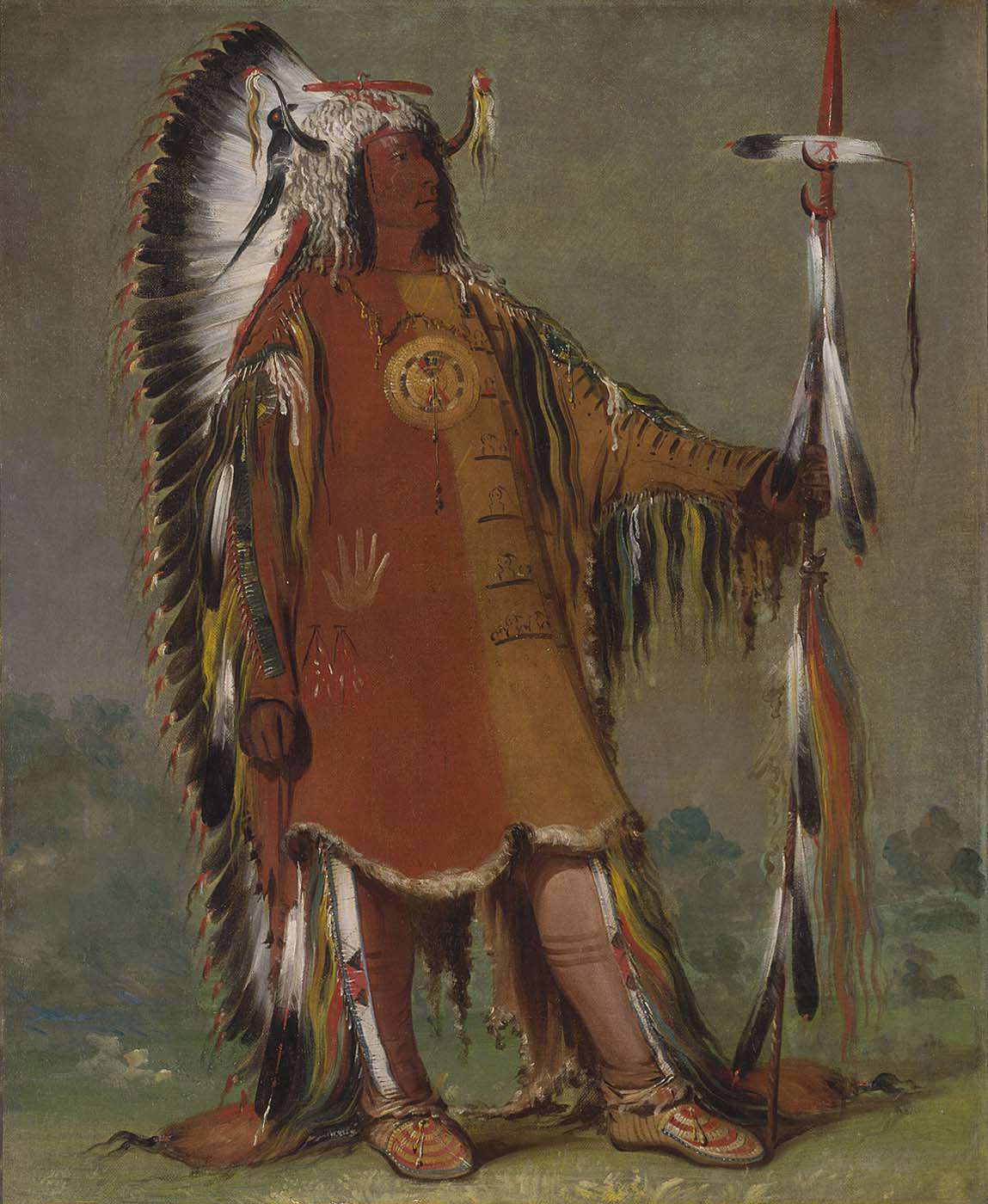
Máh-to-tóh-pa, Four Bears, Second Chief, in Full Dress
George Catlin · 1832
 Painting
Primary source
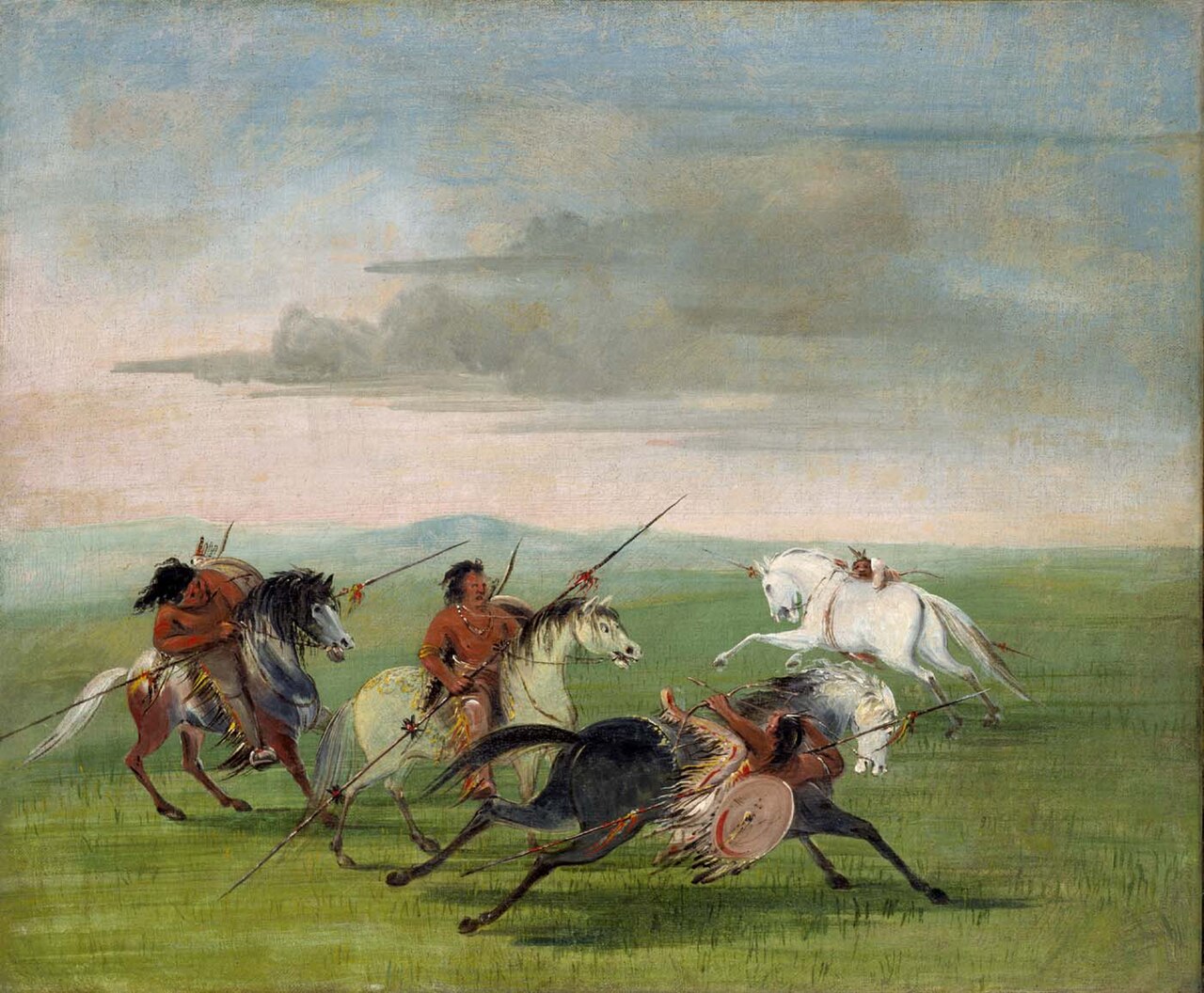
Comanche Feats of Horsemanship
George Catlin · 1834
Ready when you are
Start chatting with George Catlin now.
20 messages free · No credit card · Available in 50+ languages.