


Secondary sourceArtifact6th century BCE
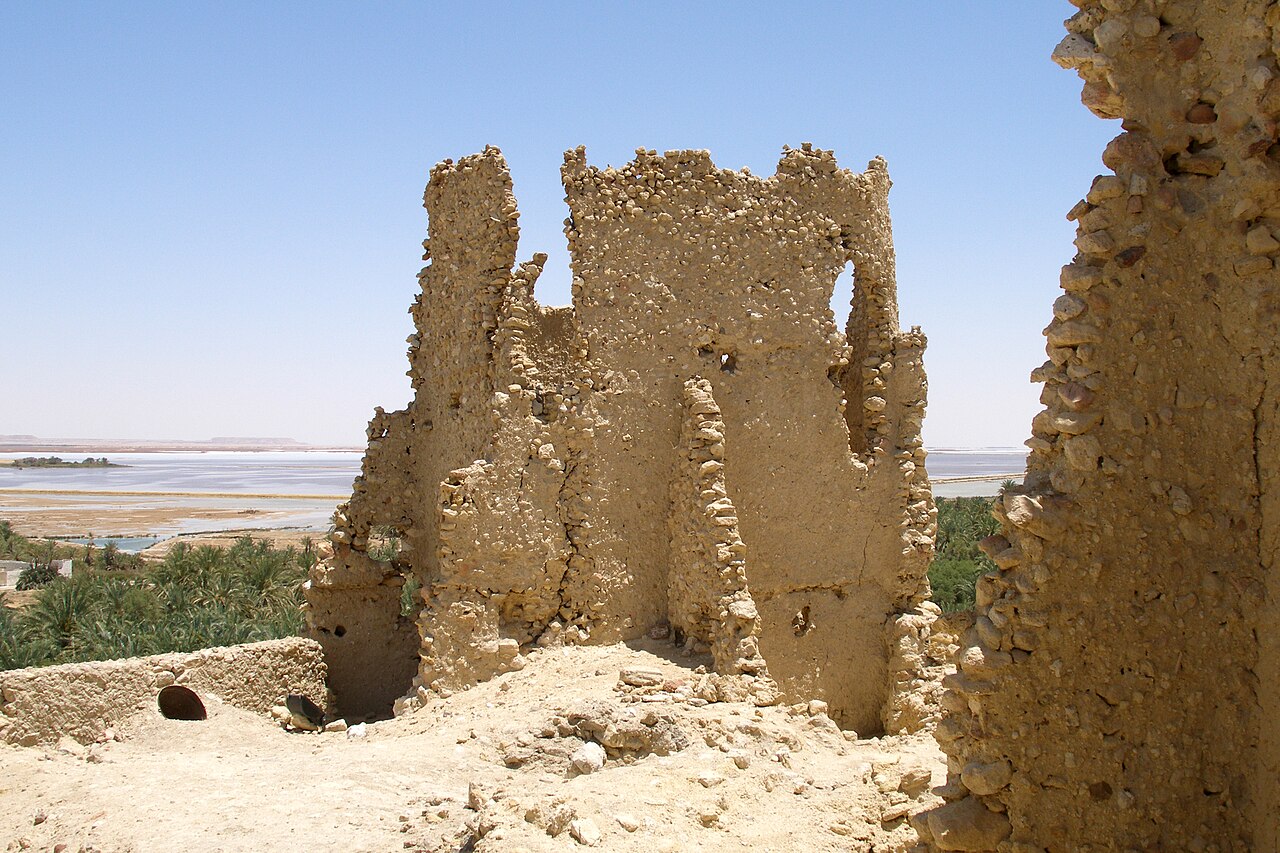
Temple of the Oracle of Amun, Siwa
6th century BCE
An ancient Egyptian temple in the Siwa Oasis where Alexander reportedly consulted the oracle and was greeted as the son of Zeus-Ammon.
The oracle Alexander consulted in 331 BCE, where he was reportedly hailed as son of Zeus-Ammon, shaping his divine self-image.
About this source
What it is
The Temple of the Oracle of Amun stands in the Siwa Oasis in Egypt, built during the 26th Dynasty, centuries before Alexander's lifetime. It was dedicated to the god Amun, whom the Greeks associated with Zeus.
Why it matters
In 331 BC Alexander the Great made a difficult journey through the desert to consult this oracle. According to ancient accounts, he was greeted there as the son of Zeus-Ammon, an episode that became important to his growing sense of divine status. This visit marks a turning point in how Alexander presented himself as a ruler, blending Greek and Egyptian religious ideas.
Look closer
- Why might Alexander have wanted confirmation of divine parentage from an Egyptian oracle rather than a Greek one?
- What does the site's remote, ruined state tell us about how much has been lost from this period?
- How reliable are ancient reports of what happened inside the oracle, since no written record from the event itself survives?
This artifact is part of the curated material that grounds the AI version of Alexander the Great on Humy.ai — when students ask about related events, the AI can quote it and cite it.
More Alexander the Great sources
Meet the AI Alexander the Great →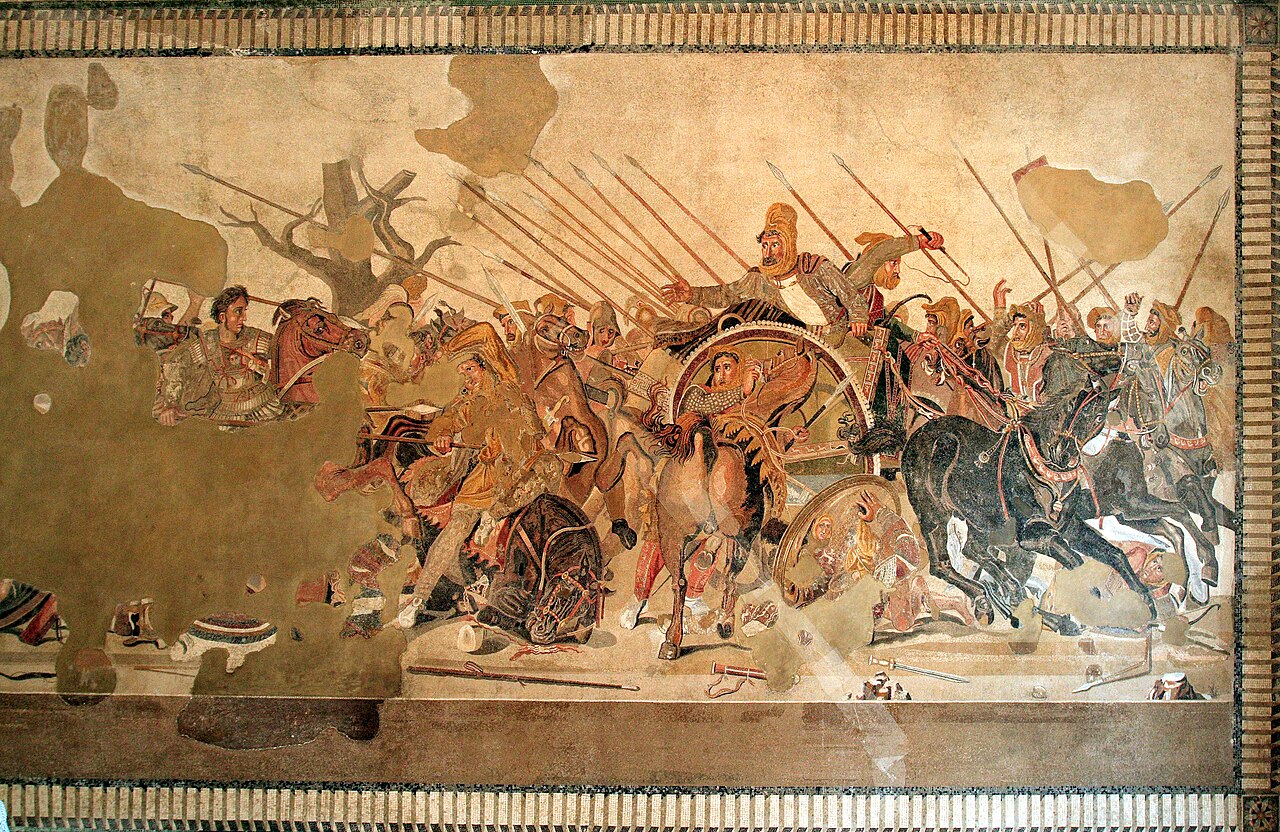 Artifact
Secondary source
Alexander Mosaic
Philoxenus of Eretria · c. 120-100 BCE (copy of an earlier Hellenistic painting)
 Painting
Secondary source
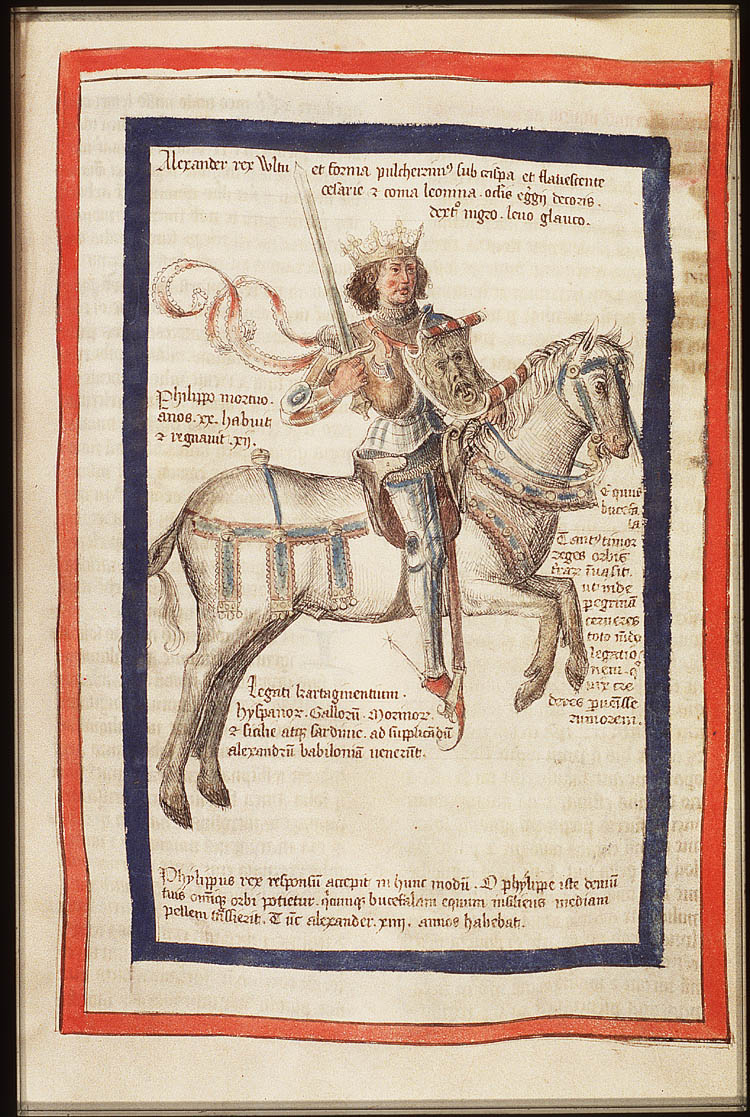
Alexander the Great riding Bucephalus
1460
 Artifact
Primary source
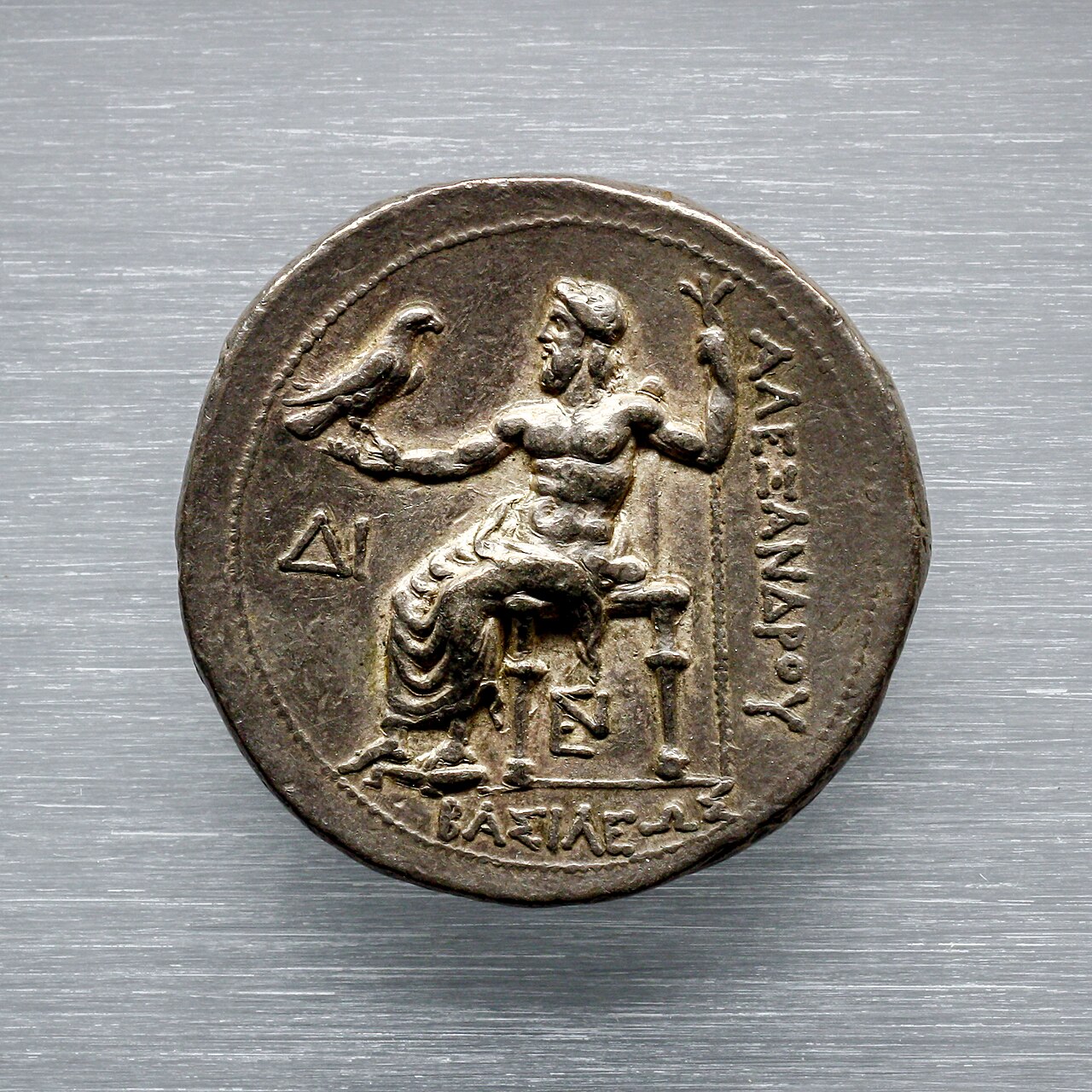
Silver Tetradrachm of Alexander the Great
Royal mints of Alexander III · c. 336-323 BCE
 Painting
Secondary source
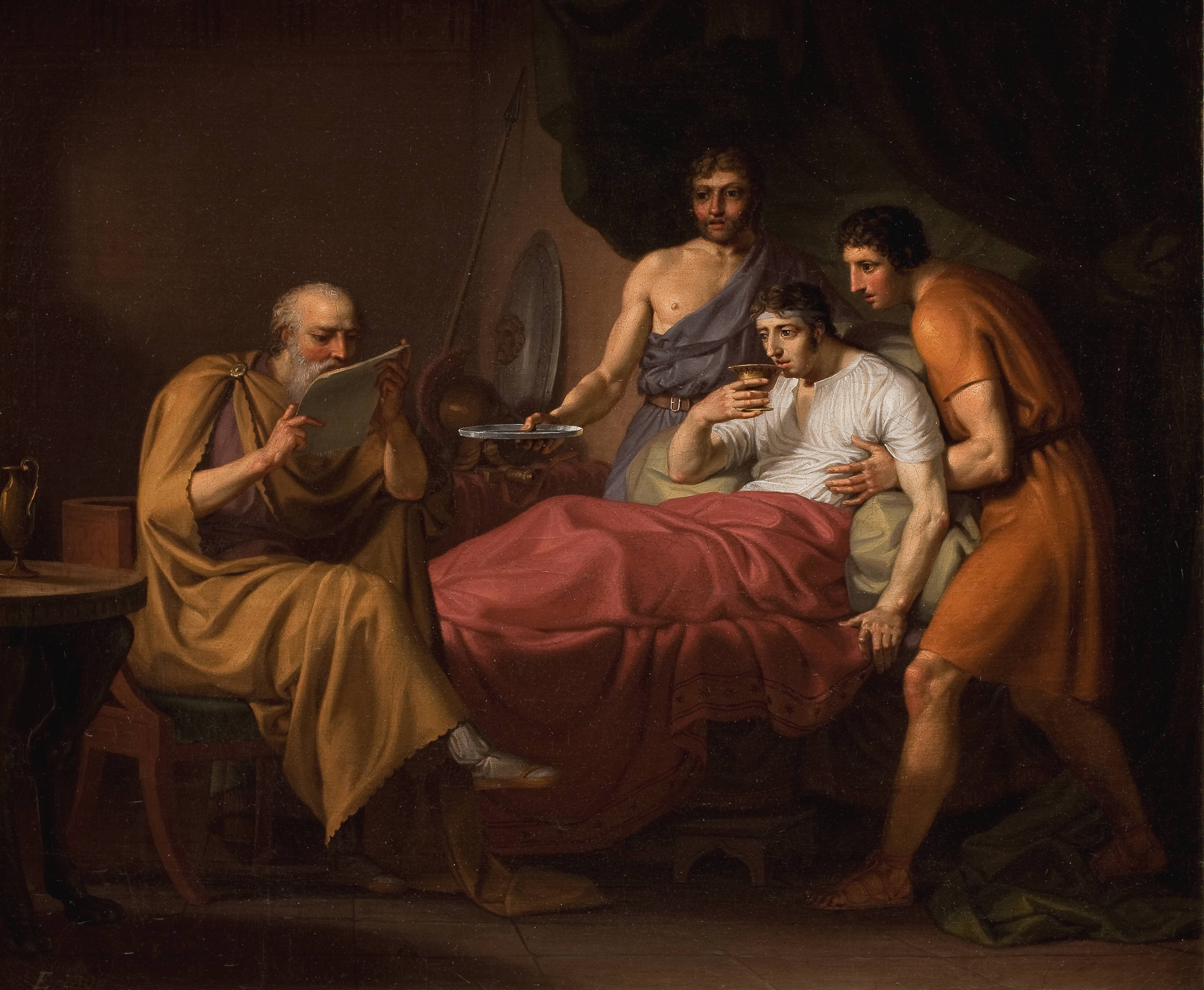
Alexander the Great on his Sickbed
1806
 Book
Secondary source
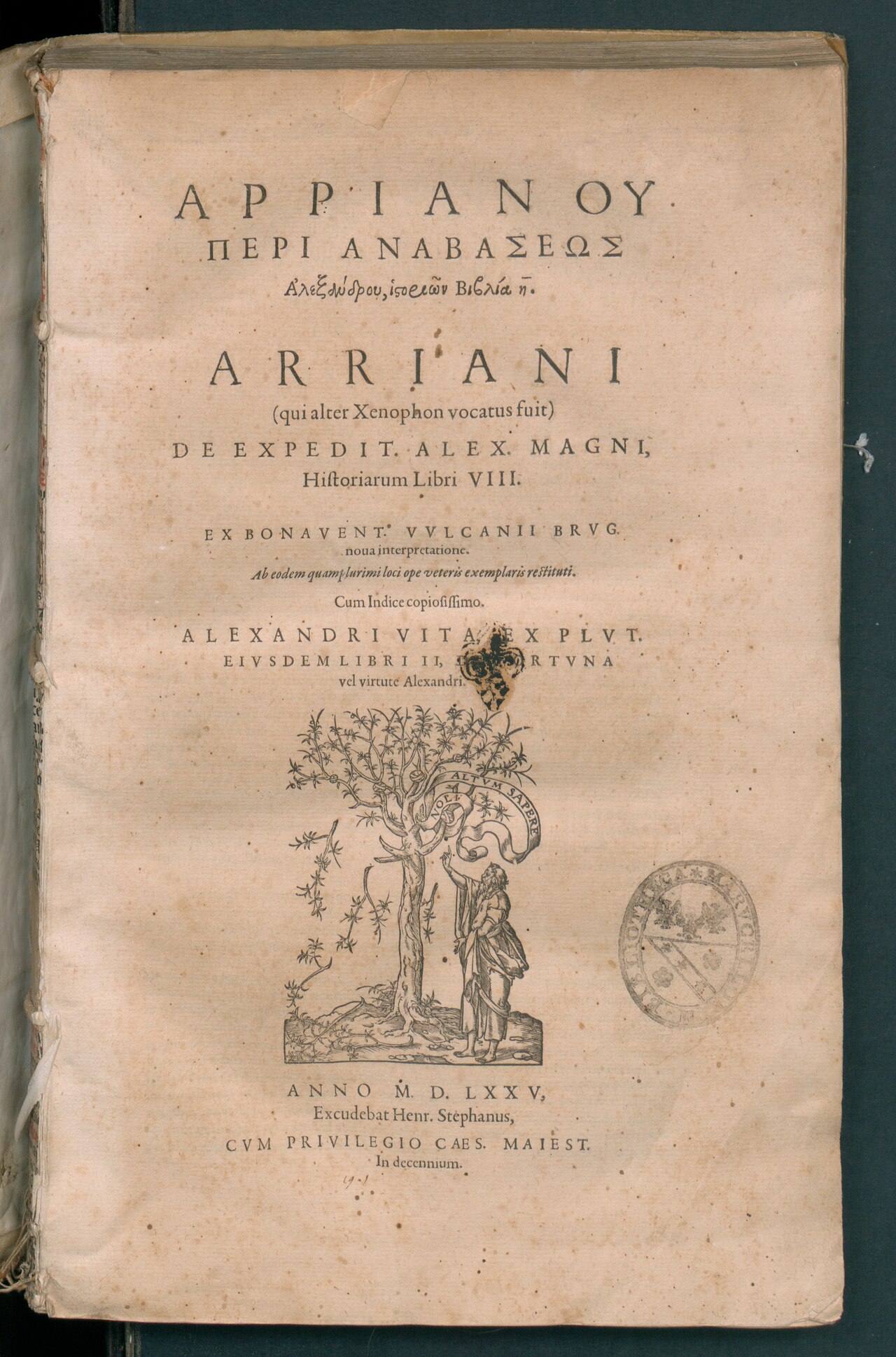
Anabasis of Alexander
Arrian · c. 150 AD
Ready when you are
Start chatting with Alexander the Great now.
20 messages free · No credit card · Available in 50+ languages.