


Primary sourceArtifactca. 325–319 BCE
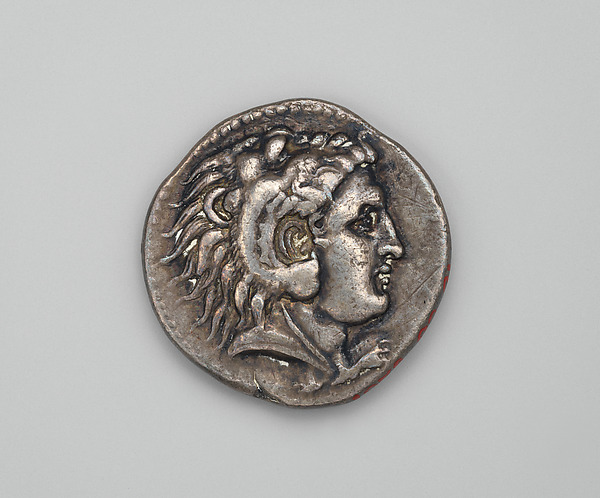
Tetradrachm of Alexander the Great (Seleucid Issue, c. 325-319 BCE)
ca. 325–319 BCE
A silver coin struck soon after Alexander's death, bearing his portrait, part of coinage issued in his name by his successors.
A coin struck shortly after Alexander's death bearing his portrait, showing how his image was used to claim his legacy.
About this source
What it is
This silver tetradrachm was struck by the Seleucid dynasty around 325-319 BCE, shortly after Alexander the Great's death. It shows a portrait of a helmeted figure wearing a lion-skin headdress, identified with Alexander. The coin is held at The Metropolitan Museum of Art.
Why it matters
After Alexander died, his generals and successors, including the Seleucids, continued to issue coins bearing his image to claim legitimacy and connect themselves to his power and legacy. This coin is a primary source made very close to his lifetime, showing how his image was used as a political tool.
Look closer
- Why might rulers after Alexander's death want to keep minting coins with his face on them?
- What does the lion-skin headdress suggest about how Alexander wanted to be seen or was remembered?
- How might a coin's small, repeated image spread an idea of a ruler more widely than a painting or statue?
This artifact is part of the curated material that grounds the AI version of Alexander the Great on Humy.ai — when students ask about related events, the AI can quote it and cite it.
More Alexander the Great sources
Meet the AI Alexander the Great →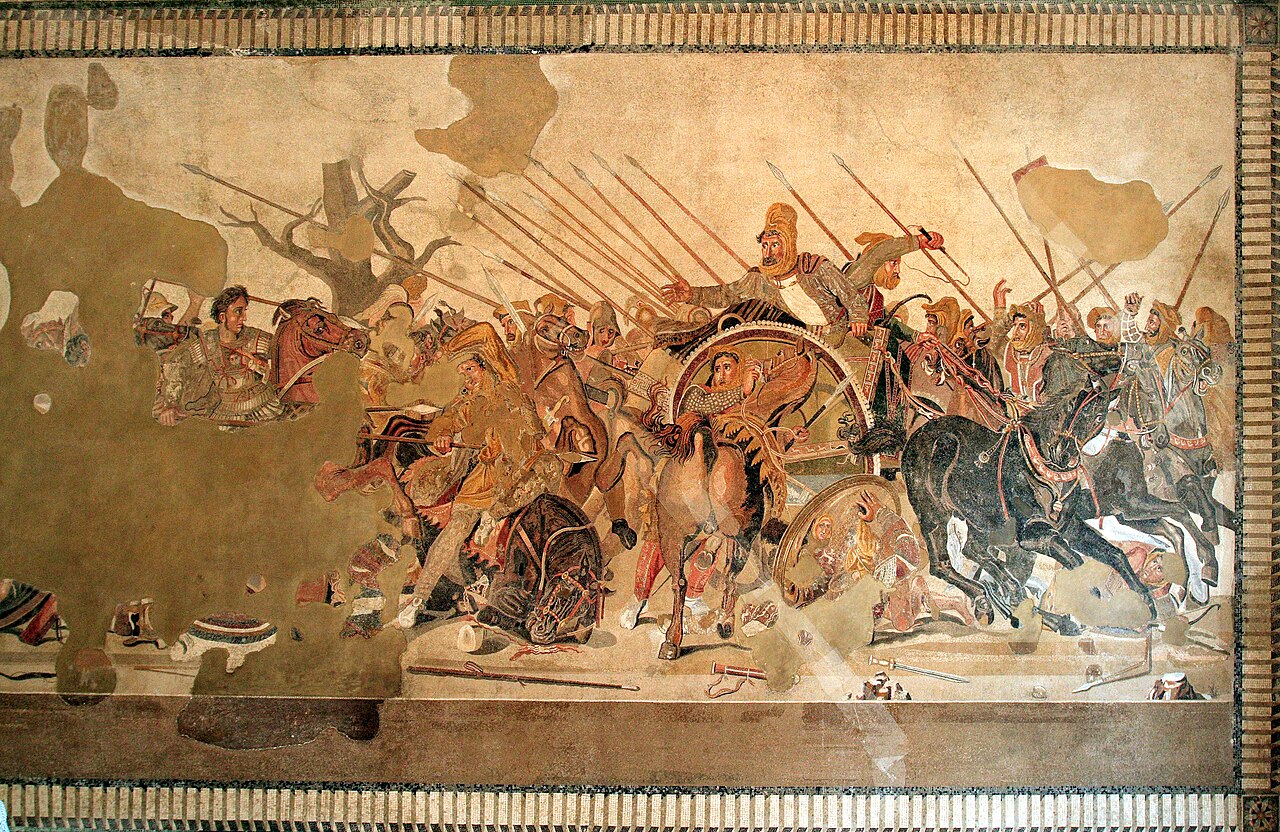 Artifact
Secondary source
Alexander Mosaic
Philoxenus of Eretria · c. 120-100 BCE (copy of an earlier Hellenistic painting)
 Painting
Secondary source
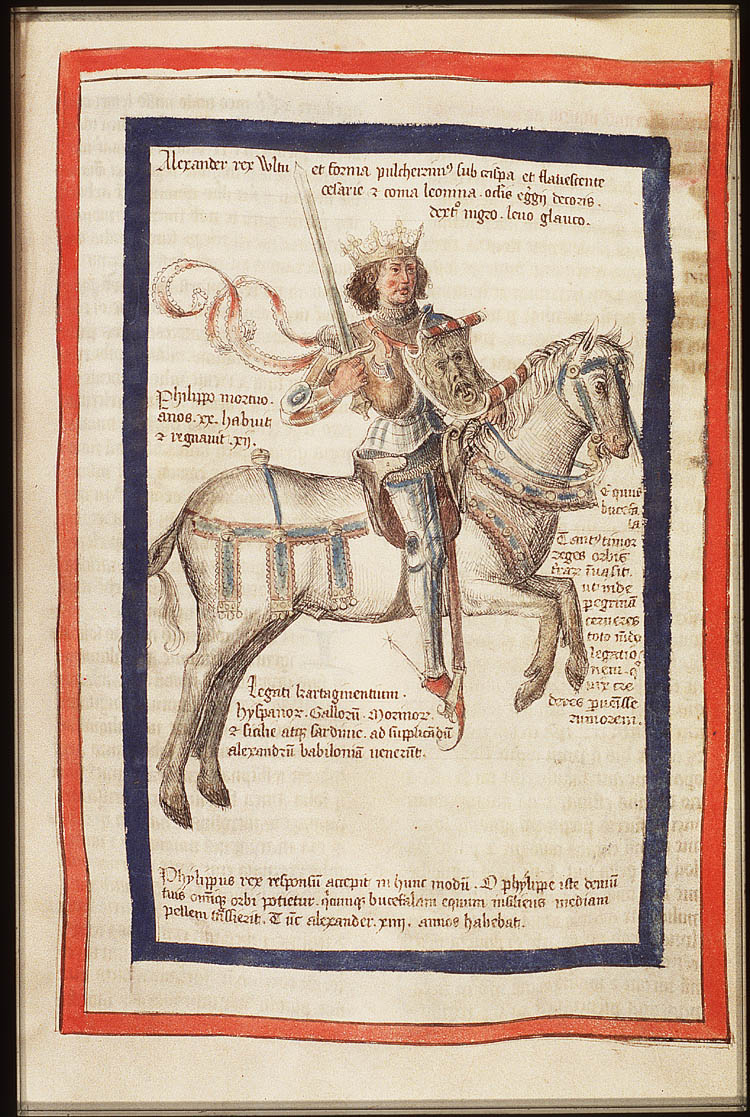
Alexander the Great riding Bucephalus
1460
 Artifact
Primary source
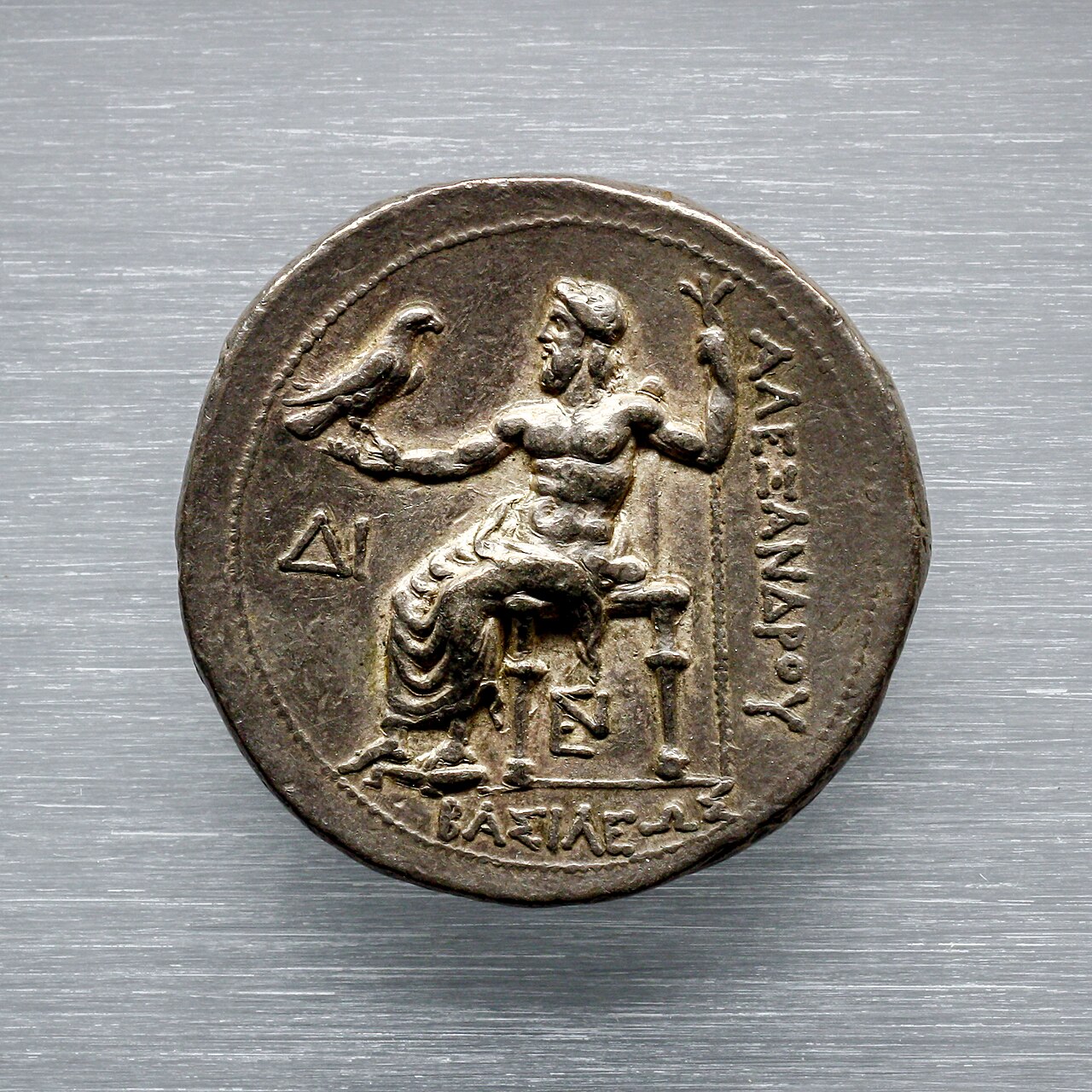
Silver Tetradrachm of Alexander the Great
Royal mints of Alexander III · c. 336-323 BCE
 Painting
Secondary source
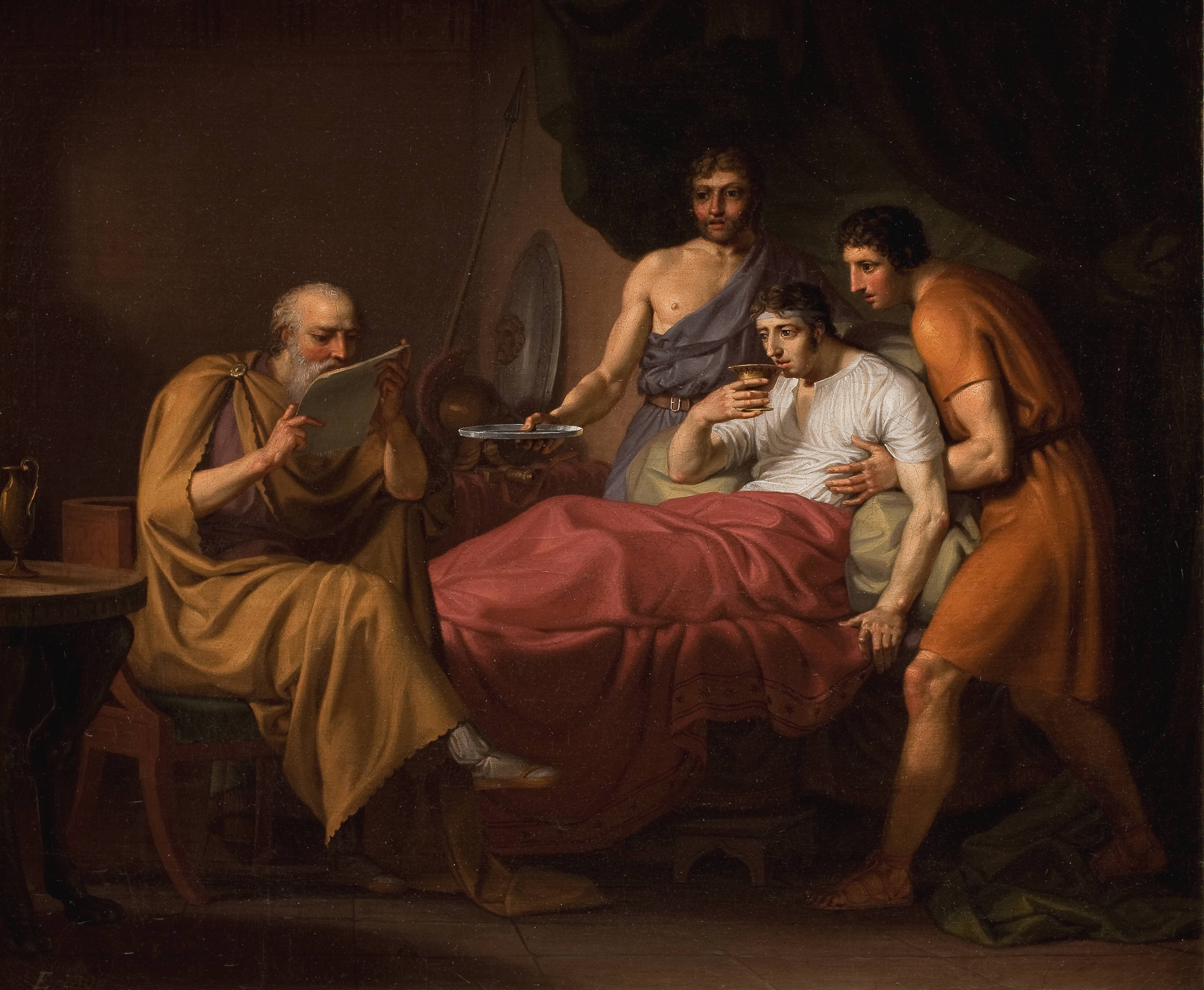
Alexander the Great on his Sickbed
1806
 Book
Secondary source
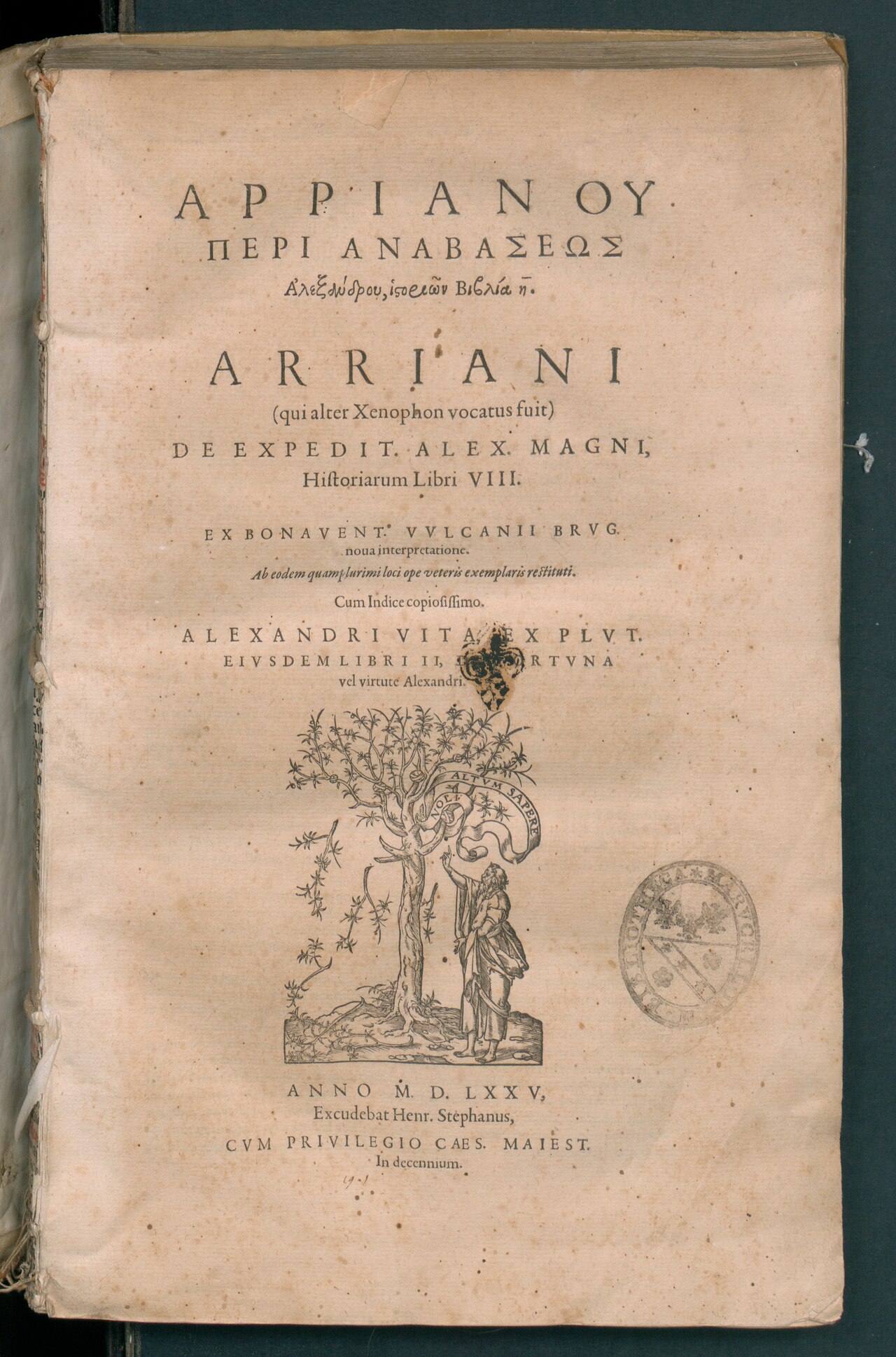
Anabasis of Alexander
Arrian · c. 150 AD
Ready when you are
Start chatting with Alexander the Great now.
20 messages free · No credit card · Available in 50+ languages.