


Primary sourceArtifact215-216 AD
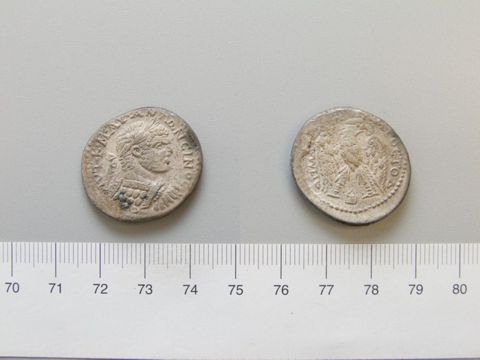
Tetradrachm of Caracalla from Edessa
215-216 AD
A silver coin struck in Caracalla's name at Edessa in Mesopotamia, where he wintered during his Parthian campaign.
A coin minted in Caracalla's name during his eastern campaign, showing his imperial authority in the provinces.
About this source
What it is
This silver tetradrachm was struck at Edessa in Mesopotamia in Caracalla's name. It is held at the Yale University Art Gallery and was excavated by the Yale-French team at Dura-Europos in Syria between 1928 and 1937.
Why it matters
Caracalla wintered at Edessa during his campaign against Parthia, the campaign during which he was killed. Coins like this one were used to pay soldiers and show imperial authority across the empire's eastern provinces, linking everyday currency to the emperor's military ambitions.
Look closer
- What can the portrait and inscription on the coin tell us about how Caracalla wanted to be seen?
- Why would an emperor need coins minted in a specific eastern city like Edessa?
- What does the find-site, Dura-Europos, suggest about how far Roman coins travelled?
This artifact is part of the curated material that grounds the AI version of Caracalla on Humy.ai — when students ask about related events, the AI can quote it and cite it.
More Caracalla sources
Browse all 81 →
Ready when you are
Start chatting with Caracalla now.
20 messages free · No credit card · Available in 50+ languages.