


Secondary sourceArtifactc. 320 BC or after
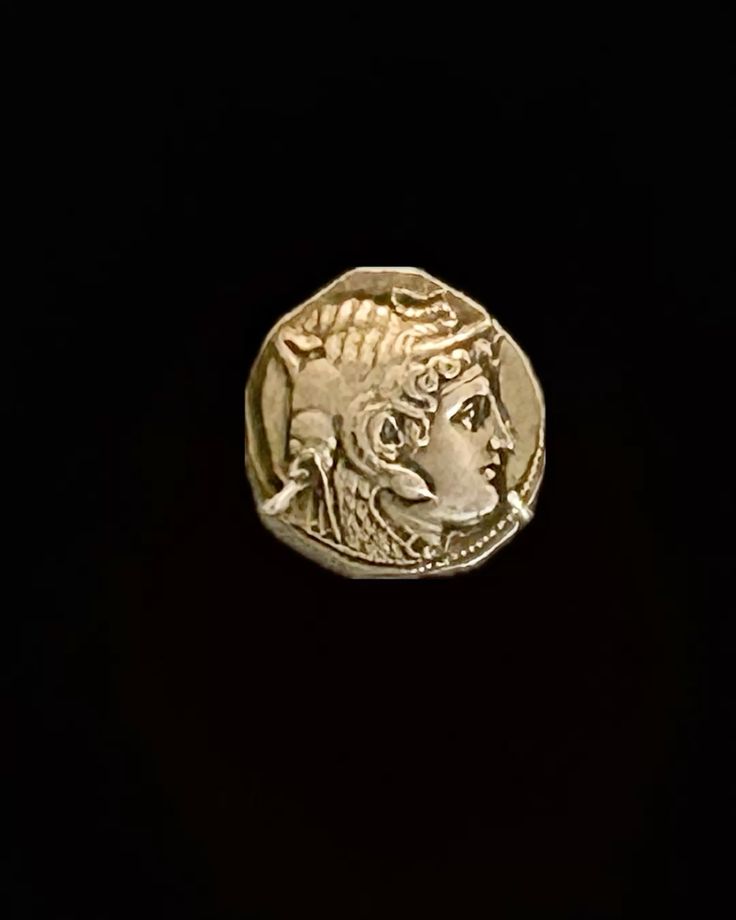
Tetradrachm of Ptolemy I showing Alexander the Great
c. 320 BC or after
A silver coin minted by Ptolemy I showing a posthumous portrait of Alexander wearing an elephant-scalp headdress.
This posthumous coin portrait shows how Alexander's successor Ptolemy I used his memory and image to legitimise his own rule.
About this source
What it is
This is a silver tetradrachm coin issued by Ptolemy I, one of Alexander's generals, around 320 BC or later. It is held at the Fitzwilliam Museum in Cambridge. The coin shows Alexander wearing an elephant-scalp cap and the horn of Ammon beneath his ear.
Why it matters
This portrait was made after Alexander's death, so it is not a true likeness but an image created for political reasons. The elephant headdress recalls Alexander's campaigns in India, while the ram's horn links him to the god Ammon. Ptolemy, who took control of Egypt after Alexander died, used these symbols on his coinage to connect his own rule to Alexander's legendary conquests.
Look closer
- Why would Ptolemy want Alexander's image on his own coins years after Alexander's death?
- What do the elephant cap and horn symbolise, and why combine them?
- How is this image different from a portrait made during Alexander's lifetime?
This artifact is part of the curated material that grounds the AI version of Alexander the Great on Humy.ai — when students ask about related events, the AI can quote it and cite it.
More Alexander the Great sources
Meet the AI Alexander the Great →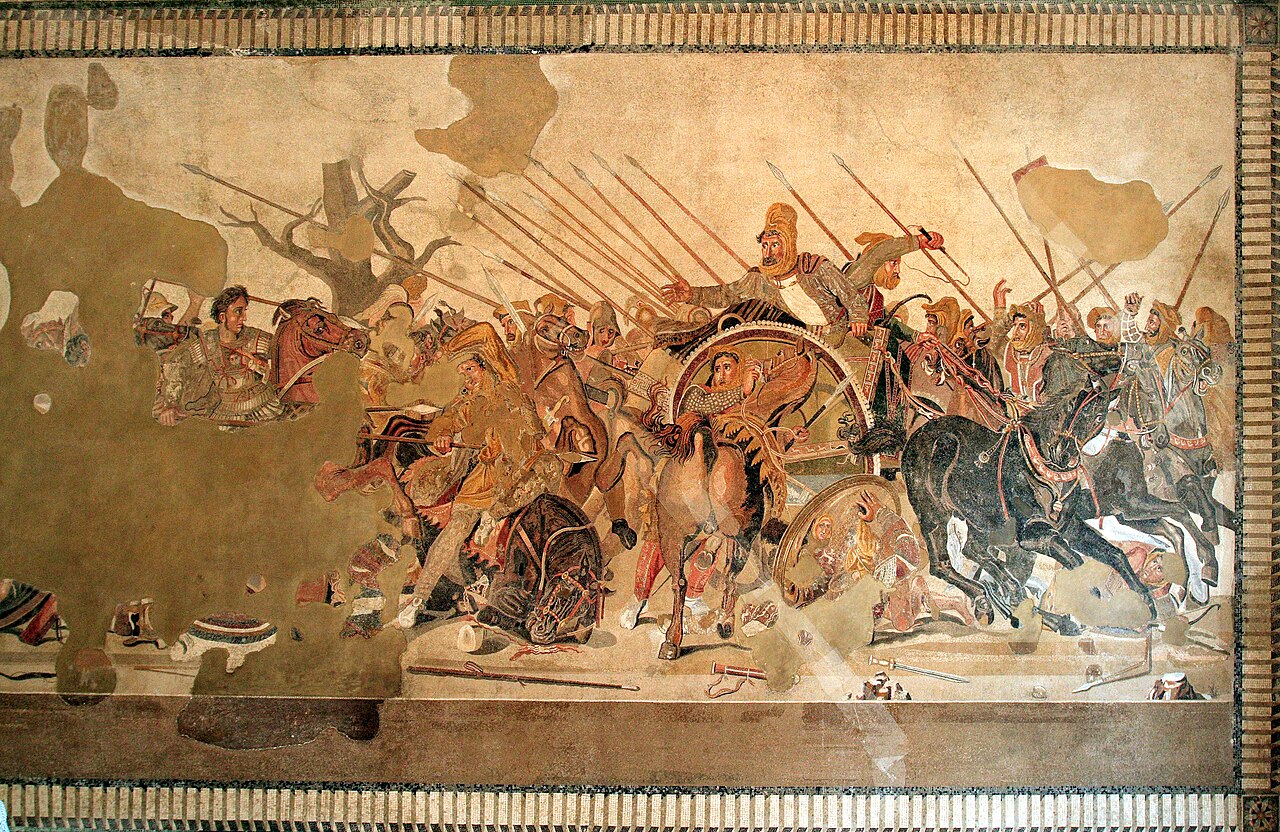 Artifact
Secondary source
Alexander Mosaic
Philoxenus of Eretria · c. 120-100 BCE (copy of an earlier Hellenistic painting)
 Painting
Secondary source
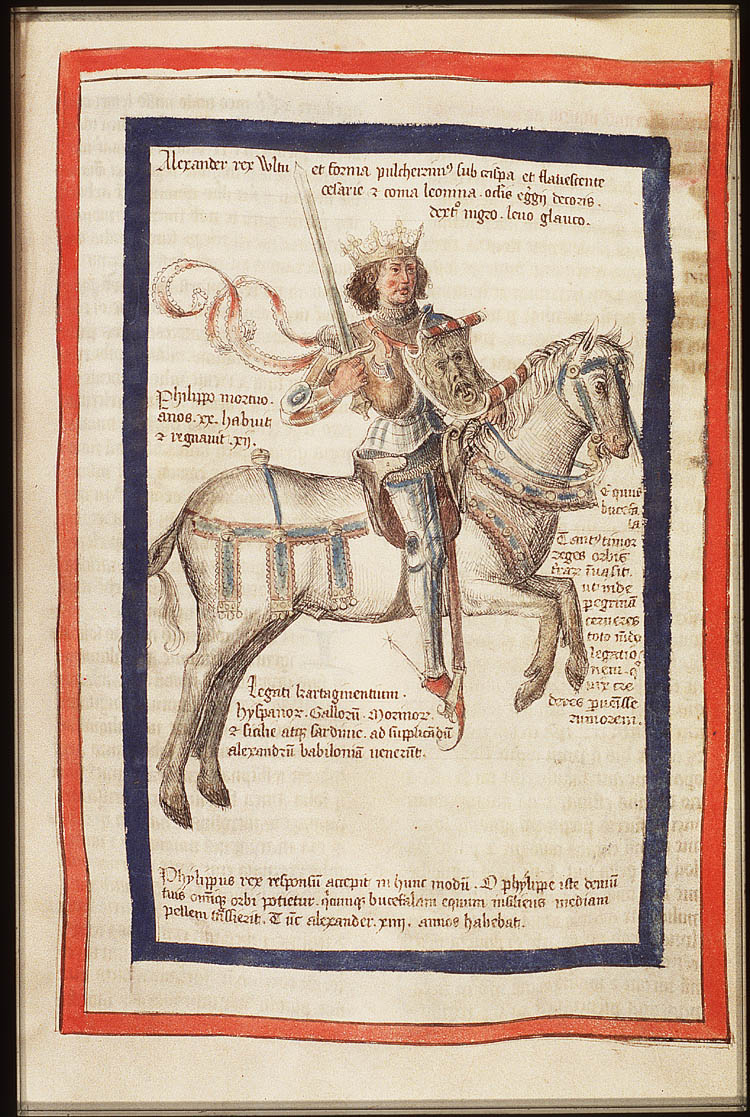
Alexander the Great riding Bucephalus
1460
 Artifact
Primary source
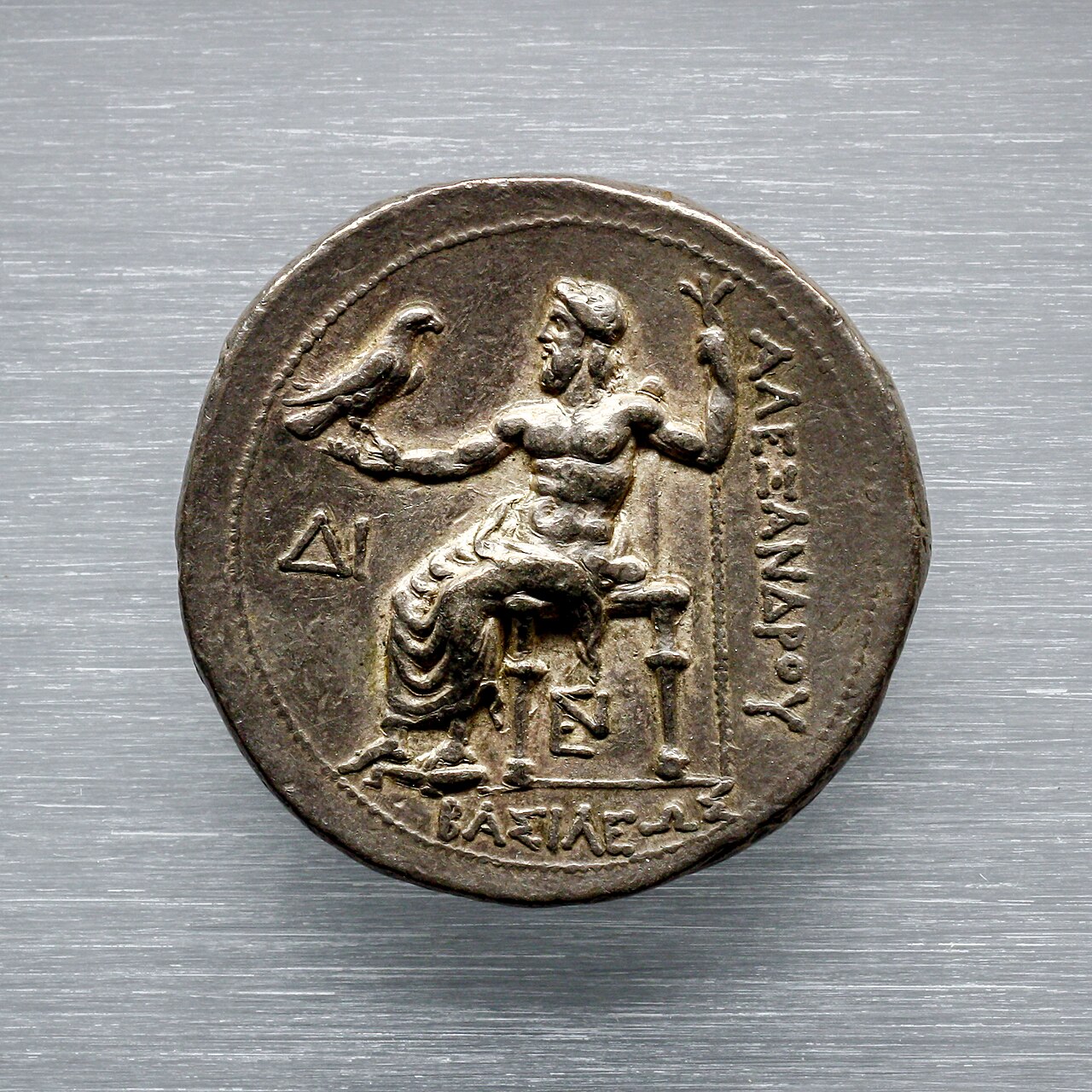
Silver Tetradrachm of Alexander the Great
Royal mints of Alexander III · c. 336-323 BCE
 Painting
Secondary source
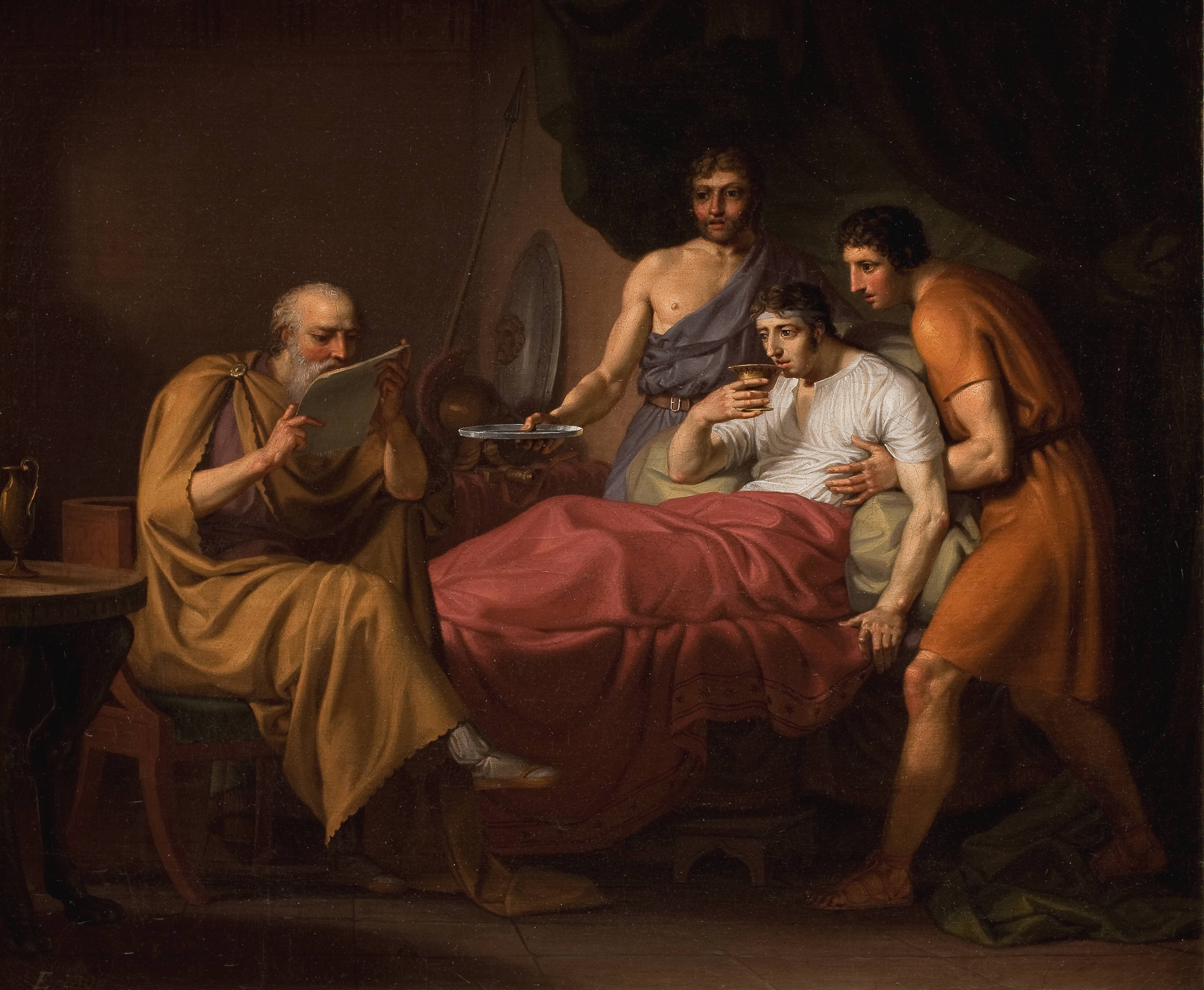
Alexander the Great on his Sickbed
1806
 Book
Secondary source
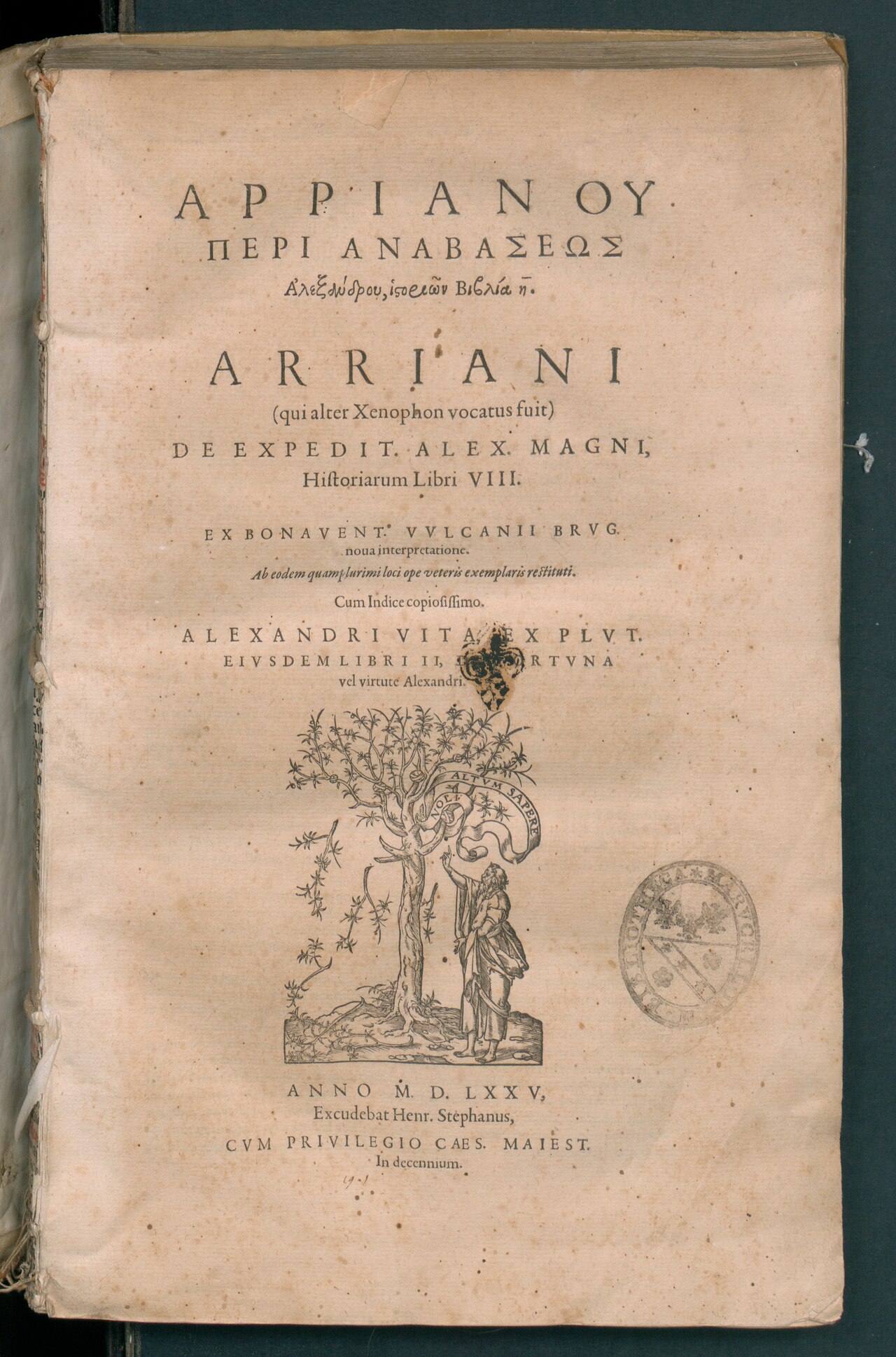
Anabasis of Alexander
Arrian · c. 150 AD
Ready when you are
Start chatting with Alexander the Great now.
20 messages free · No credit card · Available in 50+ languages.