


Primary sourceArtifact
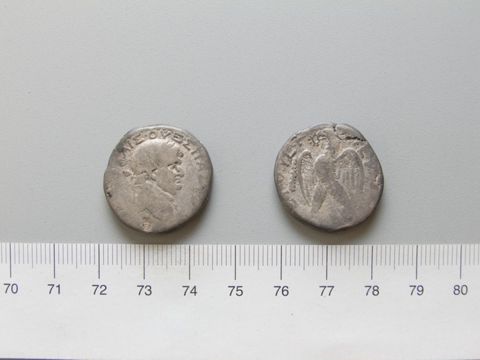
Tetradrachm of Vespasian
A silver coin bearing Vespasian's portrait, excavated at the frontier city of Dura-Europos in Syria.
This coin, found far from Rome, shows Vespasian's portrait circulating at the empire's eastern frontier.
About this source
What it is
This is a silver tetradrachm showing a portrait of the emperor Vespasian, excavated at Dura-Europos by a Yale-French archaeological team between 1928 and 1937. It is now held by the Yale University Art Gallery.
Why it matters
The coin shows how Vespasian's image reached even distant provincial cities on the empire's eastern frontier. Finding it at Dura-Europos, far from Rome, helps historians understand how imperial coinage connected the center of power to the edges of Roman territory.
Look closer
- What can you tell about the coin's condition, and what might that suggest about its history and use?
- Why would a coin minted for the empire's center end up so far away, buried at a frontier city?
- What does the eagle on the reverse side suggest about Roman symbols of power?
This artifact is part of the curated material that grounds the AI version of Vespasian on Humy.ai — when students ask about related events, the AI can quote it and cite it.
More Vespasian sources
Browse all 95 →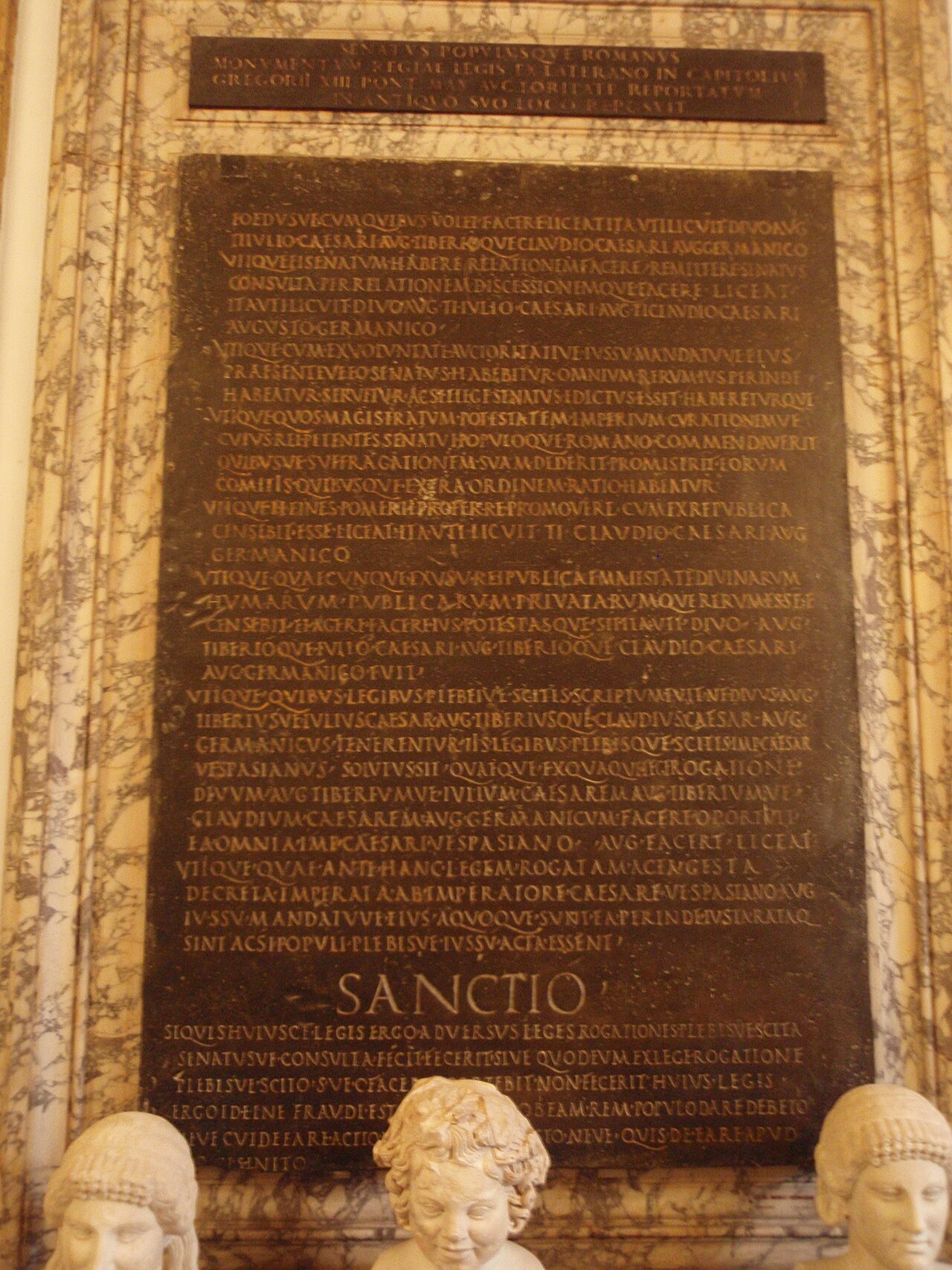 Document
Primary source
Lex de imperio Vespasiani
Roman Senate · AD 69–70
 Artifact
Primary source
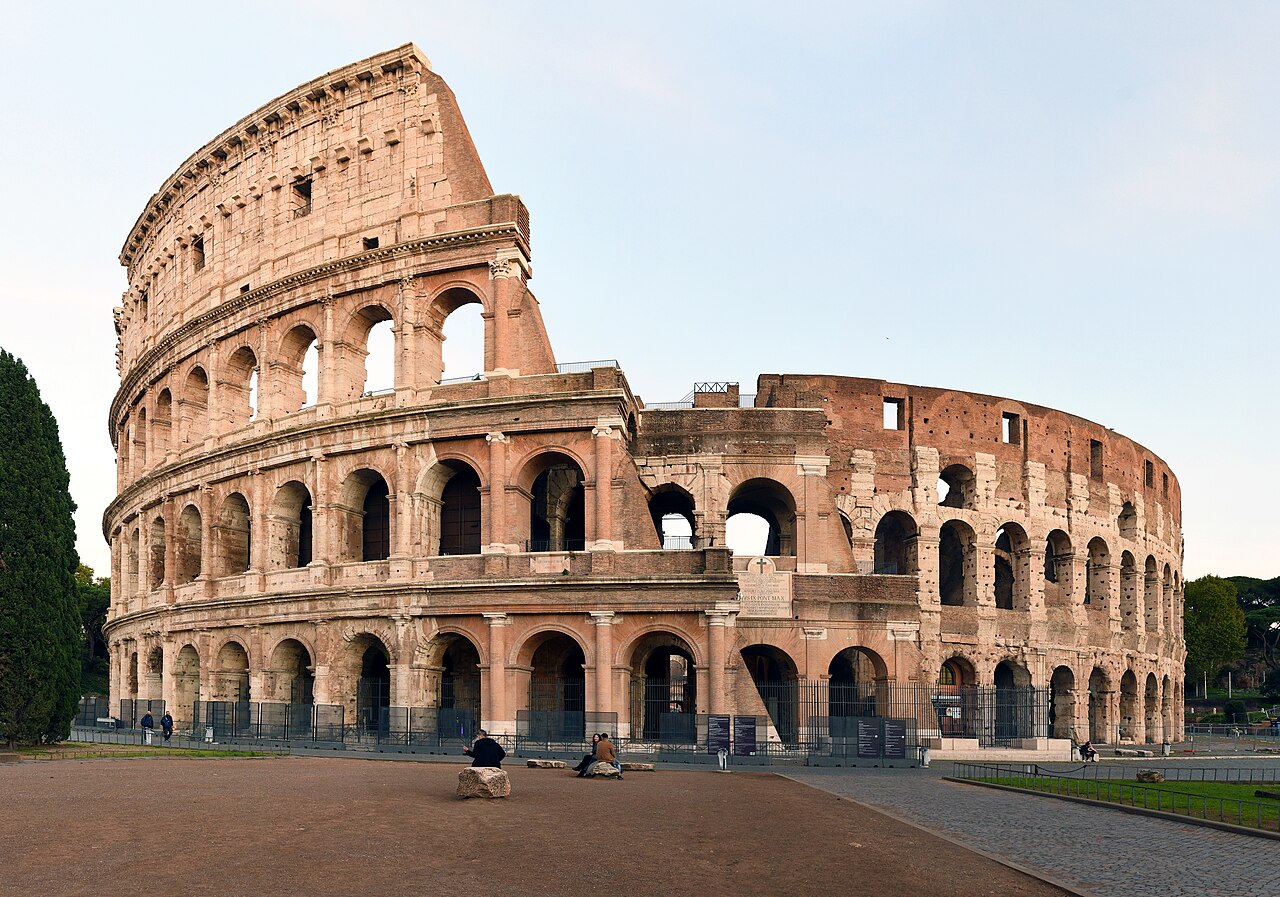
Colosseum
begun 72 AD, completed 80 AD
 Book
Secondary source
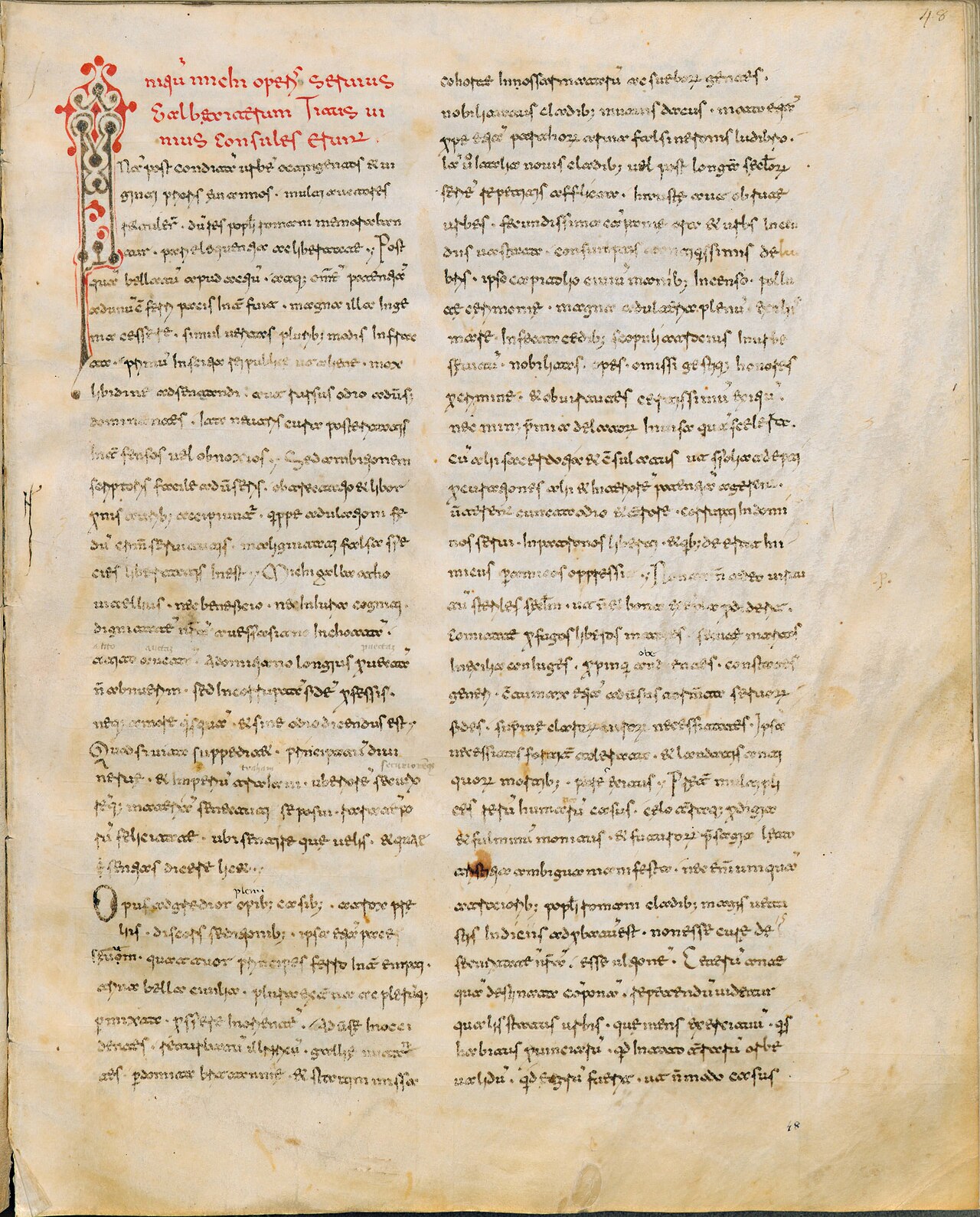
Histories
Tacitus · c. 100-110 AD
 Book
Secondary source
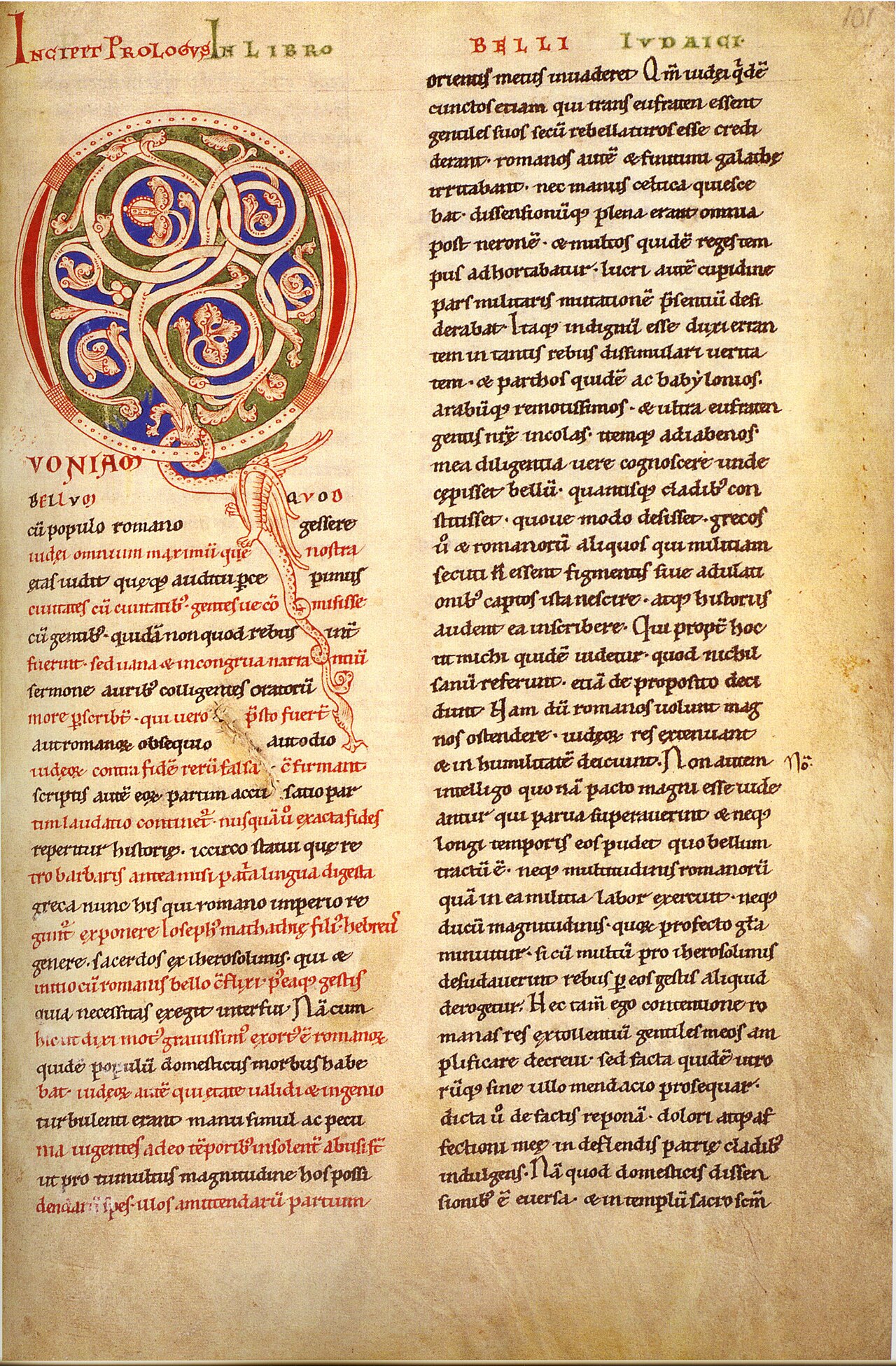
The Jewish War
Josephus · c. AD 75
Free account
Read every Vespasian source
Sign up free →
Ready when you are
Start chatting with Vespasian now.
20 messages free · No credit card · Available in 50+ languages.