


Primary sourceArtifact14-37 CE
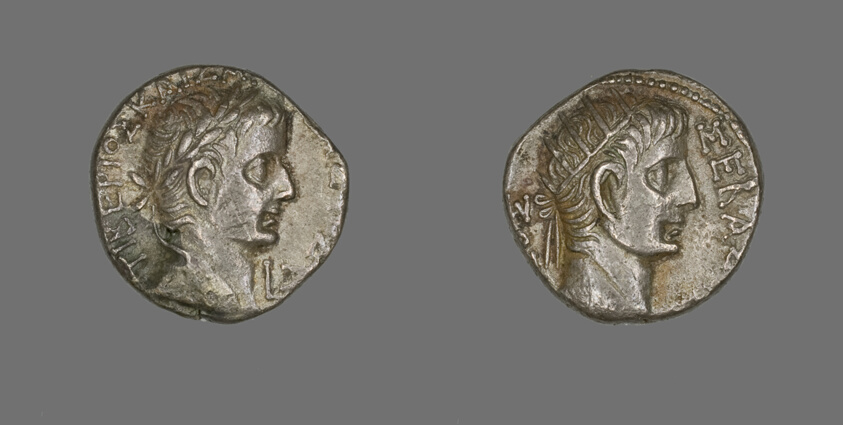
Tetradrachm Portraying Emperor Tiberius
Ancient Egyptian mint (Alexandria) · 14-37 CE
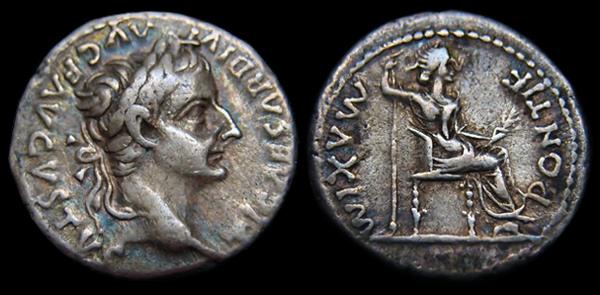
A silver-alloy coin minted in Alexandria, Egypt, during Tiberius's reign, showing his laureate portrait with Greek lettering.
This coin, minted in Alexandria, shows Tiberius's portrait as emperor of a culturally diverse empire.
About this source
What it is
This billon (silver-alloy) tetradrachm was minted in Alexandria, Egypt, between 14 and 37 CE, during the reign of Emperor Tiberius. Both sides show laureate profile portraits with inscriptions in Greek rather than Latin. It is held by the Art Institute of Chicago.
Why it matters
Egypt had its own coinage tradition under Roman rule, and this coin shows how the empire adapted its imagery and language to local populations. The use of Greek instead of Latin reflects Alexandria's Greek-speaking administration, showing the cultural variety within the territory Tiberius ruled.
Look closer
- Why might coins made in Egypt use Greek instead of Latin?
- What does this coin suggest about how the Roman Empire managed different regions and cultures?
- How does this coin compare to Roman coins minted in Italy or Gaul?
This artifact is part of the curated material that grounds the AI version of Tiberius on Humy.ai — when students ask about related events, the AI can quote it and cite it.
More Tiberius sources
Browse all 87 →
Ready when you are
Start chatting with Tiberius now.
20 messages free · No credit card · Available in 50+ languages.