


Primary sourceArtifact1275–1350
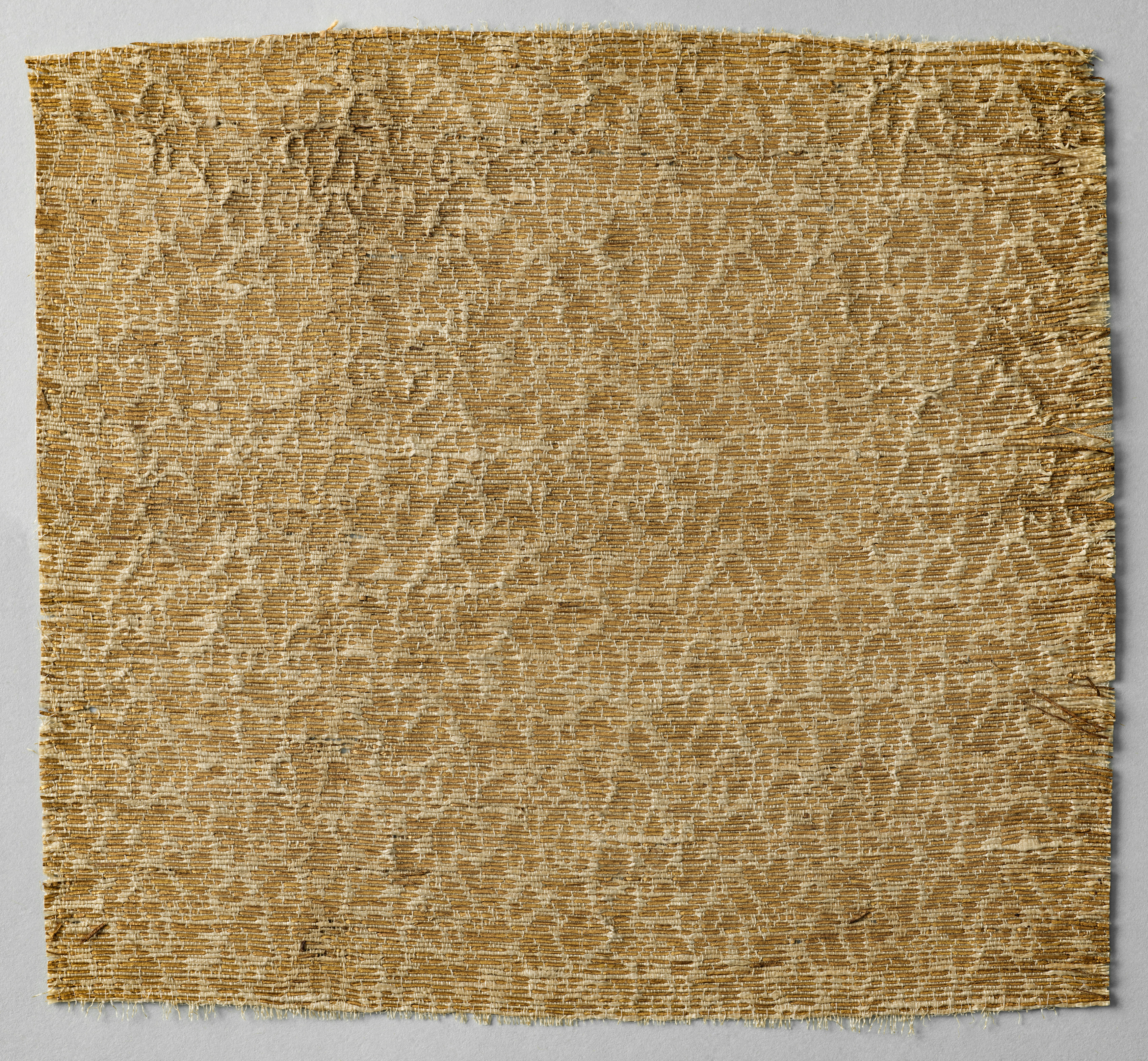
Textile with Tiny Leaves
1275–1350
A silk and gold-thread textile made for Mongol court taste in the era after Möngke Khan's reign.
A silk made for Mongol court taste, showing the artistic culture of the wider Mongol world Möngke Khan once ruled.
About this source
What it is
This silk textile with tiny gold leaf motifs was made between 1275 and 1350 in Central Asia, during the Il-khanid Mongol period. It is held by the Cleveland Museum of Art.
Why it matters
According to the museum's own description, the pattern of tiny gold leaves suited the taste of the Mongol court and appears to have originated in eastern Central Asia, with its closest parallels among Uyghur silk tapestries. This shows the artistic tastes shared across the Mongol world that Möngke Khan's empire had helped connect, even though the piece was made after his lifetime.
Look closer
- What does the museum's note about Uyghur parallels tell us about where Mongol court styles came from?
- Why might a ruling court favor one decorative pattern over others?
- What is missing from this textile that would tell us exactly who wore or owned it?
This artifact is part of the curated material that grounds the AI version of Möngke Khan on Humy.ai — when students ask about related events, the AI can quote it and cite it.
More Möngke Khan sources
Browse all 36 →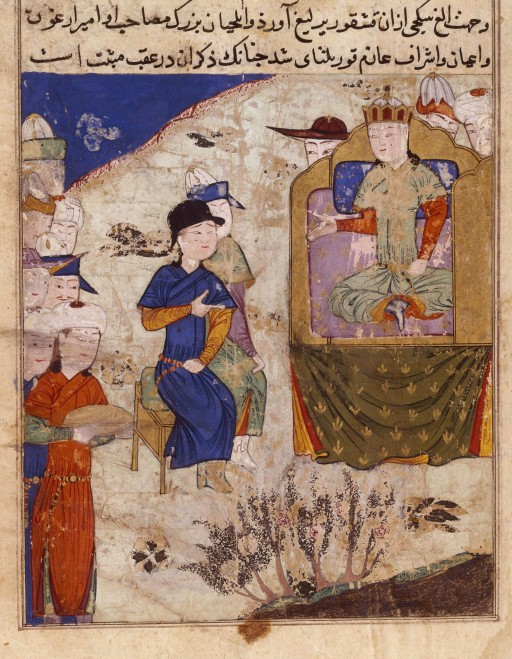 Painting
Secondary source
Audience with Möngke
Abdullâh Sultân (atelier), Shiraz · 1438
 Painting
Secondary source
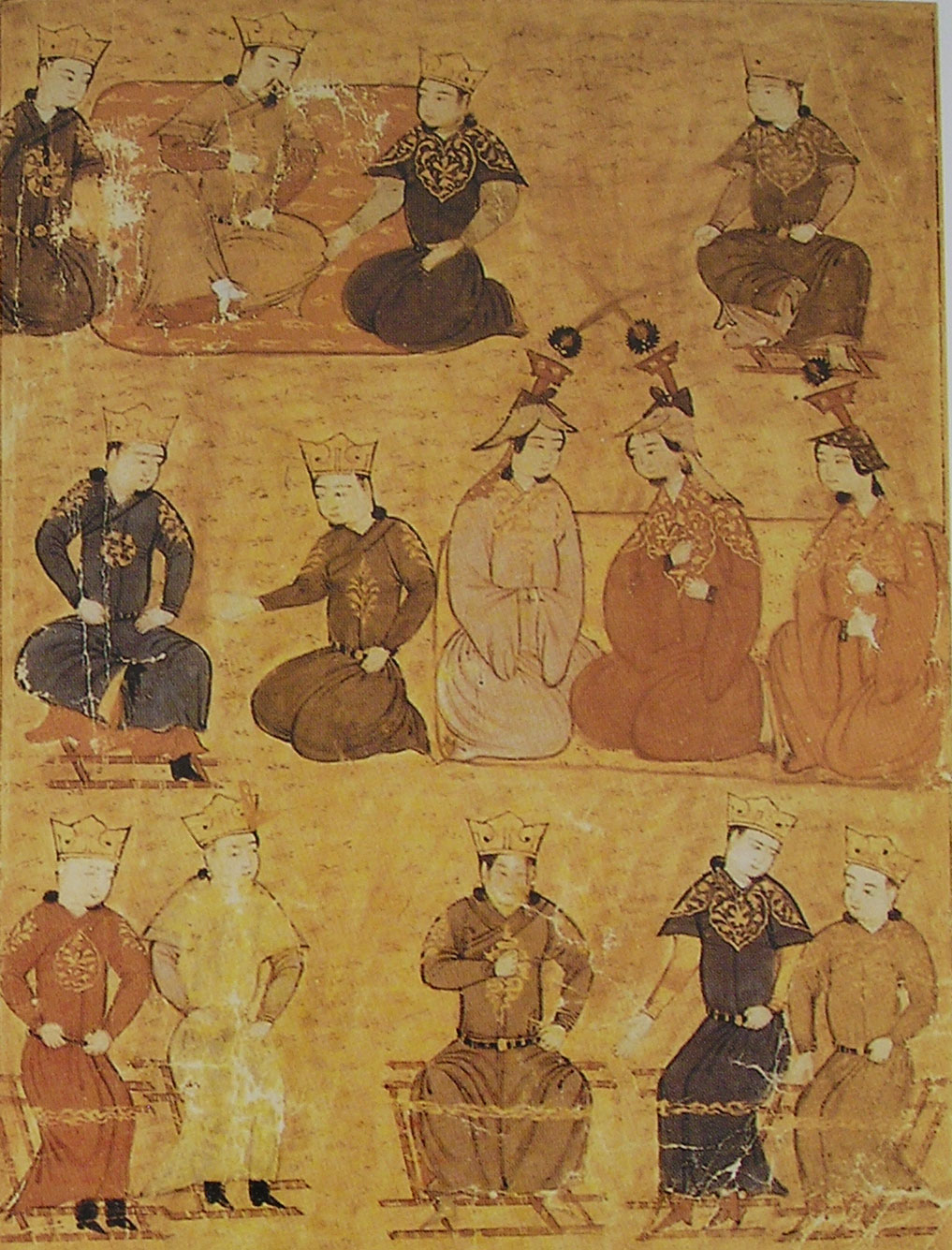
Möngke Khan in the Chronicle of Rashid al-Din
Rashid al-Din (text); unnamed court painter
 Painting
Secondary source
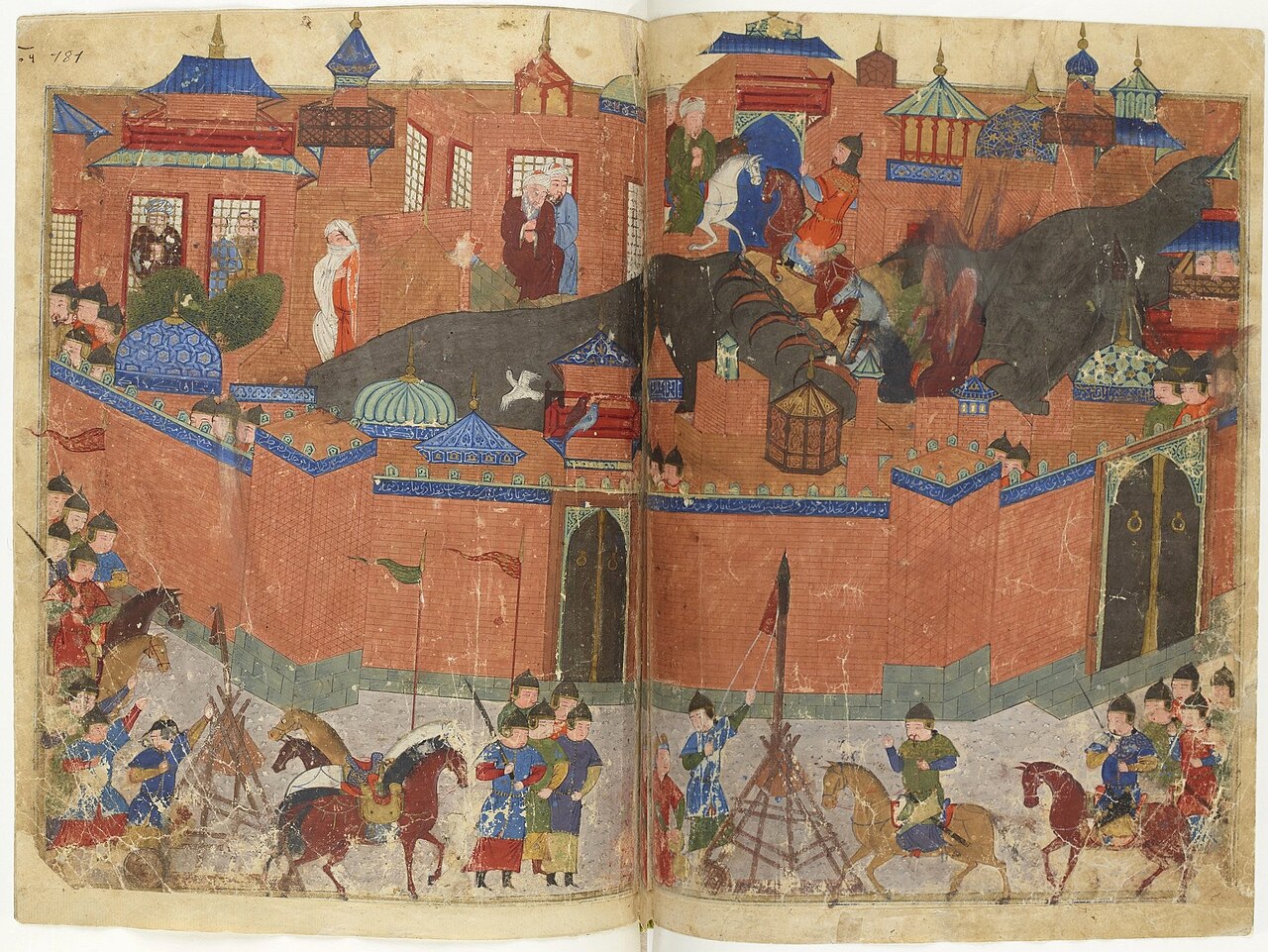
Mongols Besieging Baghdad in 1258
Sayf al-Vahidi · c. 1430-1434
 Painting
Secondary source
Portrait of Möngke Khan


Free account
Read every Möngke Khan source
Sign up free →
Ready when you are
Start chatting with Möngke Khan now.
20 messages free · No credit card · Available in 50+ languages.