


Primary sourcePainting1618
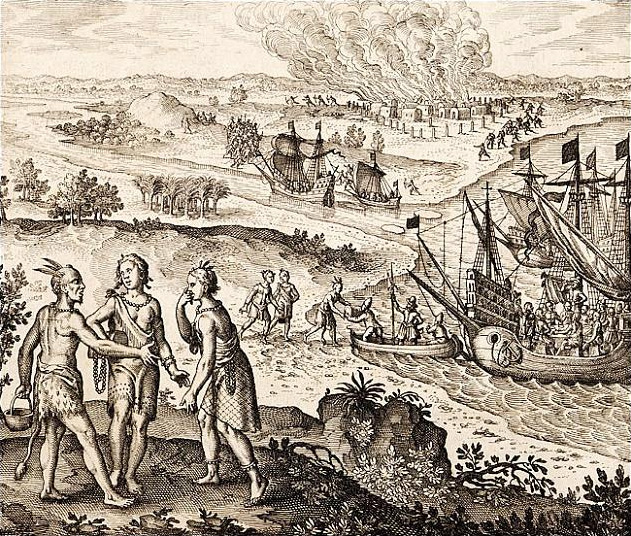
The Abduction of Pocahontas
Johann Theodor de Bry · 1618
A 1618 engraving showing the capture of Pocahontas by English colonists during a ransom plot, made soon after the event.
This 1618 engraving depicts Pocahontas's capture in 1613, a pivotal event in her life, made soon after her death.
About this source
What it is
This copper engraving by Johann Theodor de Bry was made in 1618, within a year of Pocahontas's death. It depicts the 1613 plot in which Samuel Argall persuaded a local leader, Japazaws, to help lure Pocahontas aboard an English ship so she could be held for ransom.
Why it matters
As an image made close to the events it shows, this engraving reflects how English colonists told the story of Pocahontas's capture. It shows the relationship between English settlers like Argall and Native leaders like Japazaws, and hints at the violence and conflict of the period, including a burning village in the background.
Look closer
- Who is shown in the foreground, and what are they doing?
- What is happening in the background, and why might the artist have included it?
- Since this was made by a European engraver, whose point of view does it likely represent?
This painting is part of the curated material that grounds the AI version of Pocahontas on Humy.ai — when students ask about related events, the AI can quote it and cite it.
More Pocahontas sources
Meet the AI Pocahontas →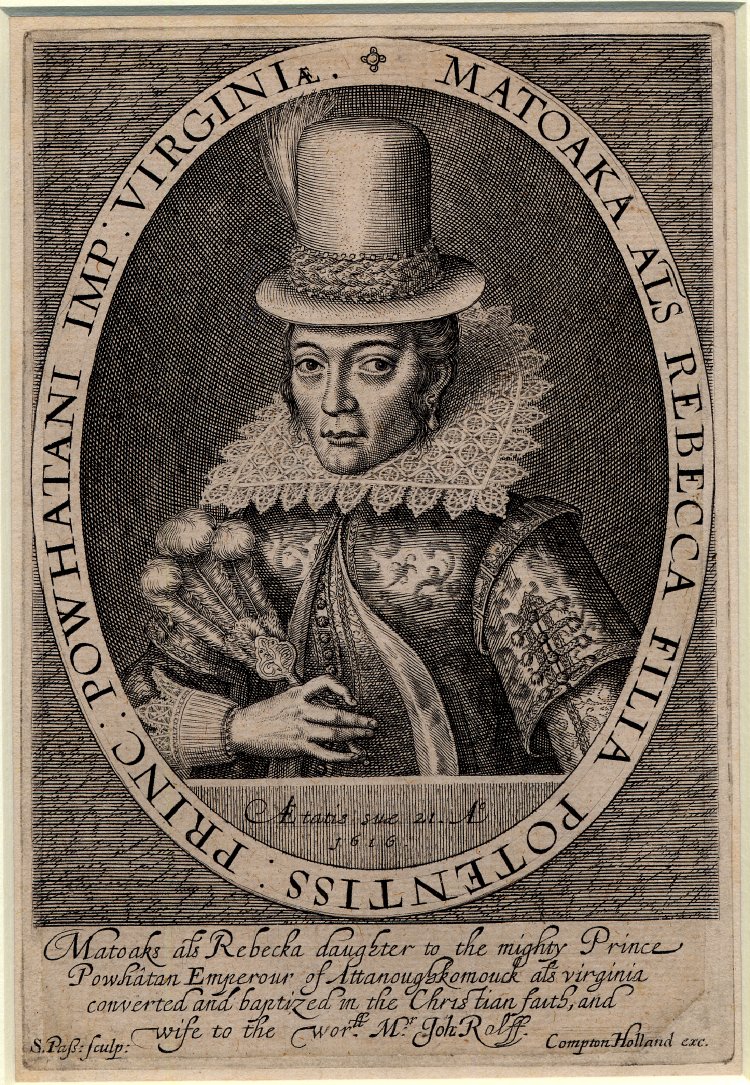 Painting
Primary source
Matoaka alias Rebecca Engraving
Simon van de Passe · 1616
 Painting
Secondary source
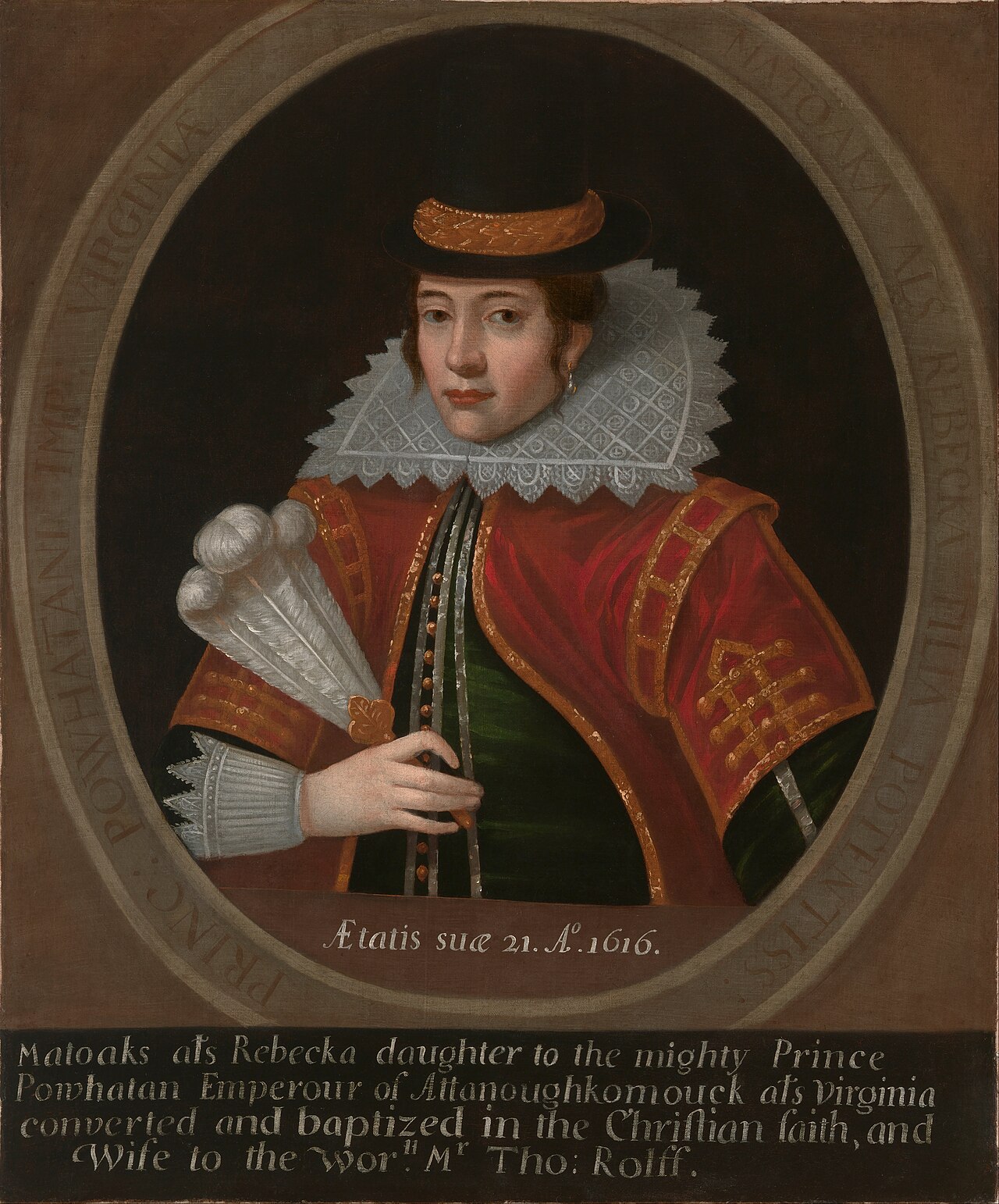
Pocahontas (Oil Portrait after van de Passe)
Unidentified Artist · 1616
 Book
Primary source
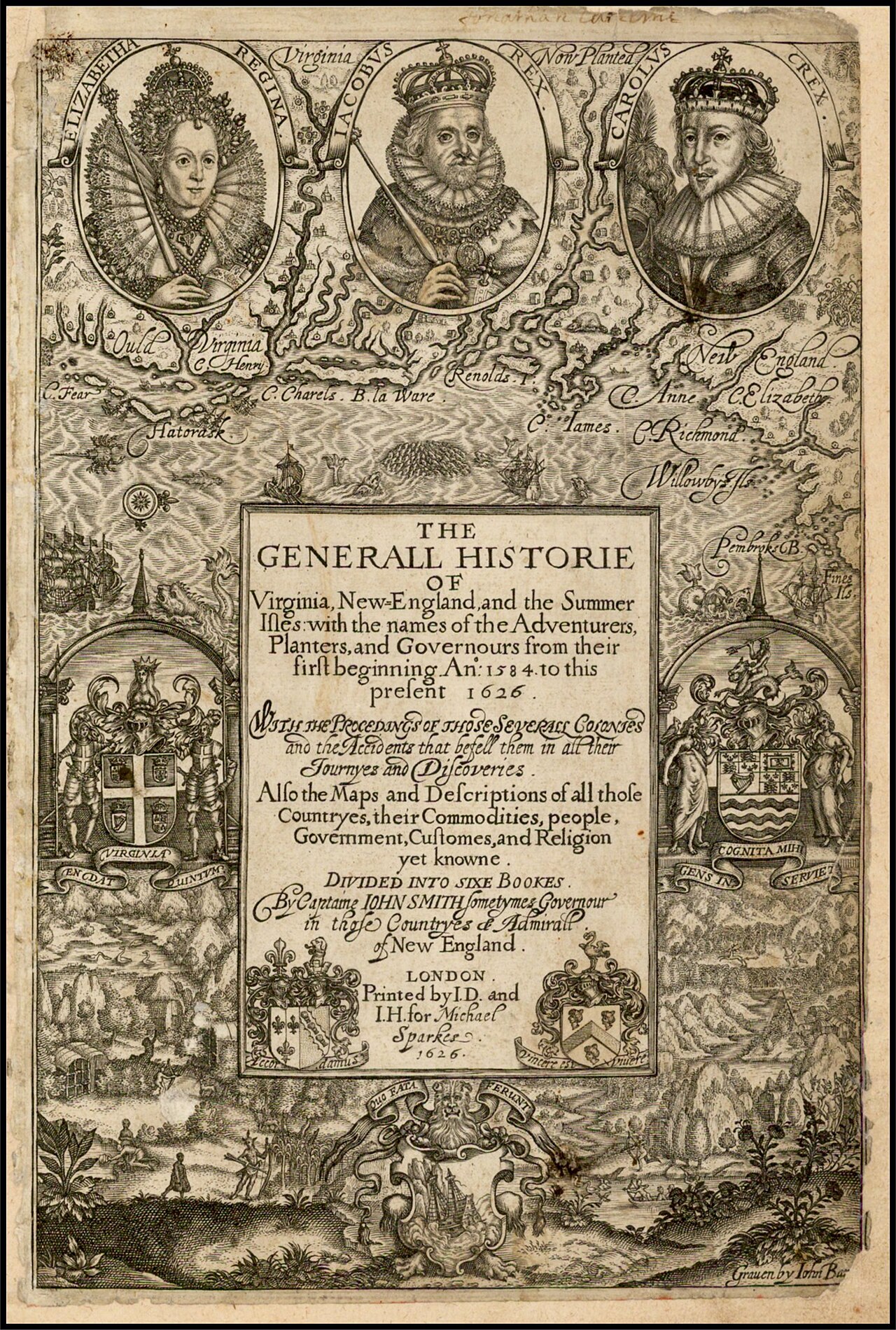
The Generall Historie of Virginia, New-England, and the Summer Isles
John Smith · 1624
 Book
Primary source
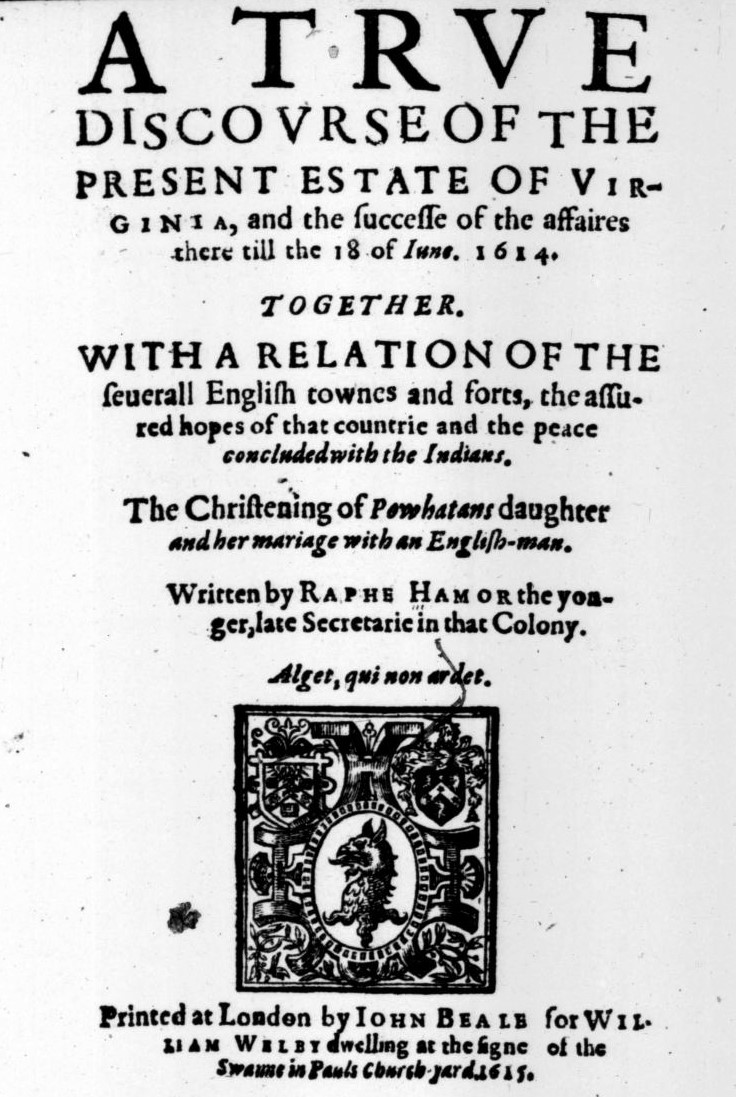
A True Discourse of the Present Estate of Virginia
Ralph Hamor · 1615
 Painting
Secondary source
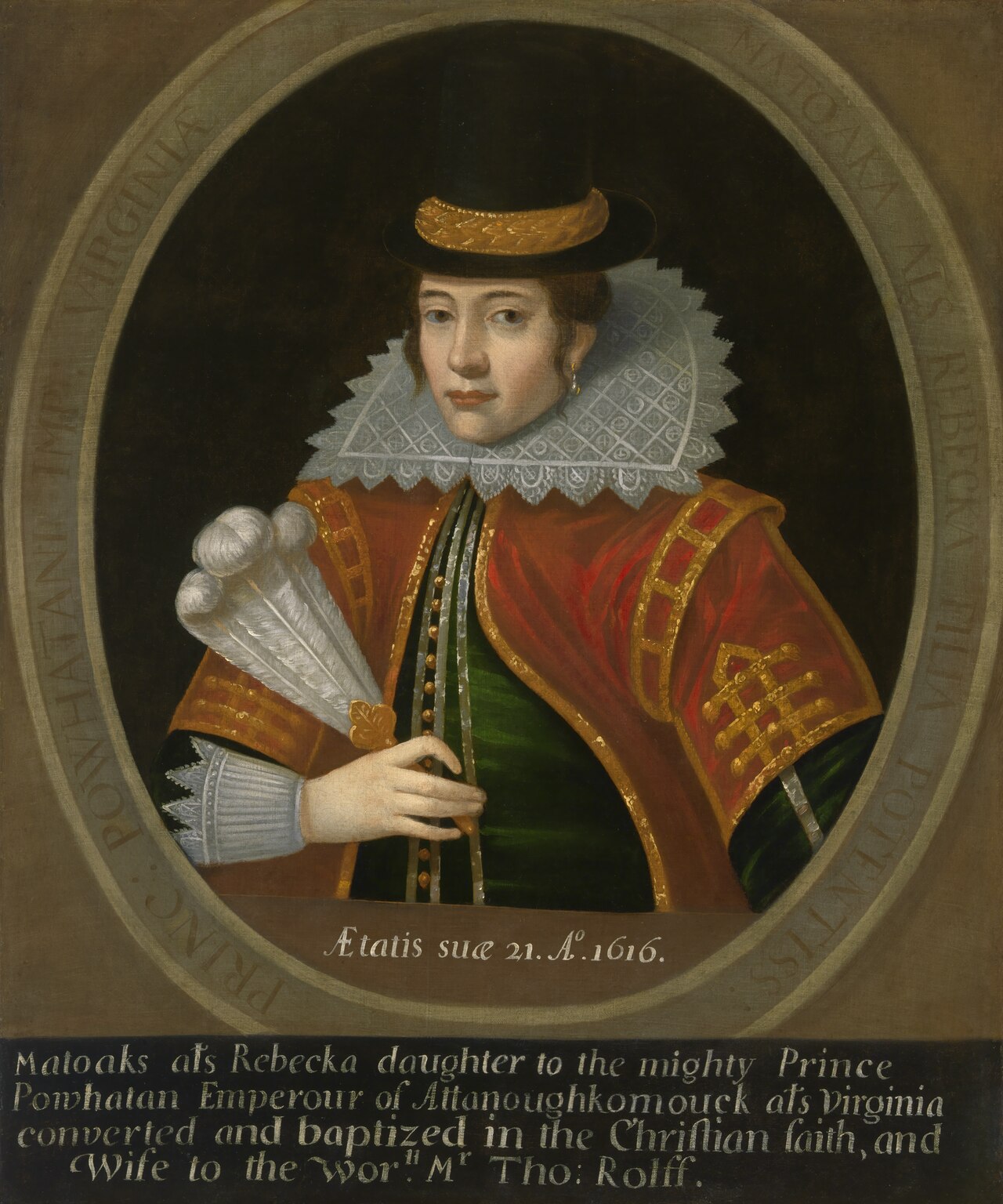
Portrait of Pocahontas
1616
Ready when you are
Start chatting with Pocahontas now.
20 messages free · No credit card · Available in 50+ languages.