


Secondary sourceBook1916
The Apostasy of the Arabs in the Caliphate of Abu Bakr
Philip Khuri Hitti · 1916
A chapter from a 1916 history book covering the wars Abu Bakr fought against Arab tribes that renounced Islam after Muhammad's death.
This chapter examines Abu Bakr's actions as caliph during the apostasy wars that followed Muhammad's death.
Free Humy account · No credit card · 121,771 sources to read
About this source
What it is
This is a chapter from Origins of the Islamic State, a history written in 1916 by Philip Khuri Hitti. It covers Abu Bakr's response to the apostasy of several Arab tribes after the Prophet's death.
Why it matters
This chapter deals with one of the first great crises of the new Islamic community: when Abu Bakr became caliph, some tribes stopped paying the religious tax (zakat) and some left Islam altogether. The text shows how Abu Bakr insisted on fighting rather than compromise, which shaped the unity of the early Muslim state. It draws on early reports, including testimony attributed to companions such as Abdallah ibn Masud.
Look closer
- Why might modern historians rely on quoted sayings attributed to Abu Bakr rather than write their own description?
- What does the choice between a 'humiliating plan' and war tell you about how Abu Bakr saw his authority?
- How might this story be told differently by someone from one of the apostatizing tribes?
This book is part of the curated material that grounds the AI version of Abu Bakr on Humy.ai — when students ask about related events, the AI can quote it and cite it.
More Abu Bakr sources
Browse all 66 →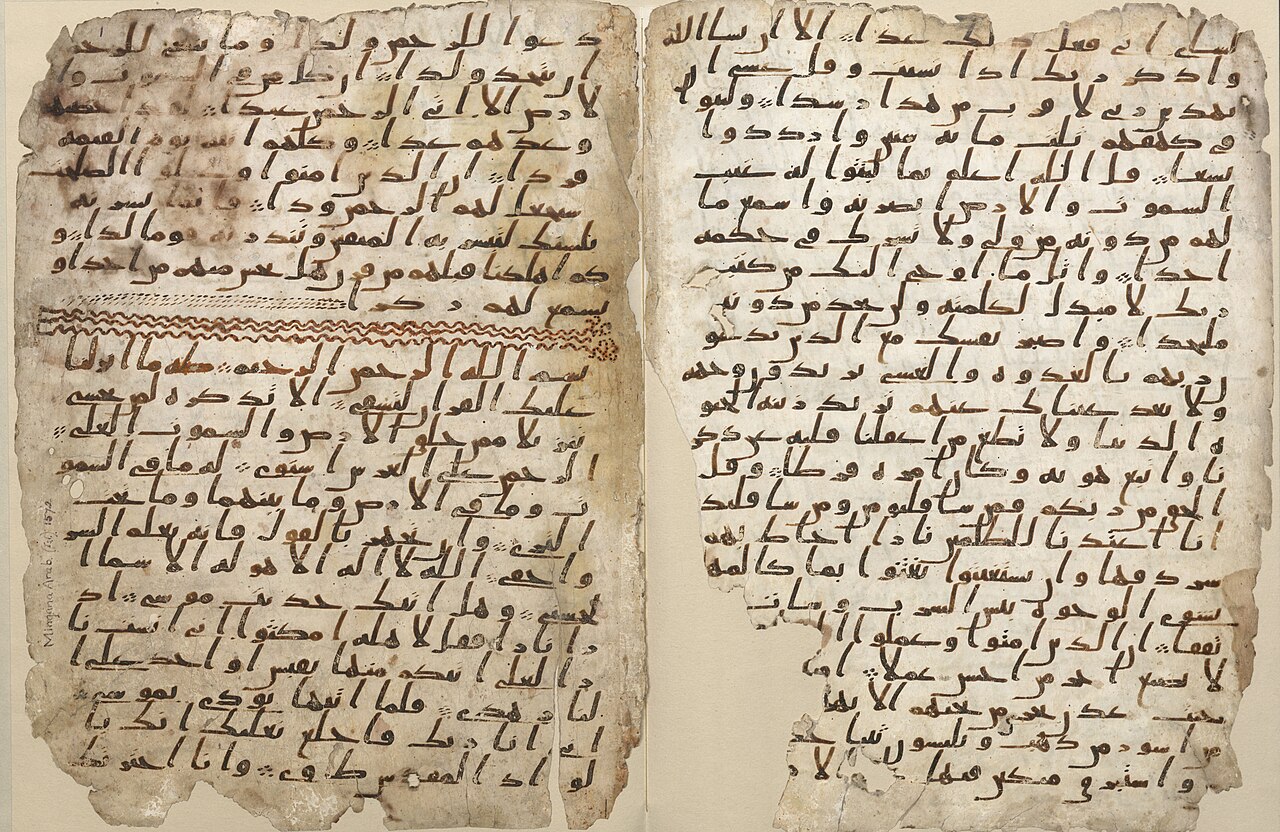 Document
Primary source
Birmingham Quran Manuscript
568–645 CE
 Book
Secondary source
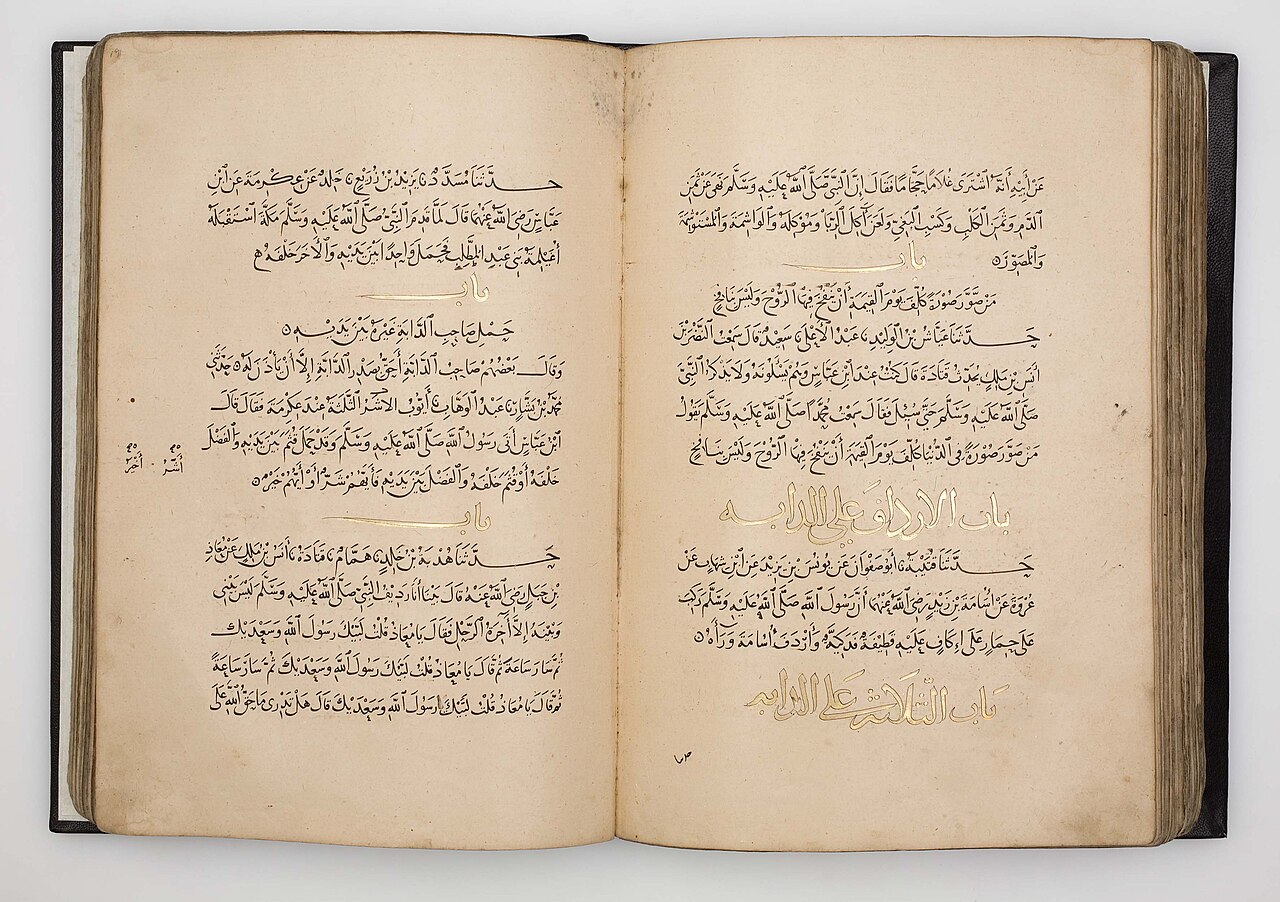
Sahih al-Bukhari
Muhammad ibn Isma'il al-Bukhari · c. 846 CE
 Book
Primary source
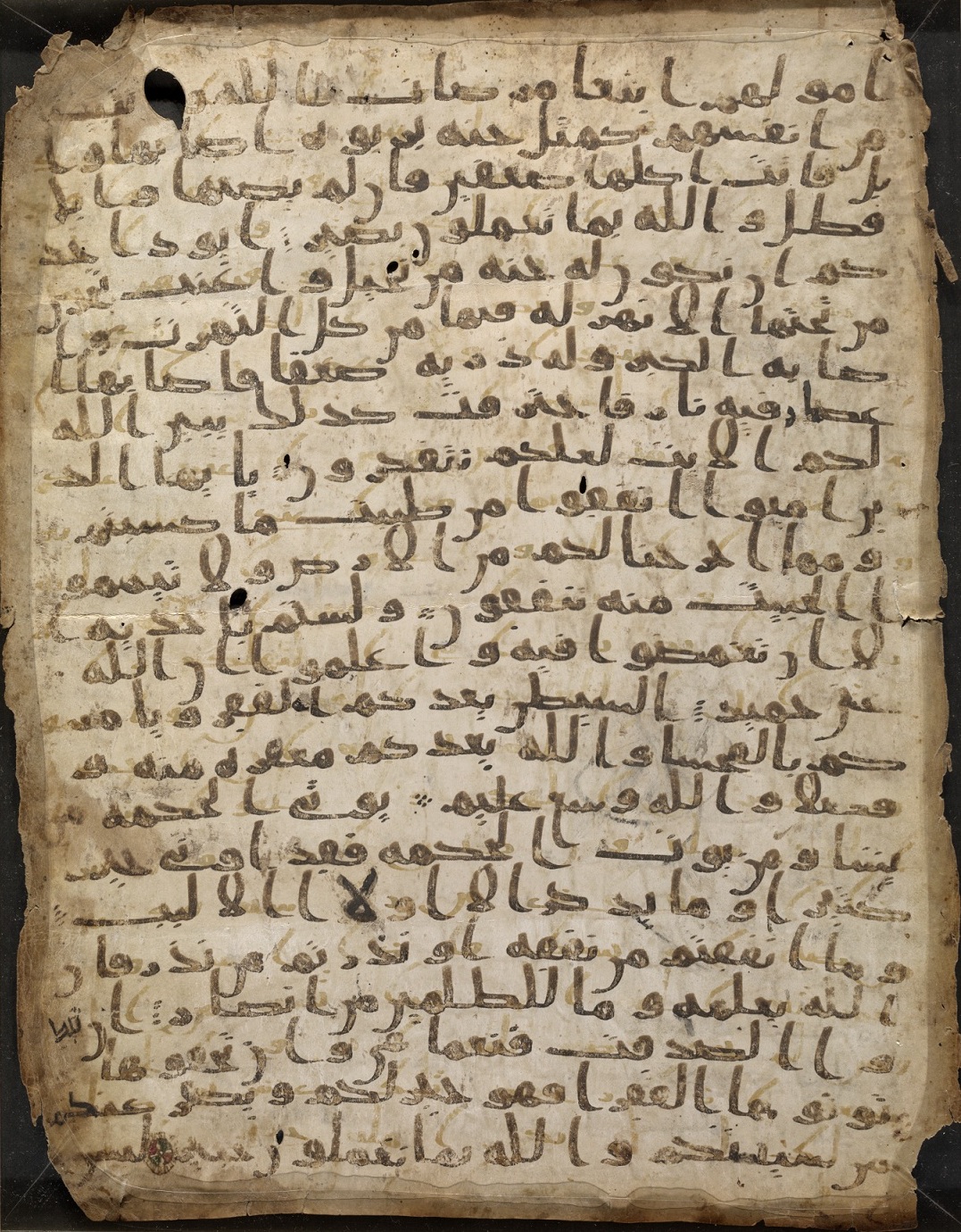
Sana'a Manuscript
c. 650 CE
 Book
Secondary source
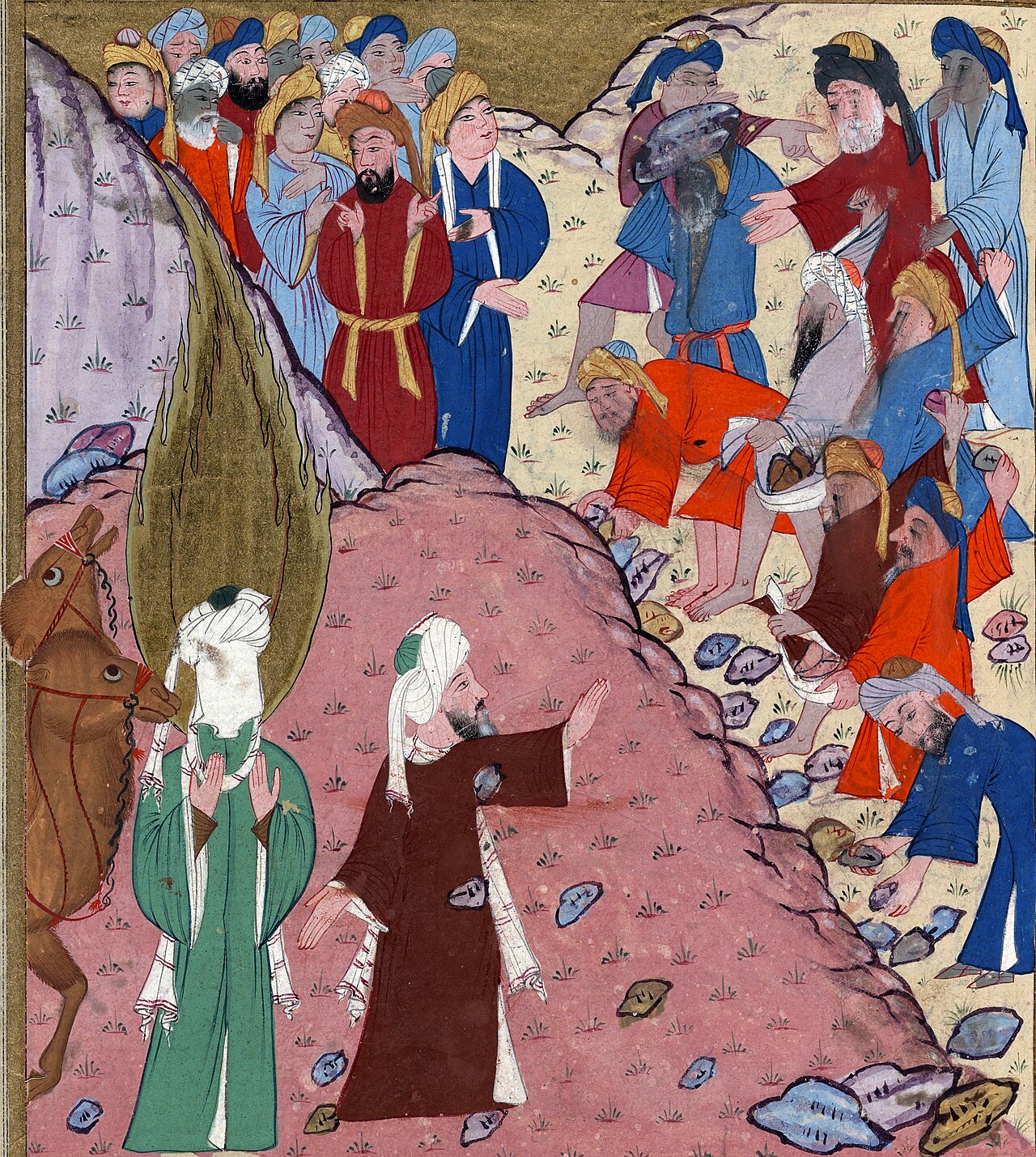
Futuh al-Buldan
Al-Baladhuri · 9th century
Free account
Read every Abu Bakr source
Sign up free →
Ready when you are
Start chatting with Abu Bakr now.
20 messages free · No credit card · Available in 50+ languages.