


Primary sourceBook1750, published 1751
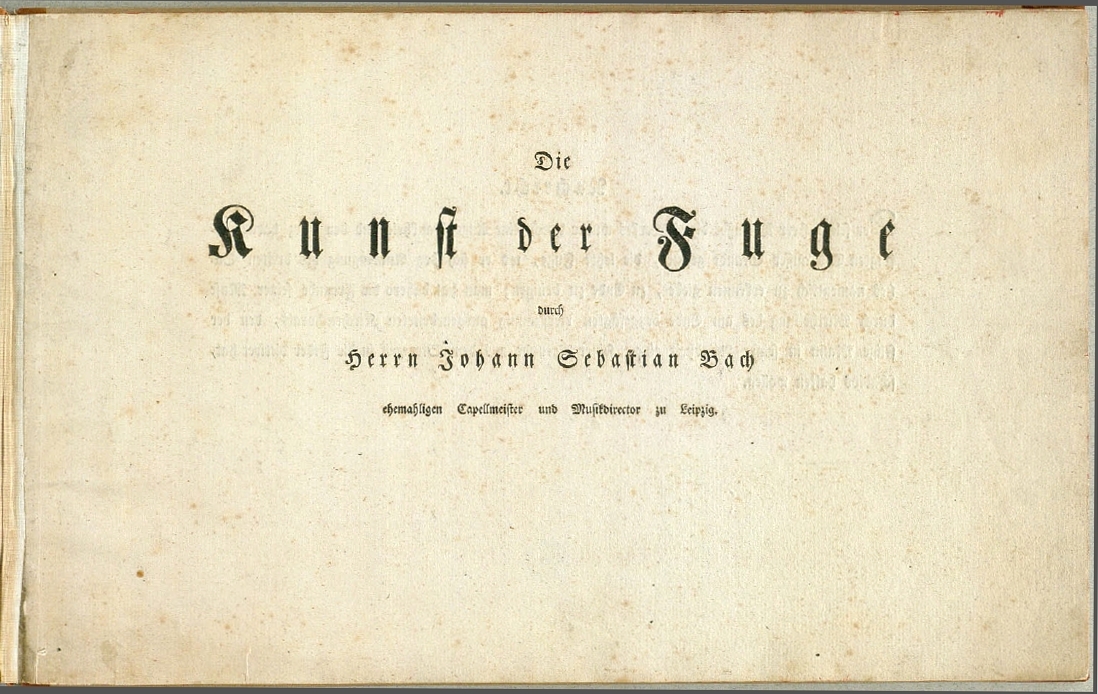
The Art of Fugue
Johann Sebastian Bach · 1750, published 1751
Bach's unfinished late study exploring every contrapuntal possibility of a single musical subject, left incomplete at his death.
This unfinished late work, composed by Bach, represents the culmination of his lifelong study of counterpoint.
About this source
What it is
The Art of Fugue (BWV 1080) is a collection of fourteen fugues and four canons in D minor, all built on one principal subject. Bach began it around 1740 and worked on it until his death in 1750, leaving it unfinished. His son Carl Philipp Emanuel Bach had it printed in 1751, though it sold few copies at the time.
Why it matters
The work is considered one of the deepest explorations of counterpoint ever written, showing Bach's lifelong fascination with transforming a single idea in endless ways. Its unfinished state, breaking off near the musical motif spelling his own name (B-A-C-H), has made it a symbol of his life's work left incomplete.
Look closer
- Why might Bach's son have published an unfinished work?
- What does the choice to explore one theme so thoroughly tell you about Bach's approach to music?
- Why do you think this piece failed to interest the public at the time?
This book is part of the curated material that grounds the AI version of Johann Sebastian Bach on Humy.ai — when students ask about related events, the AI can quote it and cite it.
More Johann Sebastian Bach sources
Meet the AI Johann Sebastian Bach →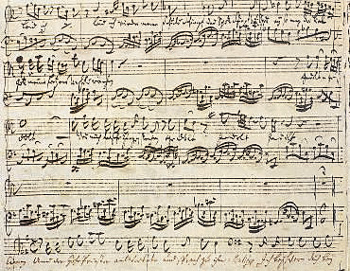 Book
Primary source
St Matthew Passion
Johann Sebastian Bach · 1727
 Book
Primary source
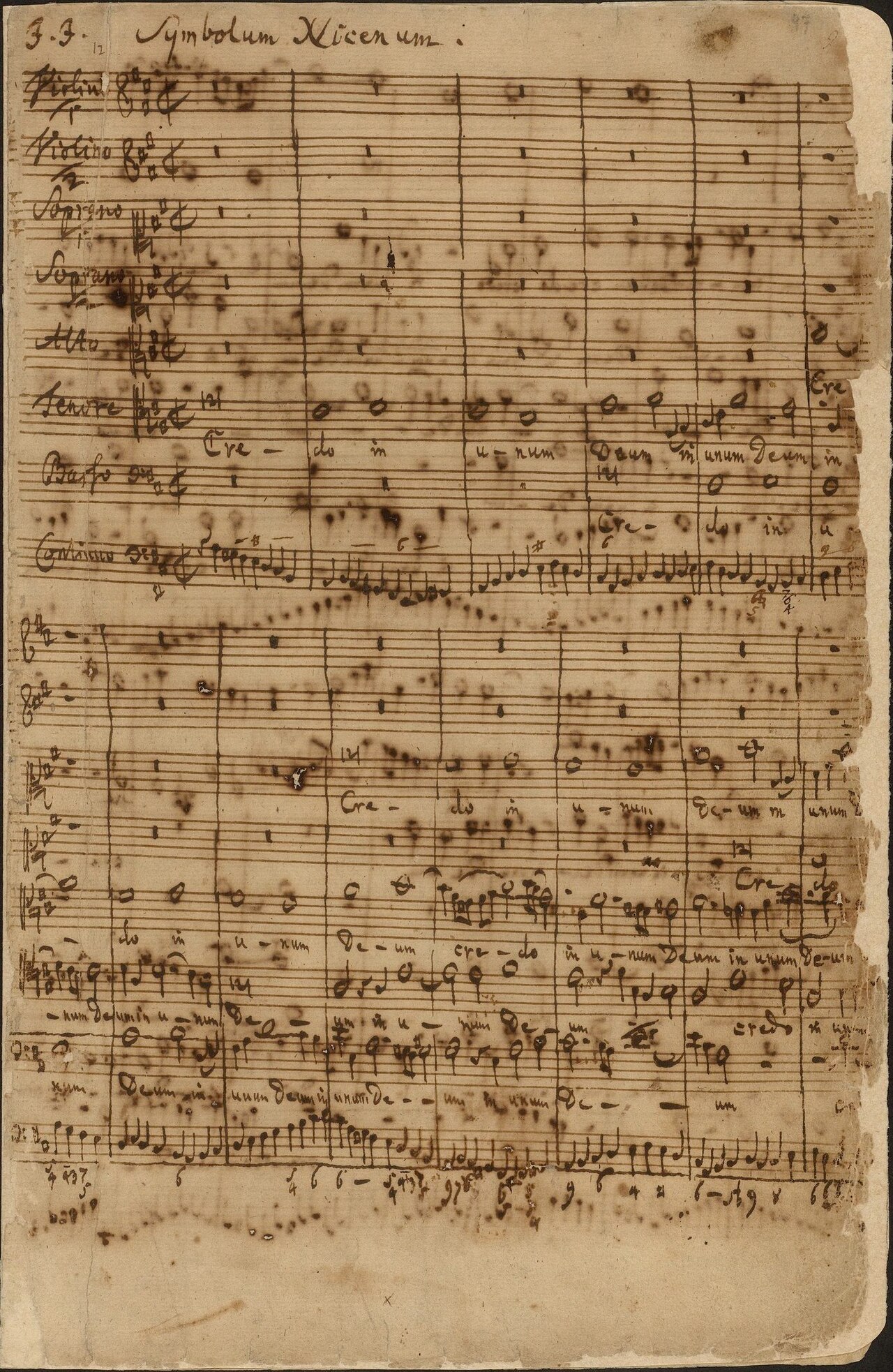
Mass in B minor
Johann Sebastian Bach · completed 1749
 Book
Primary source
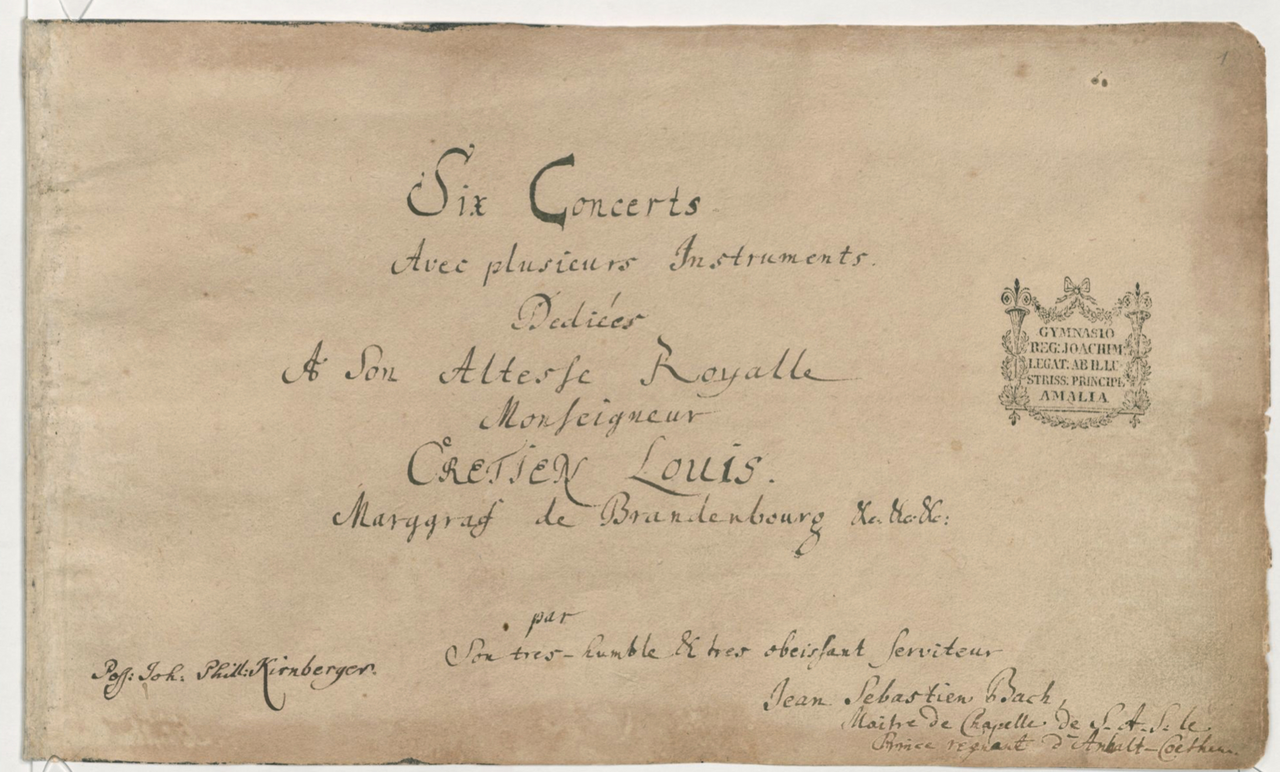
Brandenburg Concertos
Johann Sebastian Bach · 1721
 Book
Primary source
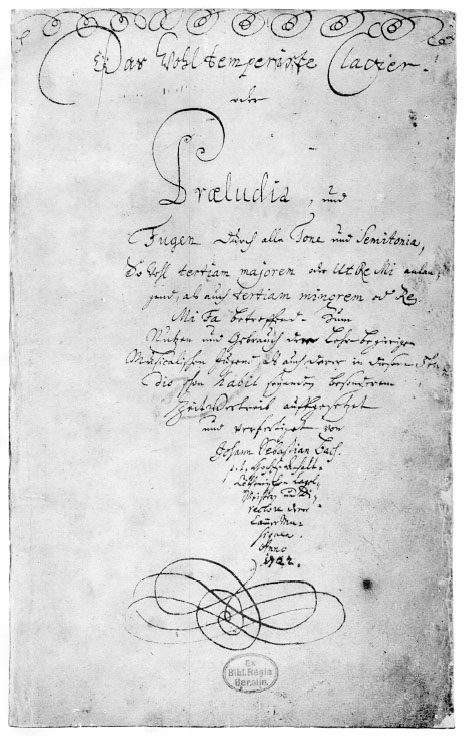
The Well-Tempered Clavier
Johann Sebastian Bach · 1722 (Book 1); 1742 (Book 2)
 Painting
Primary source
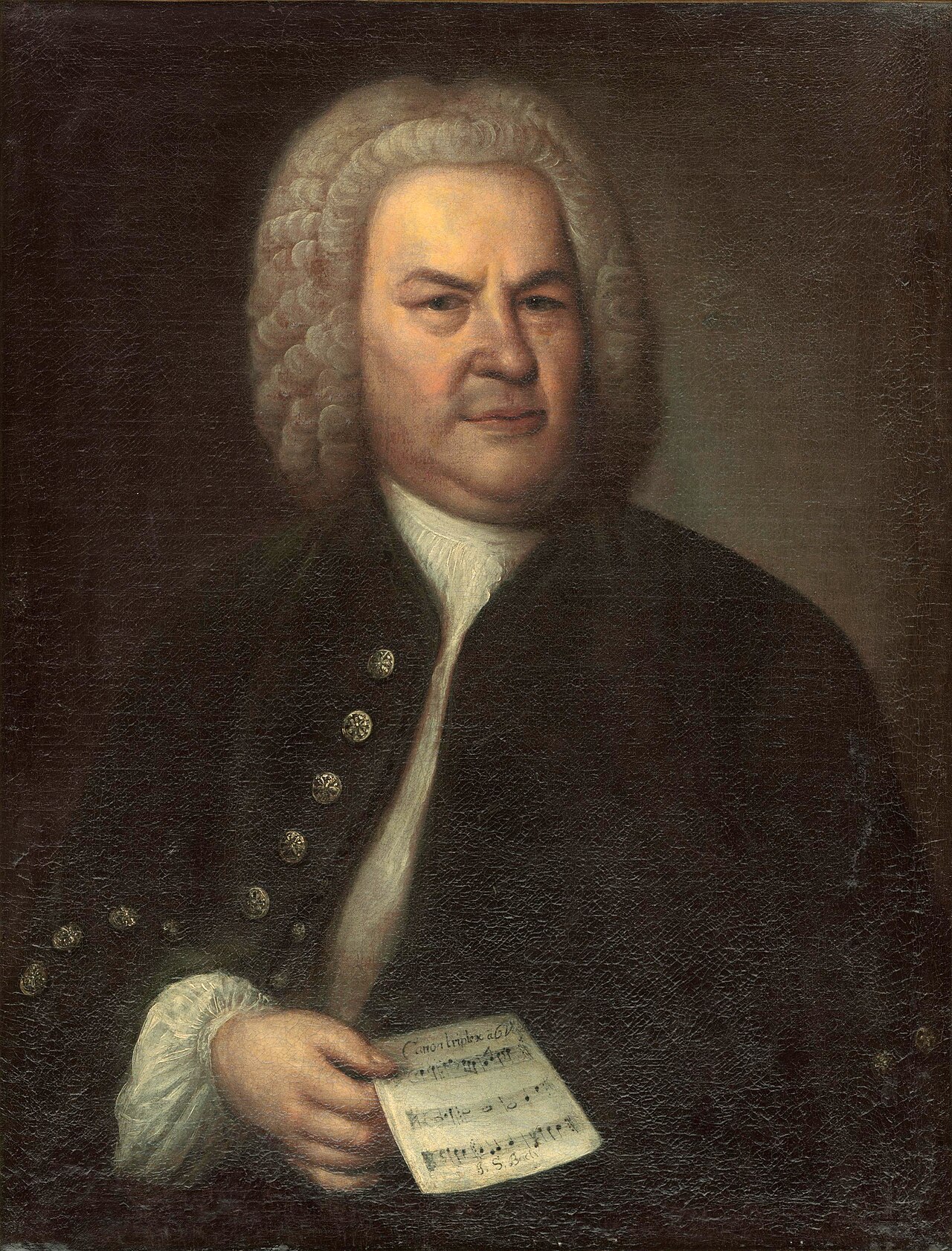
Portrait of Bach
Elias Gottlob Haussmann · 1746
Ready when you are
Start chatting with Johann Sebastian Bach now.
20 messages free · No credit card · Available in 50+ languages.