


Primary sourcePainting1732
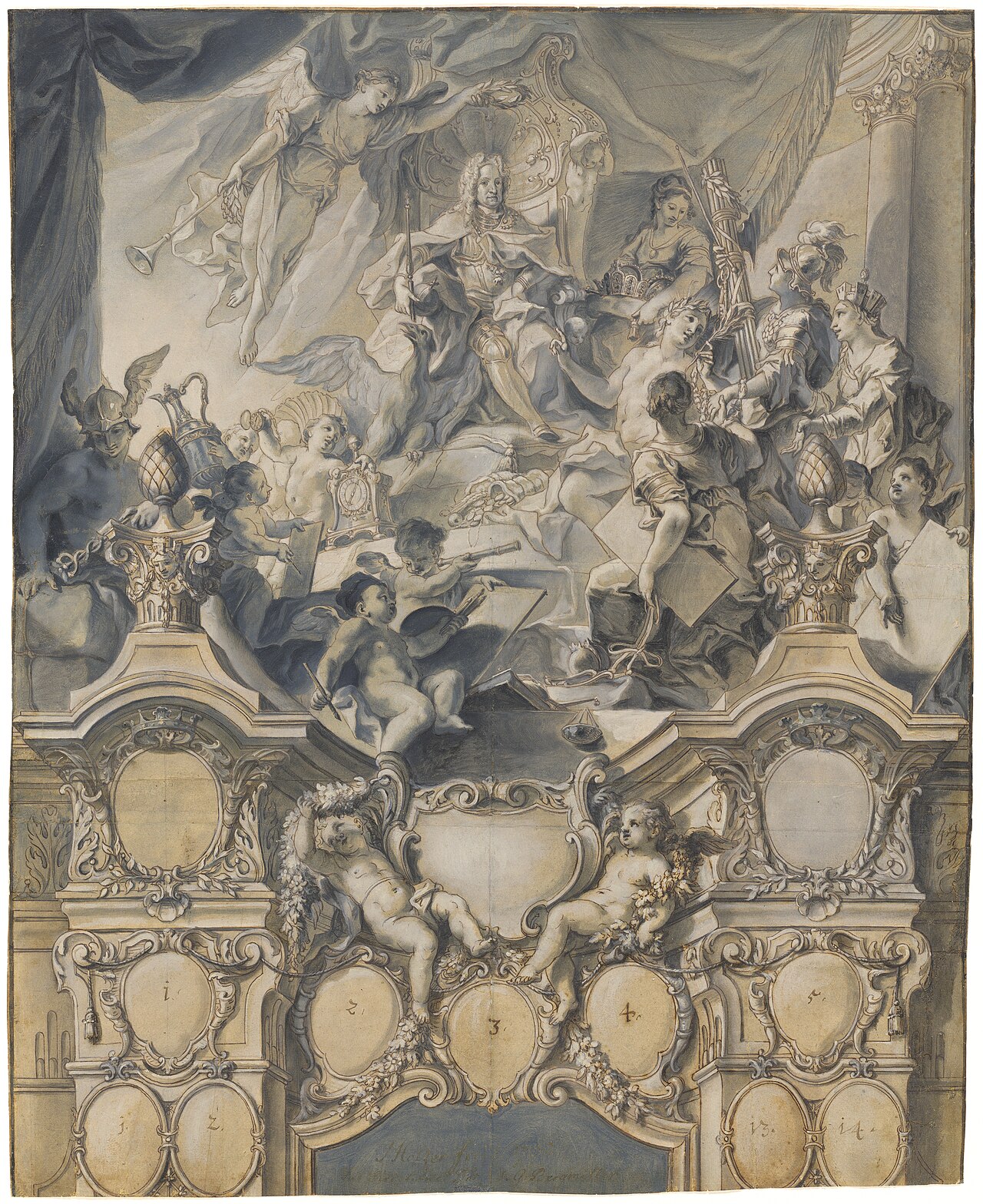
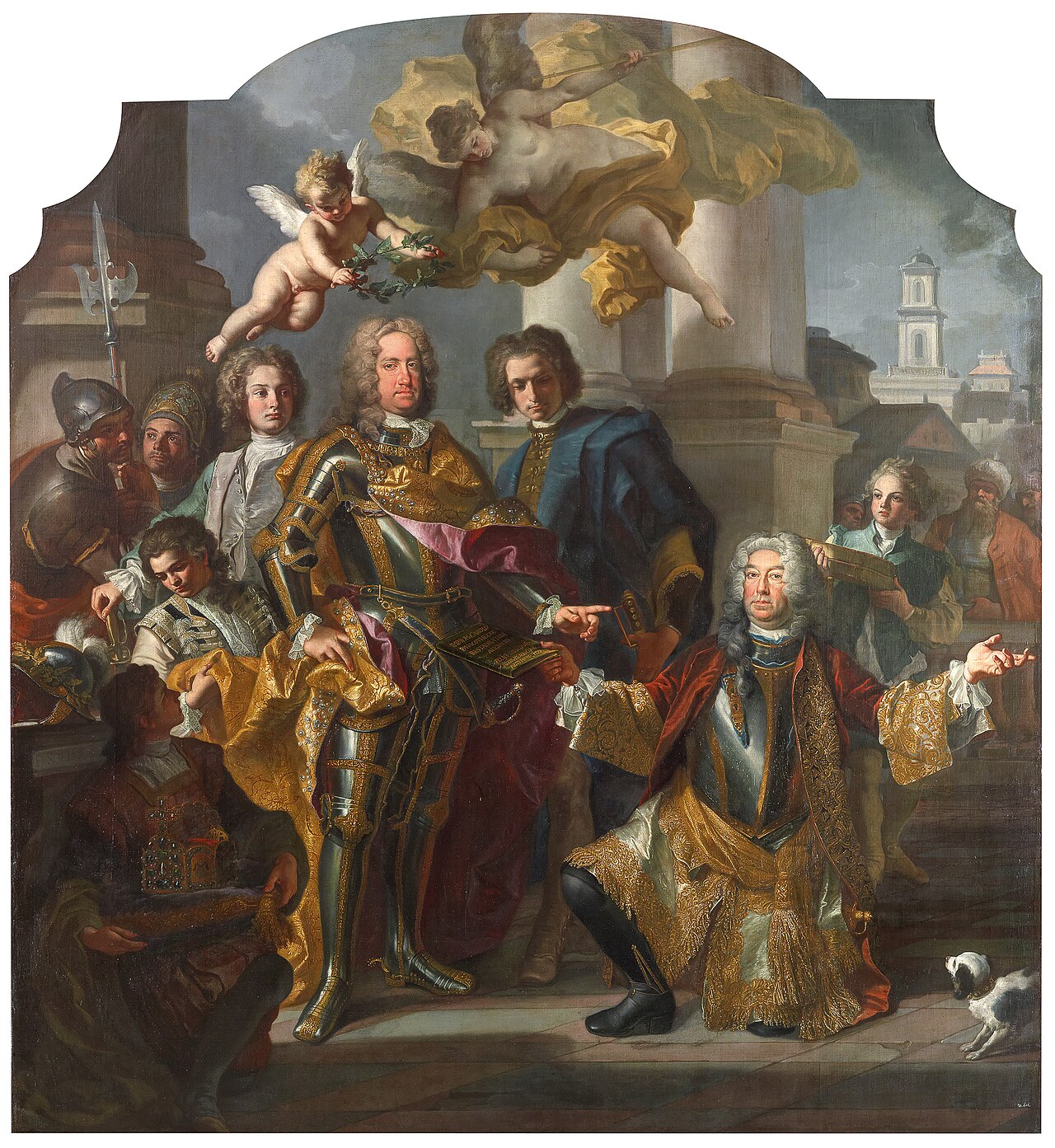
The Arts and Powers Pay Homage to Emperor Charles VI
Johann Evangelist Holzer · 1732
An allegorical grey-wash drawing from 1732 showing personified Arts and Powers paying homage to the seated emperor, made during his reign.
This allegorical drawing honours Charles VI as emperor, showing how he was celebrated through symbolic imagery during his reign.
About this source
What it is
This is a grey-wash drawing made in 1732 by Johann Evangelist Holzer. It shows an allegorical scene: a seated emperor holding a sceptre sits under a canopy, surrounded by winged figures, a helmeted warrior, a crowned woman, and putti carrying music and books.
Why it matters
The drawing was created in Charles VI's lifetime to honour him through allegory, a common way for artists to flatter rulers by surrounding them with symbols of learning, war, and the arts. It shows how the emperor wanted to be seen - as a wise and powerful patron admired by all the powers of the world.
Look closer
- What do the different figures (warrior, crowned woman, putti with books) seem to represent?
- Why might an artist choose allegory instead of a straightforward portrait to praise a ruler?
- What does this image NOT tell us about the emperor's actual rule?
This painting is part of the curated material that grounds the AI version of Charles VI, Holy Roman Emperor on Humy.ai — when students ask about related events, the AI can quote it and cite it.
More Charles VI, Holy Roman Emperor sources
Browse all 91 →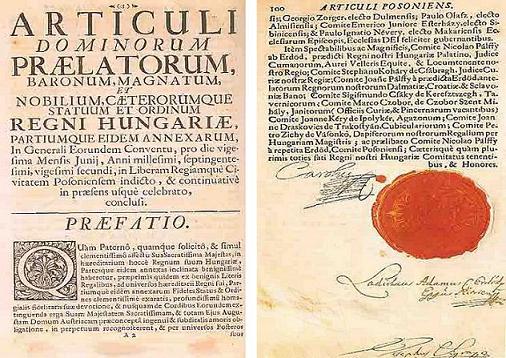 Document
Primary source
Pragmatic Sanction of 1713
Charles VI, Holy Roman Emperor · 1713
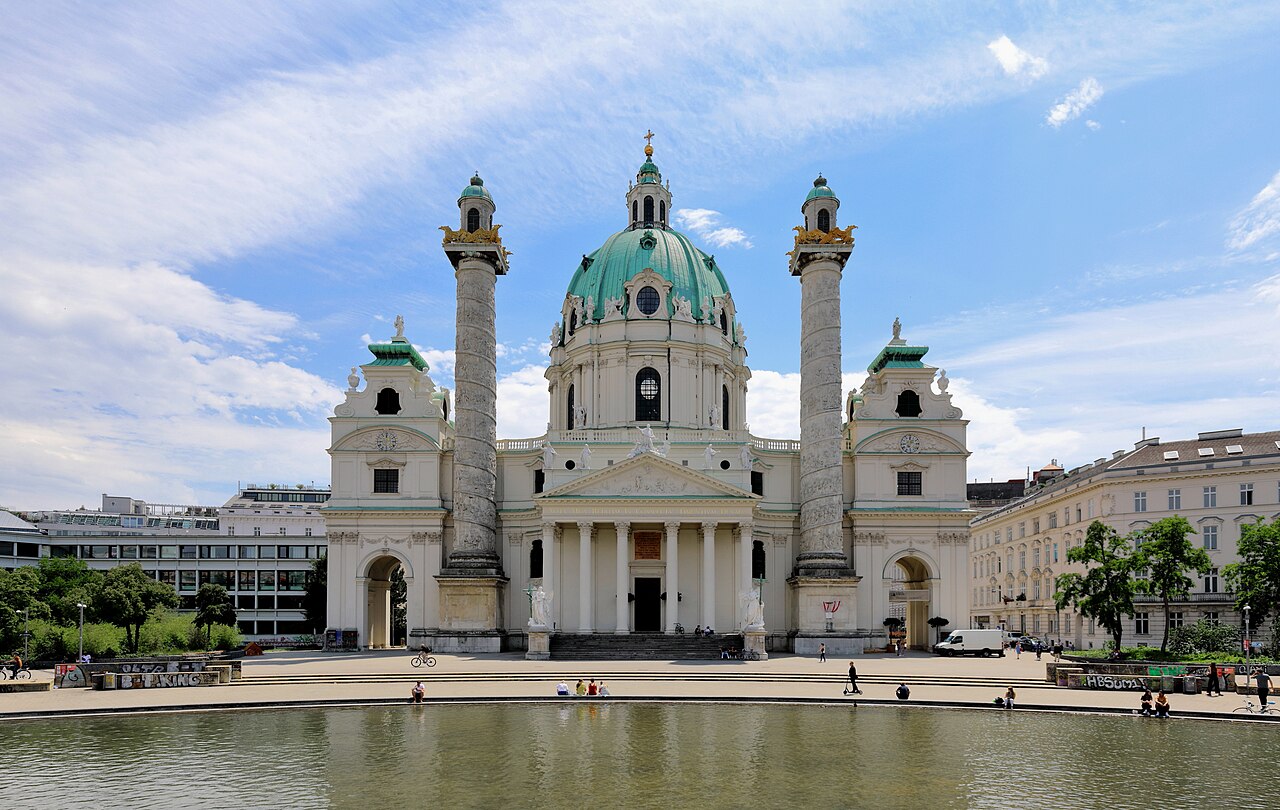 Artifact
Primary source
Karlskirche
Johann Bernhard Fischer von Erlach · 1716-1737
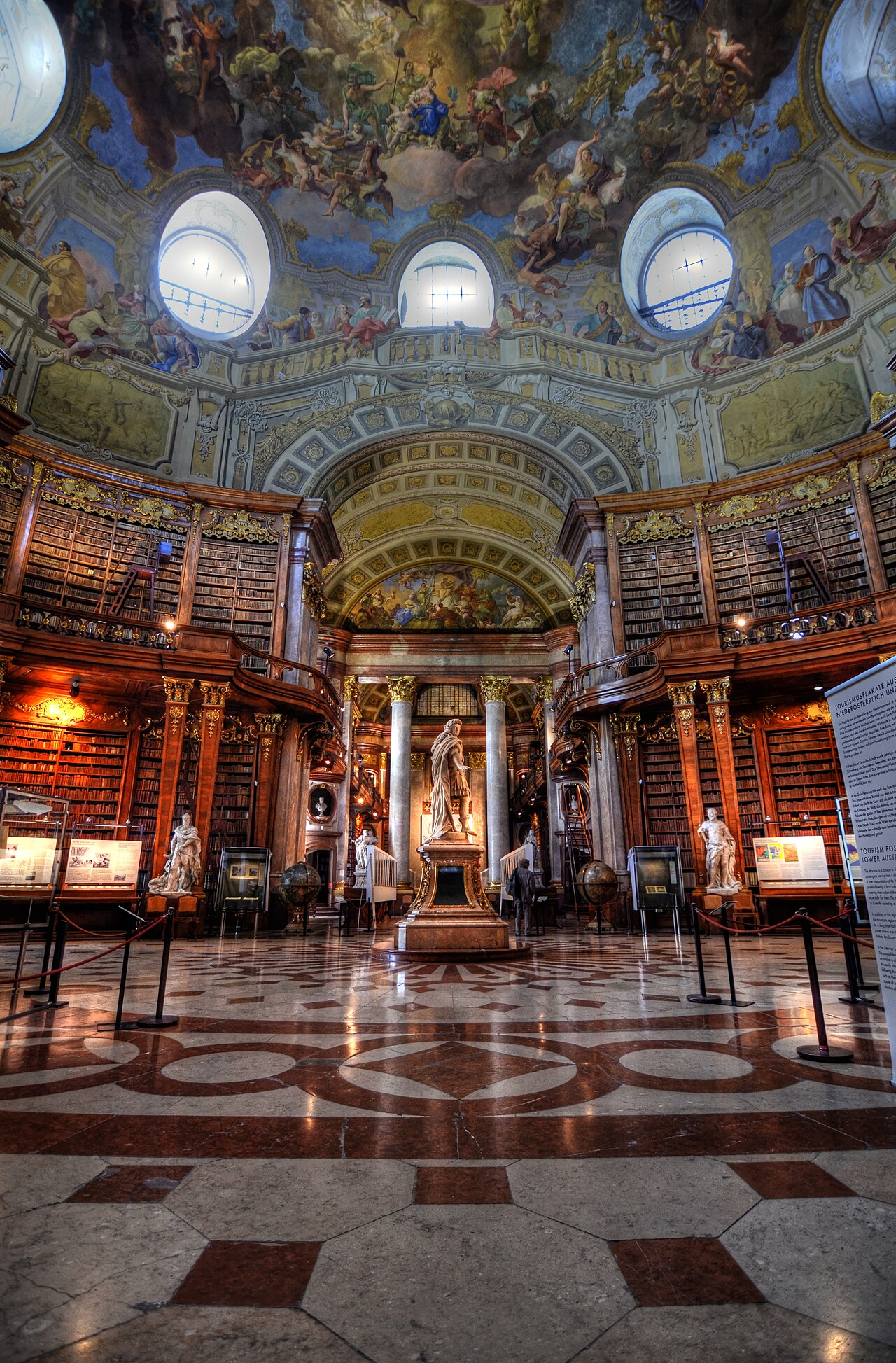 Artifact
Primary source
Austrian National Library State Hall
Johann Bernhard Fischer von Erlach · commissioned 1722
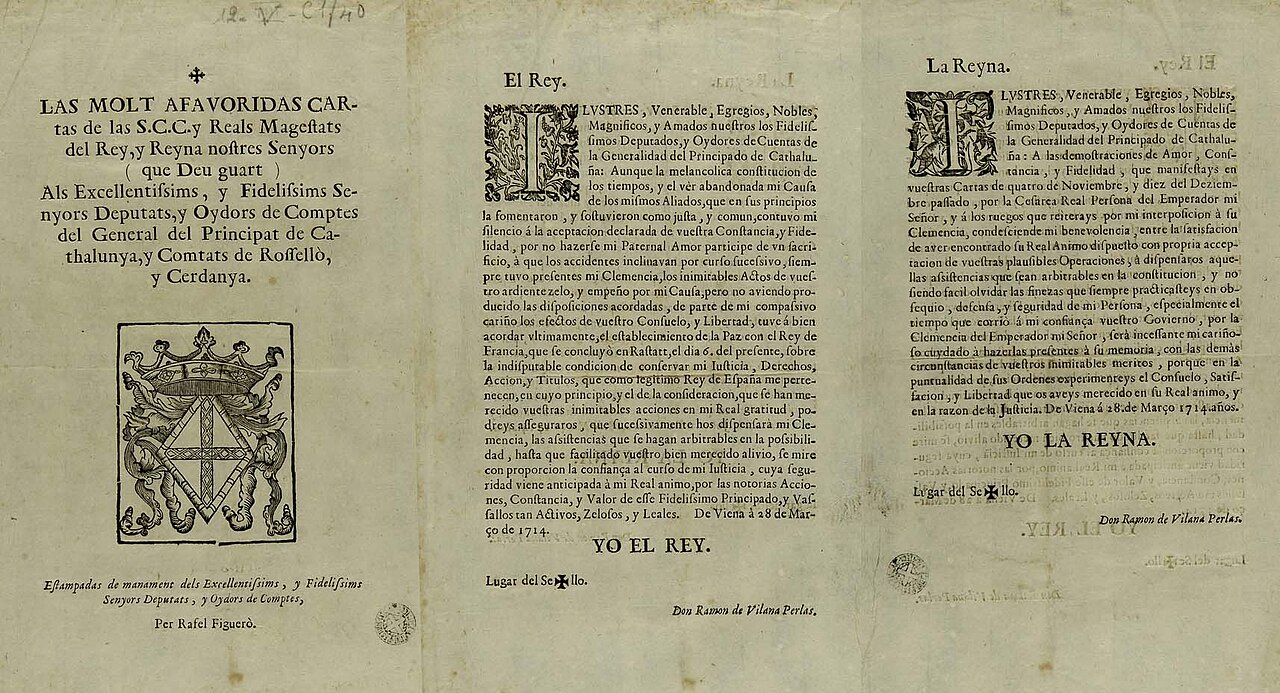 Letter
Primary source
Letter Announcing the Treaty of Rastatt to the Catalan Generalitat
Charles VI, Holy Roman Emperor · 1714
Free account
Read every Charles VI, Holy Roman Emperor source
Sign up free →
Ready when you are
Start chatting with Charles VI, Holy Roman Emperor now.
20 messages free · No credit card · Available in 50+ languages.