


Secondary sourceSculpturec. 1428-1430
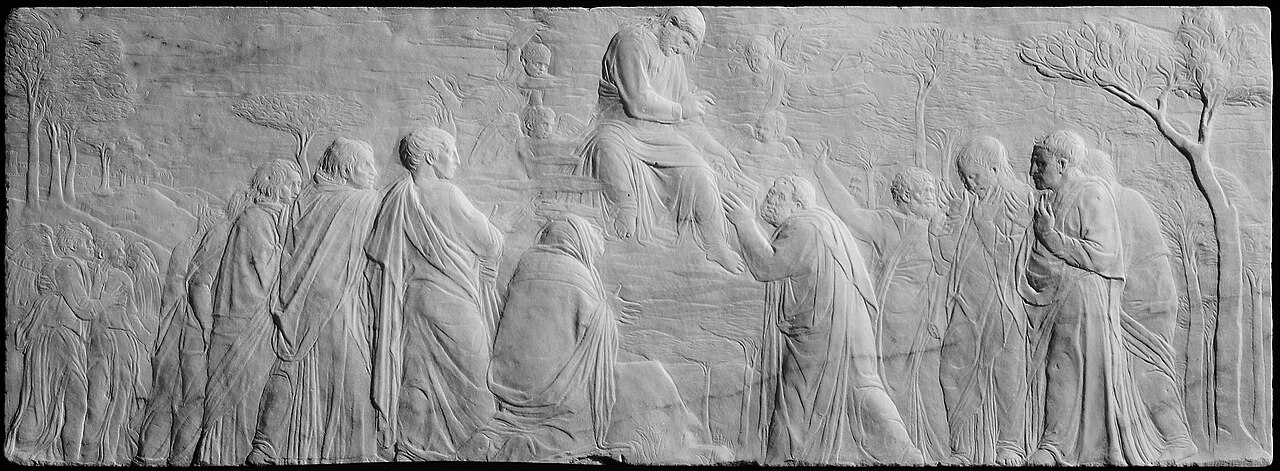
The Ascension with Christ Giving the Keys to Saint Peter
Donatello · c. 1428-1430
A marble relief by Donatello showing Christ giving the keys of the kingdom to Saint Peter, combined with the Ascension.
Depicts Peter kneeling to receive the keys of the kingdom from Christ, a defining moment of his apostolic authority.
About this source
What it is
This is a shallow marble relief carved by the Italian sculptor Donatello around 1428–1430. It is now held in the Victoria and Albert Museum in London. The relief combines two scenes: the Ascension of Christ and Christ handing the keys of the kingdom to Saint Peter.
Why it matters
The relief is an unusual pairing of subjects, and its original commission is unknown. It was recorded in the inventory of the powerful Medici family after Lorenzo the Magnificent's death, and later in another Florentine collection. It may have decorated a chapel altar or the base of a niche dedicated to Saint Peter, showing how important the image of Peter receiving authority from Christ was to Florentine religious art.
Look closer
- What is Peter doing in the scene, and what does this gesture represent?
- Why might an artist combine two different biblical moments into one relief?
- What does the uncertainty over who commissioned this work tell us about how art history pieces together evidence?
This sculpture is part of the curated material that grounds the AI version of Saint Peter on Humy.ai — when students ask about related events, the AI can quote it and cite it.
More Saint Peter sources
Browse all 95 →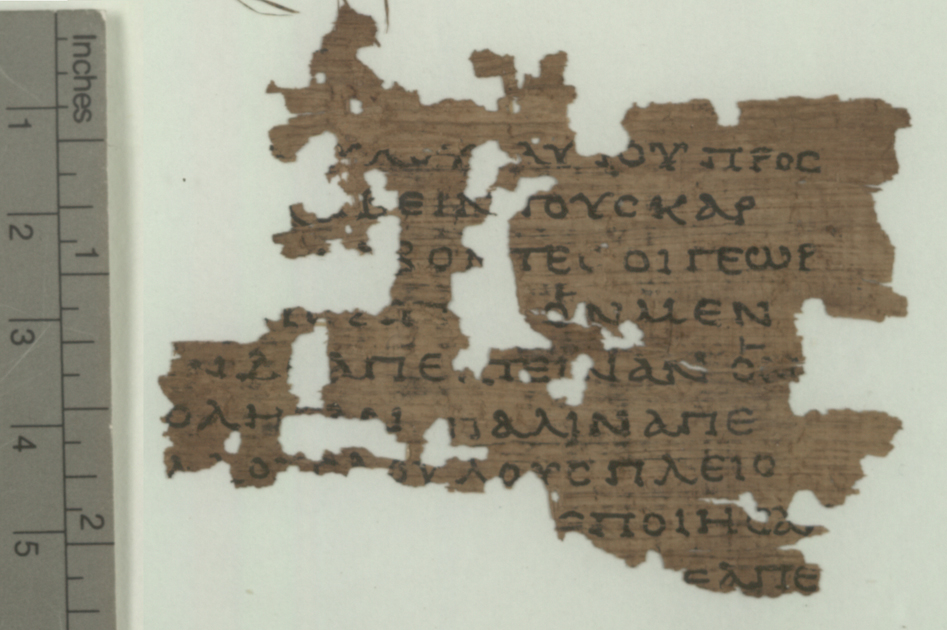 Book
Secondary source
Gospel of Matthew
Matthew the Apostle · late 1st century AD
 Book
Secondary source
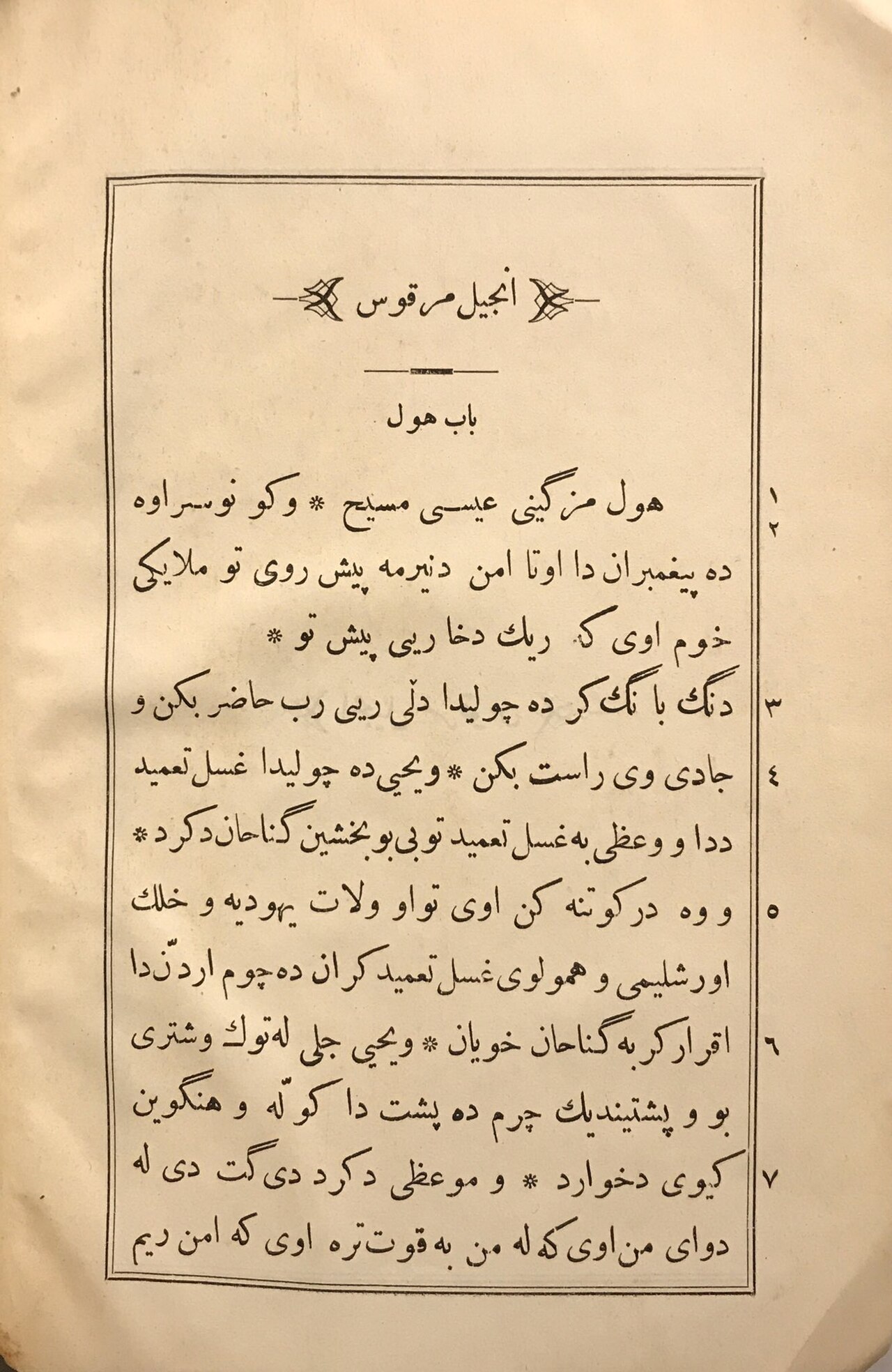
Gospel of Mark
Mark the Evangelist · c. AD 66-75
 Book
Secondary source
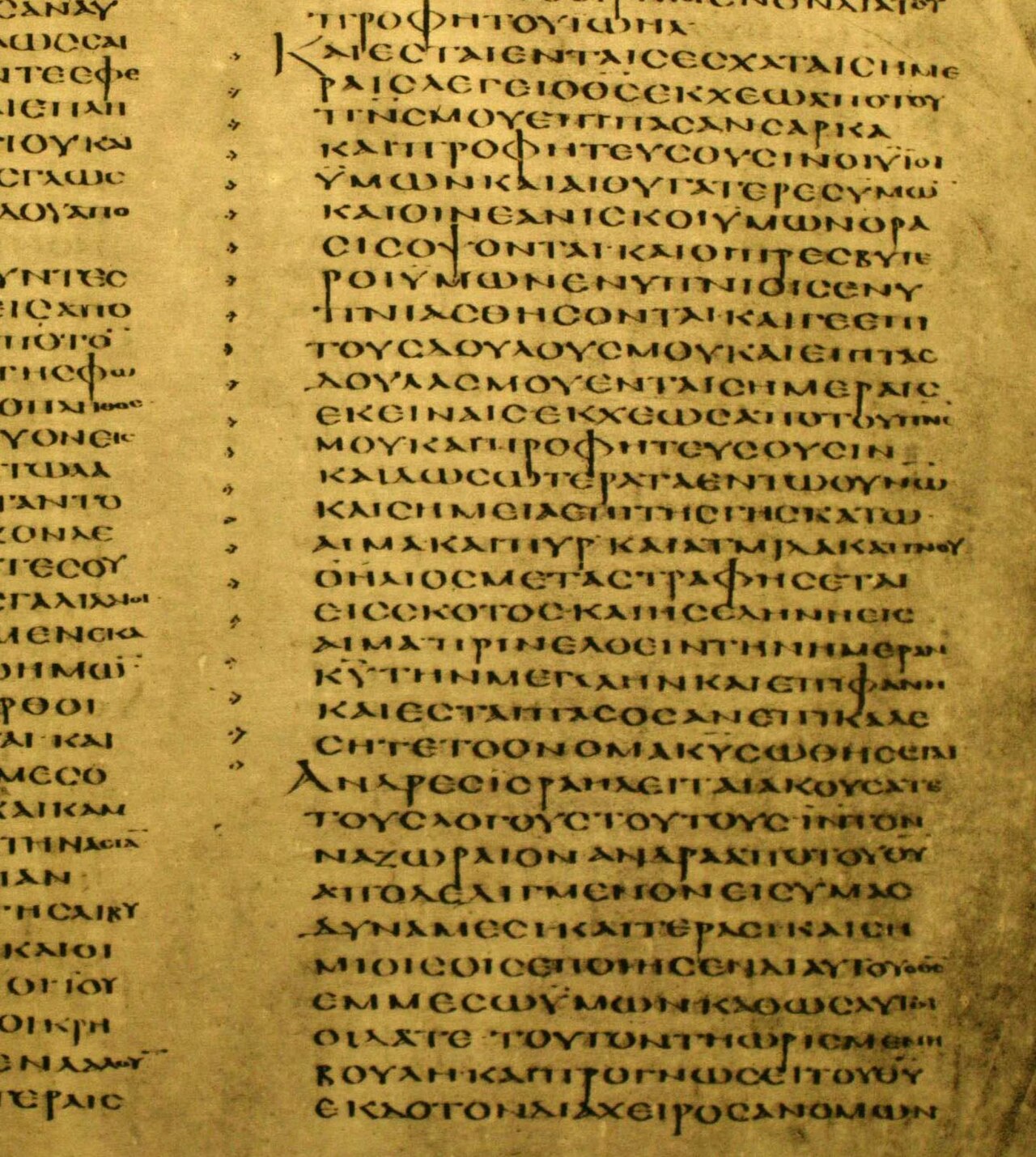
Acts of the Apostles
Luke the Evangelist · c. 80-90 AD
 Letter
Primary source
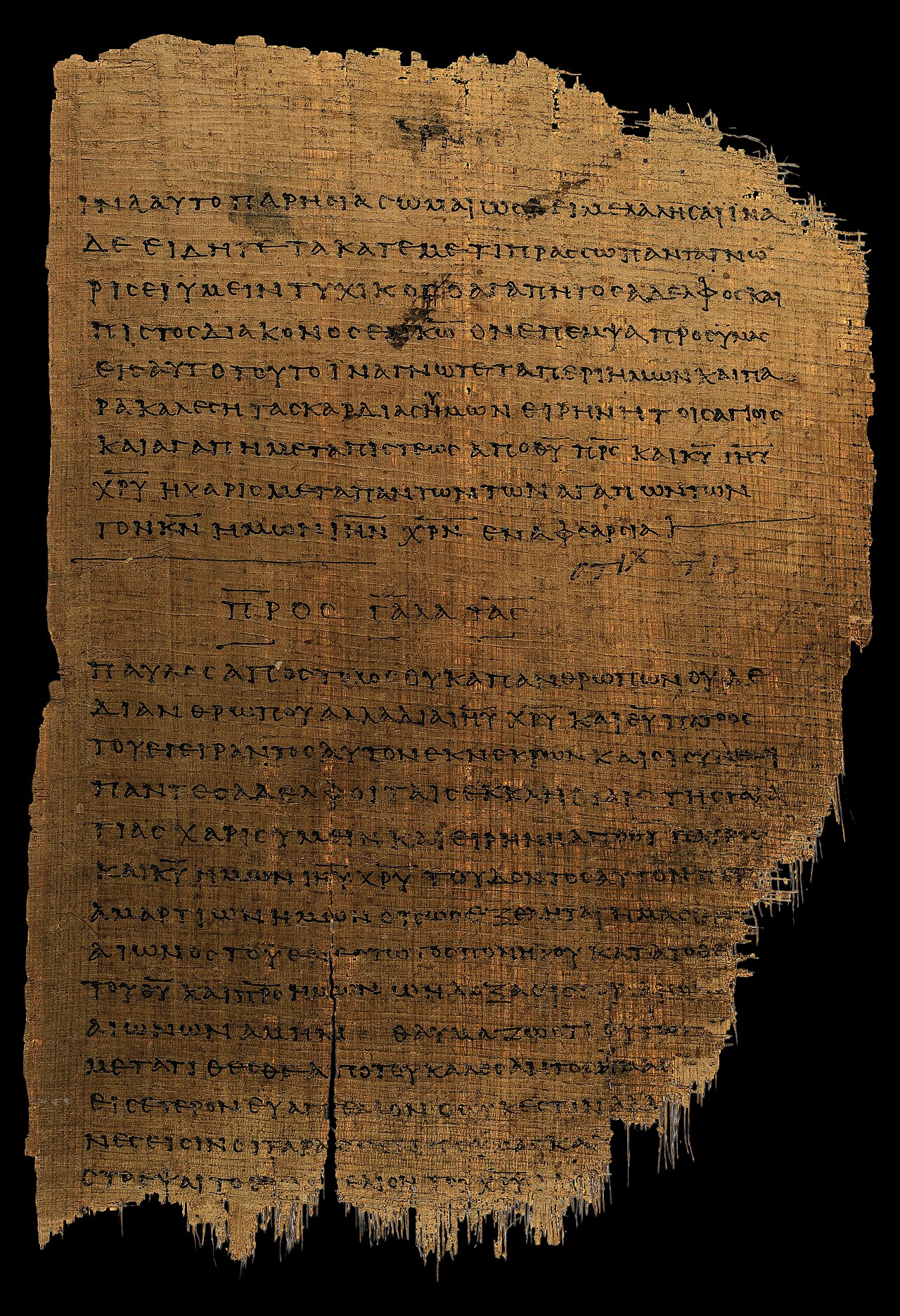
Epistle to the Galatians
Paul the Apostle · c. AD 48
Free account
Read every Saint Peter source
Sign up free →
Ready when you are
Start chatting with Saint Peter now.
20 messages free · No credit card · Available in 50+ languages.