


Primary sourcePainting1568
The Beggars
Pieter Bruegel the Elder · 1568
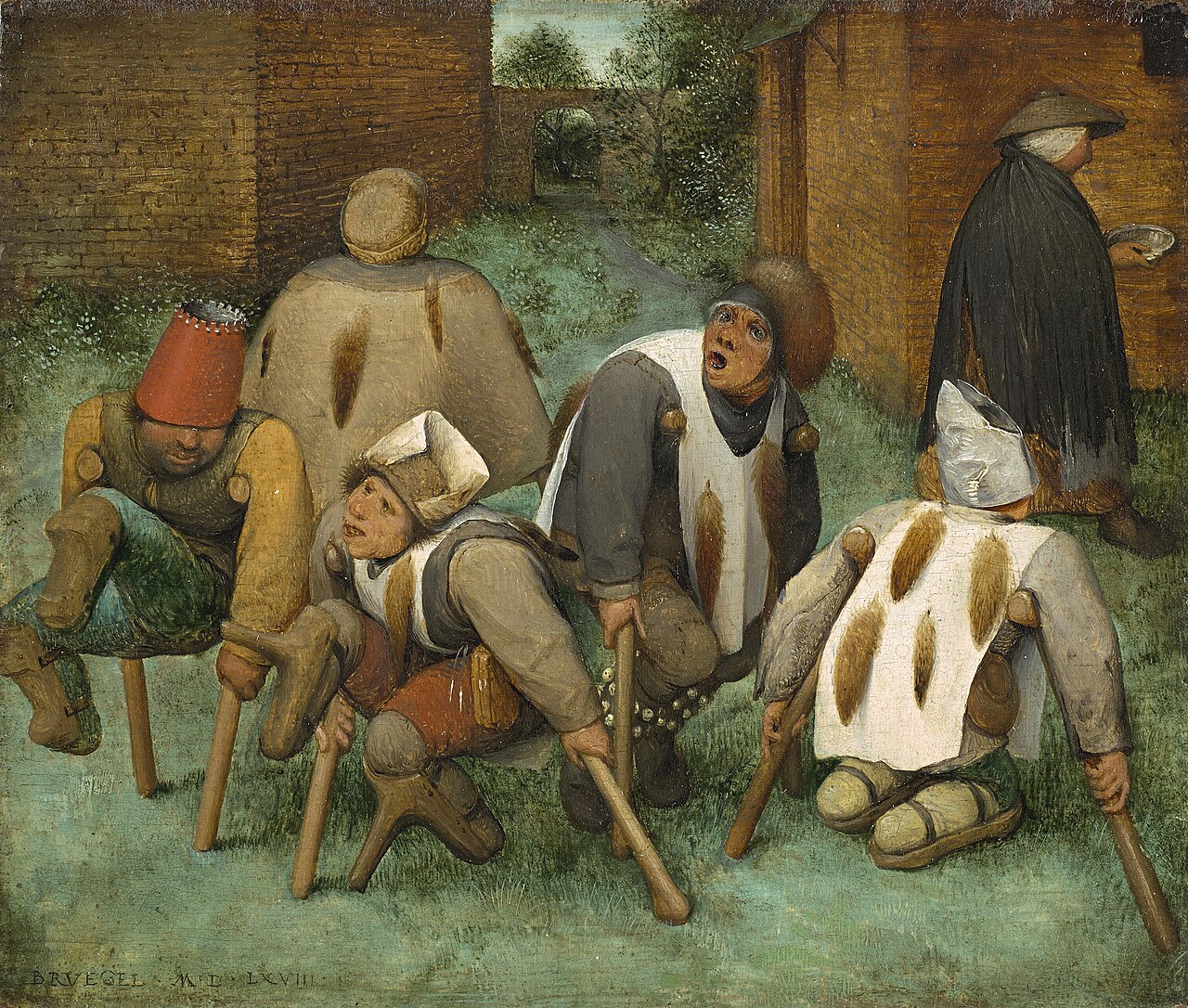
A small, late panel by Bruegel showing five disabled beggars wearing fox tails, painted in 1568.
A late, small panel by Bruegel whose satirical depiction of disabled beggars has long puzzled historians.
About this source
What it is
This small oil-on-panel painting was made in 1568 by Pieter Bruegel the Elder, near the end of his career. It shows five disabled men and a beggar woman outside a town wall, wearing carnival headgear suggesting different social classes. It is now in the Louvre in Paris, the only painting by Bruegel held there.
Why it matters
The fox or badger tails worn by the figures have been linked by some to the Gueux, rebels against Spanish rule, though the same motif appears in an earlier Bruegel work too. The painting's satirical meaning has never been fully settled, and historians note that Bruegel's era had little sympathy for beggars, suggesting the scene may mock rather than comfort its subjects.
Look closer
- What different social classes do the headgear on each figure represent?
- Does the painting ask you to feel sympathy for these men, or something else?
- Why might the meaning of a 450-year-old satire be hard to pin down today?
This painting is part of the curated material that grounds the AI version of Pieter Bruegel the Elder on Humy.ai — when students ask about related events, the AI can quote it and cite it.
More Pieter Bruegel the Elder sources
Browse all 96 →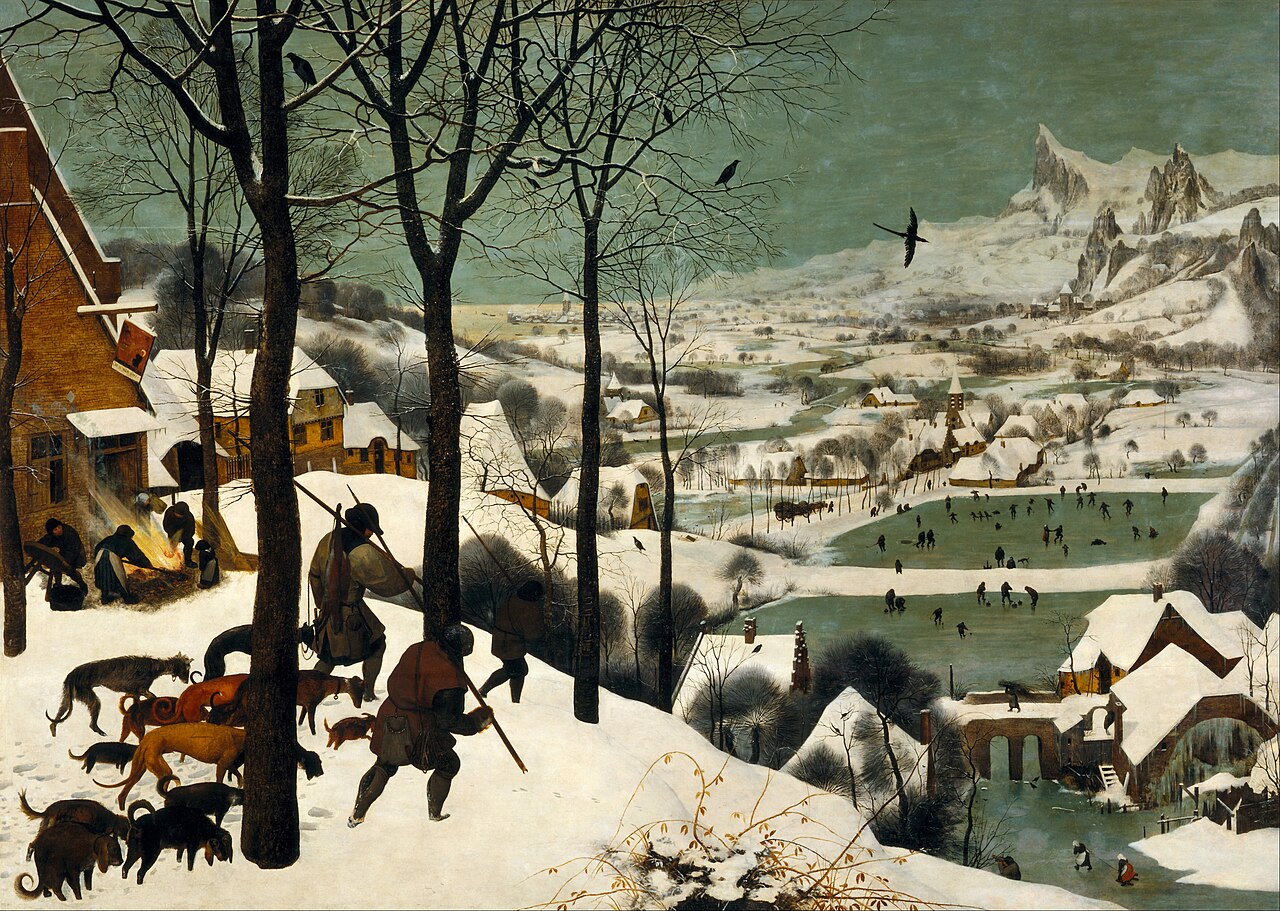 Painting
Primary source
The Hunters in the Snow
Pieter Bruegel the Elder · 1565
 Painting
Primary source
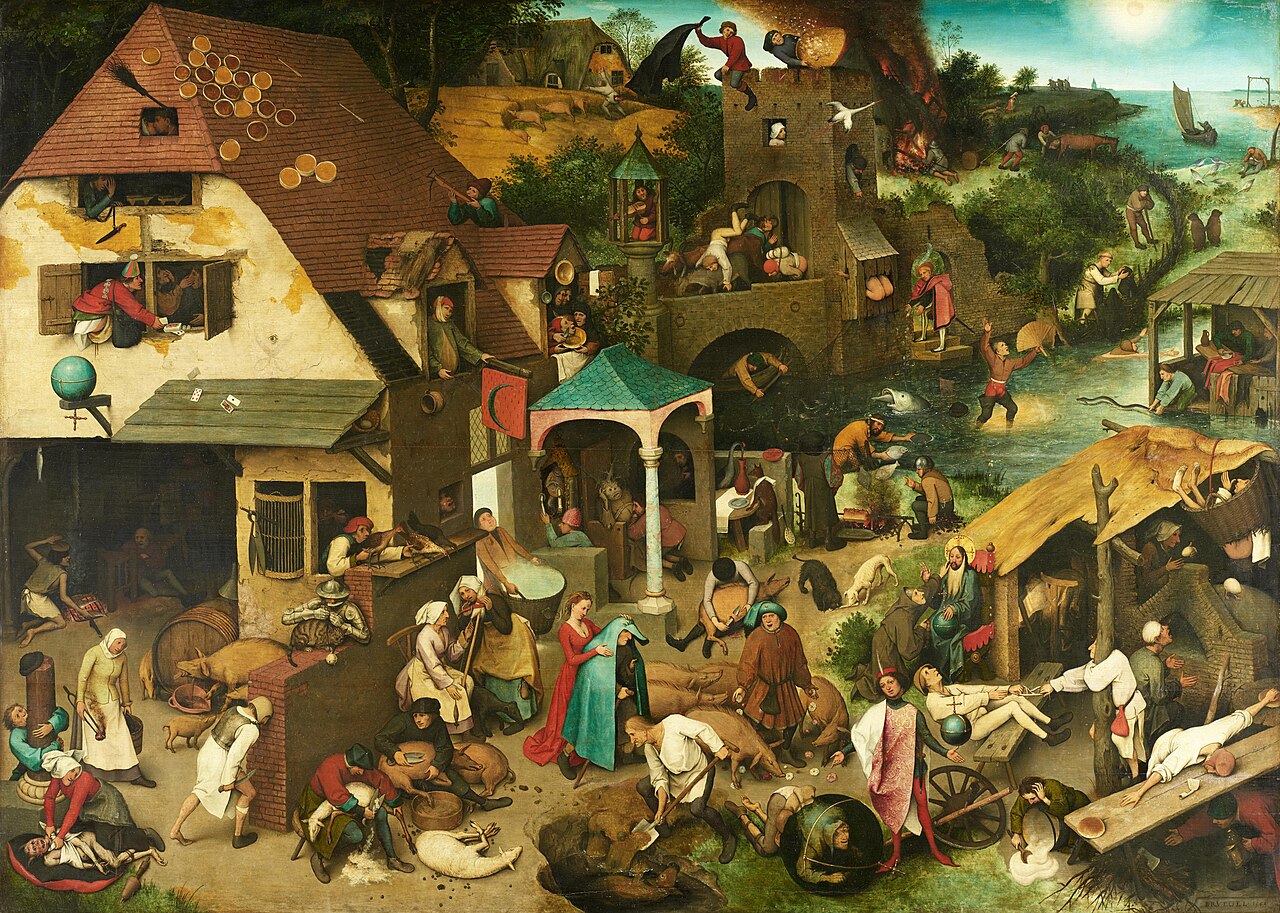
Netherlandish Proverbs
Pieter Bruegel the Elder · 1559
 Painting
Secondary source
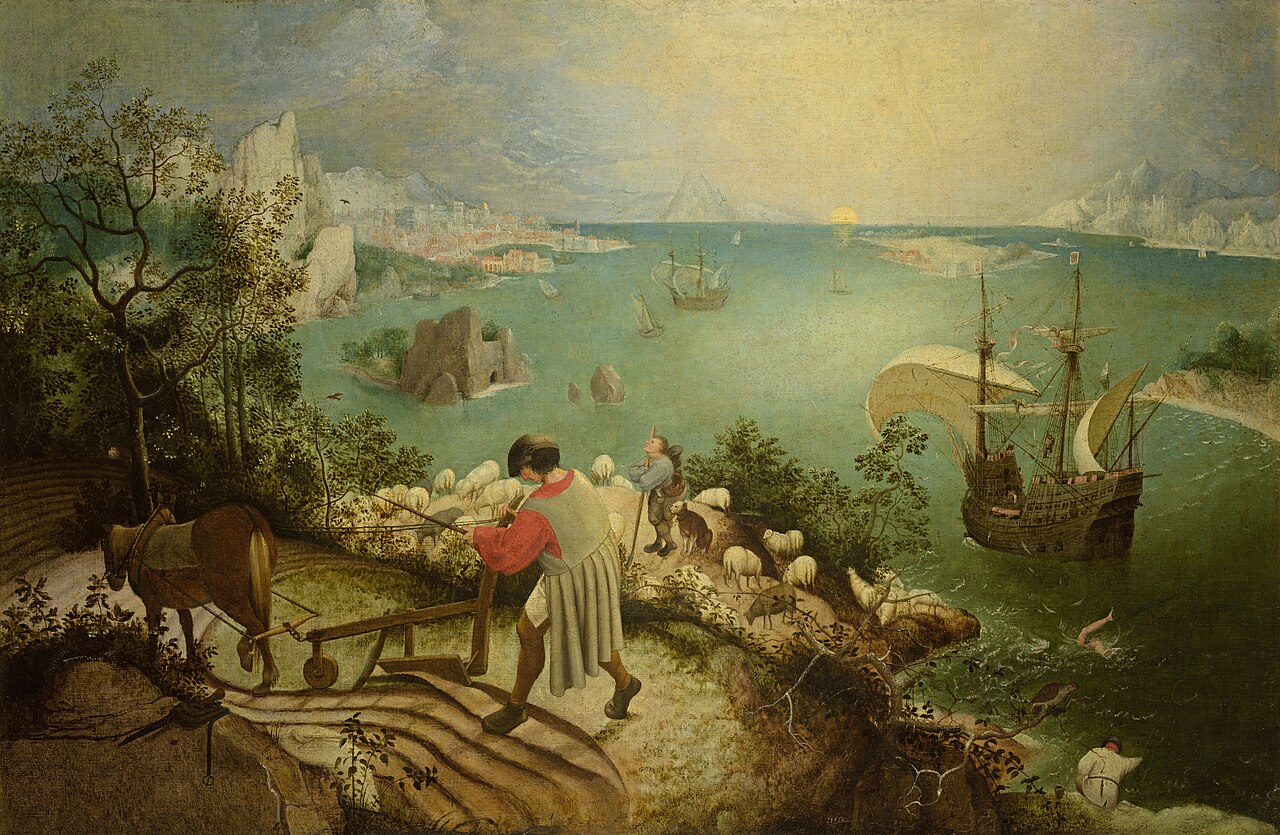
Landscape with the Fall of Icarus
Unknown (circle of Pieter Bruegel the Elder) · c. 1560s
 Painting
Primary source
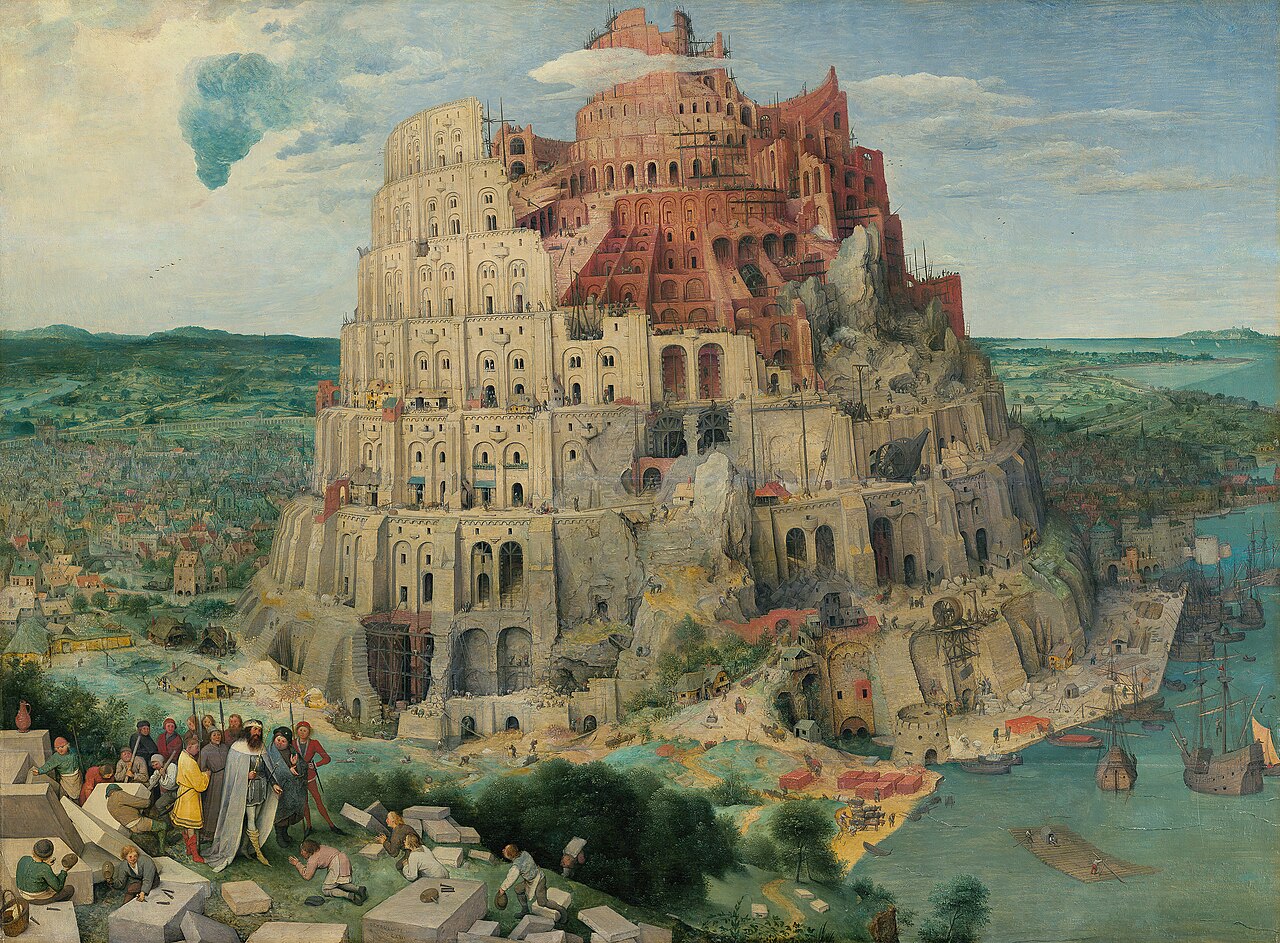
The Tower of Babel
Pieter Bruegel the Elder · 1563
Free account
Read every Pieter Bruegel the Elder source
Sign up free →
Ready when you are
Start chatting with Pieter Bruegel the Elder now.
20 messages free · No credit card · Available in 50+ languages.