


Secondary sourcePainting1695
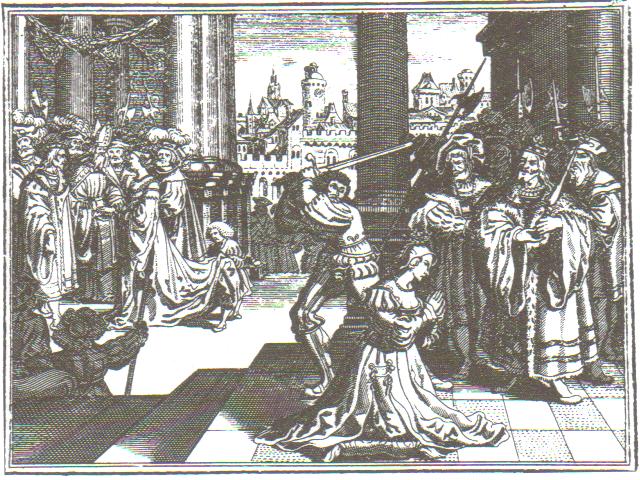
The Beheading of Anne Boleyn
Unknown · 1695
A 1695 engraving depicting the execution of Anne Boleyn, made over a century after the event.
A later imagined depiction of Anne Boleyn's execution, made more than a century after her death.
About this source
What it is
This anonymous engraving, from a work called Bilder Saals and dated 1695, shows a kneeling woman about to be beheaded by a swordsman in a stone hall, watched by richly dressed onlookers. It depicts the execution of Anne Boleyn, which took place more than 150 years before the print was made.
Why it matters
This image reflects how Anne Boleyn's execution became a dramatic, widely retold story across Europe long after it happened. Because the engraving was made so long after the event, it shows an imagined version of the scene rather than an eyewitness record, revealing how her downfall was remembered and dramatized by later generations.
Look closer
- What details suggest this is an imagined reconstruction rather than an eyewitness image?
- Why might onlookers be shown richly dressed and composed rather than distressed?
- How might this image shape the way people remember Anne Boleyn's death?
This painting is part of the curated material that grounds the AI version of Ann Boleyn on Humy.ai — when students ask about related events, the AI can quote it and cite it.
More Ann Boleyn sources
Meet the AI Ann Boleyn →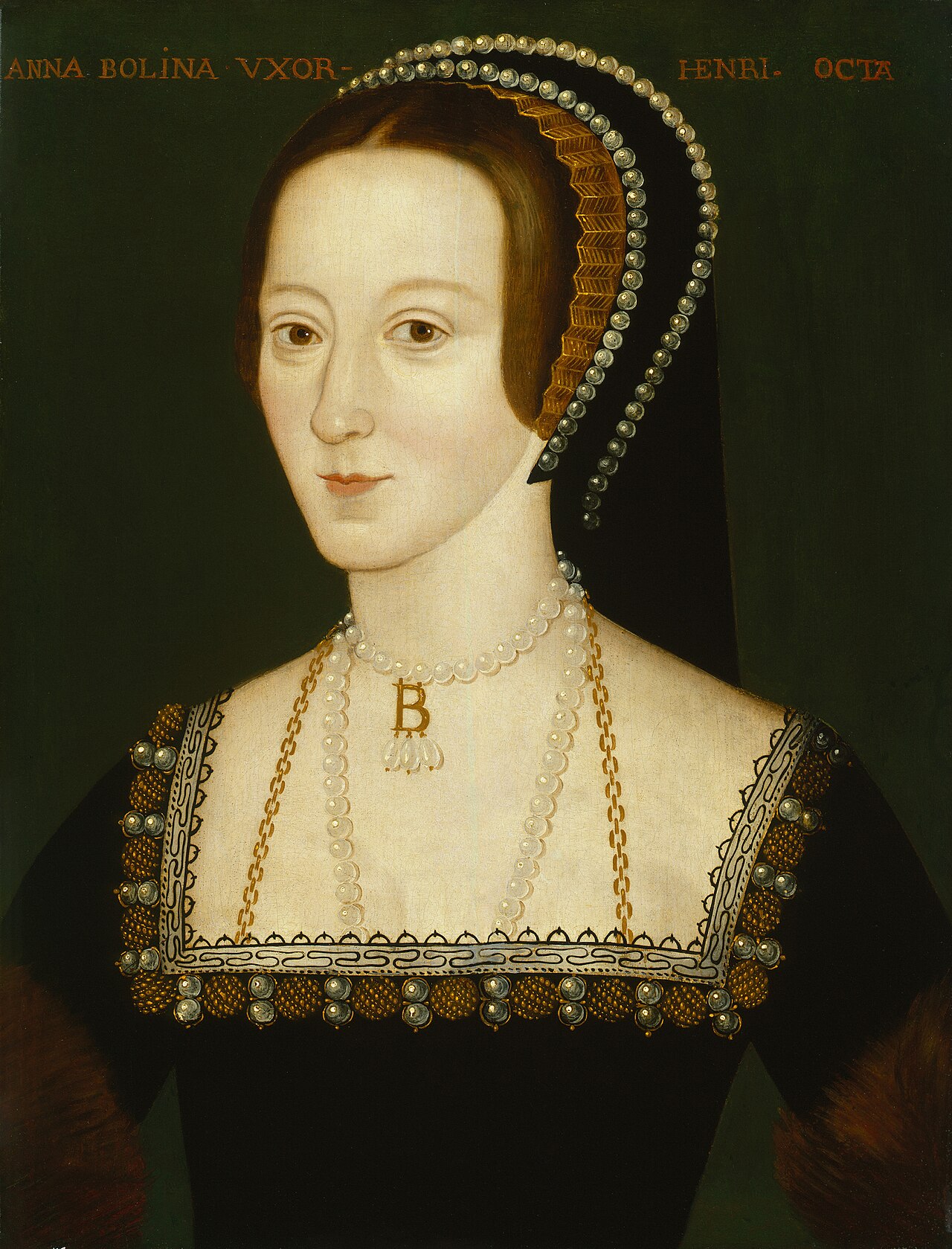 Painting
Secondary source
Anne Boleyn
Unknown artist · late 16th century (copy of lost original)
 Letter
Primary source
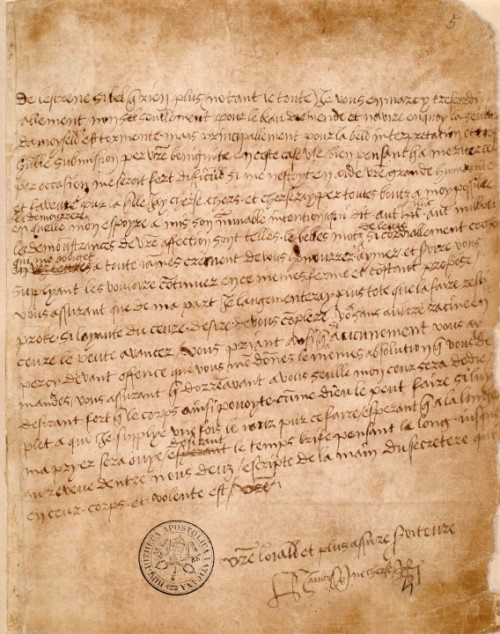
Love letters of Henry VIII to Anne Boleyn
Henry VIII · c. 1527–1528
 Painting
Primary source
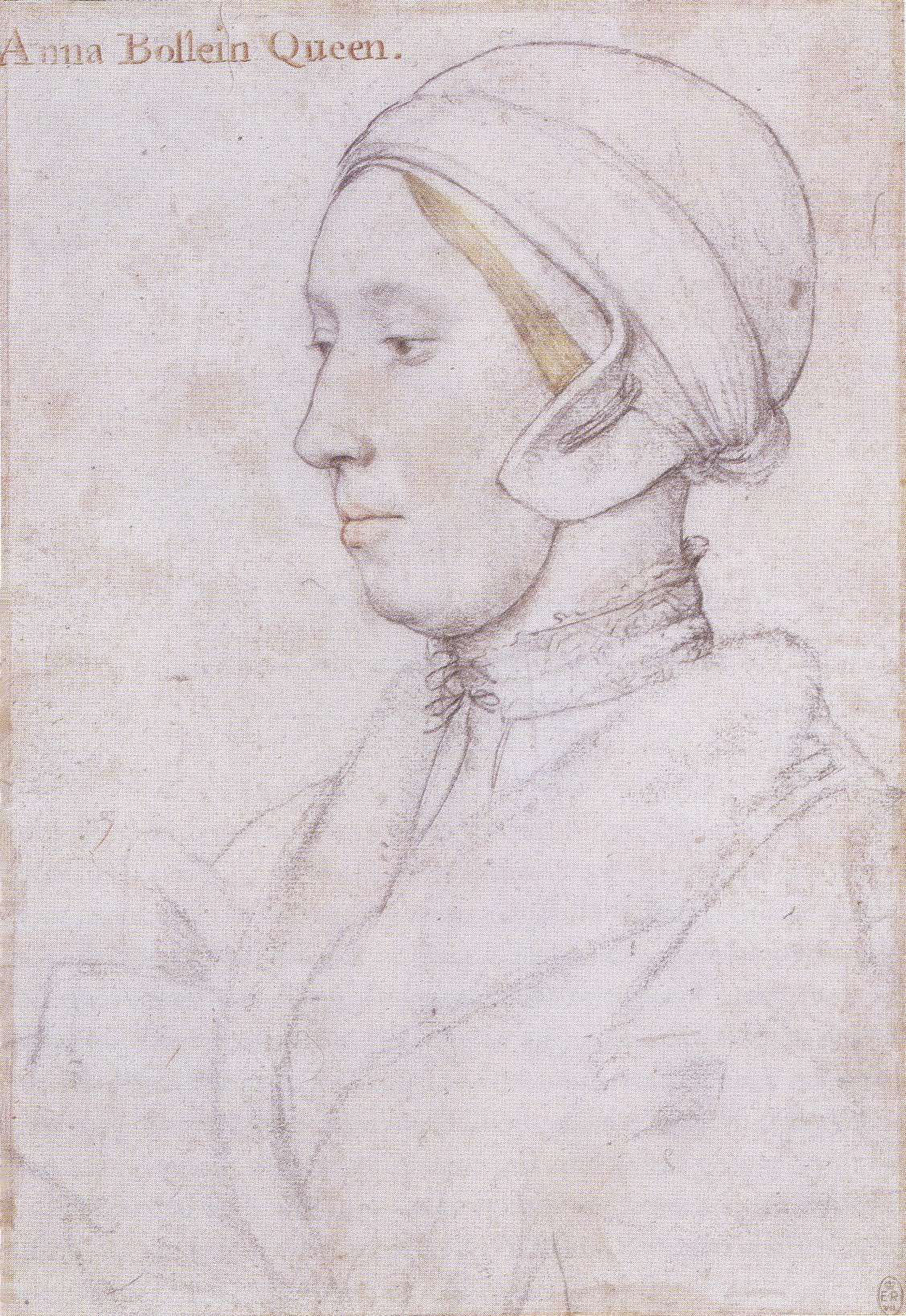
Anna Bollein Queen
Hans Holbein the Younger · c. 1533–1536
 Painting
Primary source
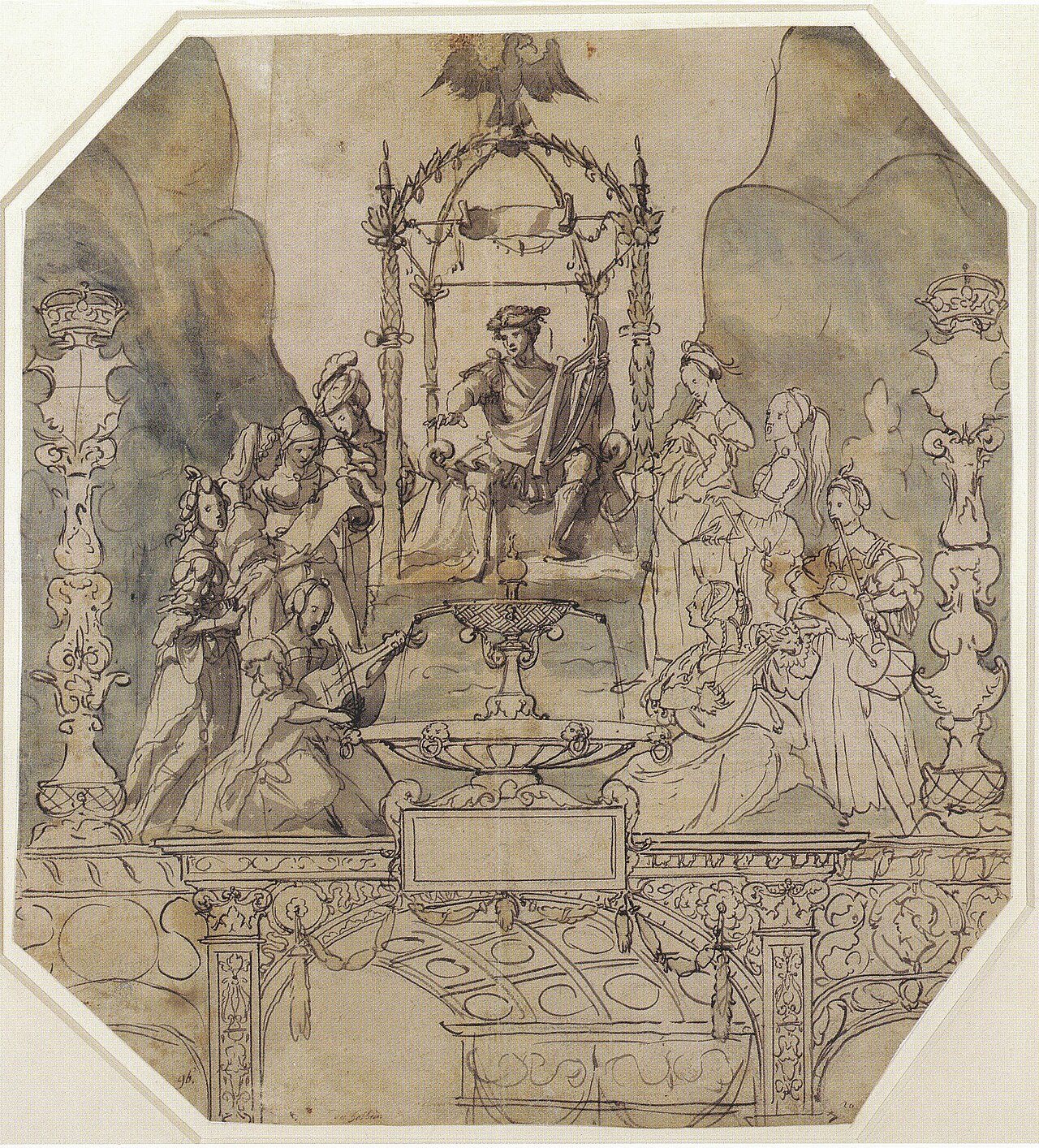
Apollo and the Muses on Parnassus
Hans Holbein the Younger · 1533
 Document
Primary source
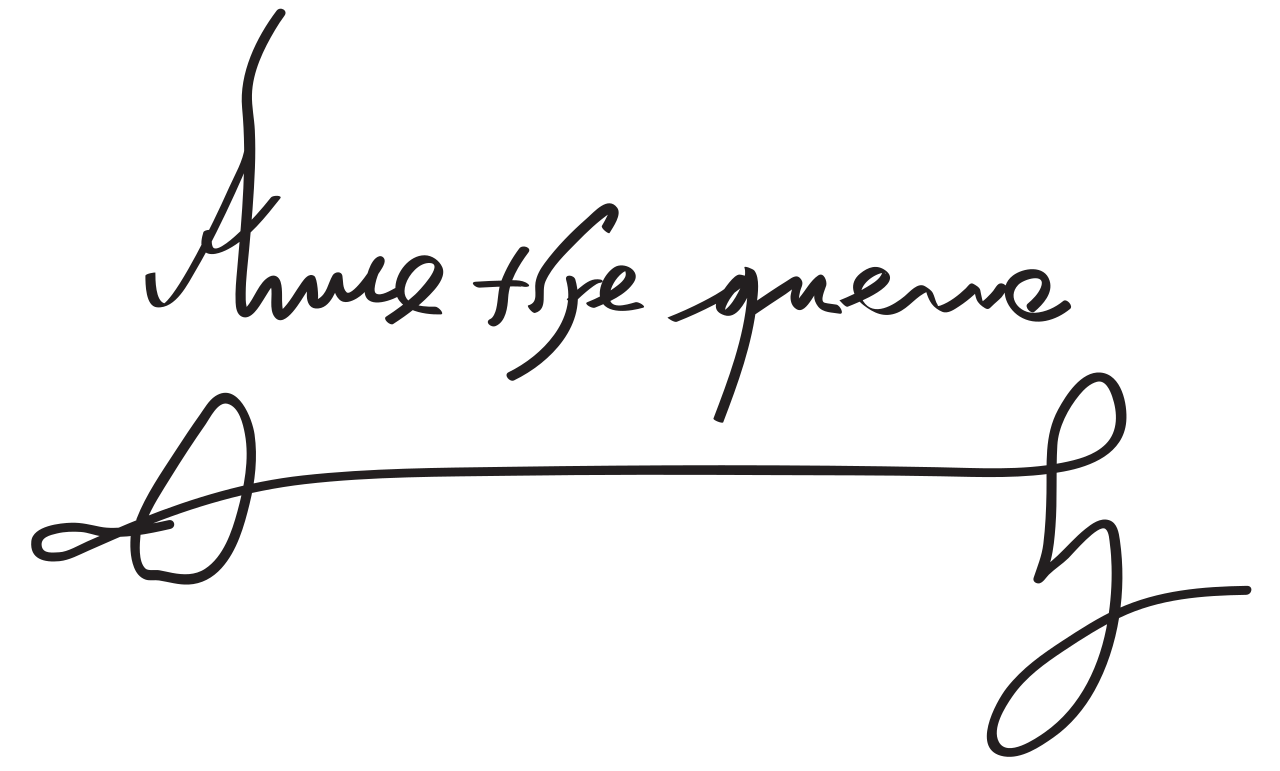
Signature of Anne Boleyn
Anne Boleyn
Ready when you are
Start chatting with Ann Boleyn now.
20 messages free · No credit card · Available in 50+ languages.