


Primary sourceNewspaper article1889
The Best Fields for Philanthropy
Andrew Carnegie · 1889
Andrew Carnegie's 1889 essay ranking libraries, universities, parks and concert halls as the best objects for charitable giving.
Carnegie wrote this essay himself, setting out the philanthropic priorities that guided his later donations.
About this source
What it is
The Best Fields for Philanthropy is an essay written by Andrew Carnegie, published in 1889 in The North American Review as a follow-up to his earlier essay on wealth. In it, Carnegie sets out which kinds of charitable giving he considers most valuable.
Why it matters
This essay became the blueprint for Carnegie's own later giving, which included libraries, universities, parks and concert halls, such as Carnegie Hall. It shows how Carnegie thought carefully about where his fortune could do the most good, rather than giving money without a plan, reflecting the broader debates of his era about the responsibilities of the very wealthy.
Look closer
- Why might Carnegie have written a second essay specifically about where philanthropy should go?
- What does his ranking of libraries and universities above other causes suggest about his values?
- How does this essay connect to the real buildings and institutions Carnegie later funded?
This newspaper article is part of the curated material that grounds the AI version of Andrew Carnegie on Humy.ai — when students ask about related events, the AI can quote it and cite it.
More Andrew Carnegie sources
Meet the AI Andrew Carnegie →Primary source
The Gospel of Wealth
Andrew Carnegie · June 1889
 Book
Primary source
The Autobiography of Andrew Carnegie
Andrew Carnegie · 1920 (published posthumously)
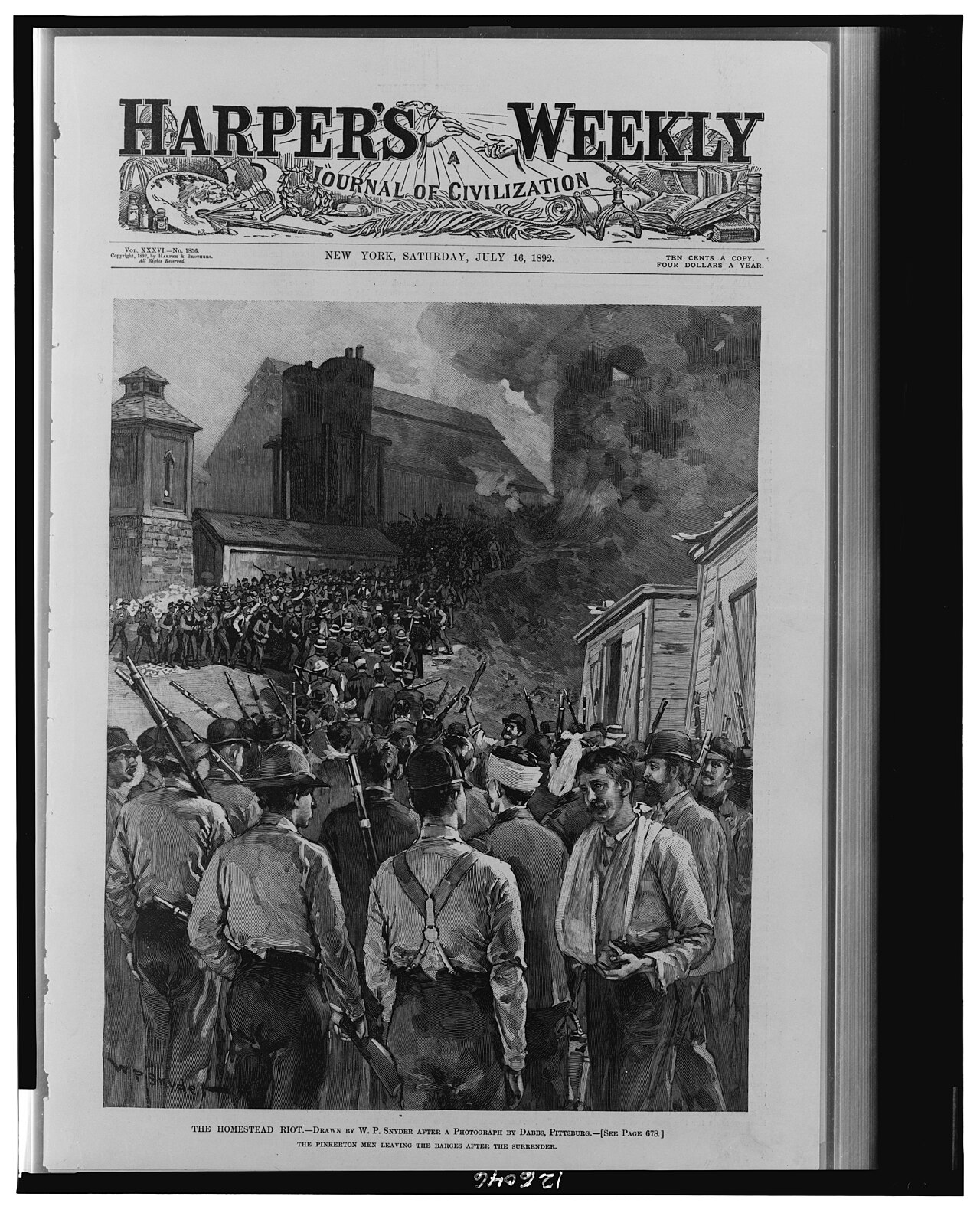 Newspaper article
Primary source
The Homestead Riot
W. P. Snyder · 16 July 1892
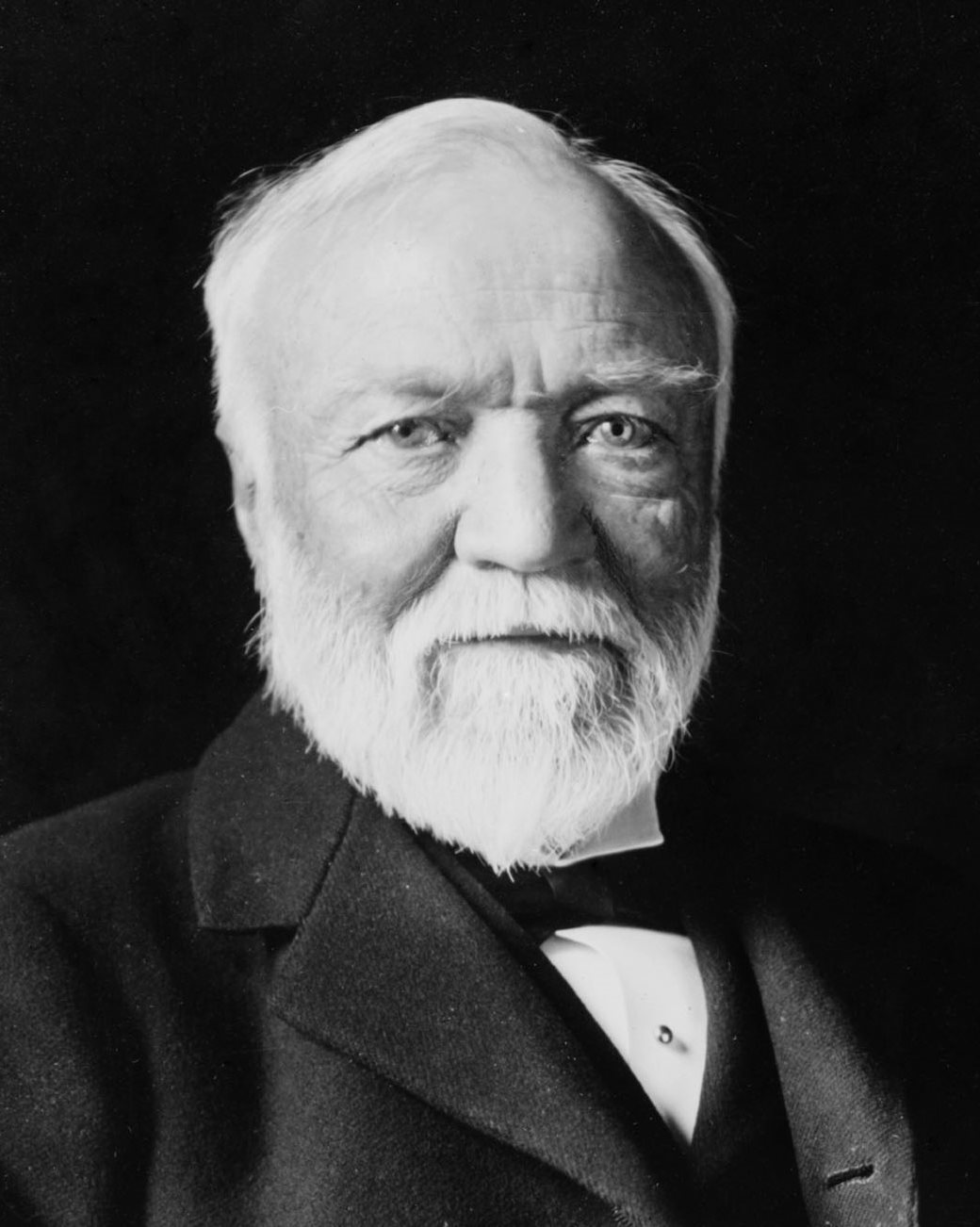 Photograph
Primary source
Portrait of Andrew Carnegie
1913
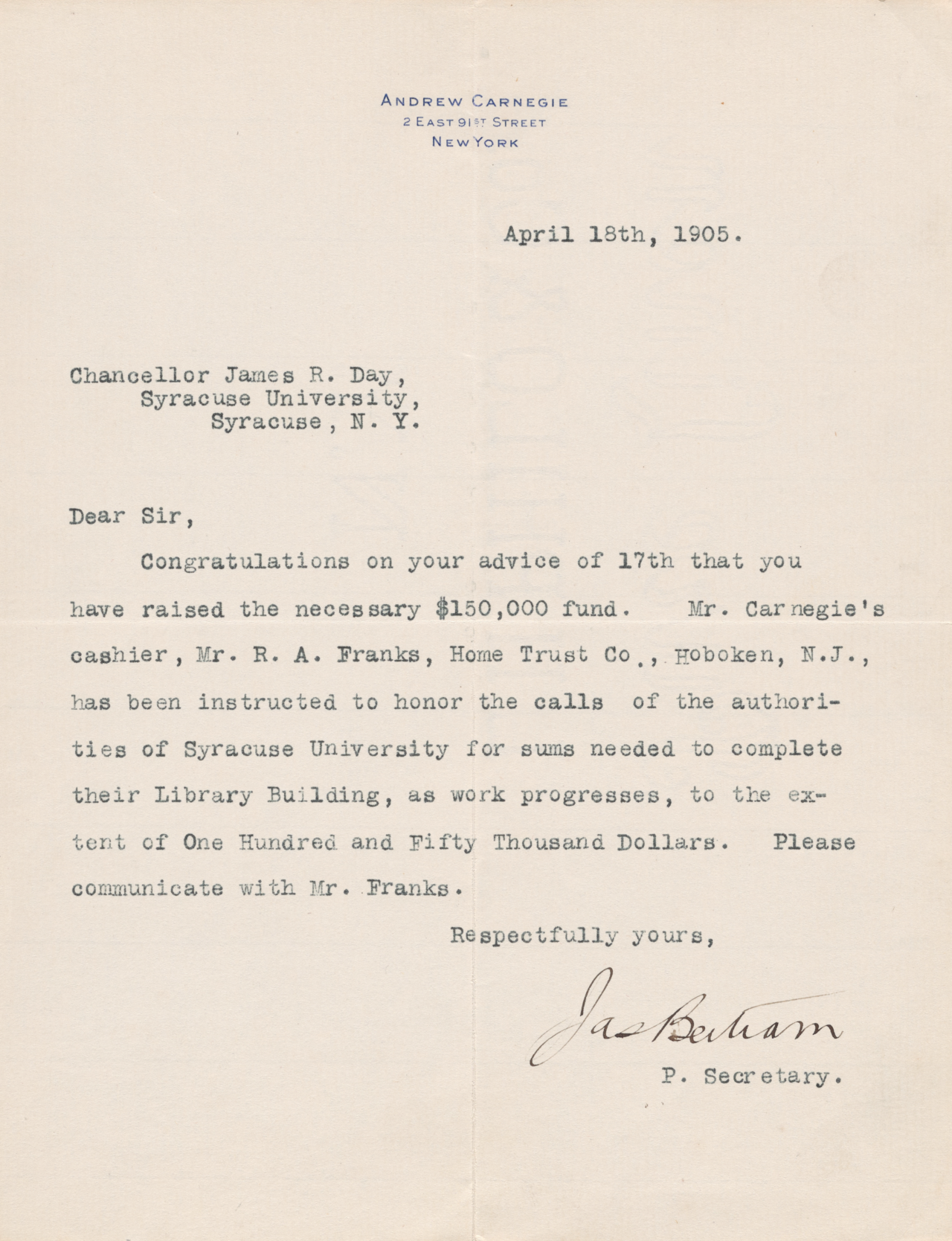 Letter
Primary source
Andrew Carnegie Papers
Andrew Carnegie · 18 April 1905
Ready when you are
Start chatting with Andrew Carnegie now.
20 messages free · No credit card · Available in 50+ languages.