


Primary sourceBook1633
The Blossom
John Donne · 1633
A poem by John Donne, dated 1633 in its record, in which the speaker talks first to a small flower and then to his own heart. It dramatises a divided self.
Donne wrote this dialogue between speaker and heart, dramatising the divided self that runs through his verse.
Free Humy account · No credit card · 120,288 sources to read
About this source
What it is
The Blossom is a poem by John Donne. Its record gives the date 1633. The poem starts with the speaker watching a small flower that has grown for six or seven days, then turns to address his own heart. The heart wants to nestle near a woman and win her, but the speaker says it will have to leave with him. The heart argues back that it wants to stay, and the speaker says a naked heart that makes no show is only a kind of ghost to a woman.
Why it matters
The curator says the poem is a dialogue that dramatises the divided self. Students should note that the record gives 1633 while the figure's dates end in 1631, so the date should be checked before it is cited. The poem still shows Donne's interest in inner conflict, in which reason and desire argue inside one person.
Look closer
- How does the speaker change from talking to the flower to talking to his heart?
- Who is the speaker really arguing with, and what does the heart want?
- What is left out about the woman, and how would her answer change the poem?
This book is part of the curated material that grounds the AI version of John Donne on Humy.ai — when students ask about related events, the AI can quote it and cite it.
More John Donne sources
Browse all 83 →Primary source
Poems
John Donne · 1633
Primary source
Death Be Not Proud
John Donne · 1609 (published 1633)
 Book
Primary source
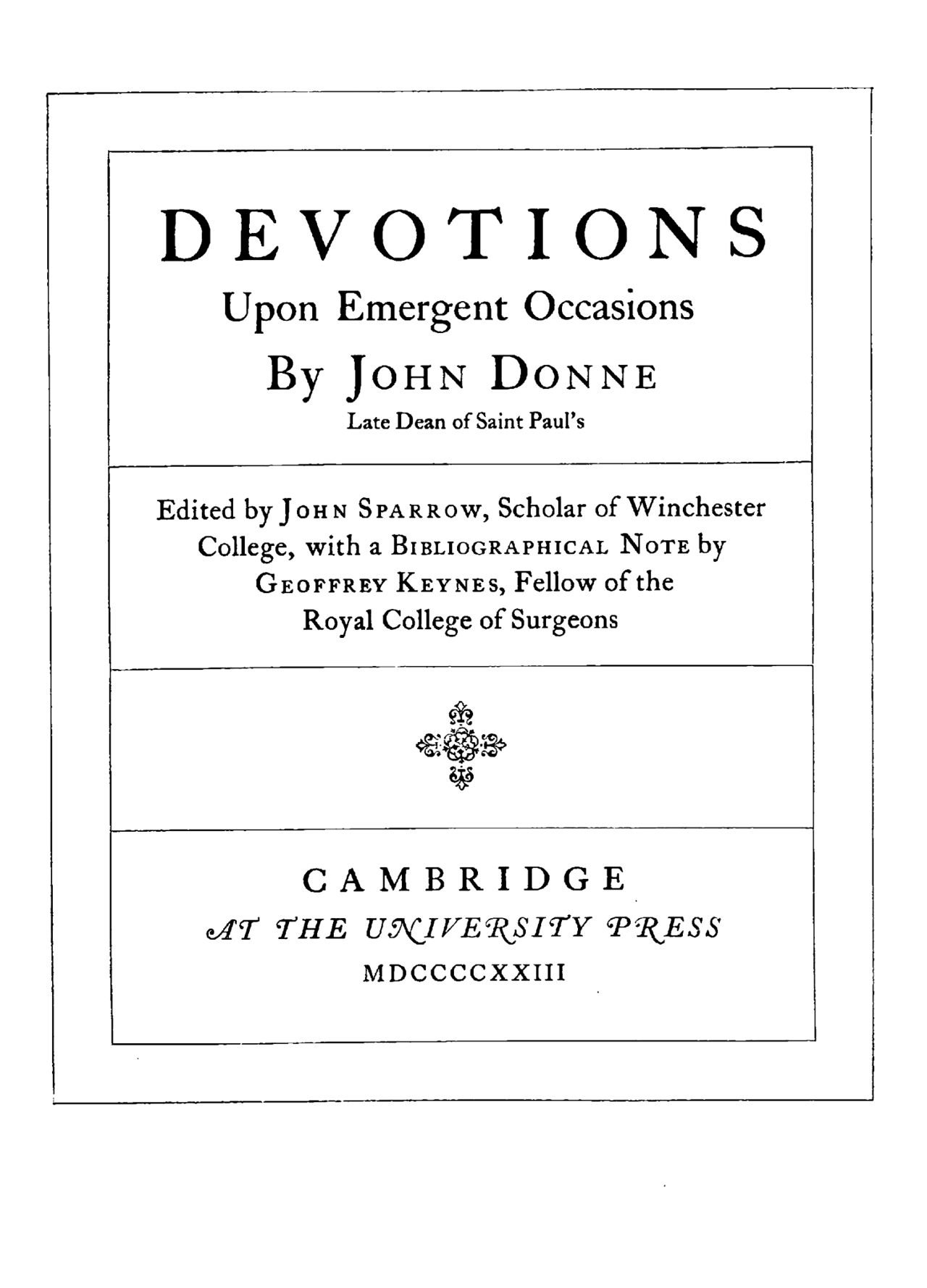
Devotions upon Emergent Occasions
John Donne · 1624
 Book
Primary source
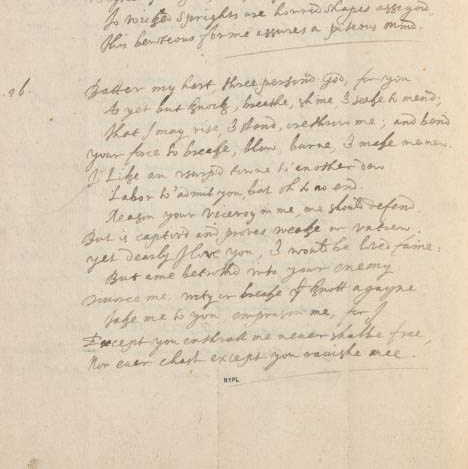
Holy Sonnets
John Donne · c. 1609-1620 (published 1633)
Free account
Read every John Donne source
Sign up free →
Ready when you are
Start chatting with John Donne now.
20 messages free · No credit card · Available in 50+ languages.