


Primary sourcePhotograph1899
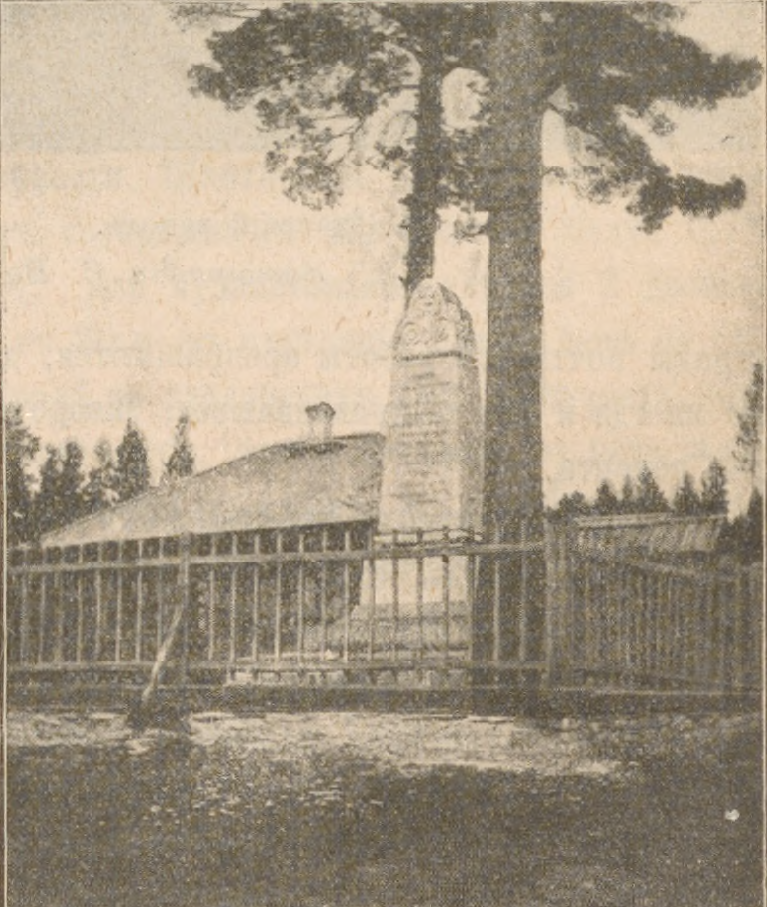
The Boundary of Europe and Asia, near the Shaitanka Works
Dmitri Mendeleev · 1899
A photograph credited to Mendeleev himself, taken during his 1899 Ural expedition, showing the Europe–Asia boundary marker.
Credited to Mendeleev himself, this photograph documents his 1899 Ural expedition.
About this source
What it is
This photograph, credited to Dmitri Mendeleev, shows a stone obelisk marking the boundary between Europe and Asia, near the Shaitanka works, taken during his 1899 expedition to the Urals.
Why it matters
The image shows Mendeleev not only as a chemist but as someone who personally documented his travels. The Europe–Asia boundary marker was a notable landmark in the Urals, and a photograph attributed to him suggests his hands-on interest in recording the expedition itself.
Look closer
- Why might someone on a scientific expedition take a photograph of a boundary marker rather than of the industrial sites they were studying?
- What does the wooden fence around the obelisk suggest about how the marker was treated by local people?
- If this photograph was really taken by Mendeleev, what does that tell you about his interests beyond chemistry?
This photograph is part of the curated material that grounds the AI version of Dmitri Mendeleev on Humy.ai — when students ask about related events, the AI can quote it and cite it.
More Dmitri Mendeleev sources
Browse all 40 →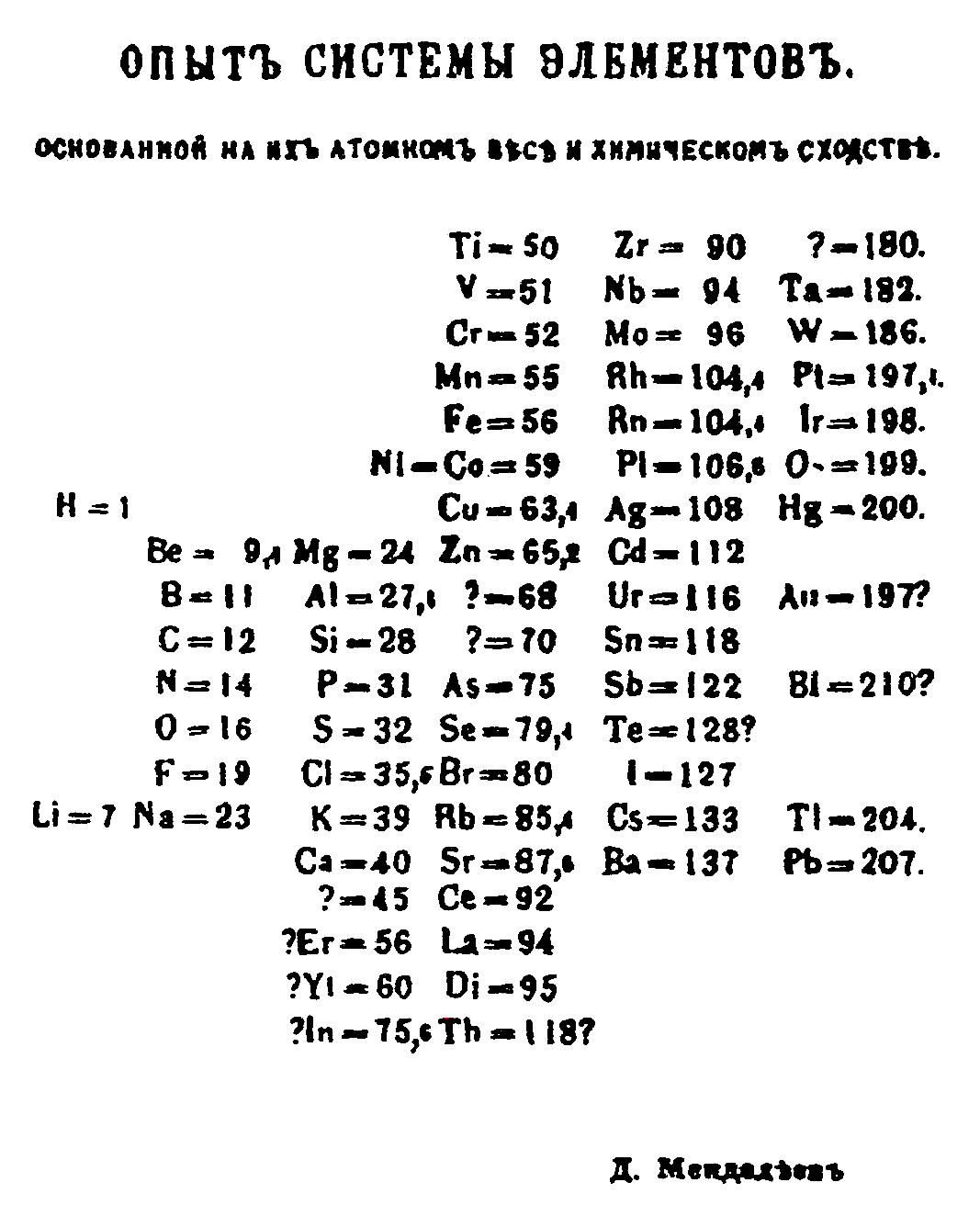 Document
Primary source
Attempt at a System of Elements (1869)
Dmitri Mendeleev · 1869
 Document
Primary source
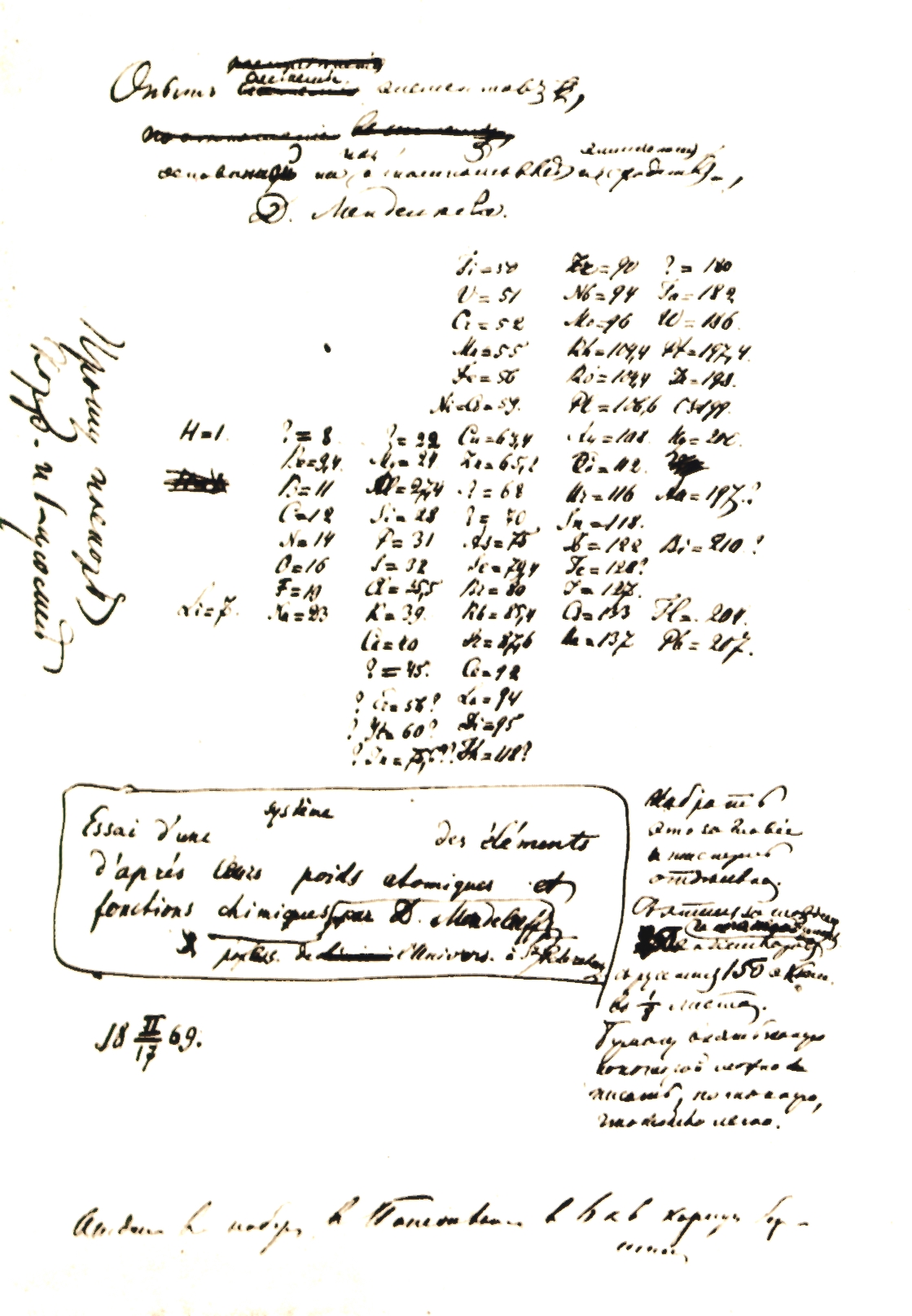
Handwritten Draft of the Periodic Law
Dmitri Mendeleev · 17 February 1869
 Document
Primary source
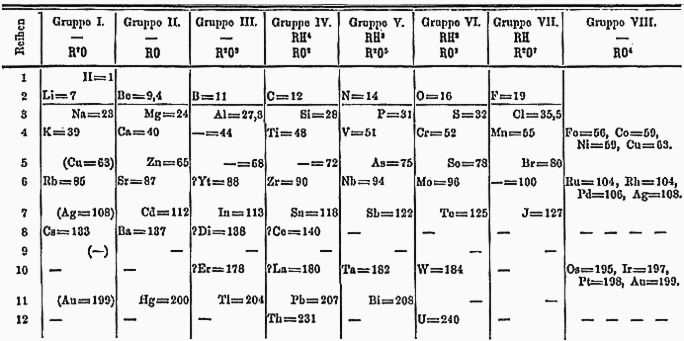
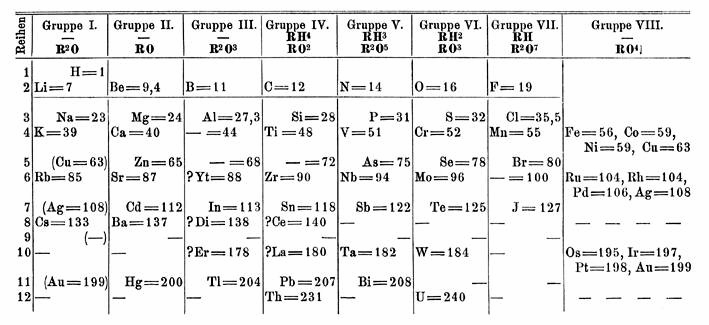
Mendeleev's Periodic System (1871)
Dmitri Mendeleev · 1871
 Document
Primary source
Mendeleev's Periodic System (Liebig's Annalen, 1872)
Dmitri Mendeleev · 1871–1872
Free account
Read every Dmitri Mendeleev source
Sign up free →
Ready when you are
Start chatting with Dmitri Mendeleev now.
20 messages free · No credit card · Available in 50+ languages.