


Secondary sourcePainting1870
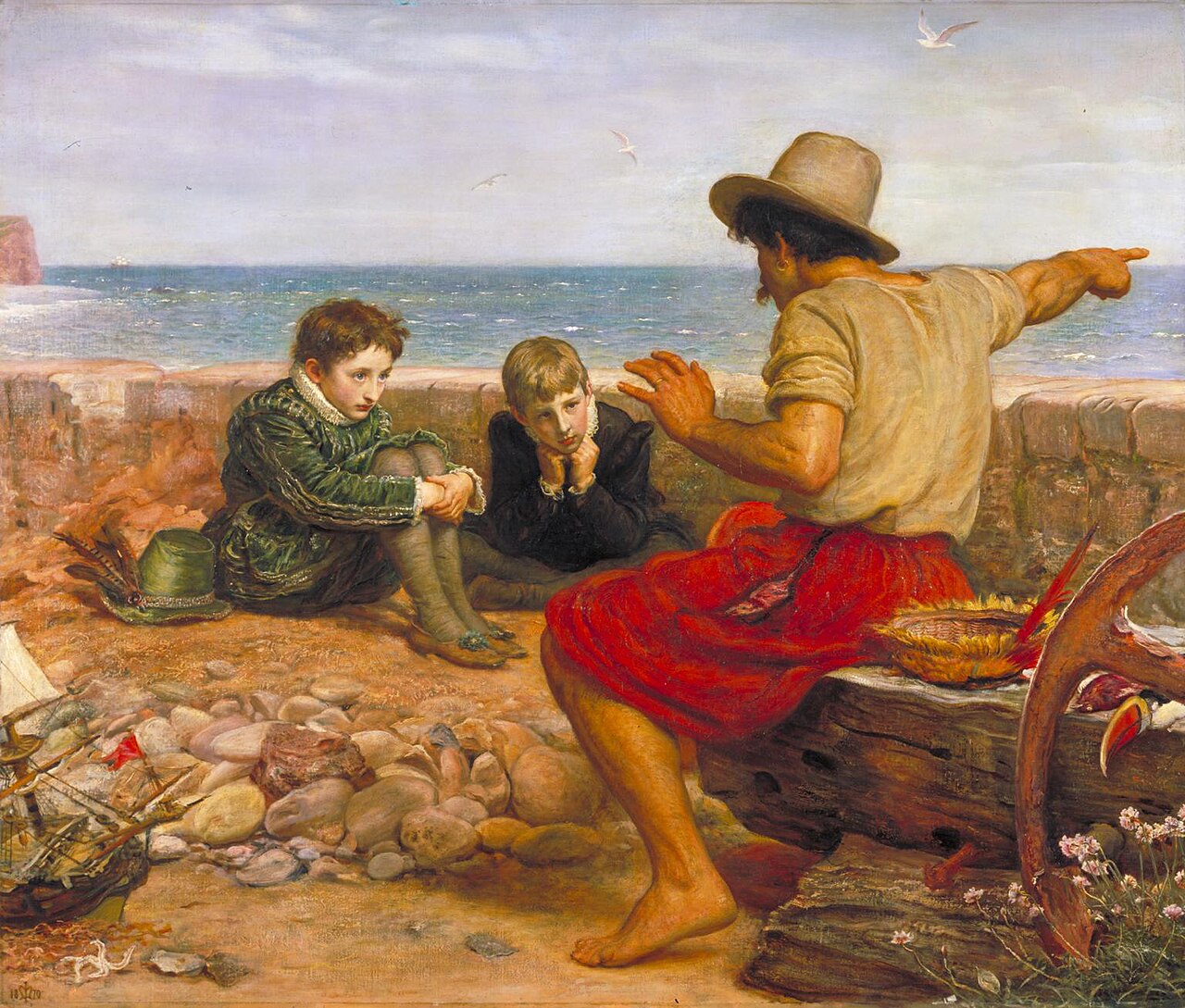
The Boyhood of Raleigh
John Everett Millais · 1870
An 1870 painting by Millais imagining the young Raleigh listening to a sailor's tales on the Devon coast.
This Victorian painting imagines Raleigh's boyhood, showing how later generations turned him into a national hero of exploration.
About this source
What it is
The Boyhood of Raleigh is an 1870 painting by John Everett Millais, now in the Tate collection. It imagines the young Walter Raleigh and his brother on the Devon coast listening to a Genoese sailor telling tales of the sea. Millais was inspired by an essay on Elizabethan seafarers and travelled to Budleigh Salterton to paint the setting; his own sons modelled for the boys.
Why it matters
Painted nearly three centuries after Raleigh's life, this image reveals more about Victorian Britain's romantic view of empire and exploration than about Raleigh himself. It became so famous it was parodied in political cartoons for generations, showing how Raleigh's name was used again and again as a symbol of adventure and ambition.
Look closer
- What is the sailor pointing towards, and what might that suggest about the painting's message?
- This scene is imagined, not recorded fact — why might Victorians have wanted such a story about Raleigh's childhood?
- How does this image differ from a portrait made during Raleigh's own lifetime?
This painting is part of the curated material that grounds the AI version of Sir Walter Raleigh on Humy.ai — when students ask about related events, the AI can quote it and cite it.
More Sir Walter Raleigh sources
Meet the AI Sir Walter Raleigh →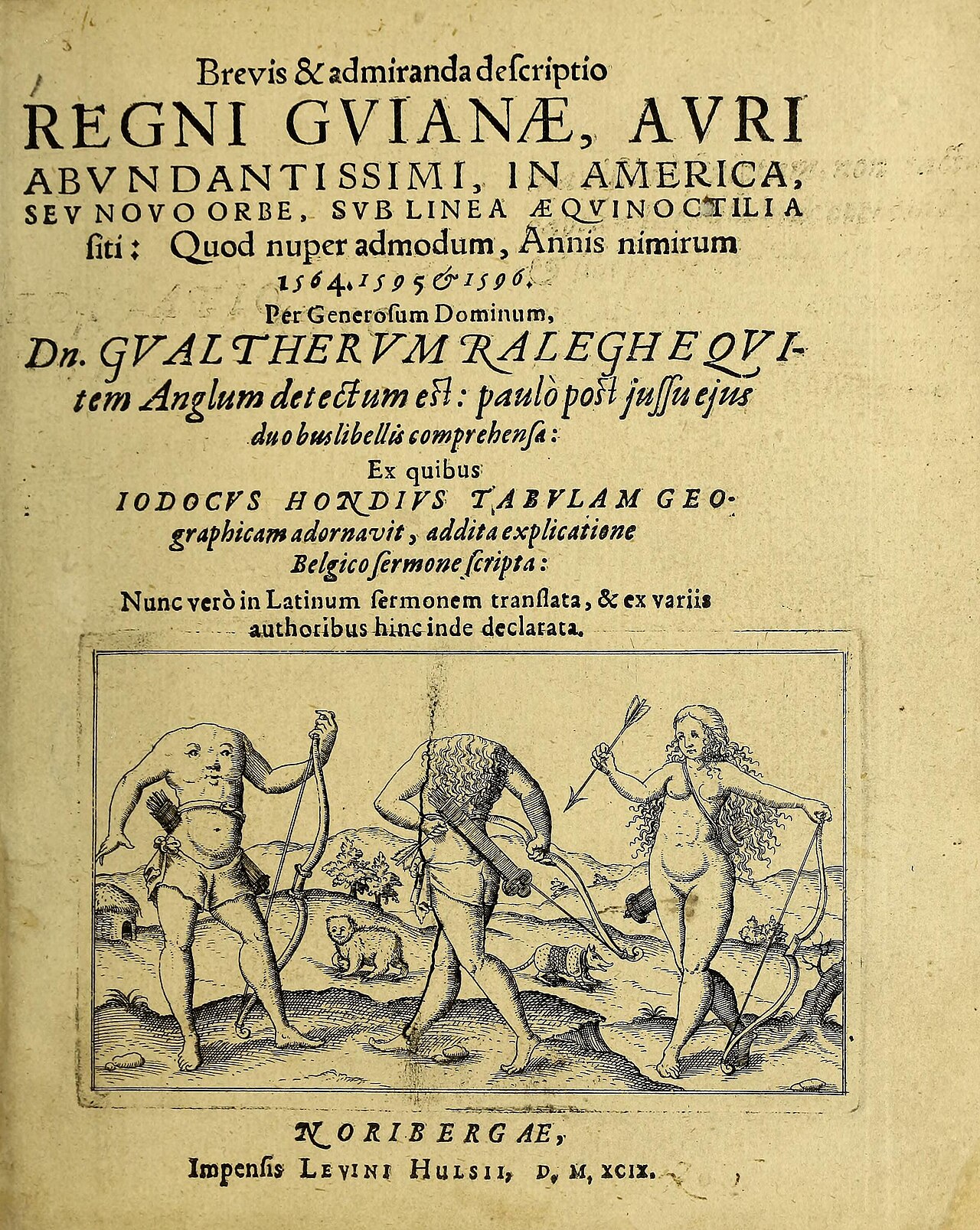 Book
Primary source
The Discovery of Guiana
Walter Raleigh · 1596
Primary source
Charter to Sir Walter Raleigh
Elizabeth I · 1584
 Book
Primary source
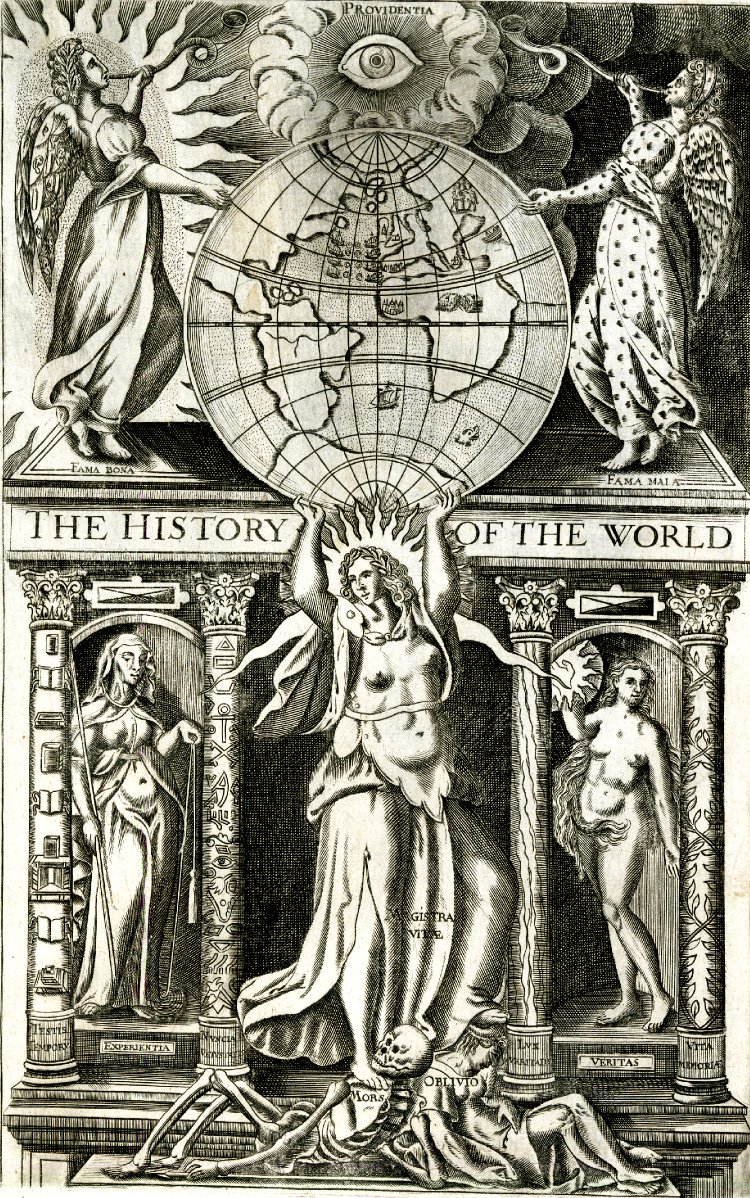
The History of the World
Walter Raleigh · 1614
 Painting
Primary source
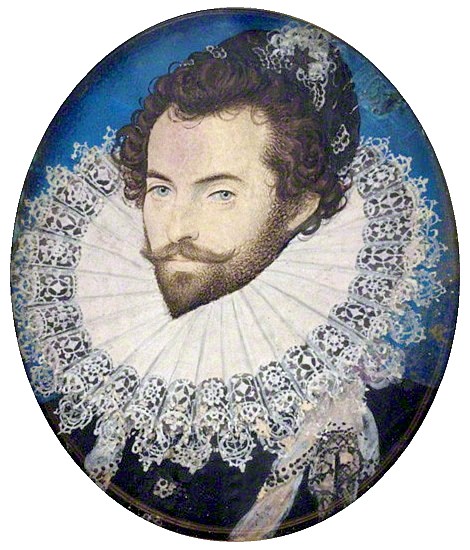
Sir Walter Raleigh
Nicholas Hilliard · c. 1585
 Painting
Primary source
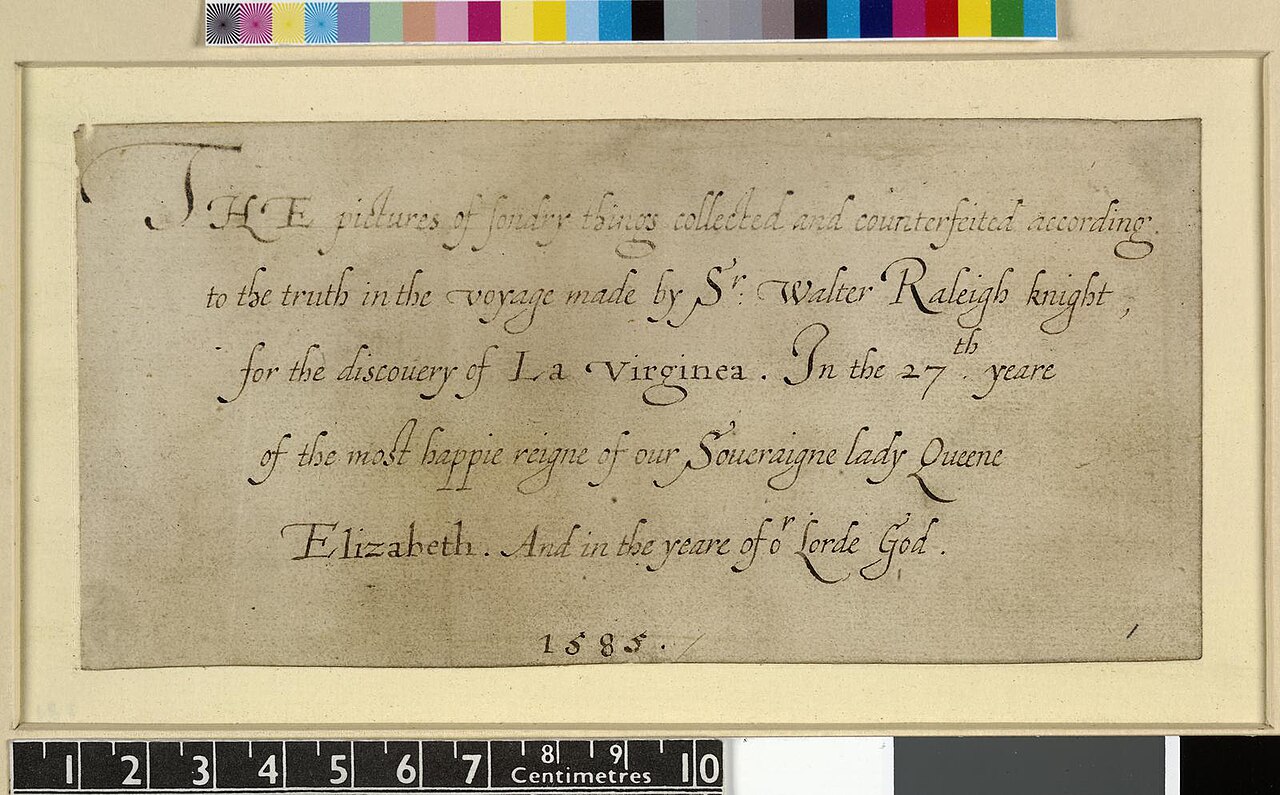
John White's watercolours of the Roanoke voyage
John White · 1585-1586
Ready when you are
Start chatting with Sir Walter Raleigh now.
20 messages free · No credit card · Available in 50+ languages.