


Primary sourceBook1862
The Breath of Life (Shut Your Mouth and Save Your Life)
George Catlin · 1862
An 1862 health tract by George Catlin promoting nose-breathing, based on his observations of Native communities.
Written by Catlin, this health tract draws on his own observations of Native American communities.
About this source
What it is
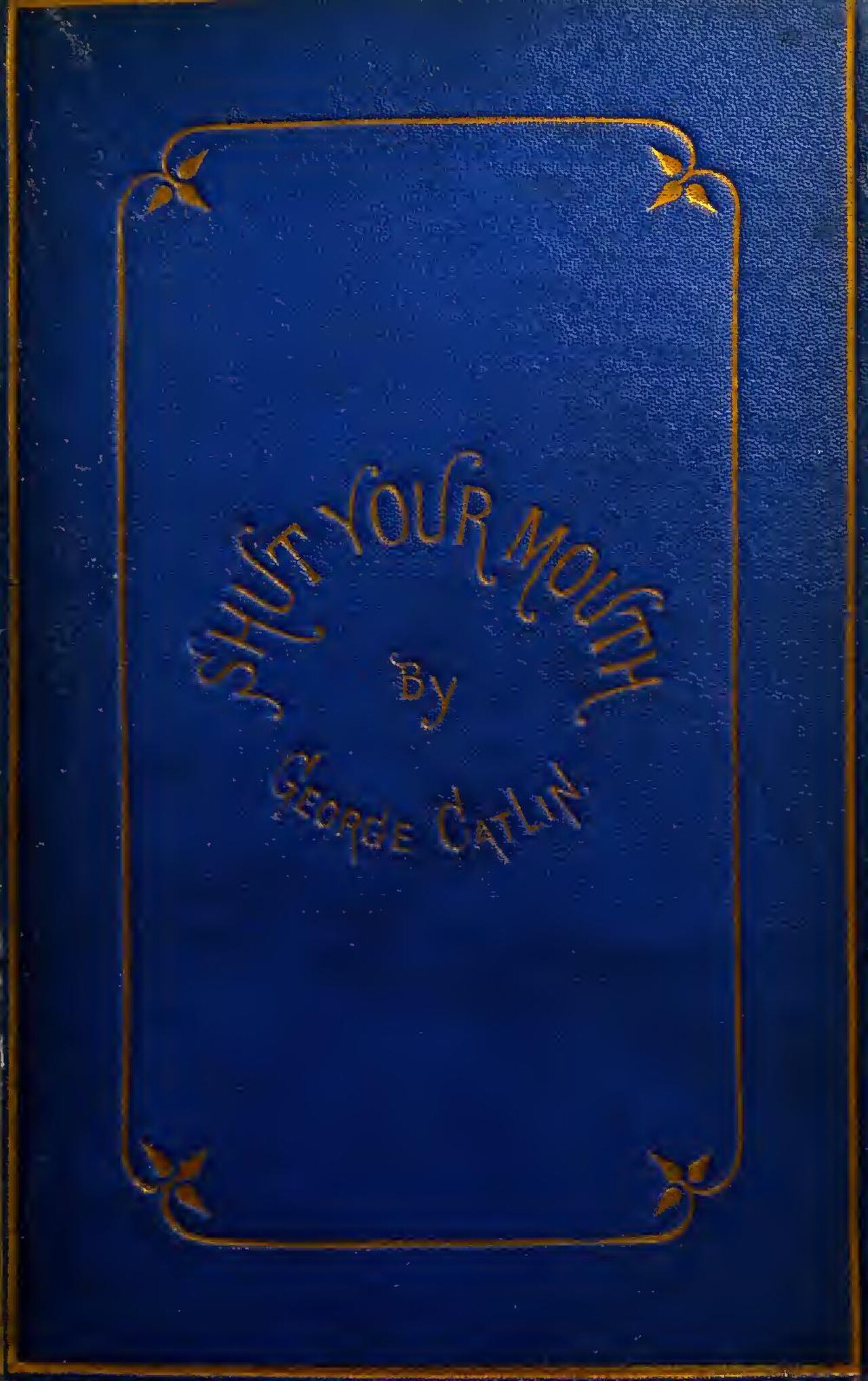
This is a book written by George Catlin in 1862, later retitled Shut Your Mouth and Save Your Life, held today by the Library of Congress. It argues for the health benefits of breathing through the nose rather than the mouth.
The cover is blue cloth with gold lettering arranged in a circle around the title.
Why it matters
Catlin based his ideas on his observations of Native American communities during his decades of travel, claiming their health reflected different breathing habits. The book reveals the eccentric range of his later writing, moving from art and ethnography into popular health advice.
Look closer
- What kind of evidence does Catlin use to support his health claims?
- Why might a painter and traveler turn to writing about health and breathing?
- How reliable do you think Catlin's observations of other peoples' health were, and why?
This book is part of the curated material that grounds the AI version of George Catlin on Humy.ai — when students ask about related events, the AI can quote it and cite it.
More George Catlin sources
Meet the AI George Catlin →Secondary source
Letters and Notes on the Manners, Customs, and Condition of the North American Indians
George Catlin · 1841
 Painting
Primary source
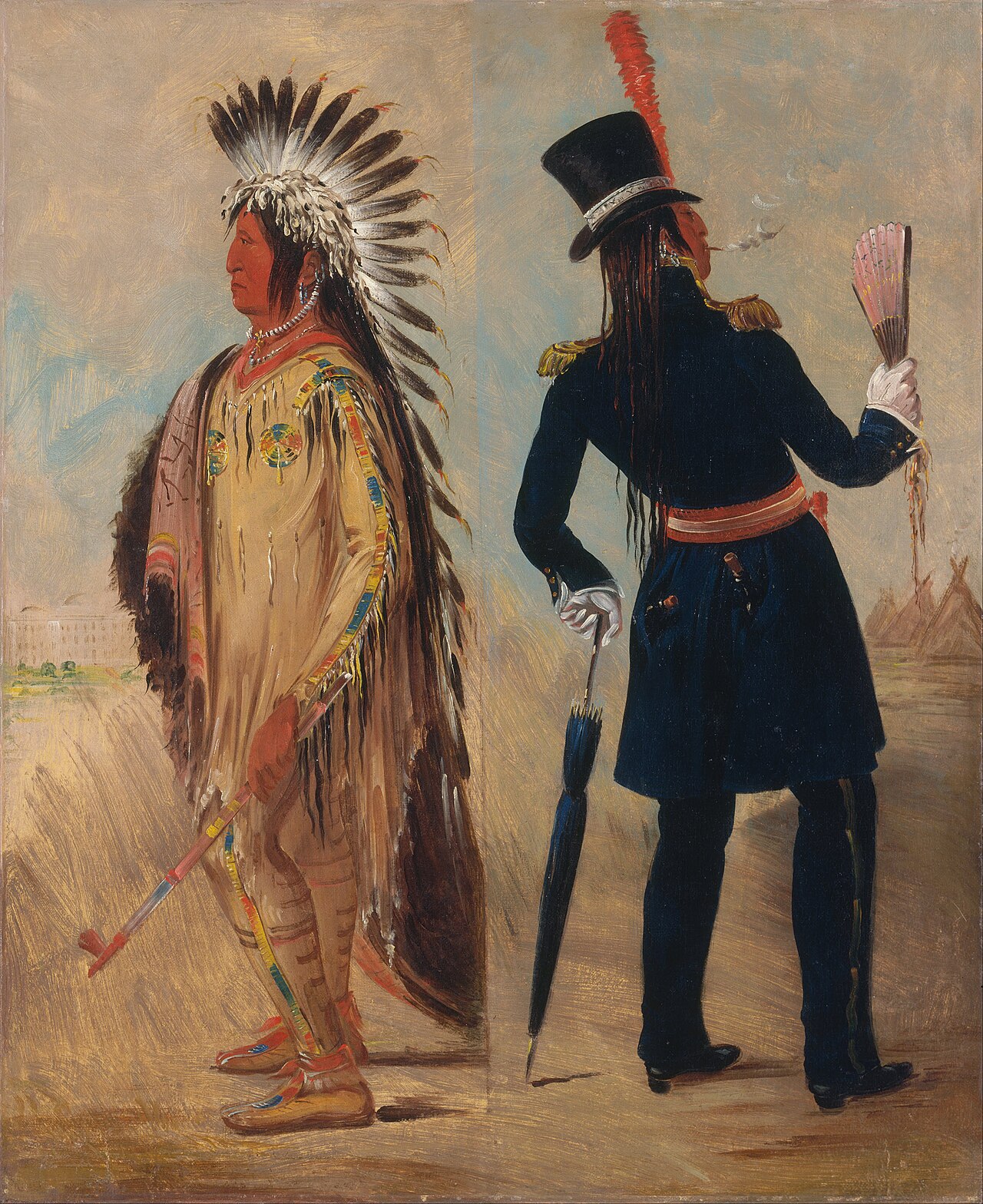
Wi-jún-jon, Pigeon's Egg Head, Going To and Returning From Washington
George Catlin · 1837
 Painting
Primary source
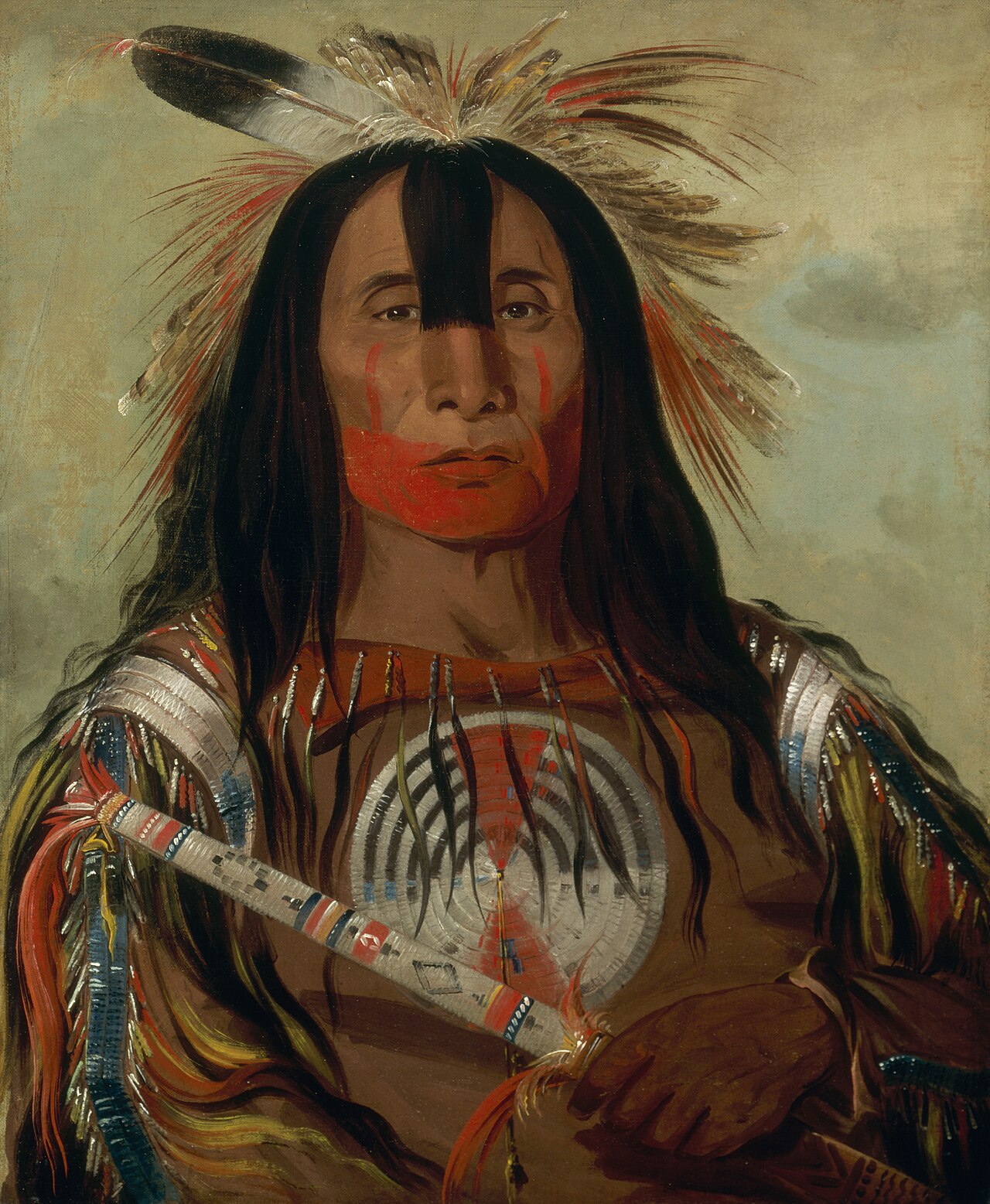
Stu-mick-o-súcks, Buffalo Bull's Back Fat, Head Chief, Blood Tribe
George Catlin · 1832
 Painting
Primary source
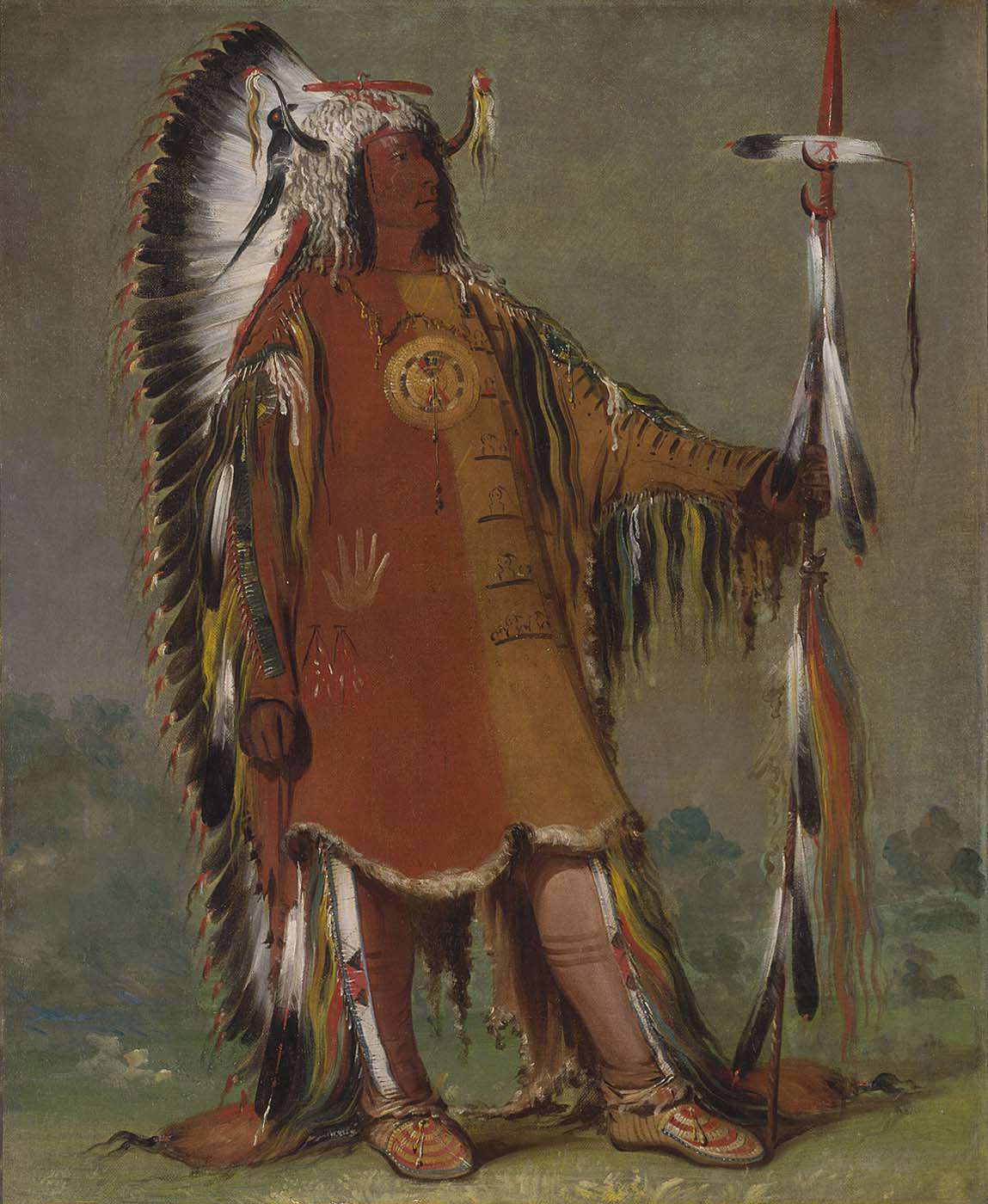
Máh-to-tóh-pa, Four Bears, Second Chief, in Full Dress
George Catlin · 1832
 Painting
Primary source
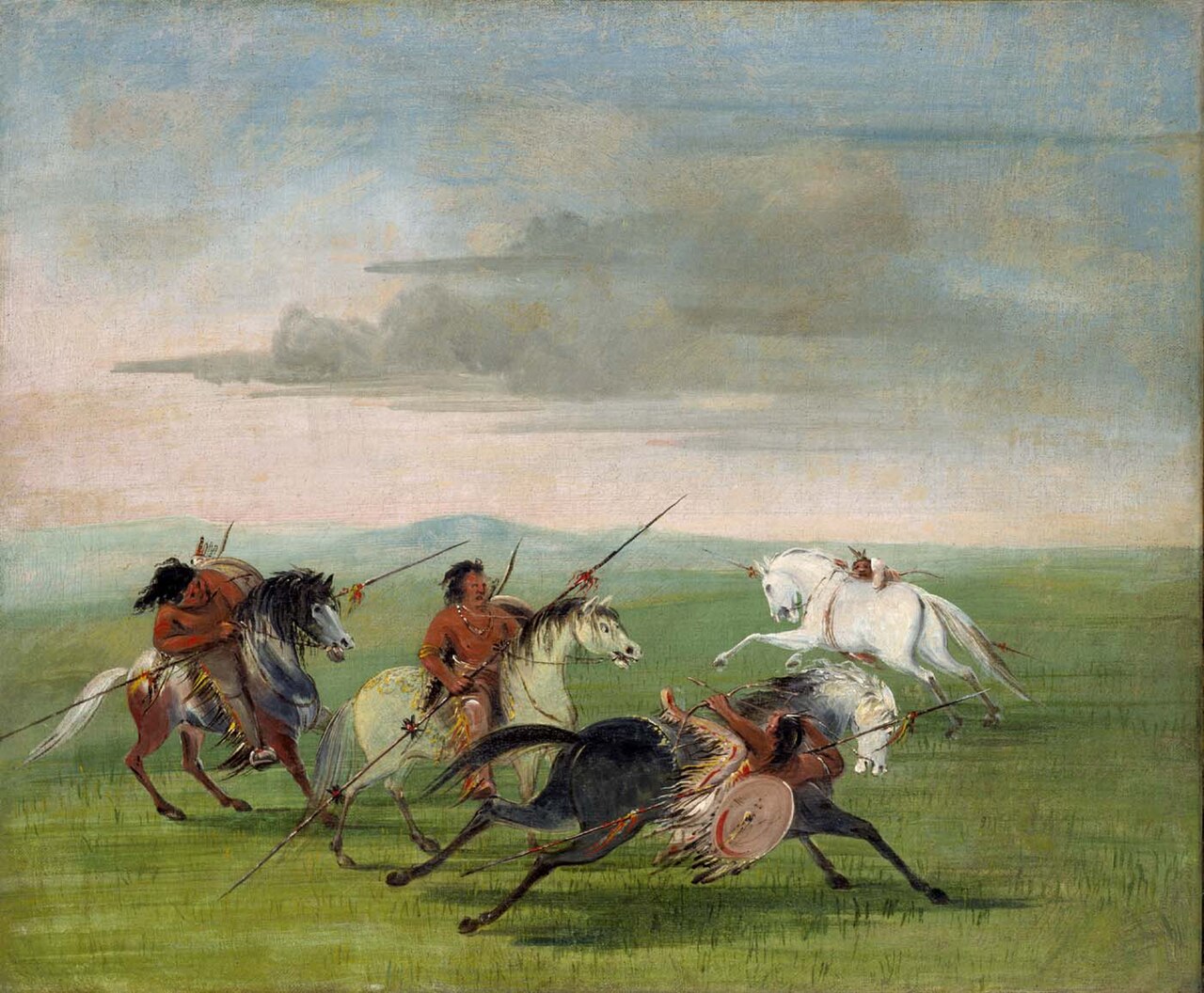
Comanche Feats of Horsemanship
George Catlin · 1834
Ready when you are
Start chatting with George Catlin now.
20 messages free · No credit card · Available in 50+ languages.