


Primary sourcePainting1912
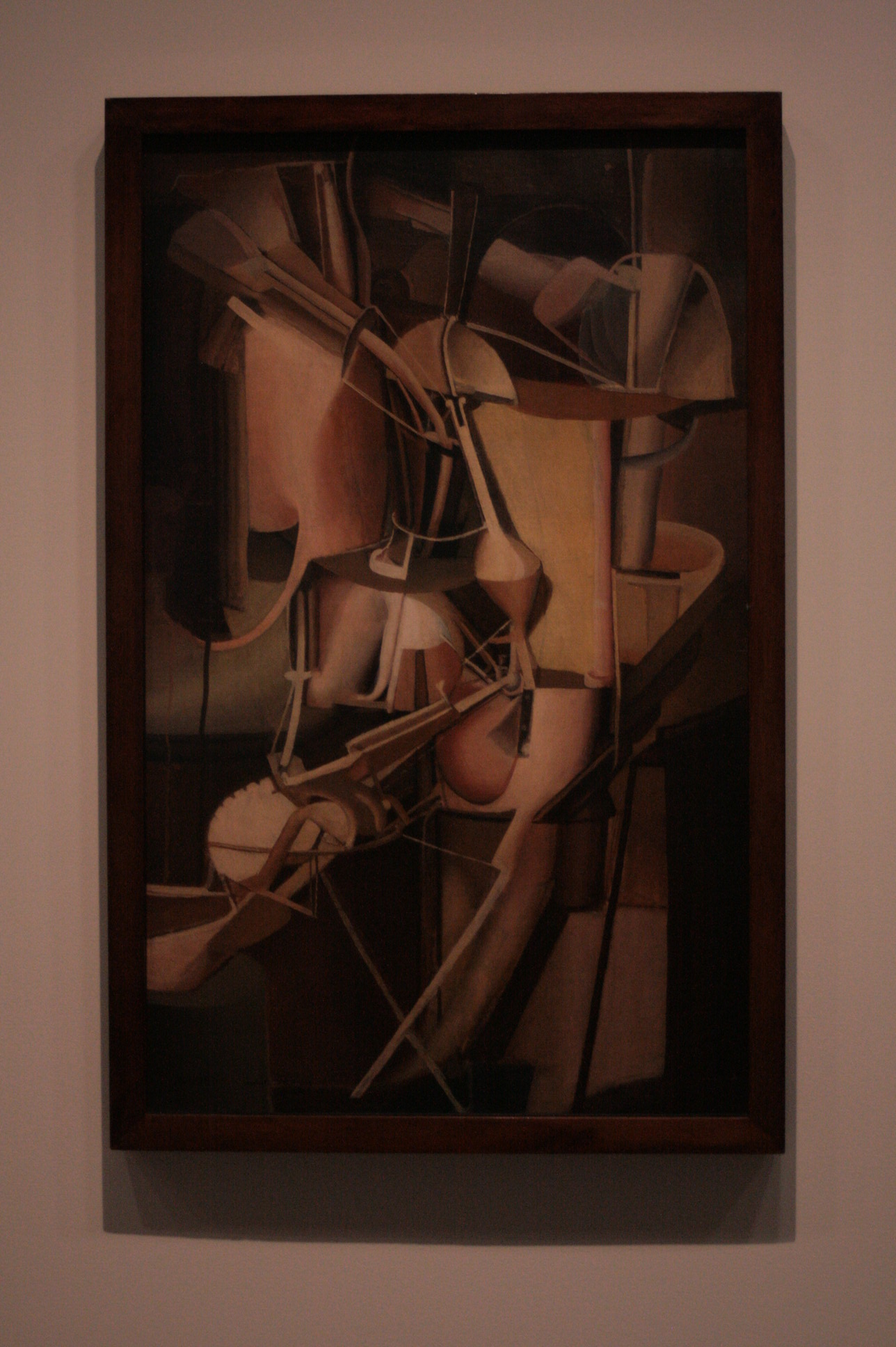
The Bride
Marcel Duchamp · 1912
A 1912 painting by Marcel Duchamp showing a mechanical, body-like figure, the first appearance of his recurring 'Bride' theme.
Painted by Duchamp, this work introduces the 'Bride' theme he would develop throughout his career.
About this source
What it is
This painting was made by Marcel Duchamp in Munich in 1912 and is held at the Philadelphia Museum of Art. It shows a vertical arrangement of interlocking, machine-like forms in brown, cream and dark tones.
Why it matters
The Bride is the last of Duchamp's Cubist-influenced paintings and the first time he painted the 'Bride' idea, which he would return to for years, most famously in his later Large Glass. It shows how Duchamp was moving away from representing real bodies toward strange, mechanical imagined beings.
Look closer
- What makes this figure look both like a machine and like a living body?
- Why might an artist choose to paint a 'bride' as mechanical forms instead of a human figure?
This painting is part of the curated material that grounds the AI version of Marcel Duchamp on Humy.ai — when students ask about related events, the AI can quote it and cite it.
More Marcel Duchamp sources
Browse all 69 →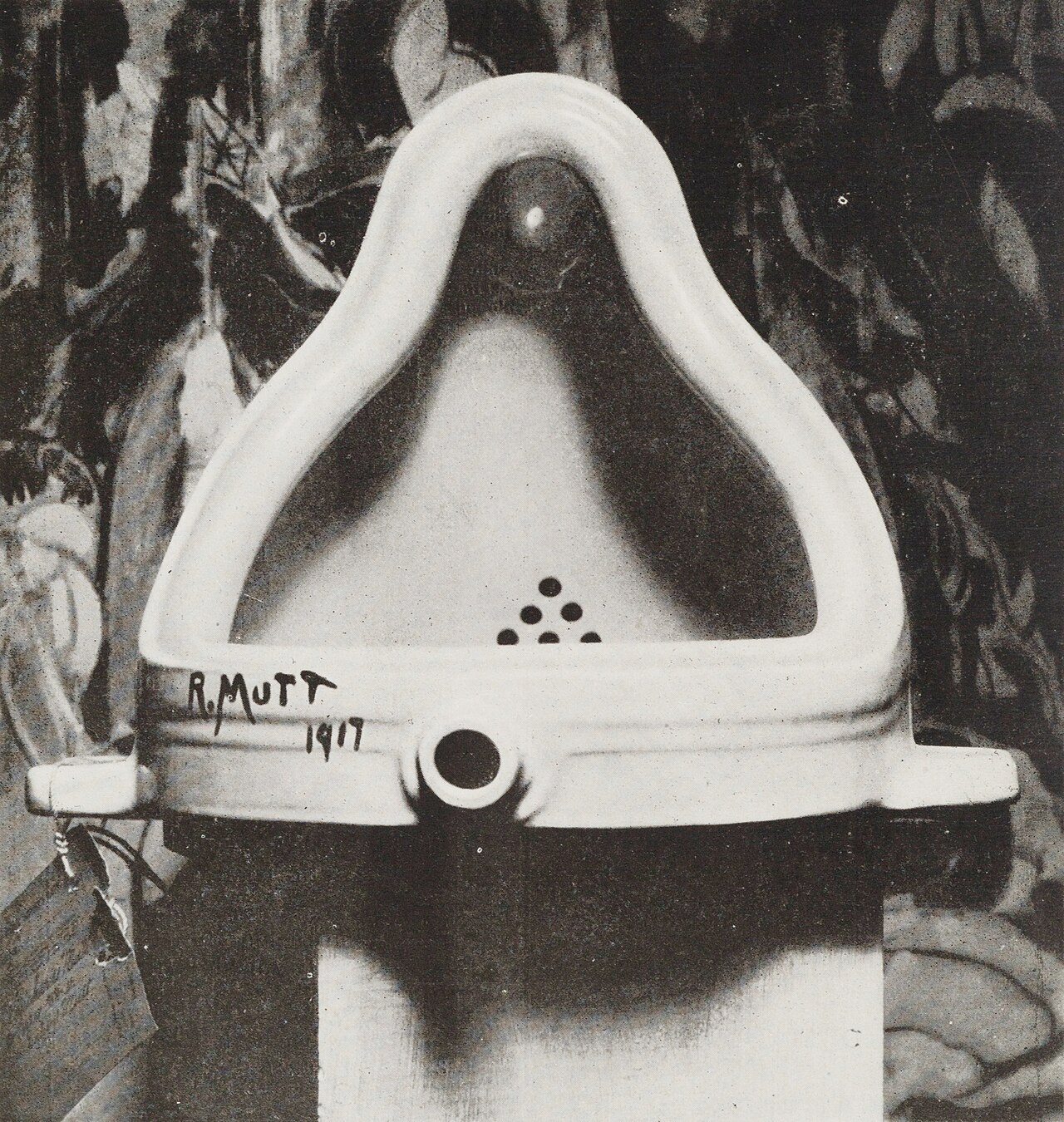 Sculpture
Primary source
Fountain
Marcel Duchamp · 1917
 Sculpture
Primary source
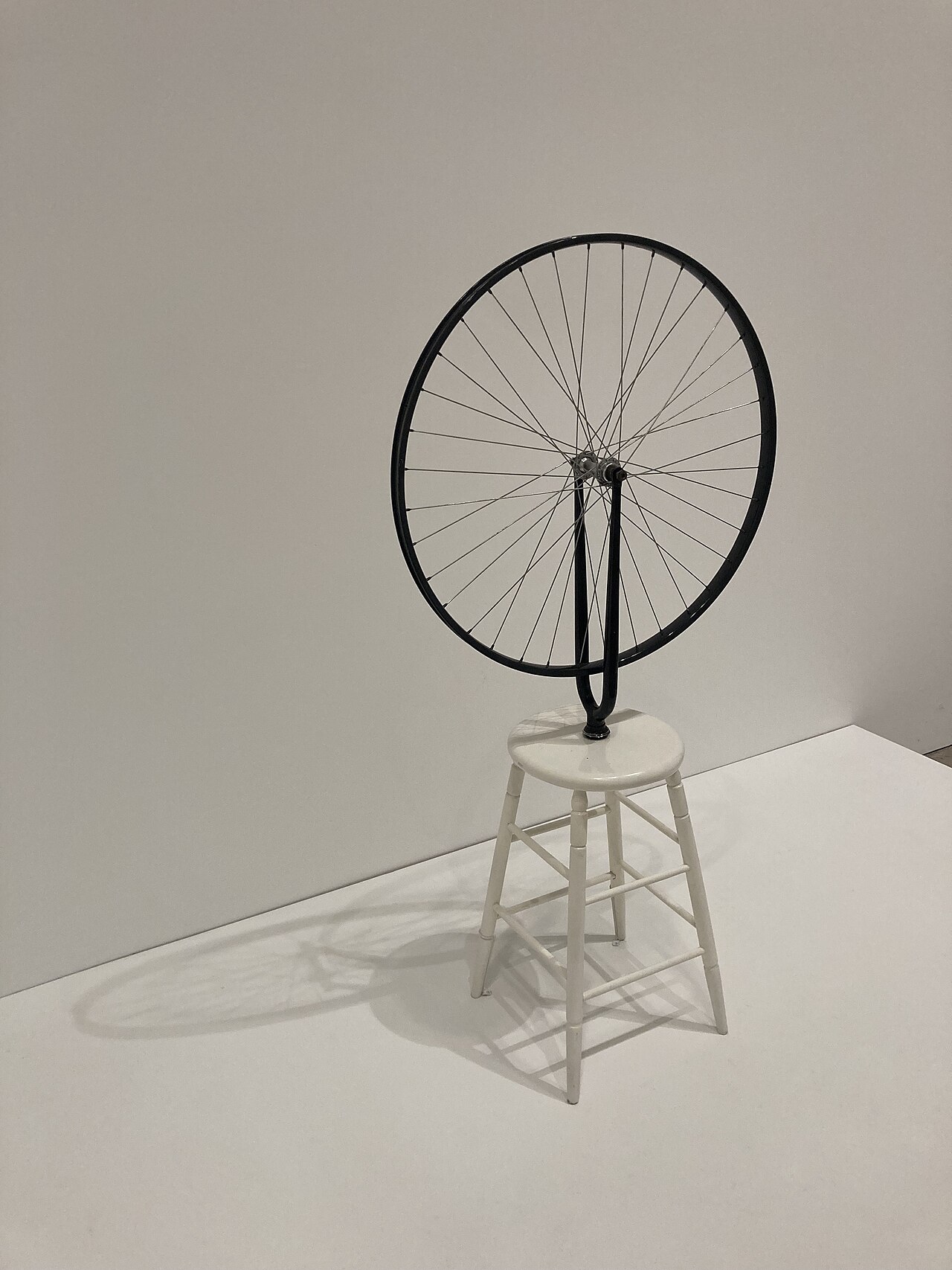
Bicycle Wheel
Marcel Duchamp · 1913
 Photograph
Primary source
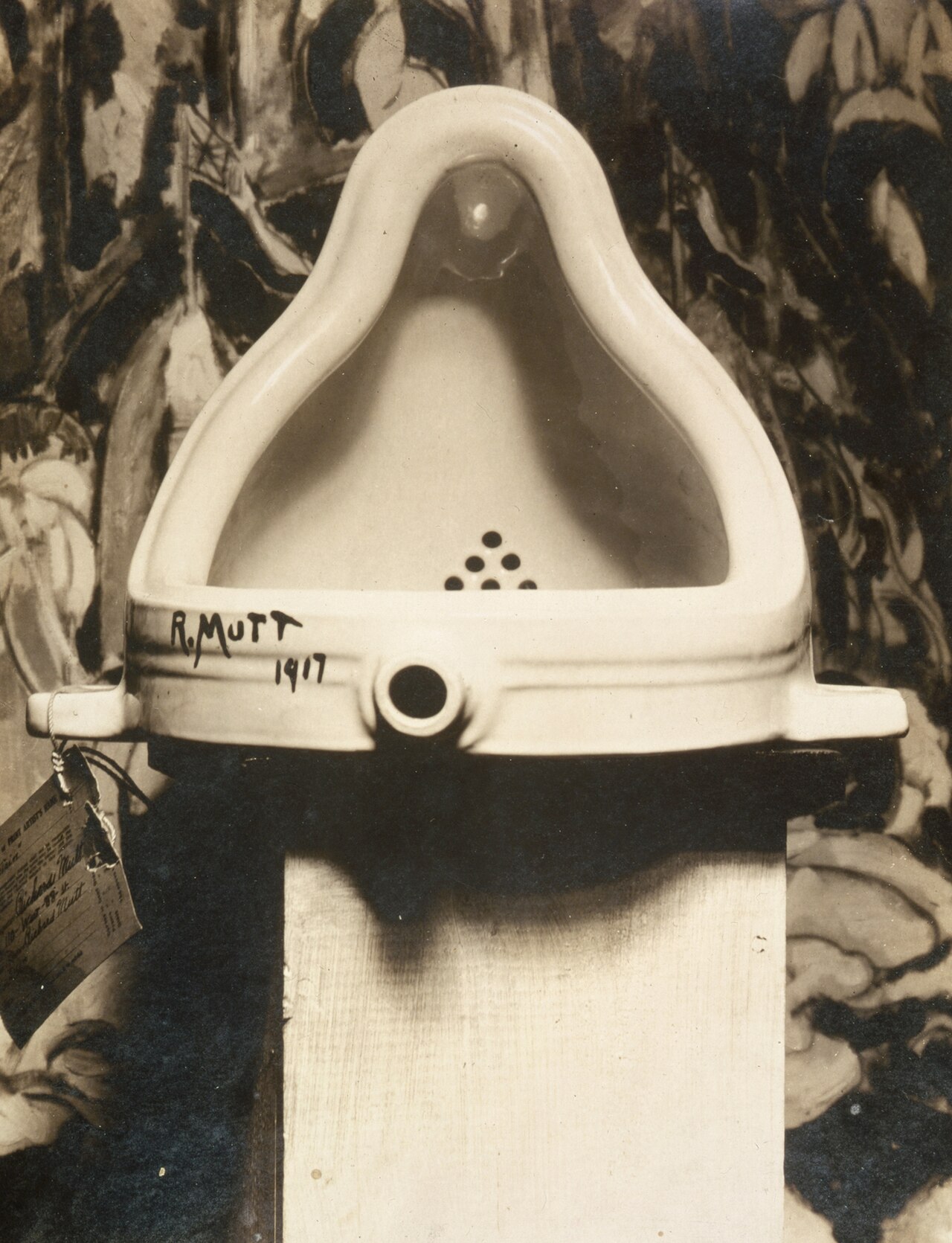
Photograph of Fountain by Alfred Stieglitz
Alfred Stieglitz · 1917
 Artifact
Primary source
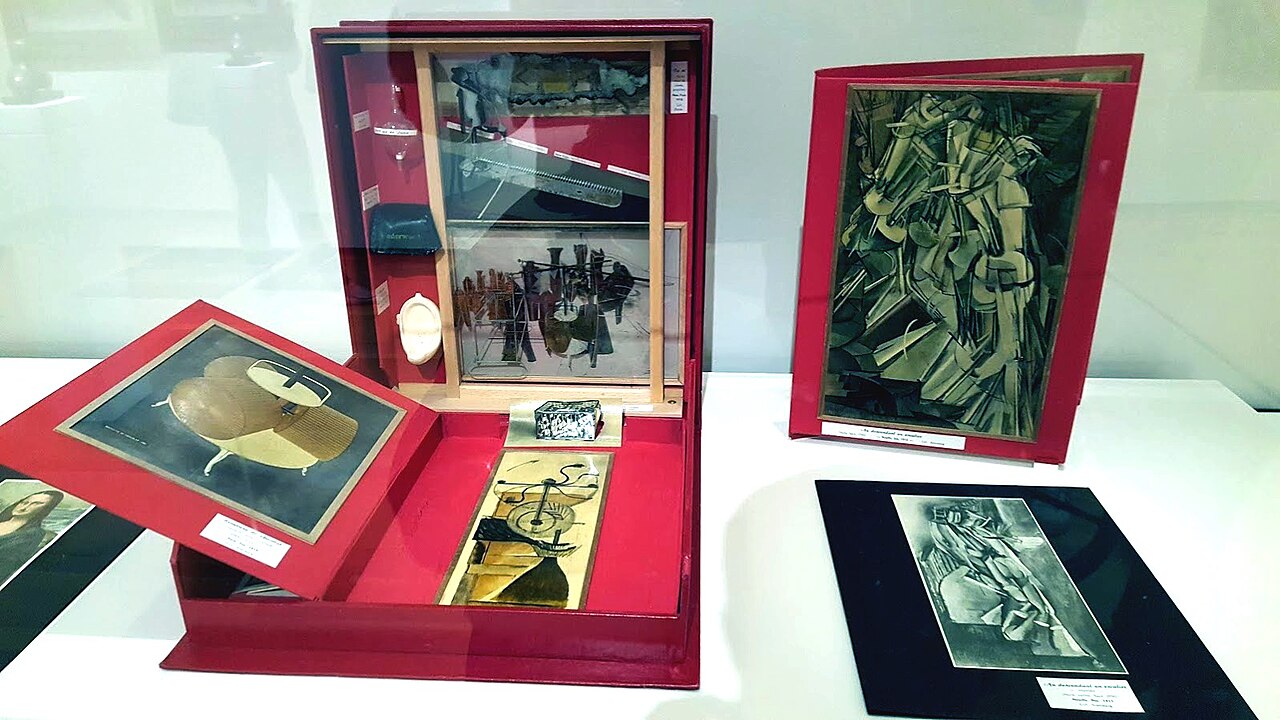
Box in a Valise
Marcel Duchamp · 1936
Free account
Read every Marcel Duchamp source
Sign up free →
Ready when you are
Start chatting with Marcel Duchamp now.
20 messages free · No credit card · Available in 50+ languages.