


Secondary sourcePaintingbetween 1423 and 1426
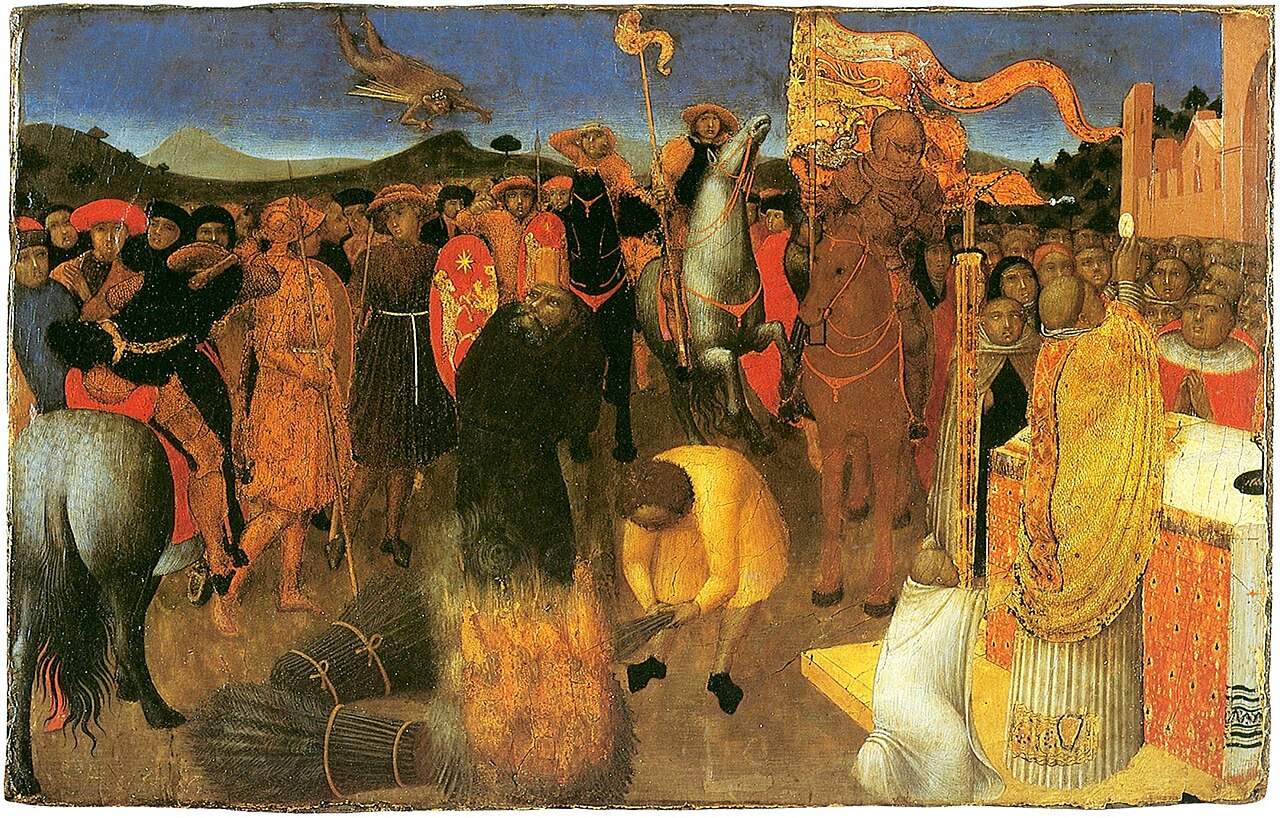
The Burning of a Heretic
Sassetta · between 1423 and 1426
A painting by Sassetta showing the burning of Jan Hus, made within a decade of his execution.
Depicts the execution by burning of Jan Hus, painted within a decade of the event.
About this source
What it is
This painting, attributed to the Italian artist Sassetta, was made between about 1423 and 1426 — within a decade of Jan Hus's death. It shows a crowd gathered around a fire where a figure is being burned, with a seated robed official watching from a raised platform.
Why it matters
Painted so soon after Hus's execution in 1415, this image reflects how quickly his death became a subject for art and how it was understood, and judged, by those outside Bohemia. It shows the public and ceremonial nature of his execution as a condemned heretic.
Look closer
- What does the crowd's arrangement around the fire suggest about how executions were treated as public events?
- Who is the seated figure on the platform, and what role might they have played?
- Why might an Italian artist, far from Bohemia, have painted this scene?
This painting is part of the curated material that grounds the AI version of Jan Hus on Humy.ai — when students ask about related events, the AI can quote it and cite it.
More Jan Hus sources
Meet the AI Jan Hus →Primary source
Appeal to Jesus Christ
Jan Hus · 1412
Primary source
Safe Conduct to John Huss
Sigismund
 Document
Primary source
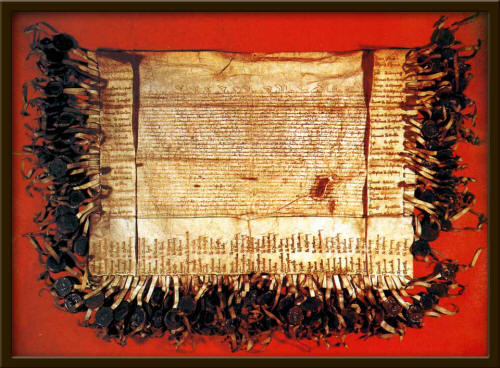
Letter of Complaint Against the Burning of Jan Hus
1415
 Artifact
Primary source
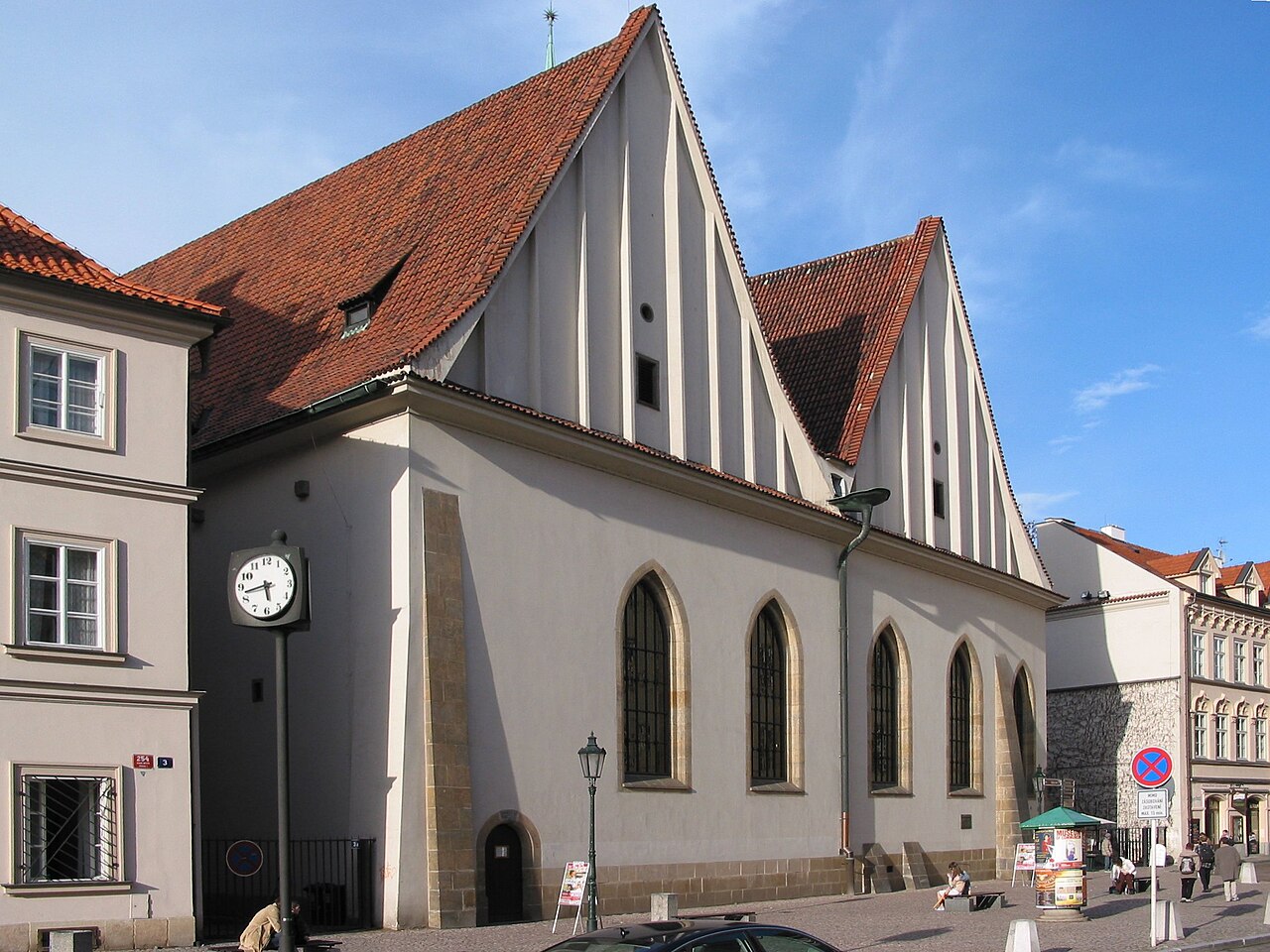
Bethlehem Chapel
founded 1391
 Document
Primary source
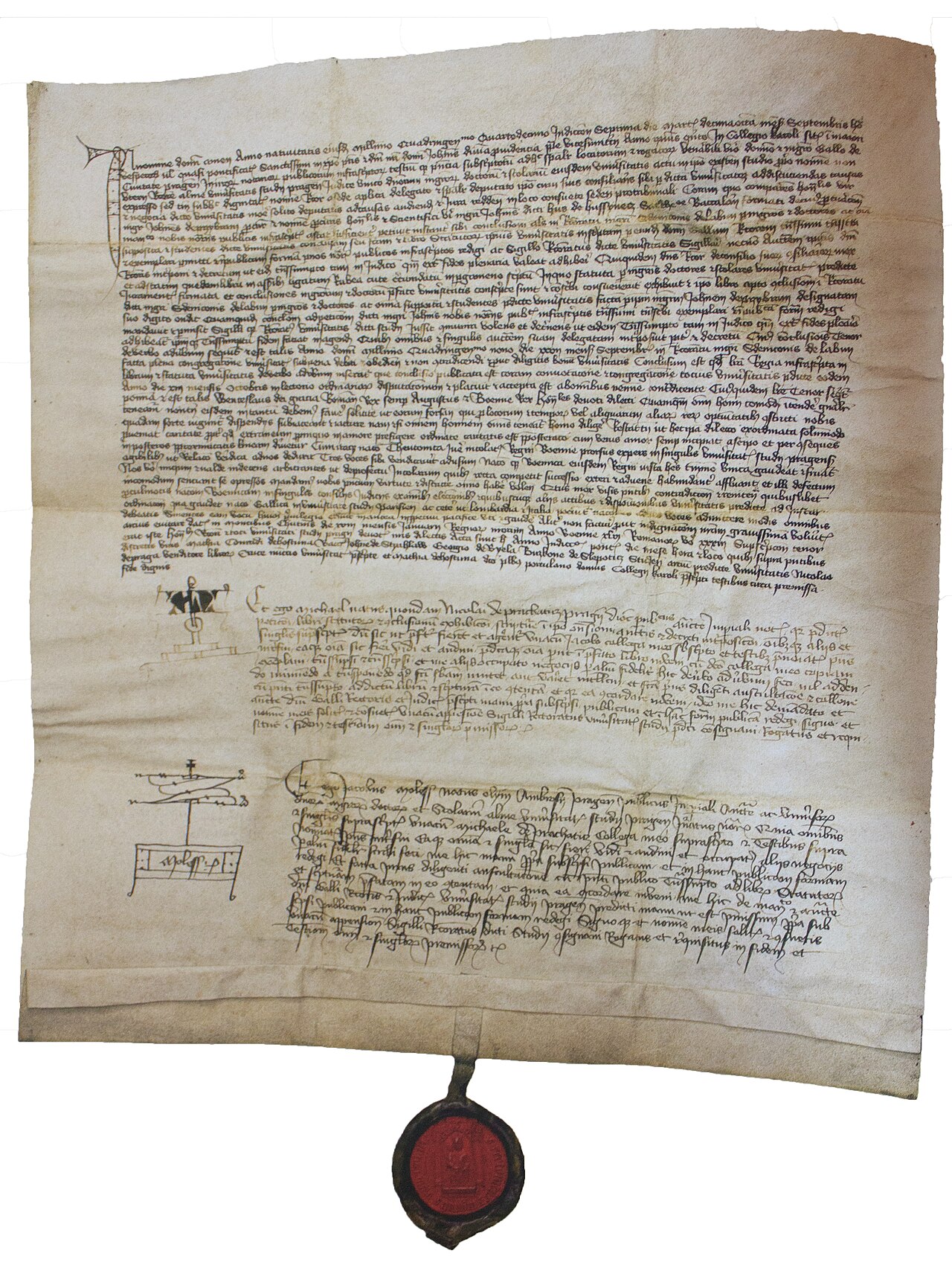
Decree of Kutná Hora
Wenceslaus IV of Bohemia · 18 January 1409
Ready when you are
Start chatting with Jan Hus now.
20 messages free · No credit card · Available in 50+ languages.