


Primary sourcePainting1891
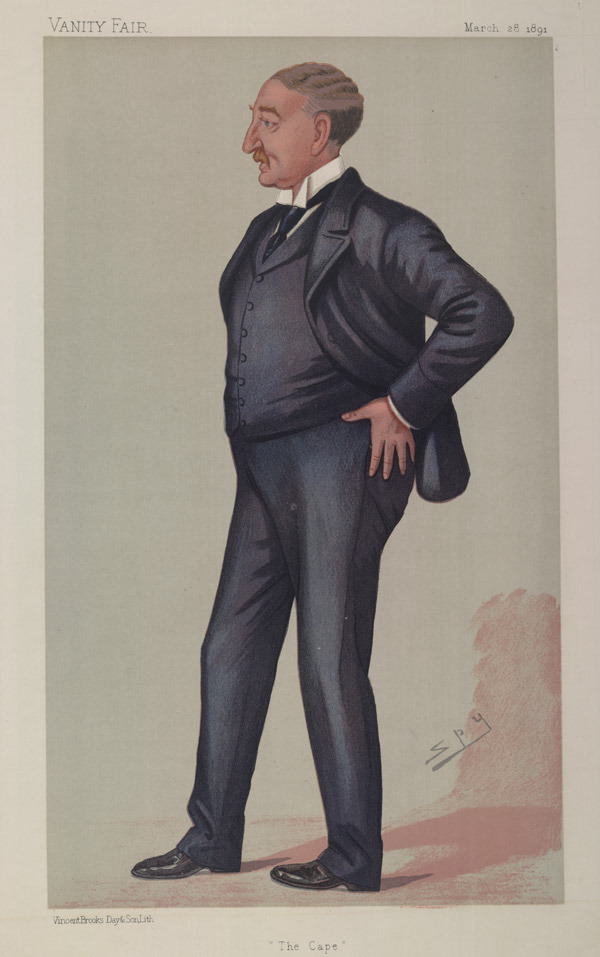
The Cape
Leslie Ward · 1891
A caricature of Cecil Rhodes published in Vanity Fair in 1891, drawn by Leslie Ward ('Spy').
This caricature shows how contemporary British society viewed Rhodes as the new Cape premier.
About this source
What it is
This is a caricature of Cecil Rhodes drawn by Leslie Ward, who worked under the pen name 'Spy', published in Vanity Fair in 1891 as part of the magazine's 'Men of the Day' series. It is captioned simply 'The Cape'.
Why it matters
Vanity Fair caricatures were a popular way for Victorian society to comment on public figures, often exaggerating features for humour or satire. This image shows how London society viewed Rhodes at the moment he became premier of the Cape Colony, linking him directly to the territory he governed.
Look closer
- What might the caption 'The Cape' suggest about how Rhodes was identified with the territory he ruled?
- Why were caricatures like this a popular form of political commentary in Victorian Britain?
- What does a caricature exaggerate, and what might it leave out compared to a photograph?
This painting is part of the curated material that grounds the AI version of Cecil Rhodes on Humy.ai — when students ask about related events, the AI can quote it and cite it.
More Cecil Rhodes sources
Browse all 94 →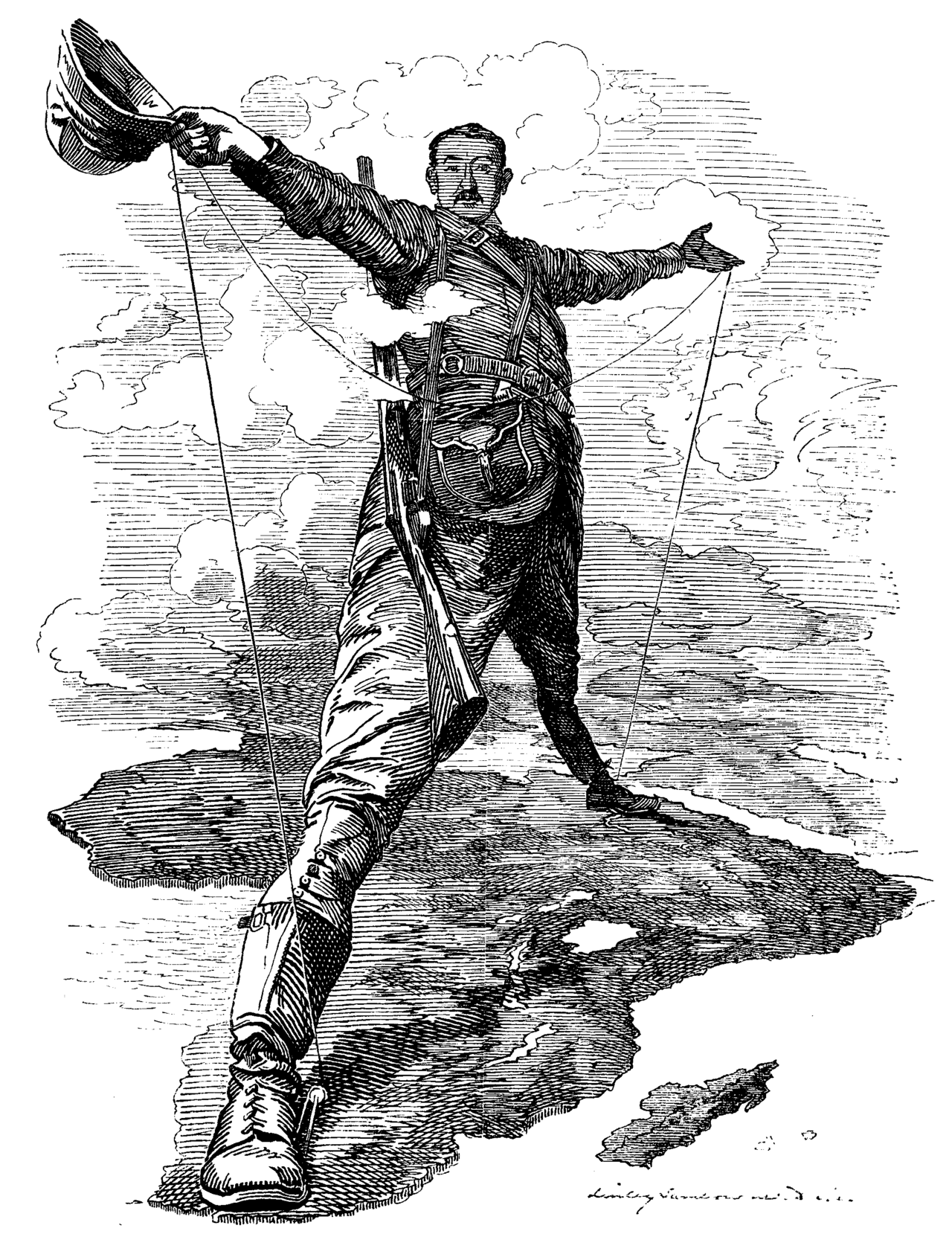 Painting
Primary source
The Rhodes Colossus
Edward Linley Sambourne · 1892
Primary source
Will of Cecil Rhodes
Cecil John Rhodes · 1 July 1899 (with codicils to March 1902)
 Document
Primary source
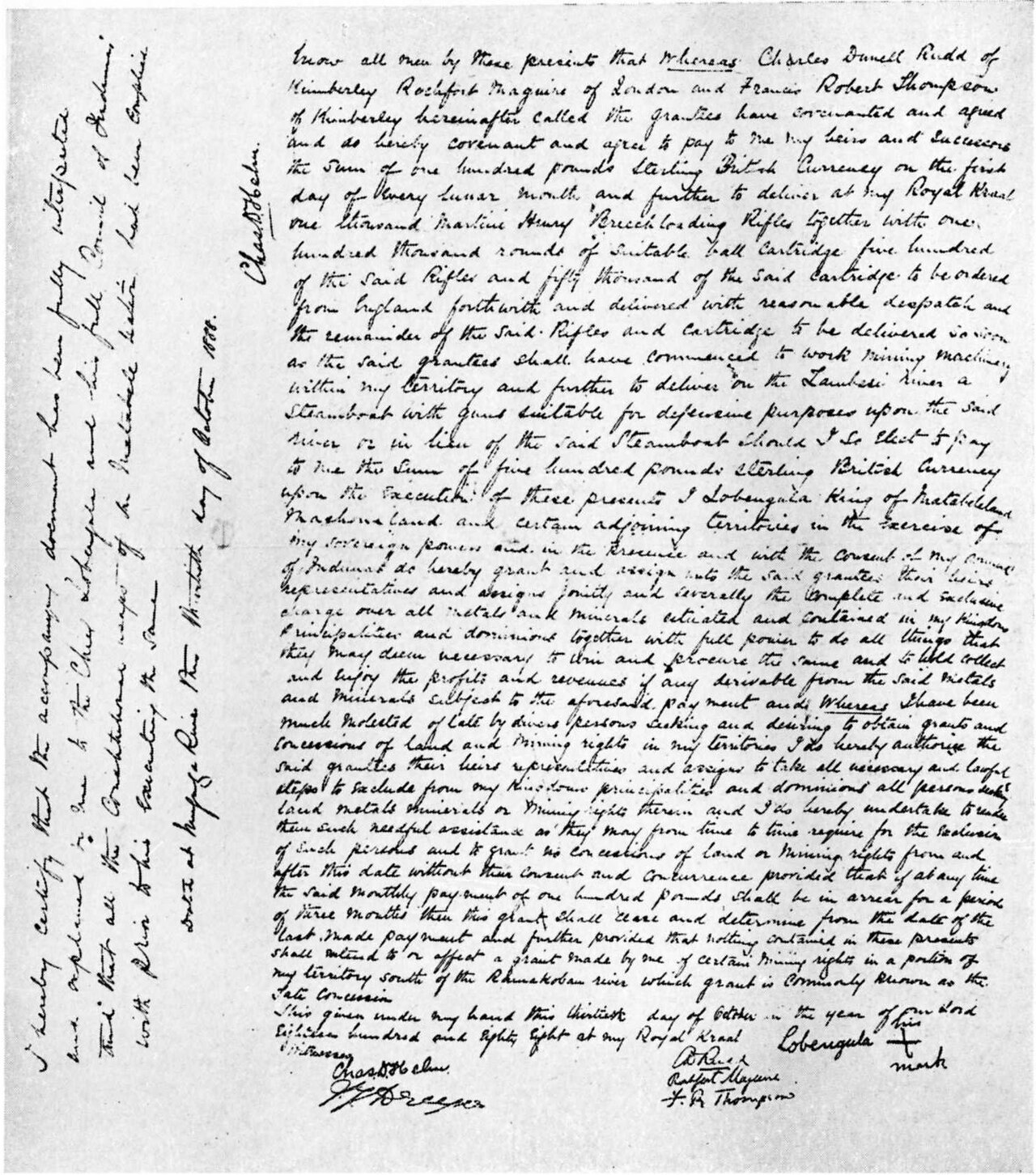
Rudd Concession
30 October 1888
 Book
Primary source
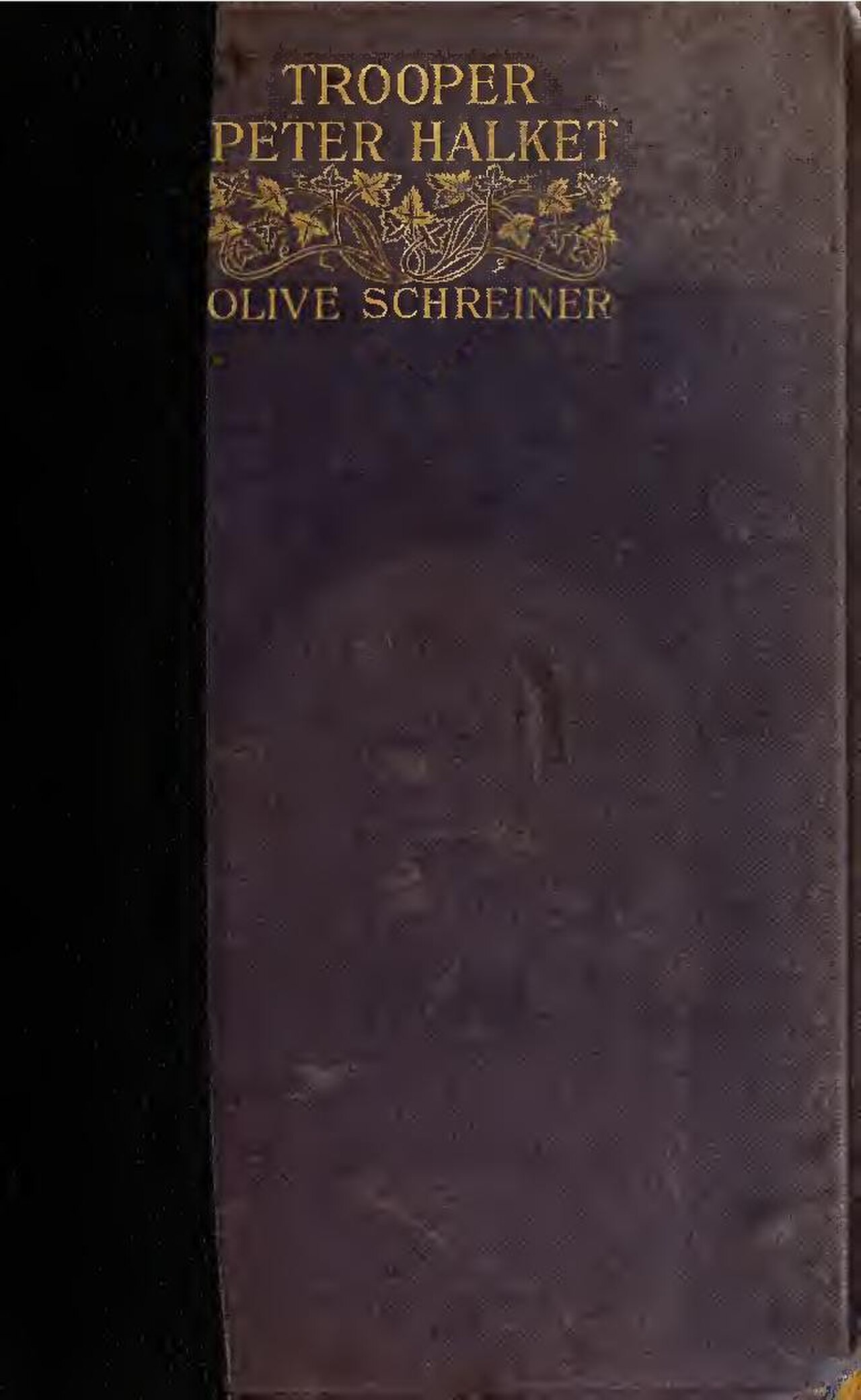
Trooper Peter Halket of Mashonaland
Olive Schreiner · 1897
Free account
Read every Cecil Rhodes source
Sign up free →
Ready when you are
Start chatting with Cecil Rhodes now.
20 messages free · No credit card · Available in 50+ languages.