


Primary sourceNewspaper article18 October 1879
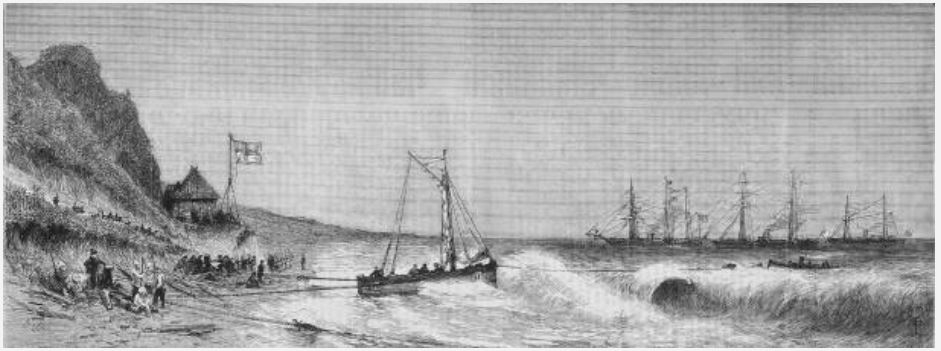
The Capture of Cetewayo
The Graphic · 18 October 1879
An 1879 newspaper engraving showing the captured King Cetshwayo being taken by boat to a British transport ship for exile at Port Durnford.
Depicts the moment of Cetshwayo's capture and departure into exile after the Anglo-Zulu War.
About this source
What it is
This engraving was published in The Graphic on 18 October 1879, illustrating the capture and removal of King Cetshwayo kaMpande after his defeat in the Anglo-Zulu War. It shows the scene at Port Durnford, with the king being transported by small boat to the waiting ships HMS Forester, the Natal and the Galatea.
Why it matters
This image documents a turning point in Zulu history: the moment the king, having lost his war against Britain, was taken from his homeland into exile. Illustrated newspapers like The Graphic shaped how British readers understood colonial events, often focusing on spectacle rather than the human and political consequences for the Zulu people.
Look closer
- What does the choice to show ships and distant figures, rather than Cetshwayo himself up close, suggest about the focus of the illustration?
- Why would a British newspaper want to show this moment to its readers?
- What is missing from this image about what capture and exile meant for Cetshwayo and his people?
This newspaper article is part of the curated material that grounds the AI version of Cetshwayo kaMpande on Humy.ai — when students ask about related events, the AI can quote it and cite it.
More Cetshwayo kaMpande sources
Meet the AI Cetshwayo kaMpande →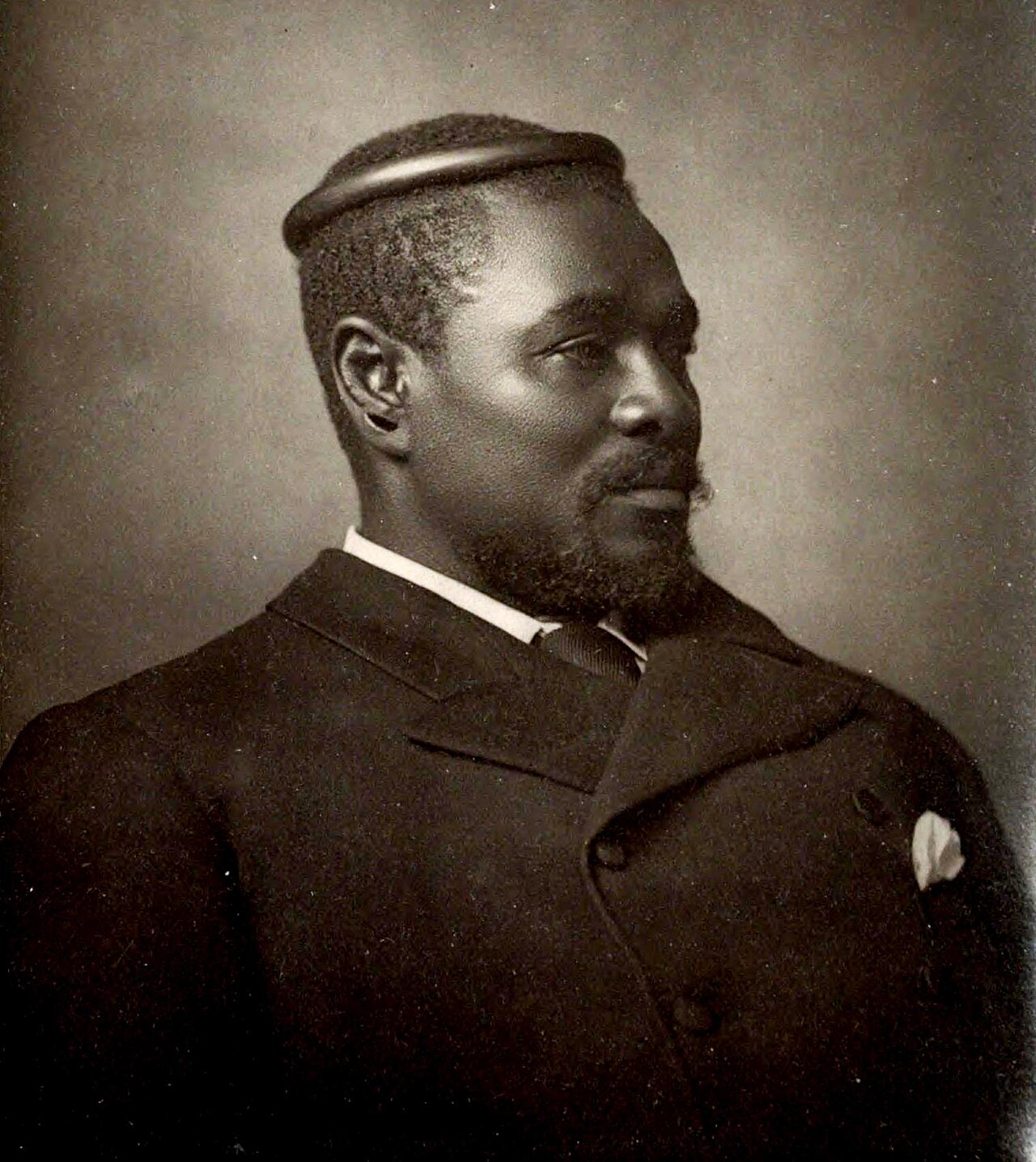 Photograph
Primary source
Portrait of Cetshwayo kaMpande, London 1882
Alexander Bassano · 1882
 Photograph
Primary source
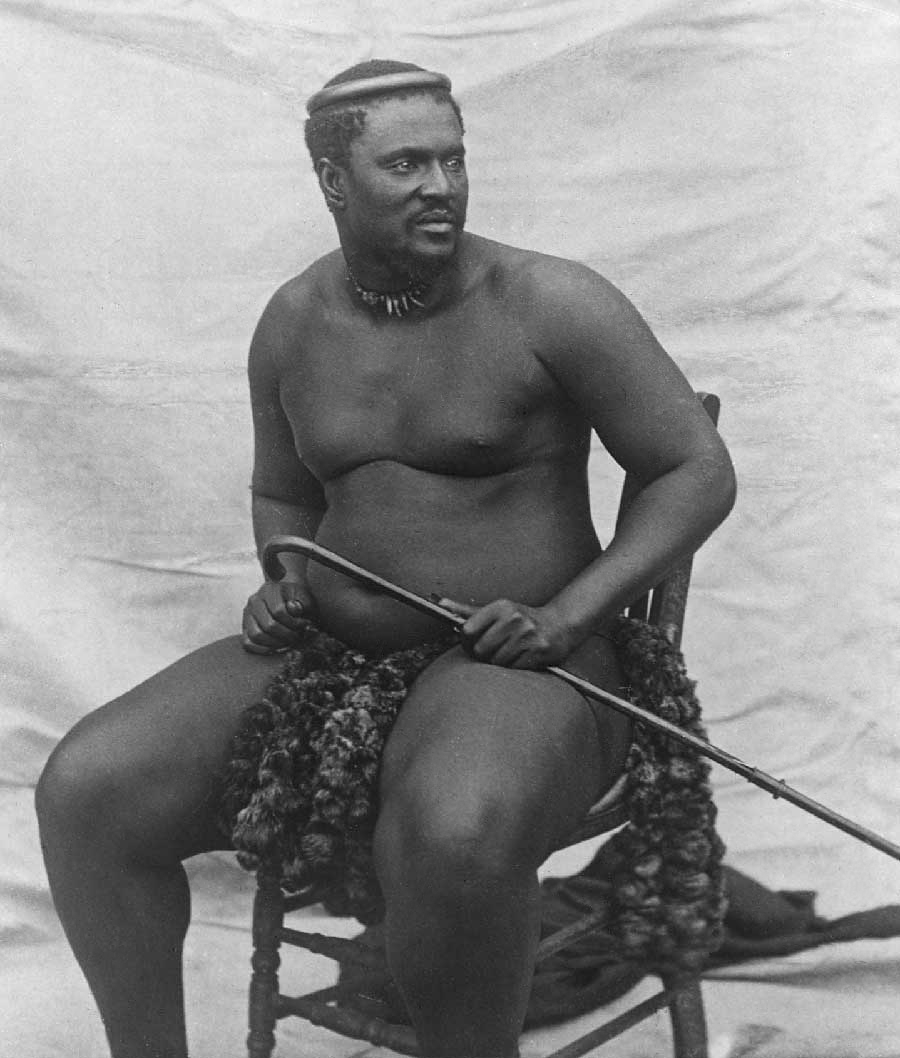
Photograph of Cetshwayo kaMpande, c. 1875
c. 1875
 Painting
Primary source
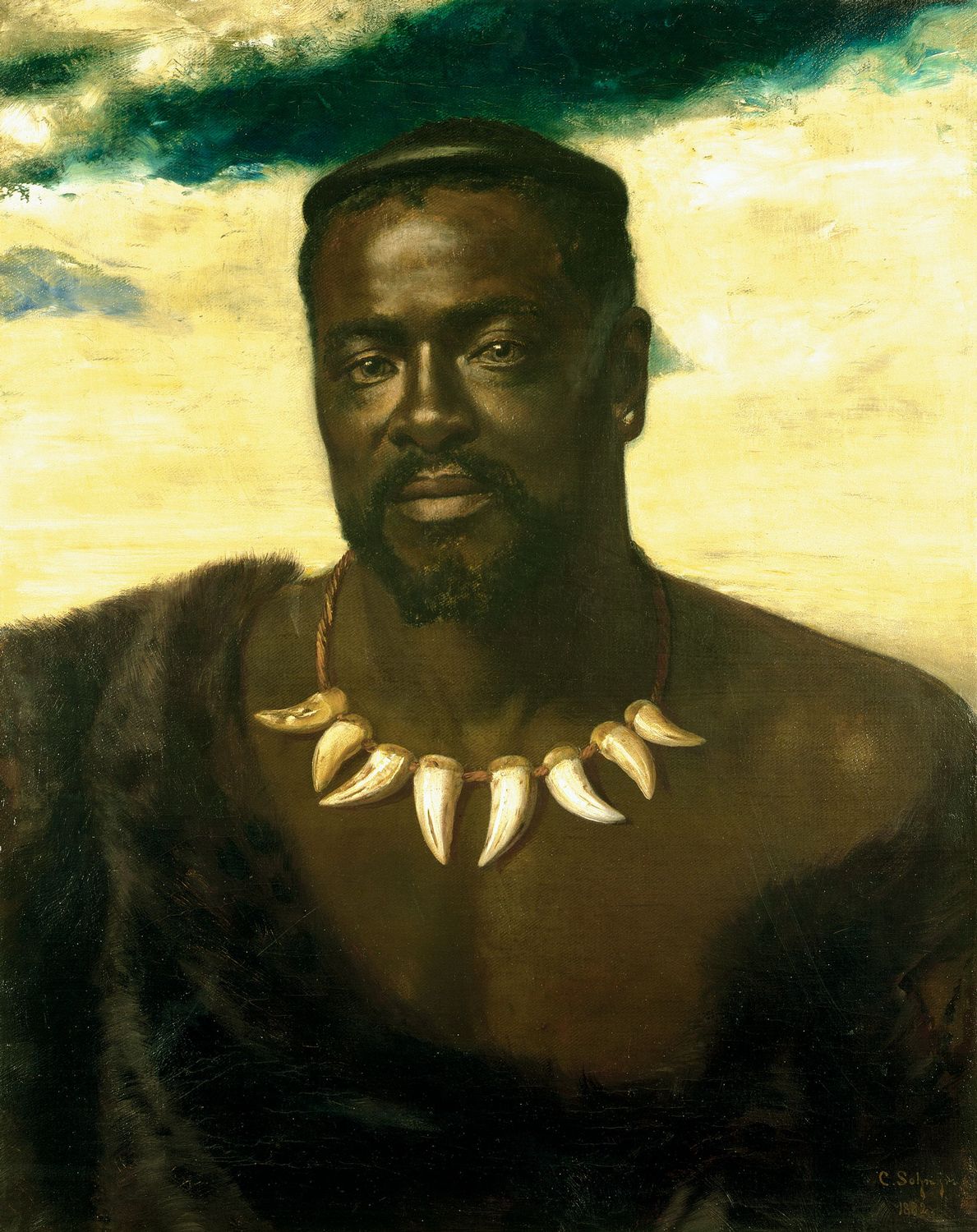
Cetshwayo, King of the Zulus
Carl Rudolph Sohn · 1882
 Painting
Primary source
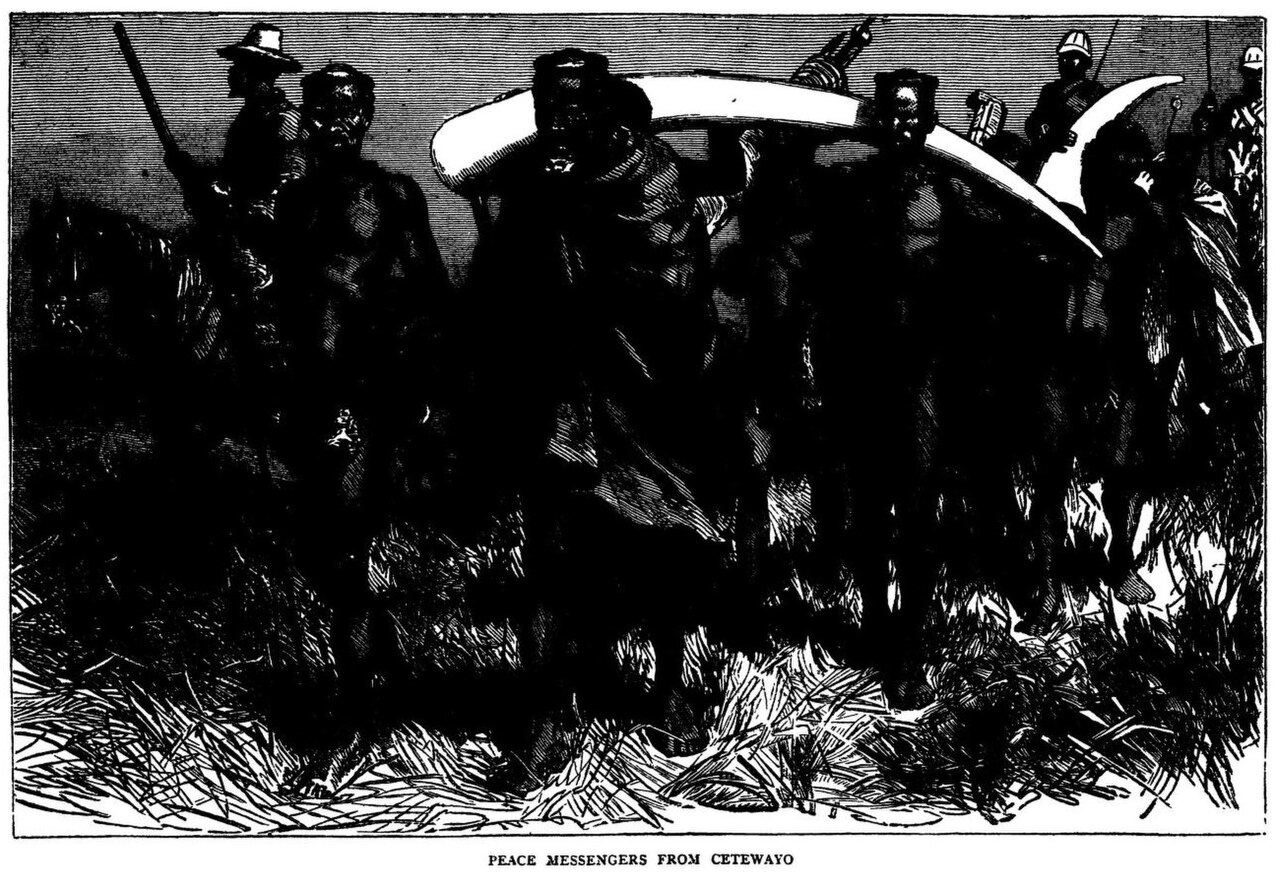
Peace Messengers from Cetawayo
1879
Secondary source
History of the Zulu War and Its Origin
Frances Ellen Colenso and Edward Durnford · 1880
Ready when you are
Start chatting with Cetshwayo kaMpande now.
20 messages free · No credit card · Available in 50+ languages.