


Secondary sourceBook1658
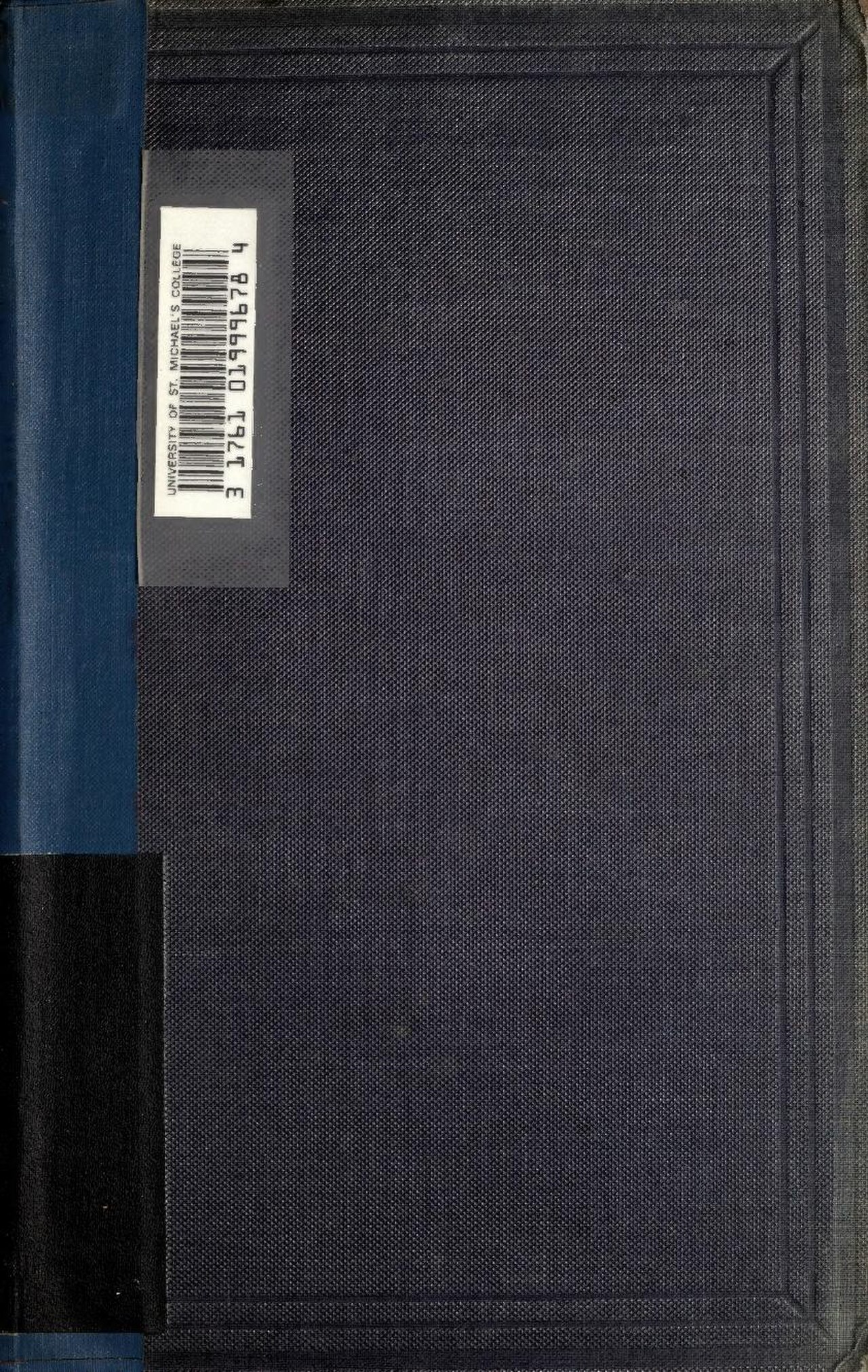
The Catching of Leviathan, or the Great Whale
John Bramhall · 1658
A 1658 attack by Bishop John Bramhall on Hobbes's book Leviathan, accusing it of undermining morality and the church.
This 1658 attack on Hobbes's Leviathan shows the religious controversy his philosophy provoked during his lifetime.
About this source
What it is
This is a written work by Bishop John Bramhall, published in 1658 as part of his Castigation of Hobbes' Animadversions, with an attached piece called 'The Catching of Leviathan, the Great Whale'. It responds directly to Thomas Hobbes's philosophy.
Why it matters
Bramhall's attack shows the religious and political backlash Hobbes faced during his own lifetime. Critics like Bramhall accused Hobbes's ideas, especially in Leviathan, of threatening traditional morality and the authority of the church, revealing how controversial and divisive his thought was among his contemporaries.
Look closer
- Why might a bishop feel threatened by a work of political philosophy?
- What does the title 'Catching the Leviathan' suggest about how Bramhall saw Hobbes's ideas?
- What does this controversy tell us about the relationship between religion and philosophy in the 1600s?
This book is part of the curated material that grounds the AI version of Thomas Hobbes on Humy.ai — when students ask about related events, the AI can quote it and cite it.
More Thomas Hobbes sources
Meet the AI Thomas Hobbes →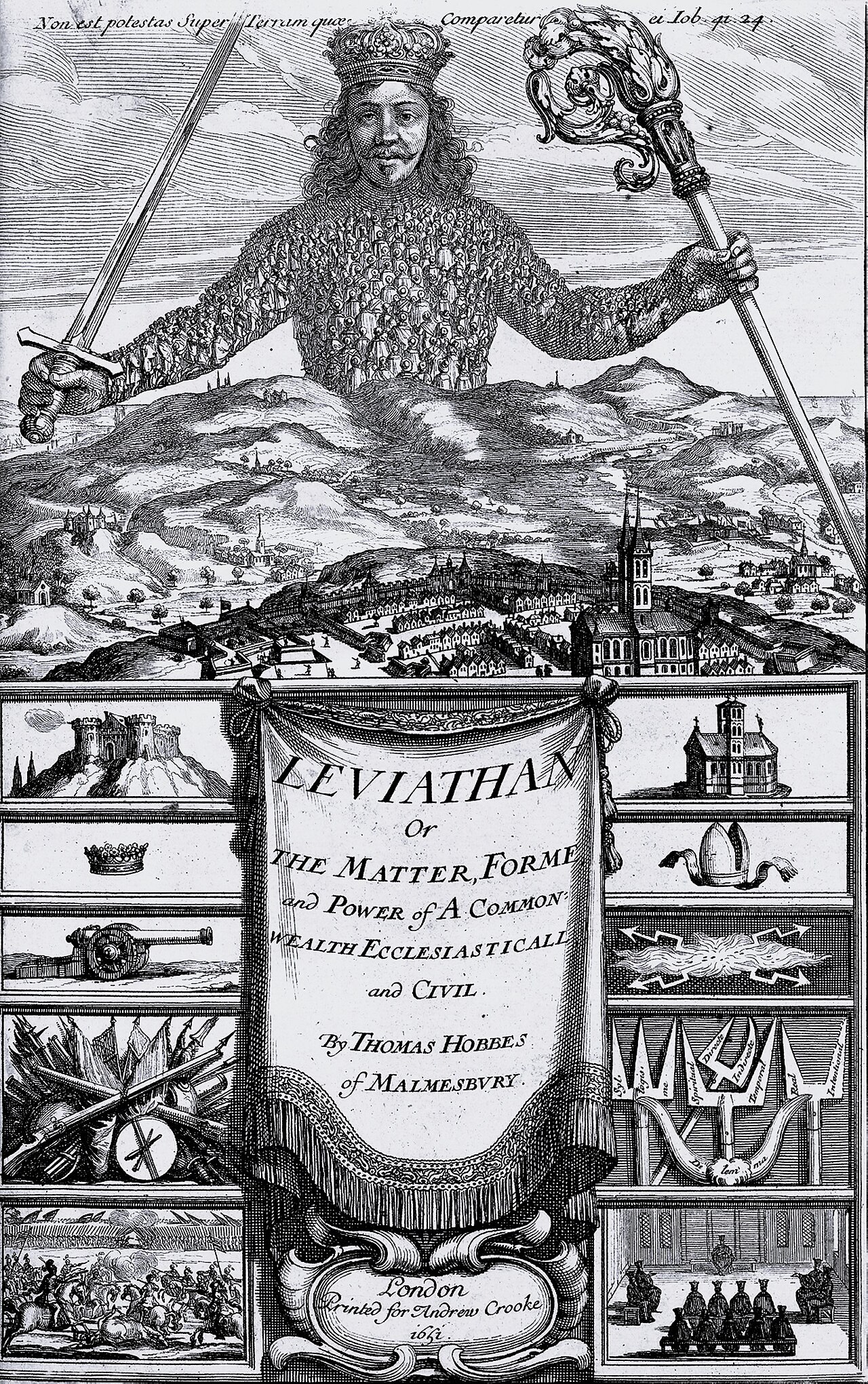 Book
Primary source
Leviathan
Thomas Hobbes · 1651
 Book
Primary source
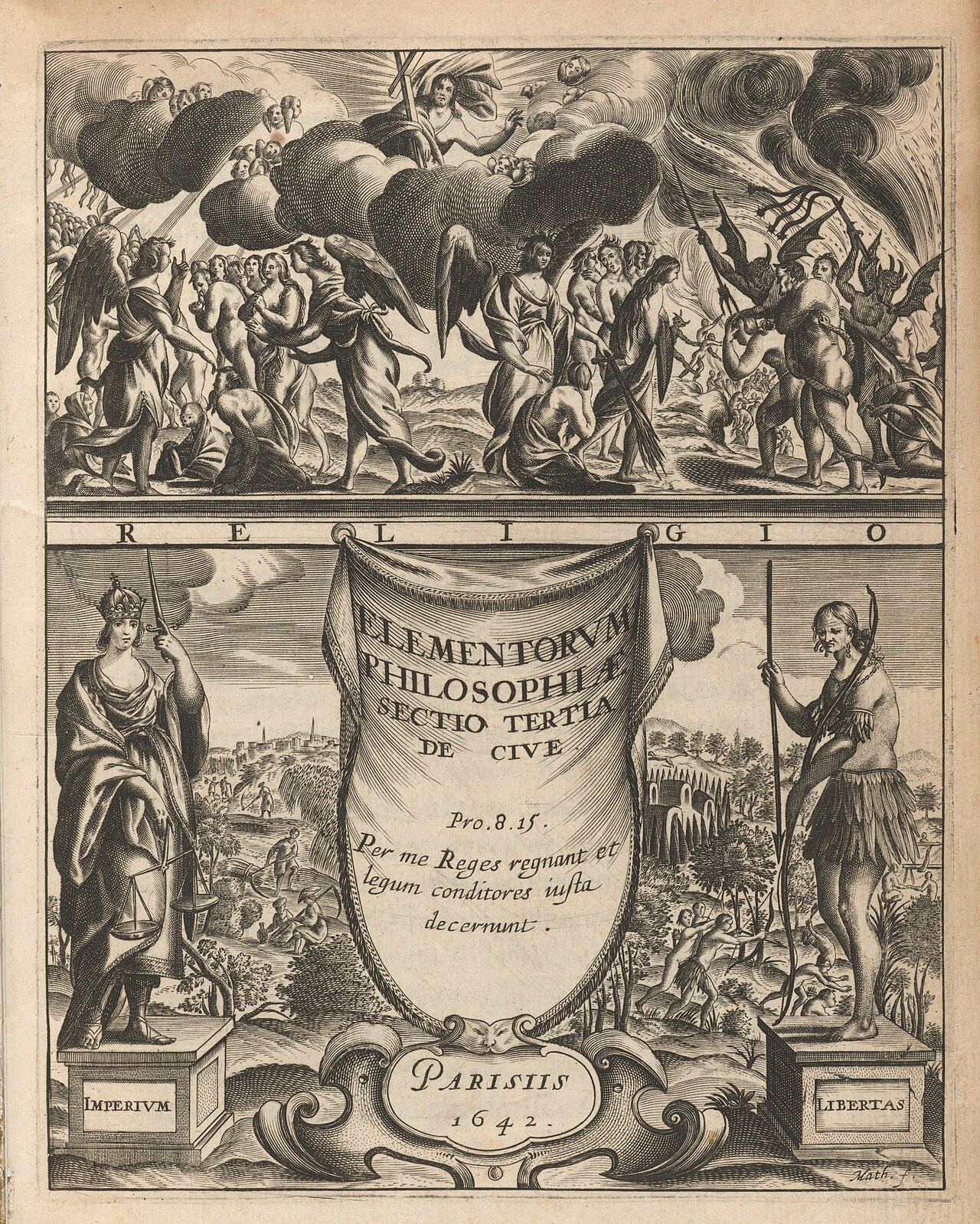
De Cive
Thomas Hobbes · 1642
 Painting
Secondary source
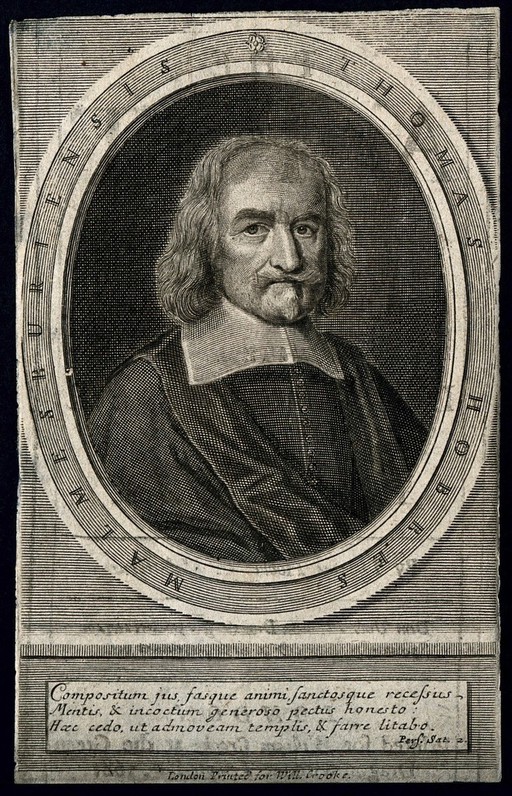
Portrait of Thomas Hobbes, Line Engraving
Primary source
The Elements of Law
Thomas Hobbes · 1640
 Artifact
Secondary source
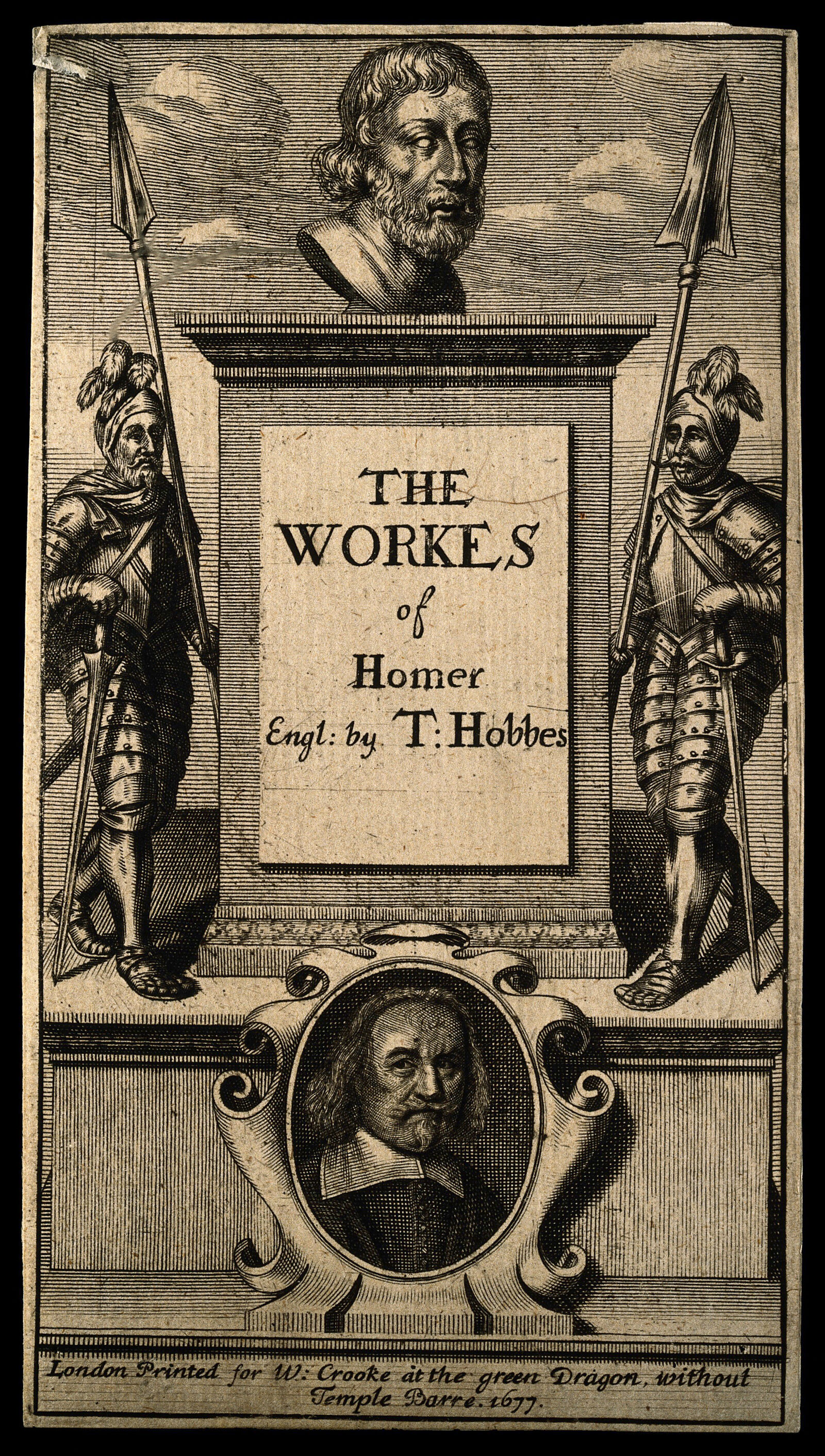
Title Page of The Workes of Homer, Translated by Thomas Hobbes
1677
Ready when you are
Start chatting with Thomas Hobbes now.
20 messages free · No credit card · Available in 50+ languages.