


Secondary sourcePainting1831
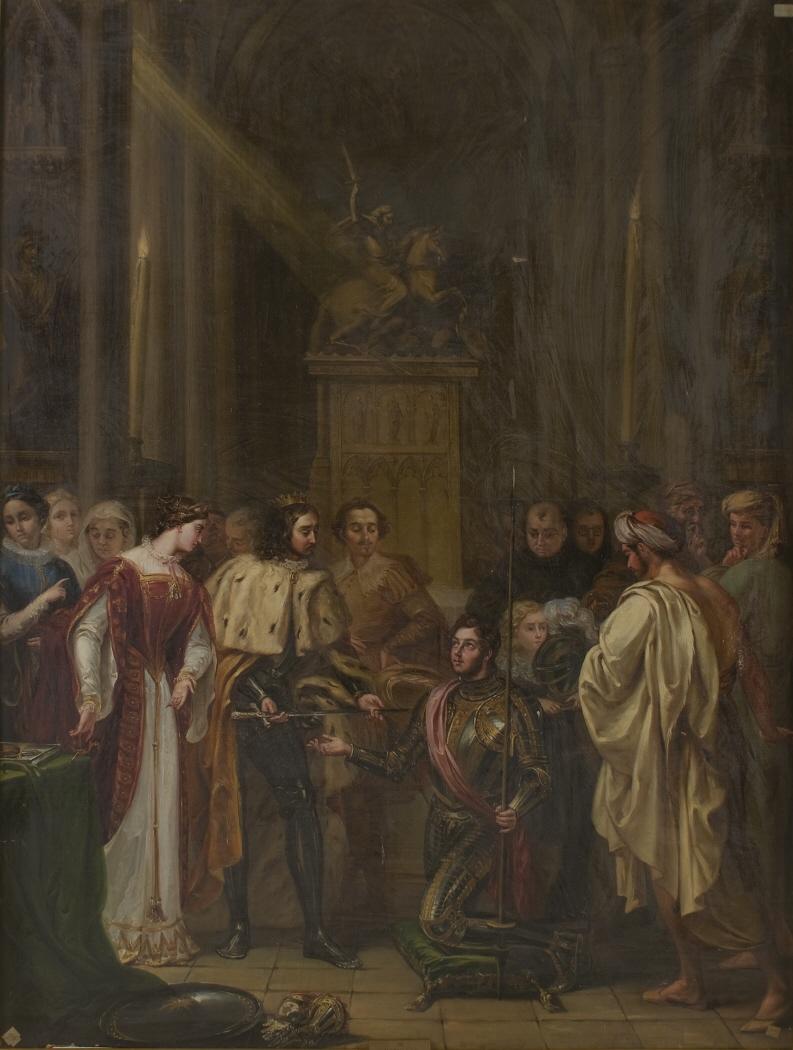
The Cid Being Dubbed a Knight
José Castelaro y Perea · 1831
An 1831 painting imagining the young Rodrigo Díaz de Vivar receiving knighthood.
This painting imagines the ceremony in which Rodrigo Díaz de Vivar became a knight.
About this source
What it is
Painted in 1831 by José Castelaro y Perea, this work depicts Rodrigo Díaz de Vivar, the Cid, being knighted. It shows a kneeling armored figure receiving a sword from a crowned man in an ermine-trimmed cloak, watched by onlookers including a woman in red and white and a turbaned figure.
Why it matters
This romanticized scene imagines a formative moment in the young Cid's life, his formal entry into knighthood, which was central to his later role as a warrior and leader in medieval Castile. It reflects nineteenth-century fascination with medieval chivalry and national heroes.
Look closer
- What symbols of power and status can you find in the painting (crowns, swords, statues)?
- Why might the artist include a turbaned figure among the onlookers?
- Since this scene was painted centuries after the event, what parts of it are likely imagined rather than recorded?
This painting is part of the curated material that grounds the AI version of El Cid on Humy.ai — when students ask about related events, the AI can quote it and cite it.
More El Cid sources
Browse all 80 →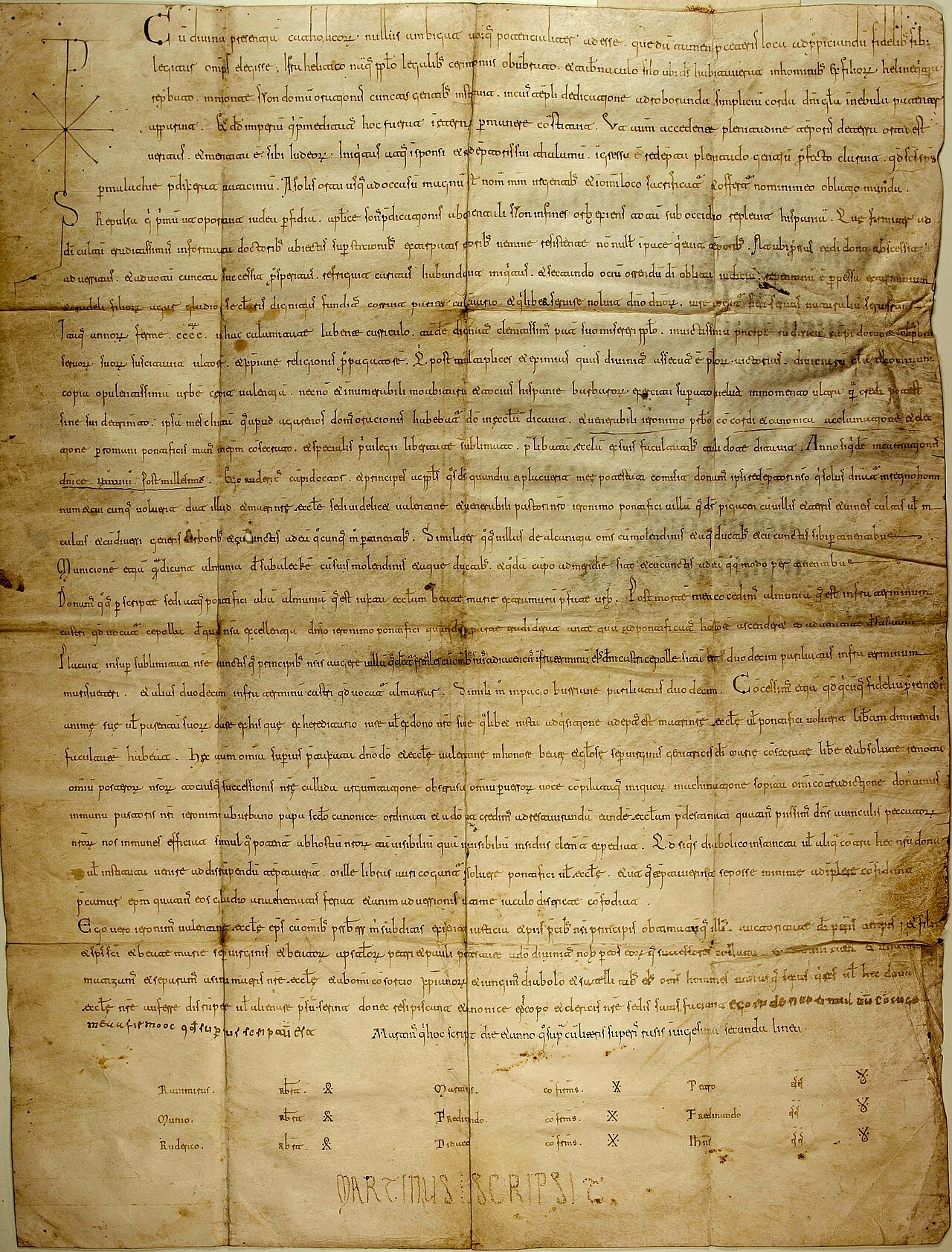 Document
Primary source
Dotación del Cid a la catedral de Valencia
Martinus (notary) · 1098
 Document
Primary source
Ego Ruderico
Rodrigo Díaz el Campeador · 1098
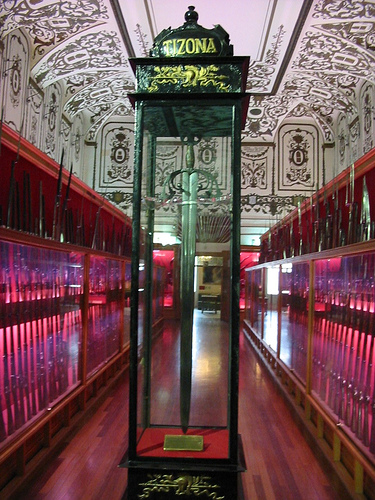 Artifact
Secondary source
Tizona
disputed, possibly 11th century blade with 15th-century hilt
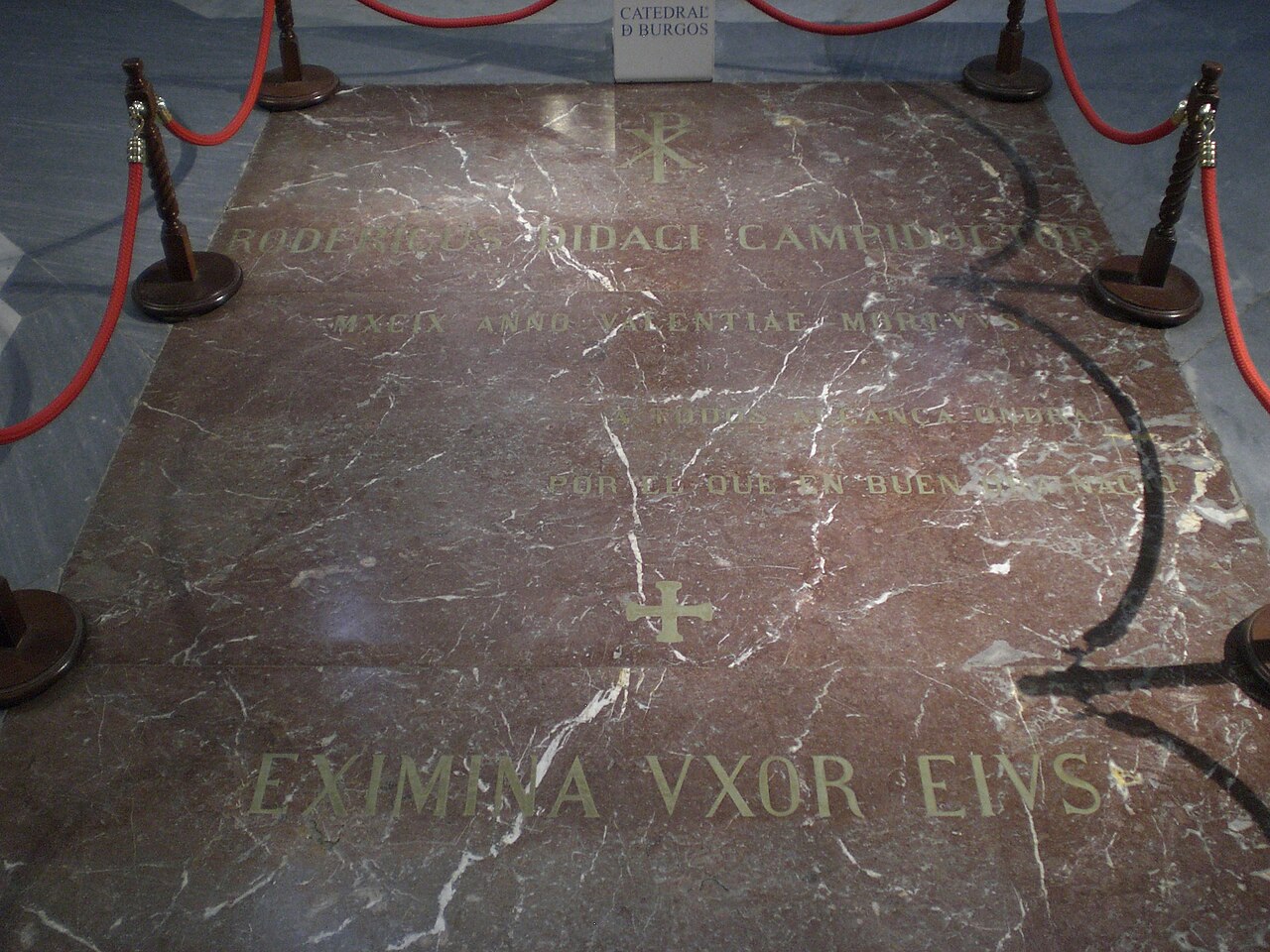 Artifact
Secondary source
Grave of Rodrigo Díaz de Villarreal
remains moved 1921

Free account
Read every El Cid source
Sign up free →
Ready when you are
Start chatting with El Cid now.
20 messages free · No credit card · Available in 50+ languages.