


Primary sourceBook1843
The Conqueror Worm
Edgar Allan Poe · 1843
A dark 1843 poem by Edgar Allan Poe on death and theatre, later reused inside his story The Fall of the House of Usher.
Composed by Poe, this poem reflects his fascination with death and was later woven into one of his most famous stories.
About this source
What it is
A poem written by Edgar Allan Poe in 1843. It imagines human life as a theatrical play watched by angels, ending in horror and death. Poe later placed the poem inside his short story The Fall of the House of Usher.
Why it matters
The poem shows Poe's recurring themes of mortality, despair, and the macabre, and demonstrates how he connected his poetry and fiction. It reveals the mood and ideas that run through much of his work.
Look closer
- What does the image of a 'play' suggest about Poe's view of human life?
- Why might Poe have reused this poem inside a short story?
- What feelings does the language create, and how?
This book is part of the curated material that grounds the AI version of Edgar Allan Poe on Humy.ai — when students ask about related events, the AI can quote it and cite it.
More Edgar Allan Poe sources
Meet the AI Edgar Allan Poe →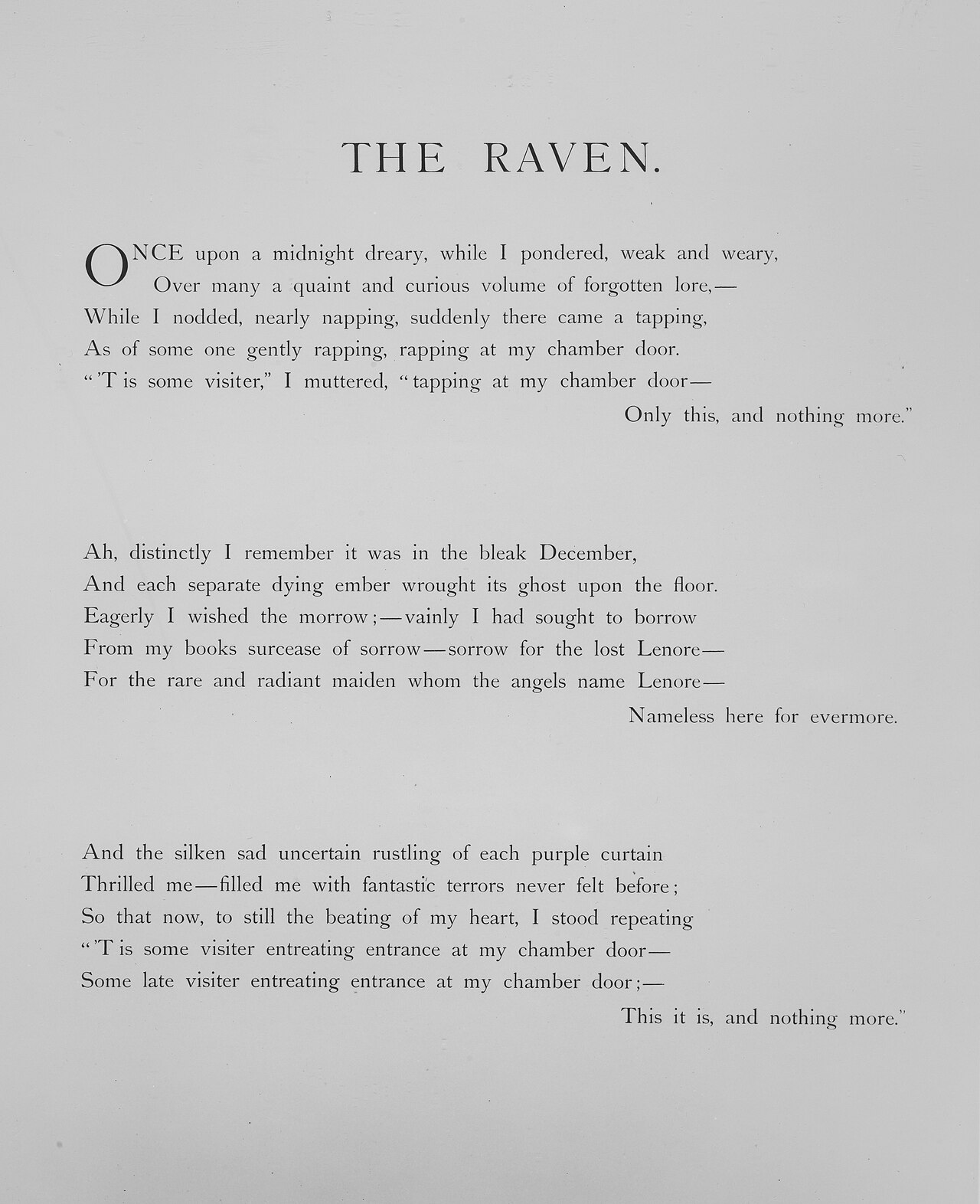 Book
Primary source
The Raven
Edgar Allan Poe · 1845
 Book
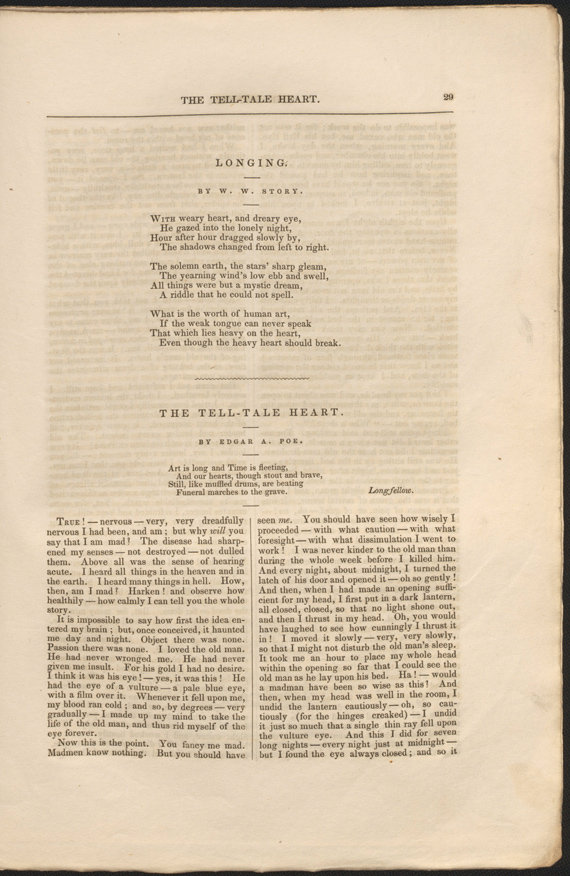
Primary source
The Tell-Tale Heart
Edgar Allan Poe · 1843
 Book
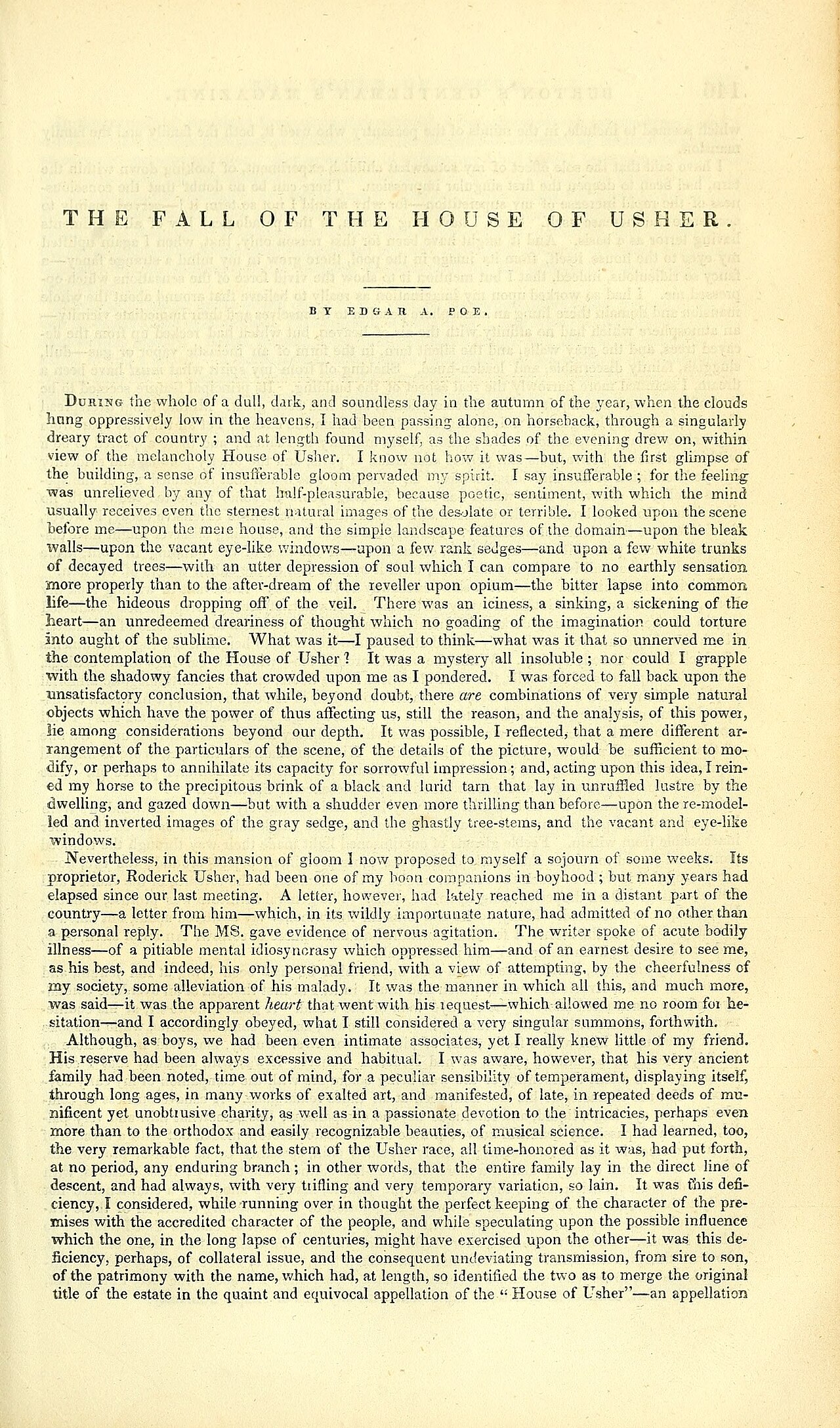
Primary source
The Fall of the House of Usher
Edgar Allan Poe · 1839
 Book
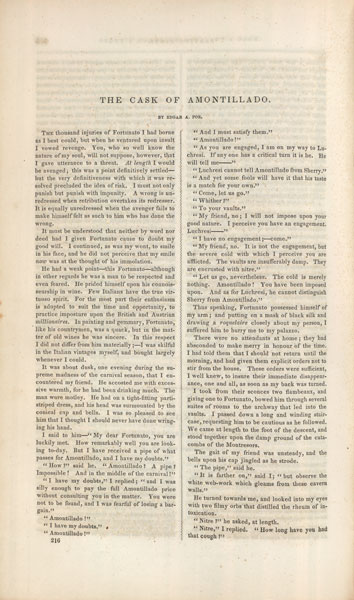
Primary source
The Cask of Amontillado
Edgar Allan Poe · November 1846
 Book
Primary source
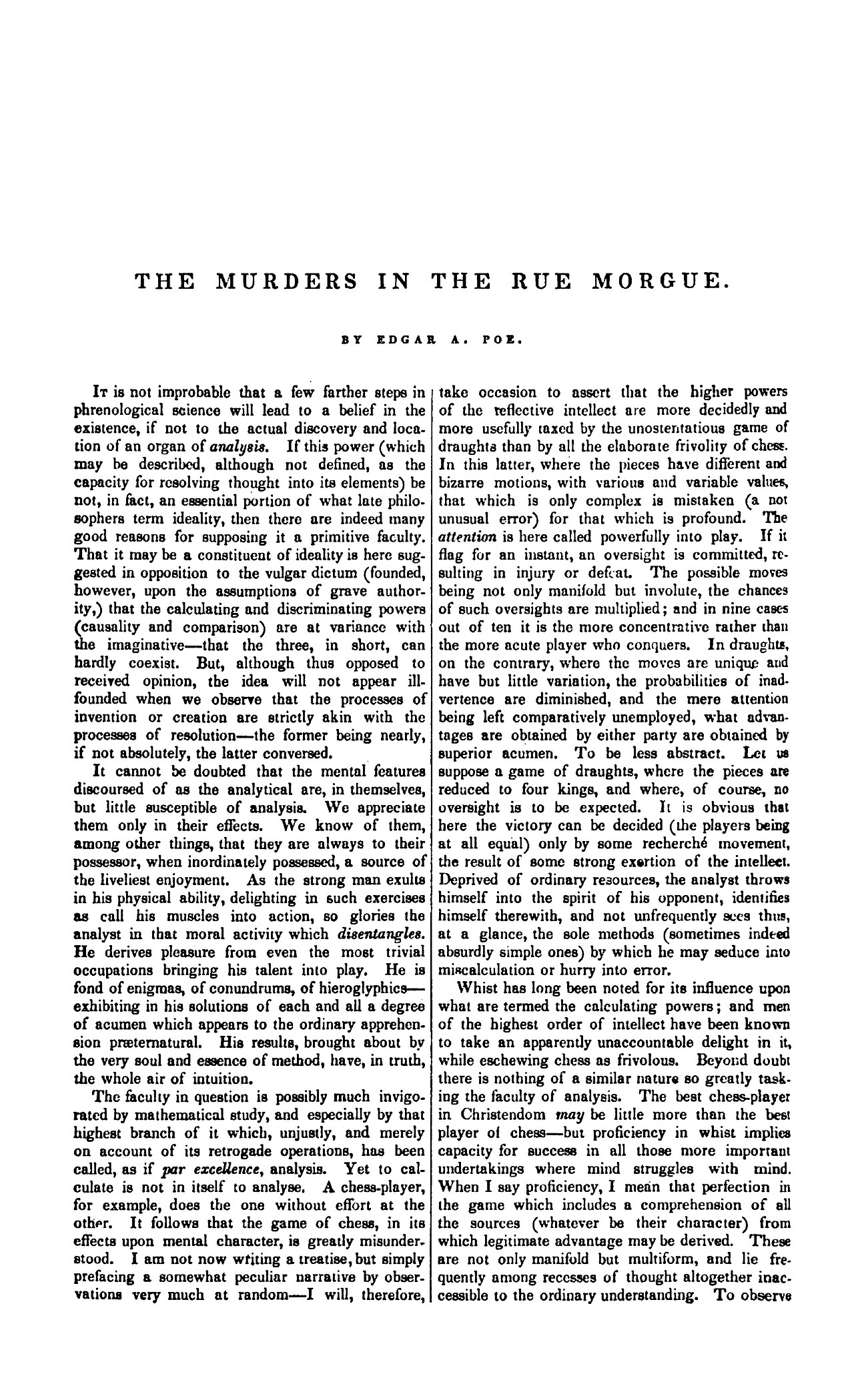
The Murders in the Rue Morgue
Edgar Allan Poe · 1841
Ready when you are
Start chatting with Edgar Allan Poe now.
20 messages free · No credit card · Available in 50+ languages.