


Secondary sourcePainting1653
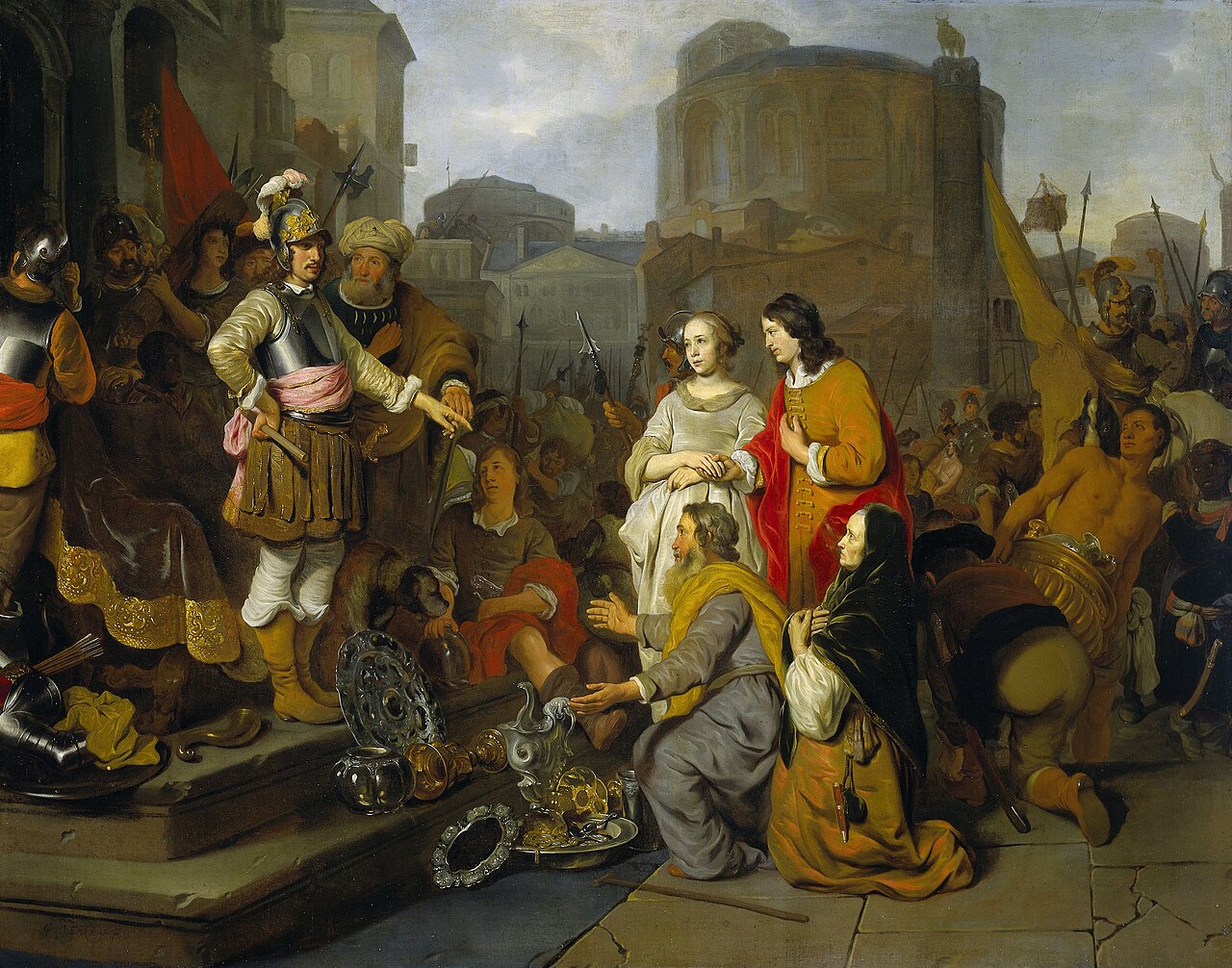
The Continence of Scipio
Gerbrand van den Eeckhout · 1653
A 1653 Dutch painting showing Scipio returning a captive bride and her ransom to her betrothed, an episode praising his restraint.
Depicts Scipio Africanus returning a captive bride and her ransom, illustrating his famous act of restraint.
About this source
What it is
This painting from 1653 is by Gerbrand van den Eeckhout, a pupil of Rembrandt. It shows the moment Scipio hands back a captured bride, along with the riches her parents offered as ransom, to her waiting groom. The work is now linked to the Rijksmuseum in Amsterdam, though during the Second World War it was taken by Nazi forces to the Führermuseum before being returned to the Netherlands.
Why it matters
The story of Scipio's continence was a favourite subject for Dutch artists and patrons, who used Roman tales of virtue to model good behaviour for their own civic leaders. The painting also reveals a darker history: it was once looted art, showing how artworks can carry stories beyond the scene they depict.
Look closer
- What gestures and objects show that Scipio is in a position of power?
- Why might 17th-century Dutch viewers have found this ancient Roman story relevant to their own lives?
- What does the painting leave out about the people whose ransom and marriage are being decided?
This painting is part of the curated material that grounds the AI version of Scipio Africanus on Humy.ai — when students ask about related events, the AI can quote it and cite it.
More Scipio Africanus sources
Browse all 94 →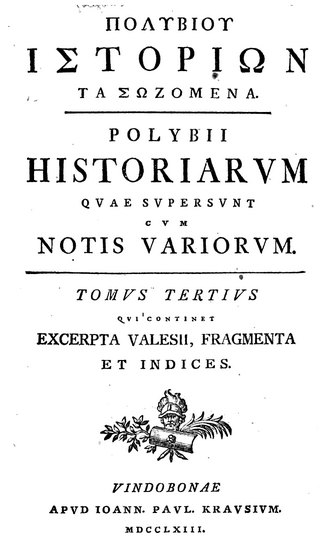 Book
Secondary source
The Histories
Polybius · c. 150 BCE
 Book
Primary source
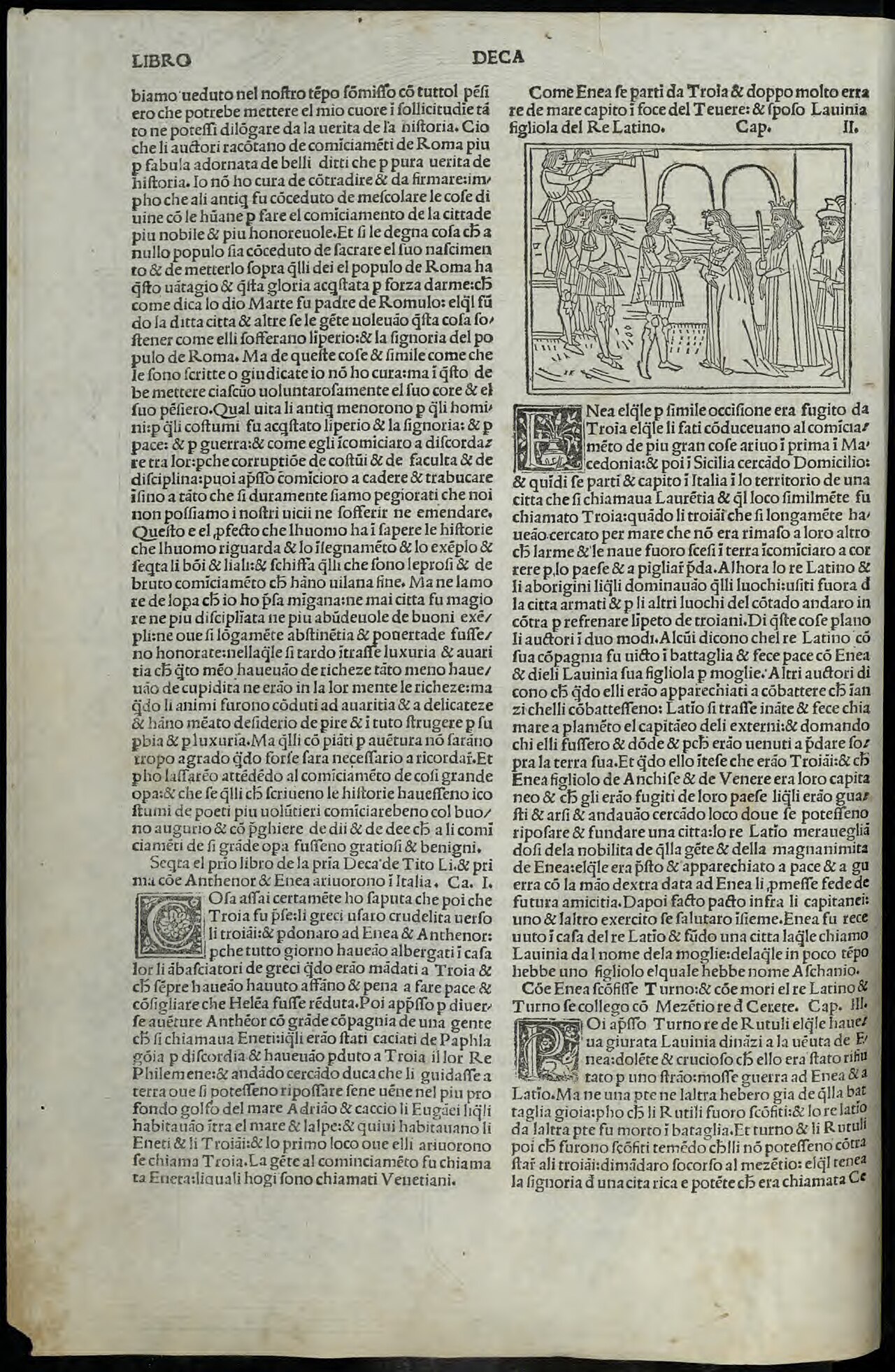
History of Rome
Titus Livius · 27-9 BC
 Book
Secondary source
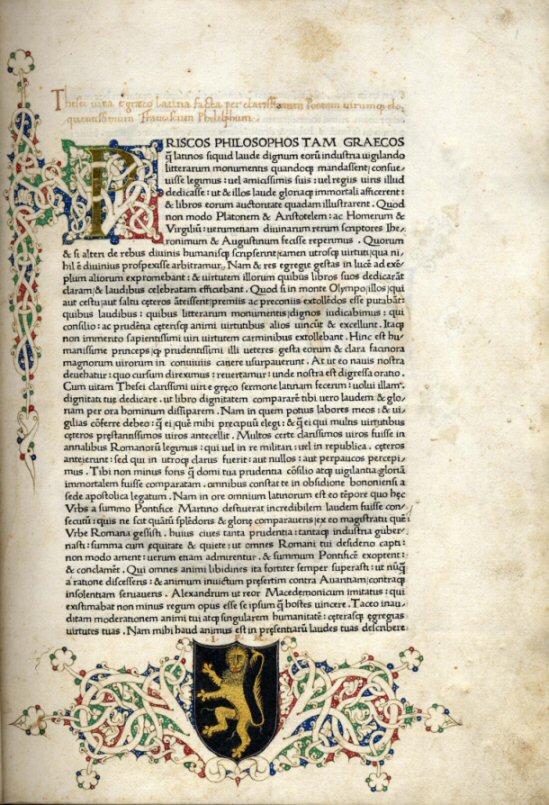
Parallel Lives
Plutarch · c. 100-120 AD
 Letter
Primary source
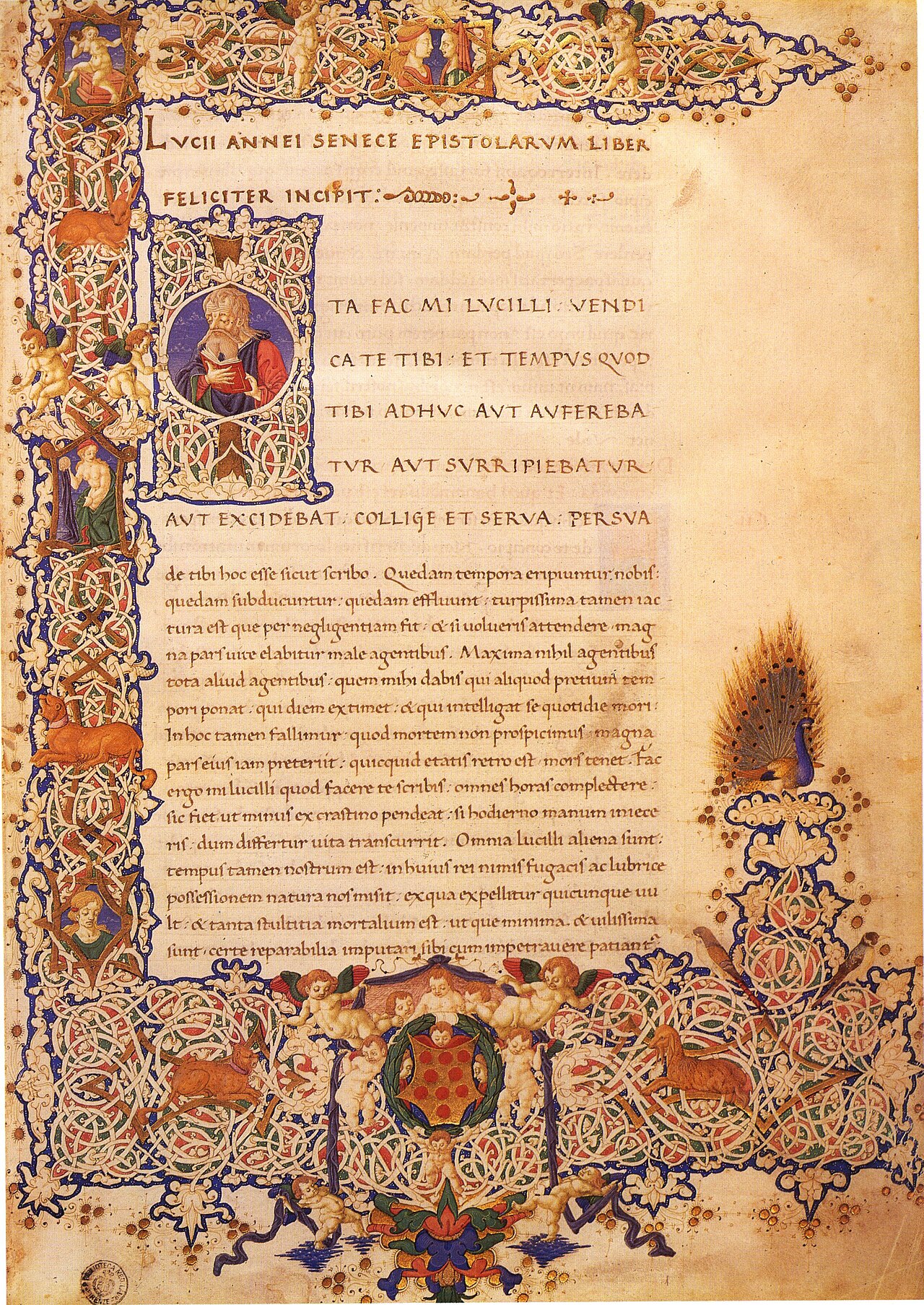
Epistulae Morales ad Lucilium
Seneca · c. 62-65 CE
Free account
Read every Scipio Africanus source
Sign up free →
Ready when you are
Start chatting with Scipio Africanus now.
20 messages free · No credit card · Available in 50+ languages.