


Secondary sourcePaintingc. 1710
The Continence of Scipio
Giovanni Antonio Pellegrini · c. 1710
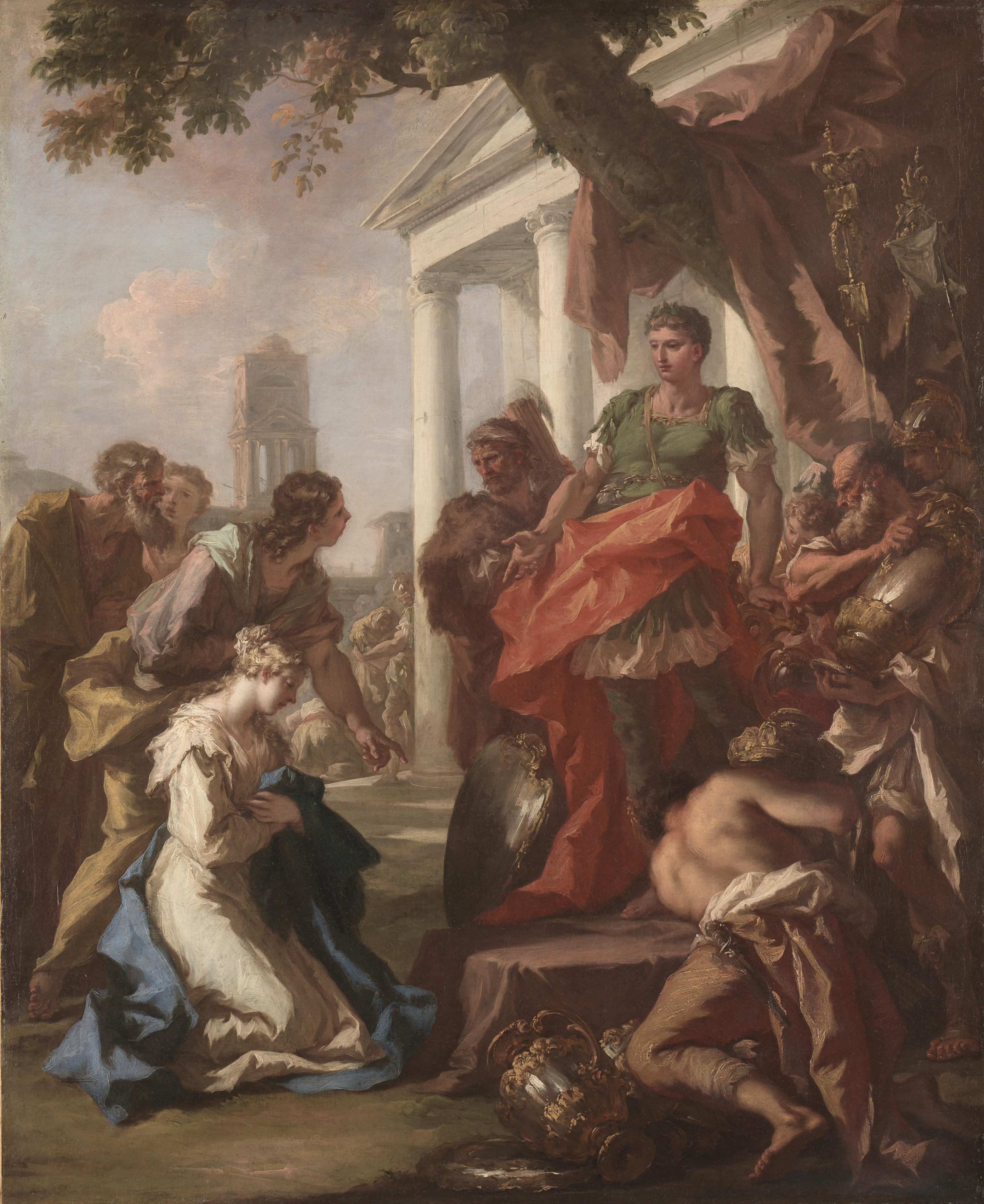
A c. 1710 oil painting by Giovanni Antonio Pellegrini showing Scipio returning a captive young woman to her husband after the capture of New Carthage.
Shows Scipio Africanus in a famous story of self-restraint after the capture of New Carthage, painted long after his death.
About this source
What it is
This is an oil painting on canvas by Giovanni Antonio Pellegrini, dated c. 1710, now in the Cleveland Museum of Art. The museum describes the scene: after his conquest of New Carthage in Spain in 209 BC, the Roman commander Scipio Africanus the Elder gives a young woman, his victor's reward, back to her husband. In the picture, a laurel-crowned commander gestures toward a kneeling young woman, with onlookers around them.
Why it matters
The painting shows the story of Scipio's self-control, which later writers and artists praised as a sign of virtuous leadership. The museum notes that it is a story of wise government. Pellegrini painted it about nineteen centuries after the event, so it reveals early eighteenth-century ideas about honour and power as much as the ancient past.
Look closer
- How does the painter show who holds power and who is shown as dependent?
- Why might the artist include a half-naked man and a shield in the lower corner?
- What does the painting leave out about the woman's own voice and feelings?
This painting is part of the curated material that grounds the AI version of Scipio Africanus on Humy.ai — when students ask about related events, the AI can quote it and cite it.
More Scipio Africanus sources
Browse all 94 →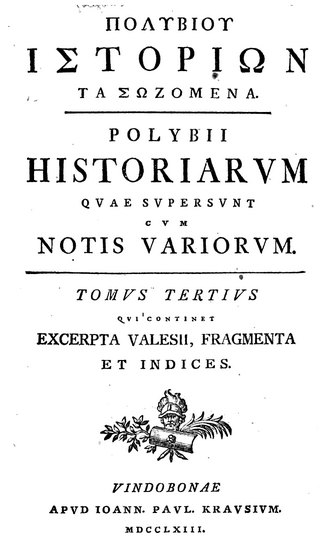 Book
Secondary source
The Histories
Polybius · c. 150 BCE
 Book
Primary source
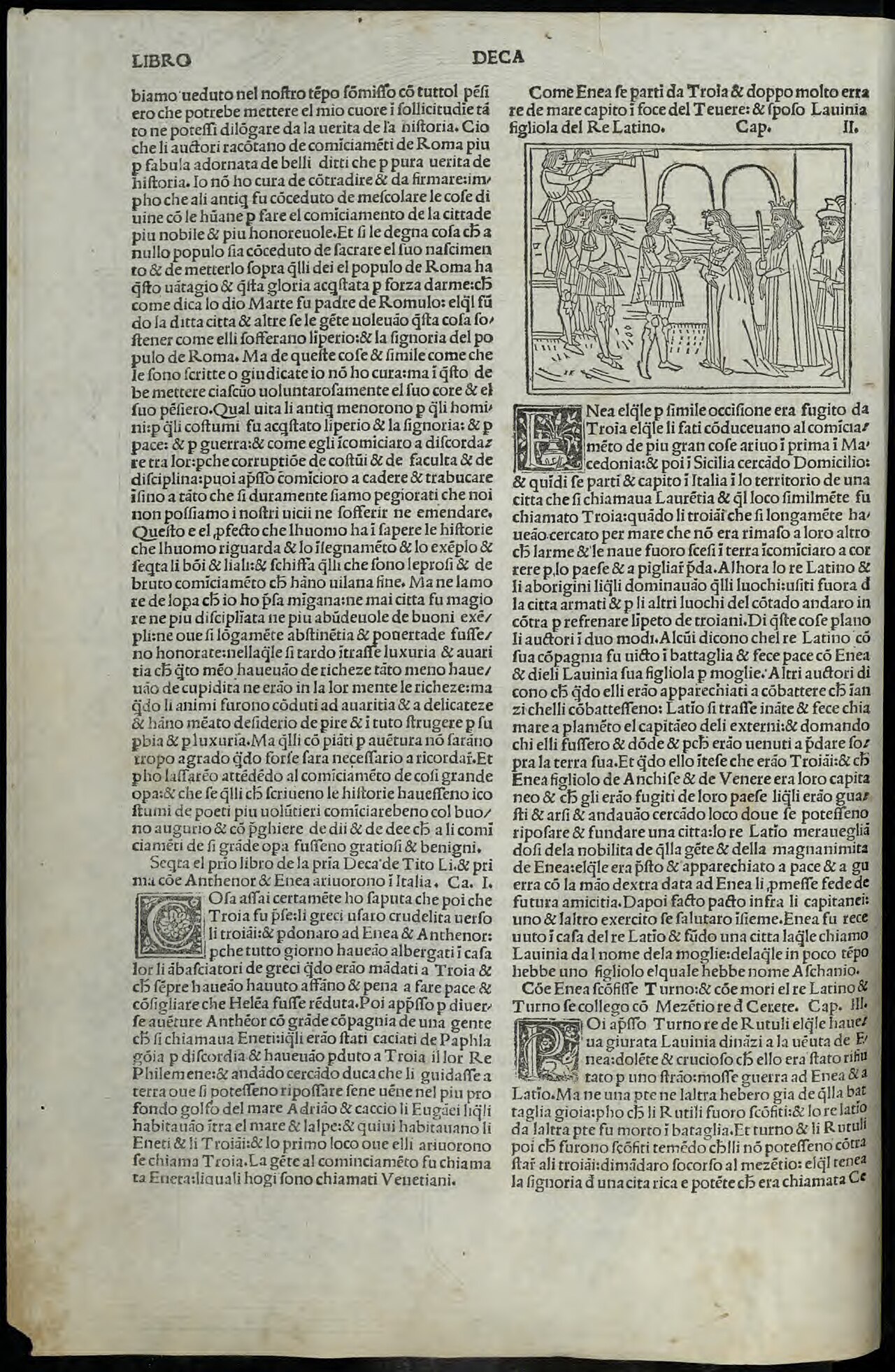
History of Rome
Titus Livius · 27-9 BC
 Book
Secondary source
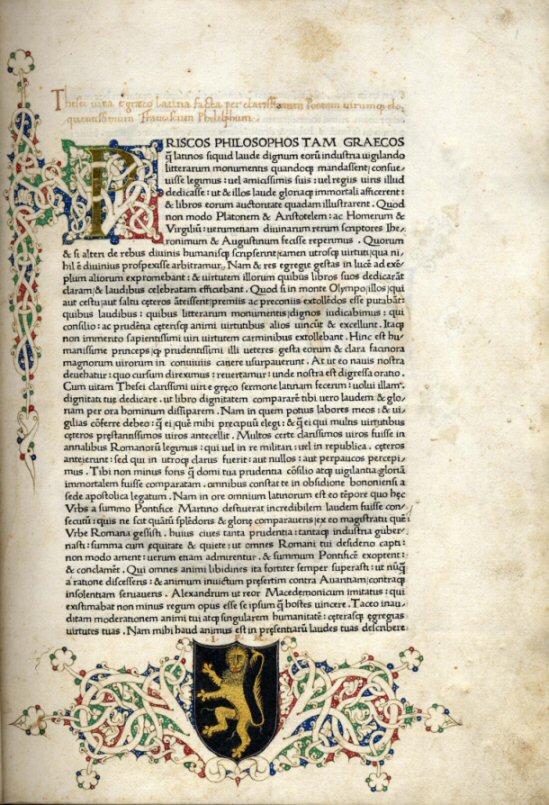
Parallel Lives
Plutarch · c. 100-120 AD
 Letter
Primary source
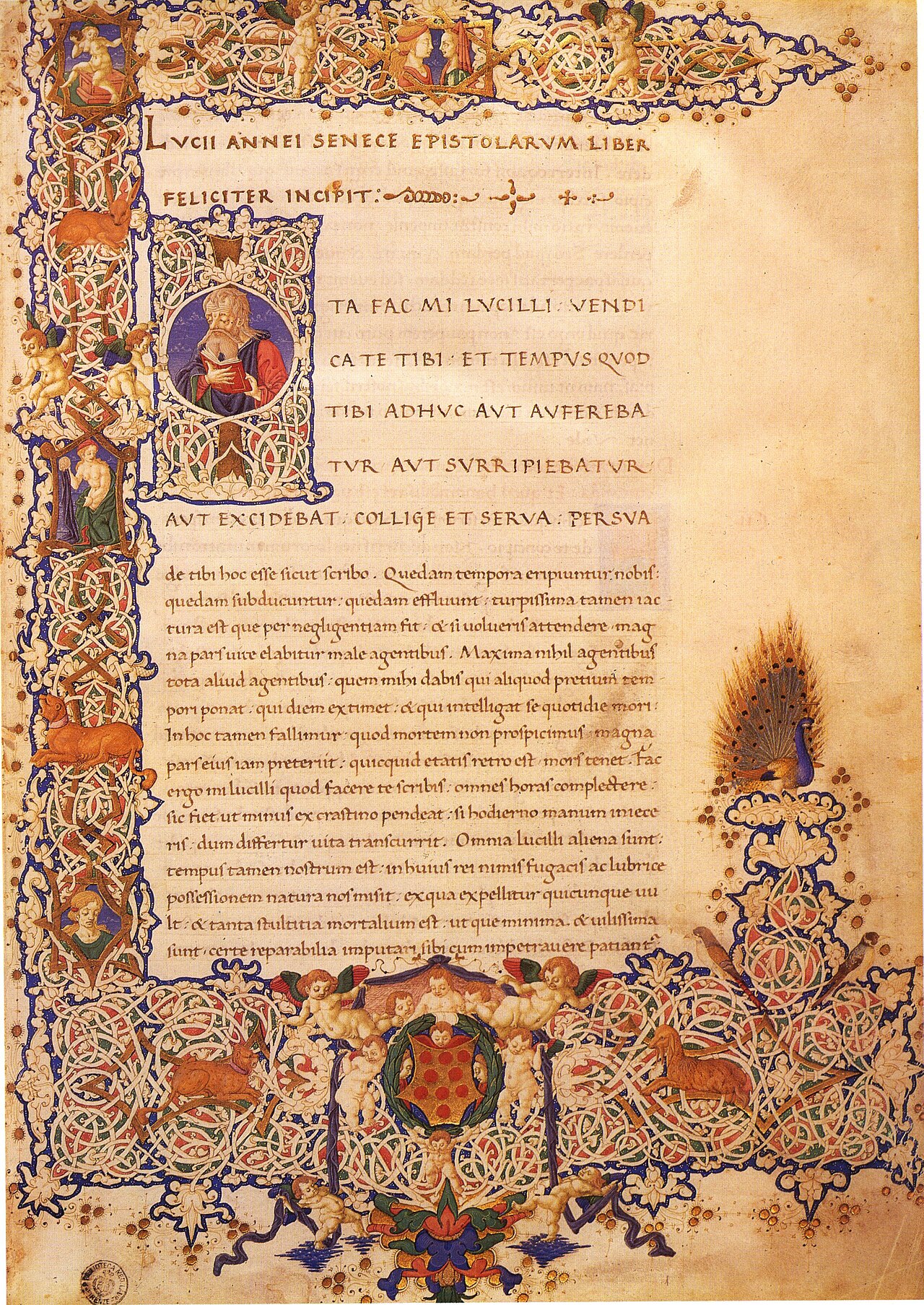
Epistulae Morales ad Lucilium
Seneca · c. 62-65 CE
Free account
Read every Scipio Africanus source
Sign up free →
Ready when you are
Start chatting with Scipio Africanus now.
20 messages free · No credit card · Available in 50+ languages.