


Secondary sourcePainting1621
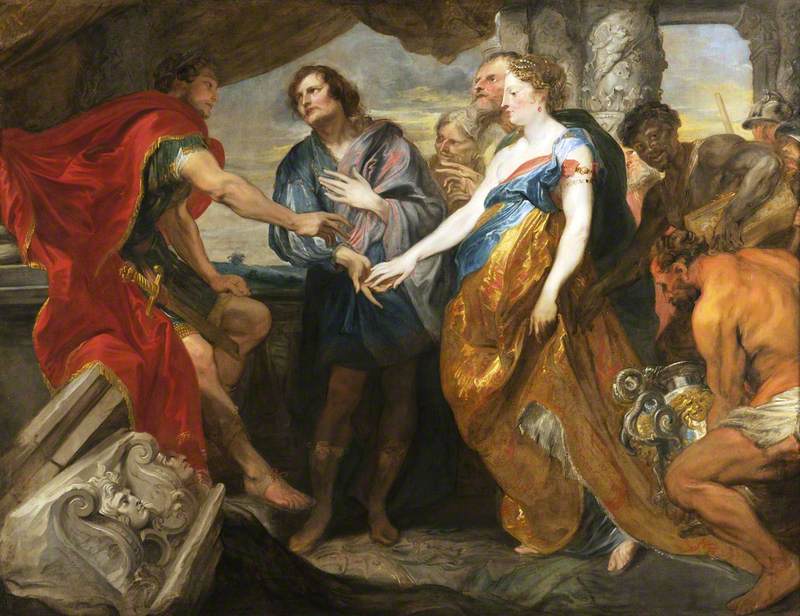
The Continence of Scipio
Anthony van Dyck · 1621
An early painting by Anthony van Dyck showing Scipio Africanus showing restraint toward a captive woman, presented as an example of princely virtue.
The painting depicts Scipio Africanus showing clemency toward a captive, illustrating his reputation for restraint.
About this source
What it is
This painting was made in 1621 by the Flemish artist Anthony van Dyck, early in his career. It shows a scene involving Scipio Africanus and a captive woman. It is held at Christ Church, Oxford.
Why it matters
The story of Scipio's self-restraint toward a captive was a popular subject for artists because it was seen as a model of self-control and fairness for rulers and leaders. Van Dyck's choice of this subject reflects how ancient Roman history was used to teach moral lessons to European nobility in the 17th century.
Look closer
- What gestures and expressions in the painting show who holds power in the scene?
- Why do you think artists kept returning to this particular story about Scipio?
- What might this image leave out about the reality of war and captivity?
This painting is part of the curated material that grounds the AI version of Scipio Africanus on Humy.ai — when students ask about related events, the AI can quote it and cite it.
More Scipio Africanus sources
Browse all 94 →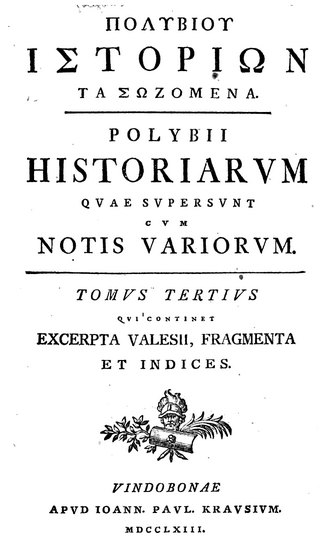 Book
Secondary source
The Histories
Polybius · c. 150 BCE
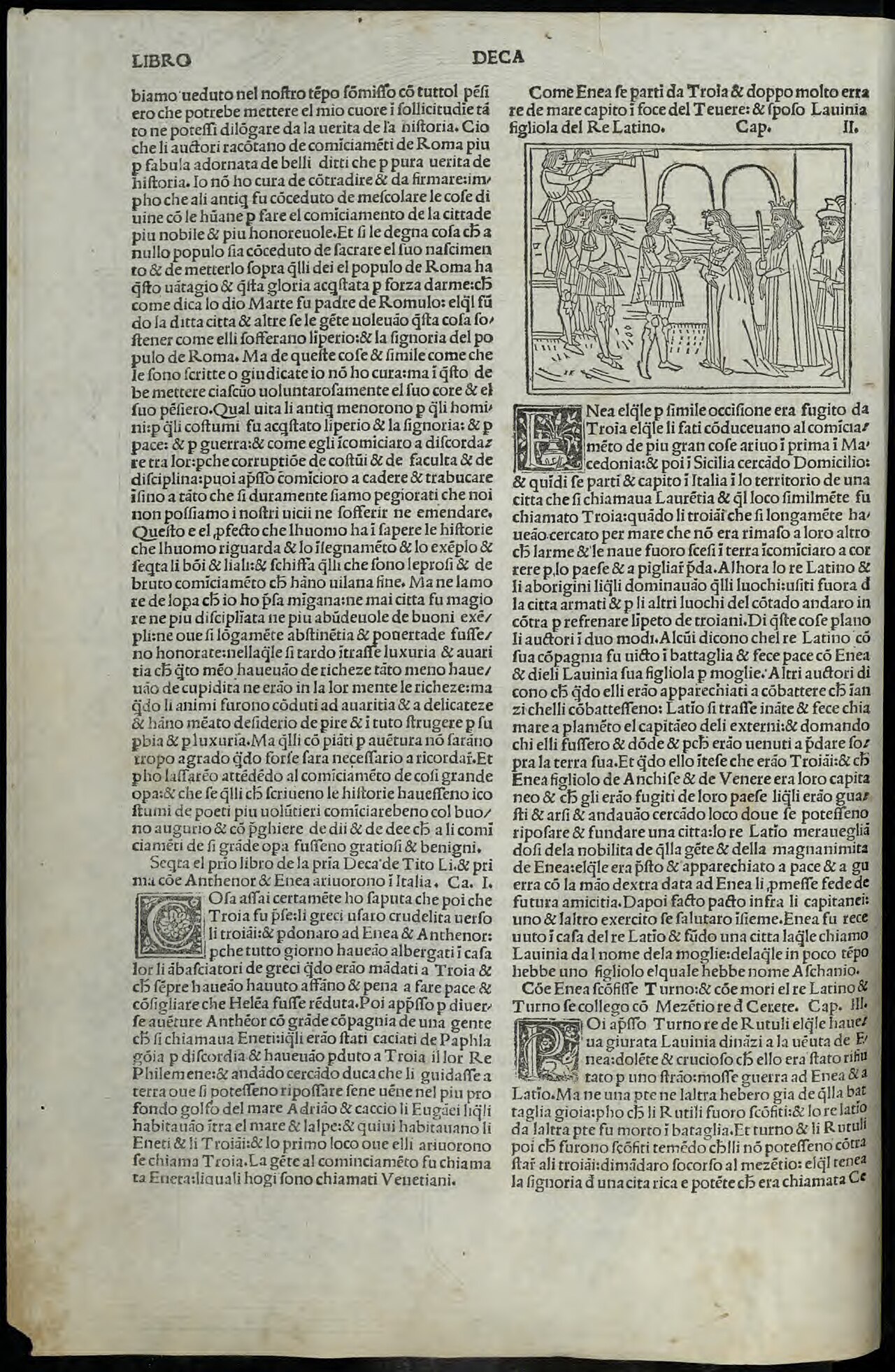 Book
Primary source
History of Rome
Titus Livius · 27-9 BC
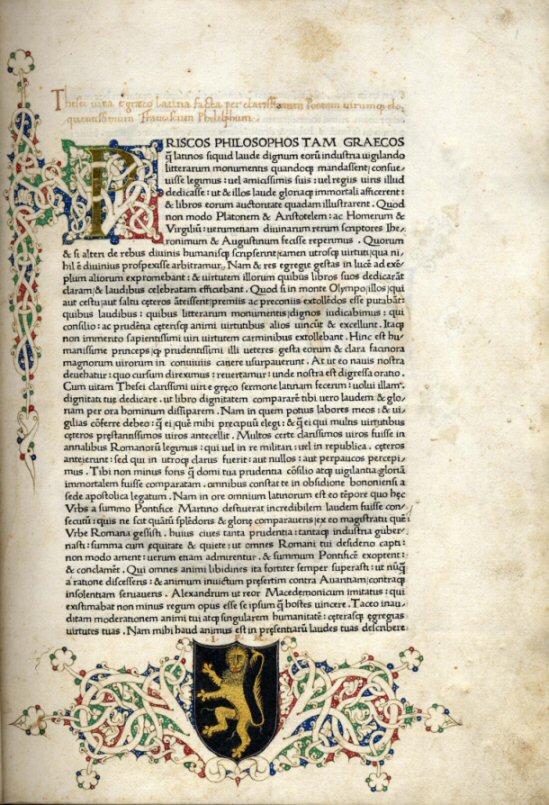 Book
Secondary source
Parallel Lives
Plutarch · c. 100-120 AD
 Letter
Primary source
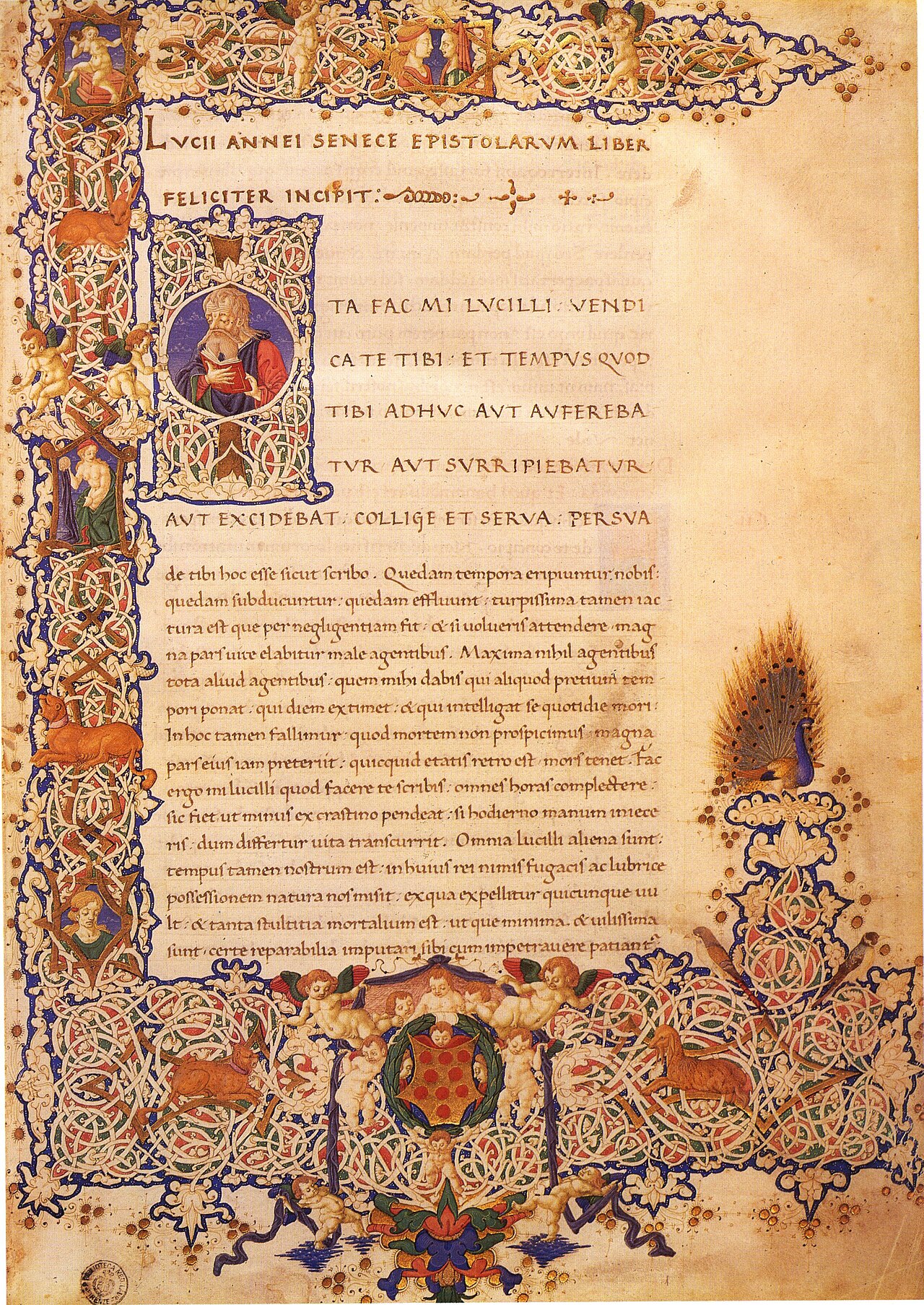
Epistulae Morales ad Lucilium
Seneca · c. 62-65 CE
Free account
Read every Scipio Africanus source
Sign up free →
Ready when you are
Start chatting with Scipio Africanus now.
20 messages free · No credit card · Available in 50+ languages.