


Secondary sourcePainting
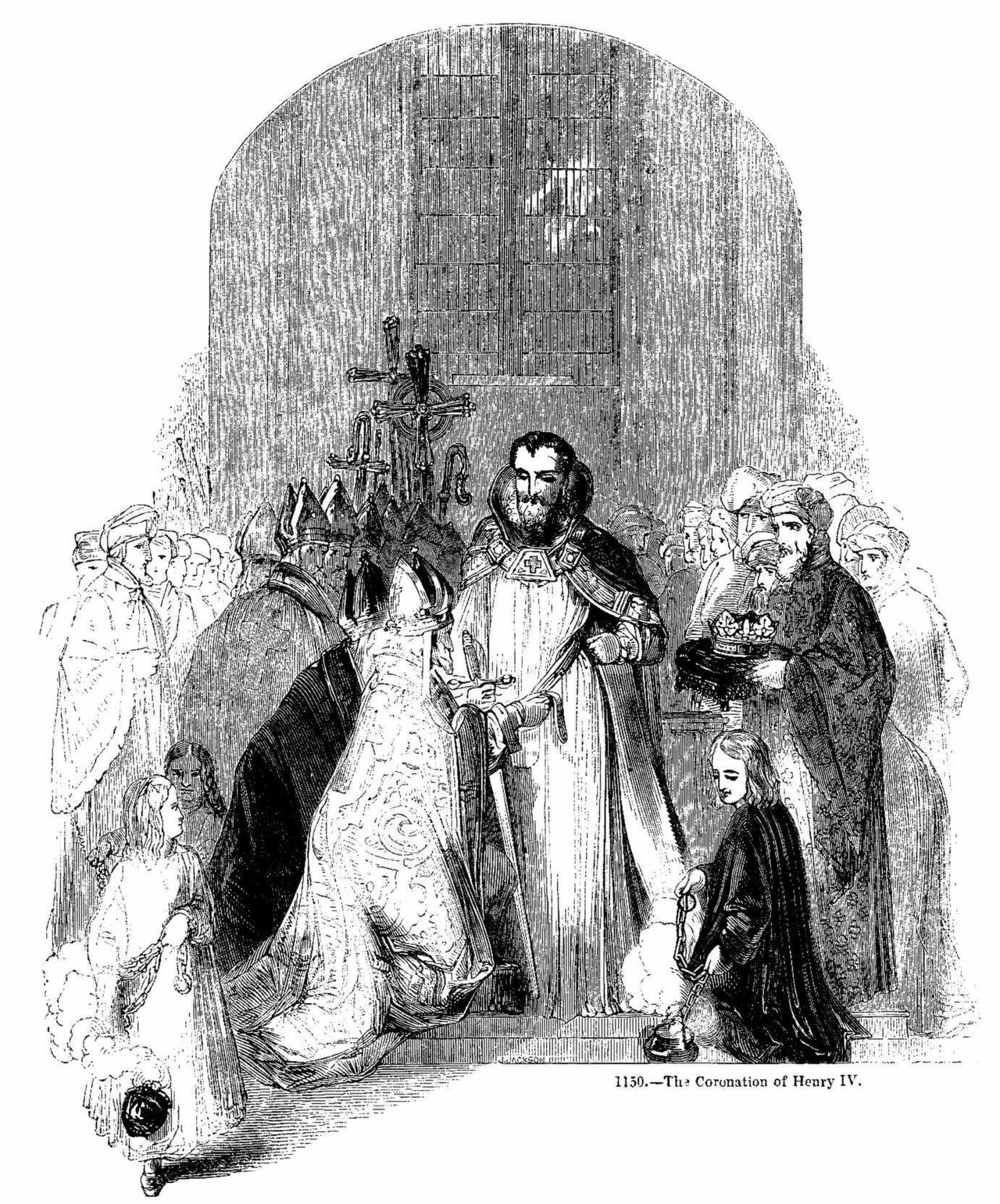
The Coronation of Henry IV
J. Johnson
An engraving depicting Henry IV's 1399 coronation, where he was anointed to establish his legitimacy as king.
This engraving depicts Henry IV's coronation in 1399, the ceremony that confirmed his seizure of the throne.
About this source
What it is
This black-and-white engraving by J. Johnson shows a bearded cleric standing before a kneeling, richly robed figure, surrounded by crowned figures, a crown on a cushion, a cross, and onlookers, representing the coronation of Henry IV.
Why it matters
Henry's coronation in 1399 followed his seizure of the throne from Richard II. According to tradition, he was anointed with the so-called 'Becket oil', a detail meant to strengthen the sense that his kingship was divinely sanctioned despite having been taken by force. Images like this helped shape public memory of the event long after it happened.
Look closer
- Why might Henry want his coronation linked to a legendary holy oil?
- What symbols in the image (crown, cross, cleric) are meant to show legitimacy?
- As a later engraving, how might this differ from an eyewitness account of the ceremony?
This painting is part of the curated material that grounds the AI version of Henry IV on Humy.ai — when students ask about related events, the AI can quote it and cite it.
More Henry IV sources
Browse all 84 →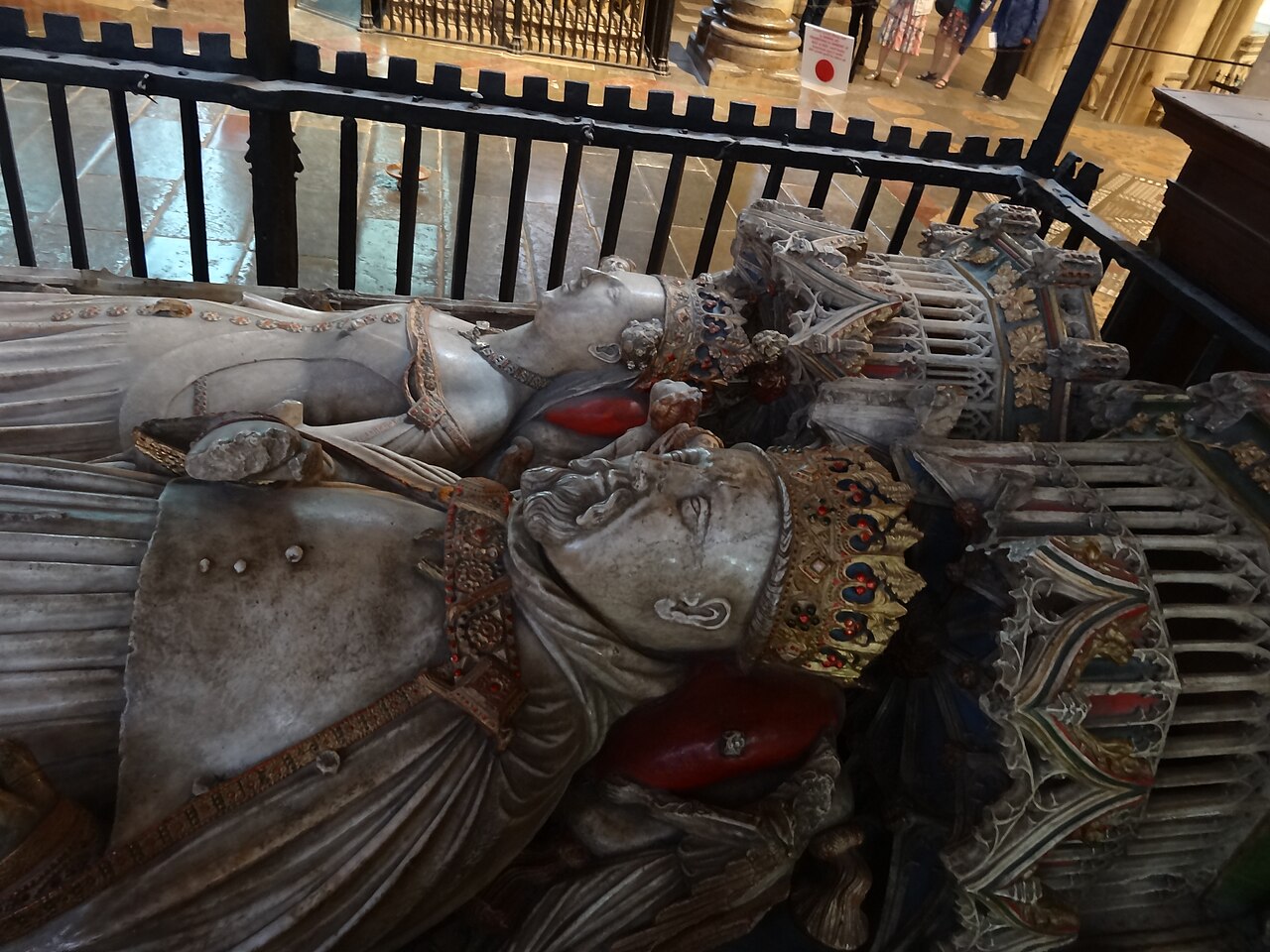 Sculpture
Primary source
Tomb of Henry IV and Joan of Navarre
c. 1413
 Painting
Primary source
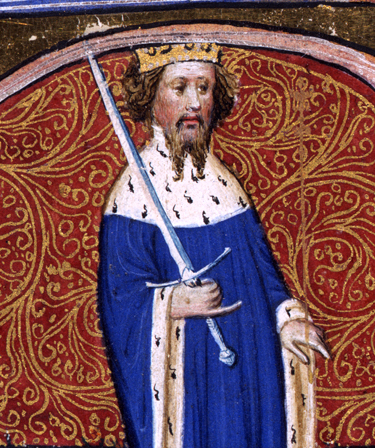
Illumination of Henry IV
c. 1402
 Document
Primary source
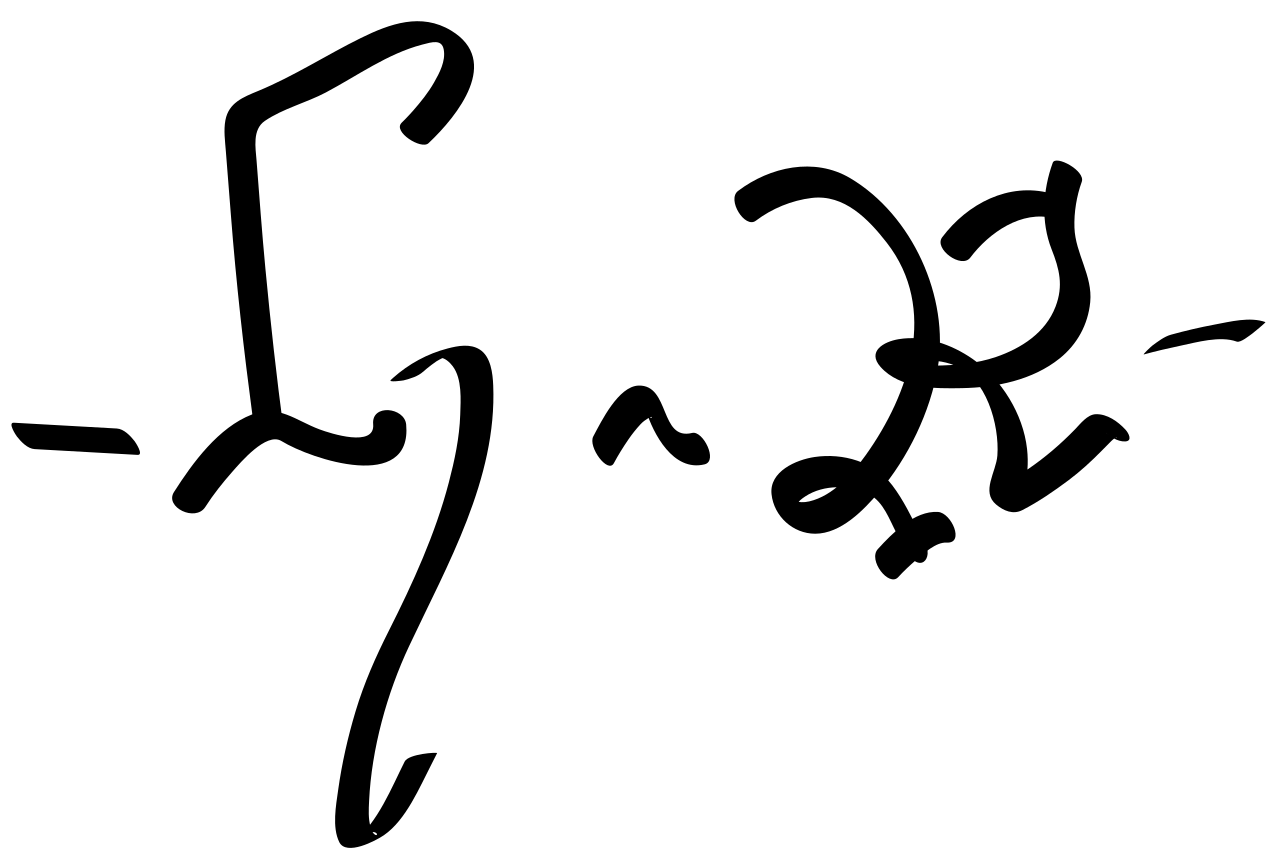
Signature of Henry IV
Henry IV of England
 Artifact
Primary source
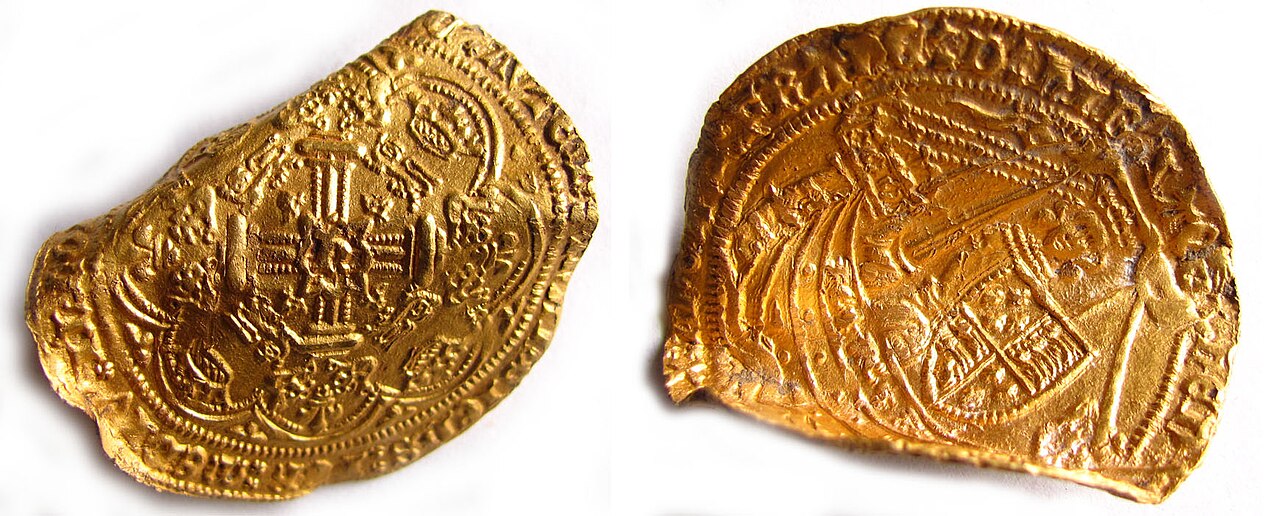
Gold Noble of Henry IV
1399-1412
Free account
Read every Henry IV source
Sign up free →
Ready when you are
Start chatting with Henry IV now.
20 messages free · No credit card · Available in 50+ languages.