


Primary sourceDocument1780
The Cow Chase
John André · 1780
A satirical poem by British Major John André mocking Anthony Wayne's 1780 cattle raid, written by an enemy officer at the time.
This satirical poem by a British officer mocks a raid led by Wayne during the Revolutionary War.
About this source
What it is
This is a satirical poem titled "The Cow Chase," written in 1780 by British Major John André. It mocks a raid led by General Anthony Wayne—nicknamed "the tanner" because of his pre-war trade—against a Loyalist target, portraying the raid humorously as a cattle-driving expedition rather than serious combat.
Why it matters
Written by an enemy officer during the Revolutionary War, the poem shows how the British viewed and ridiculed American commanders like Wayne. It is a rare example of wartime propaganda in verse form, revealing the rivalry and mockery that existed between opposing sides, and it also hints at Wayne's reputation for boldness, which earned him later praise and the nickname "Mad Anthony."
Look closer
- What words or images does André use to make Wayne look foolish?
- Why might a British officer choose poetry, rather than a report, to describe this raid?
- How might Wayne's own soldiers have reacted if they read this poem?
This document is part of the curated material that grounds the AI version of Anthony Wayne on Humy.ai — when students ask about related events, the AI can quote it and cite it.
More Anthony Wayne sources
Meet the AI Anthony Wayne →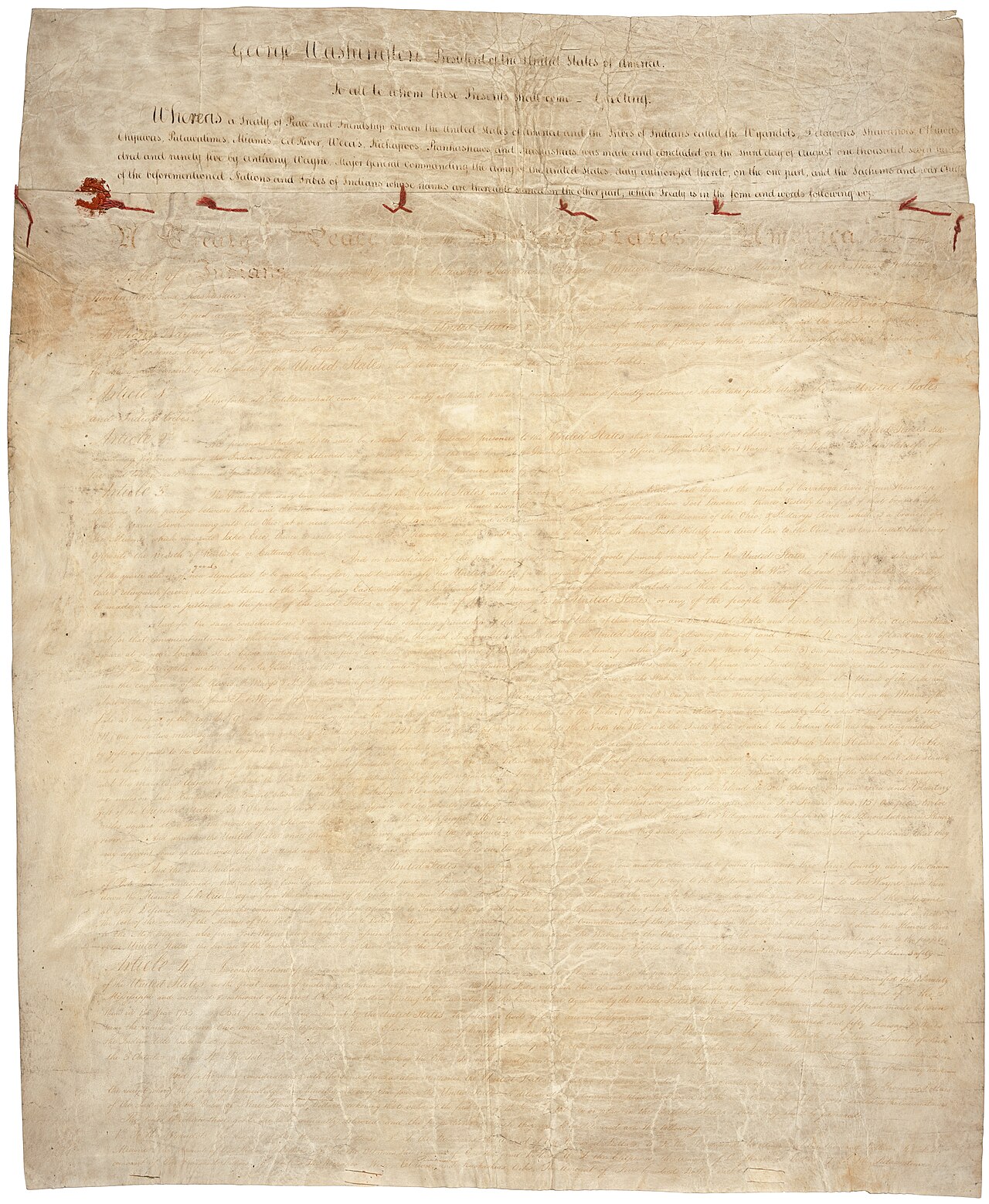 Document
Primary source
Treaty of Greenville
3 August 1795
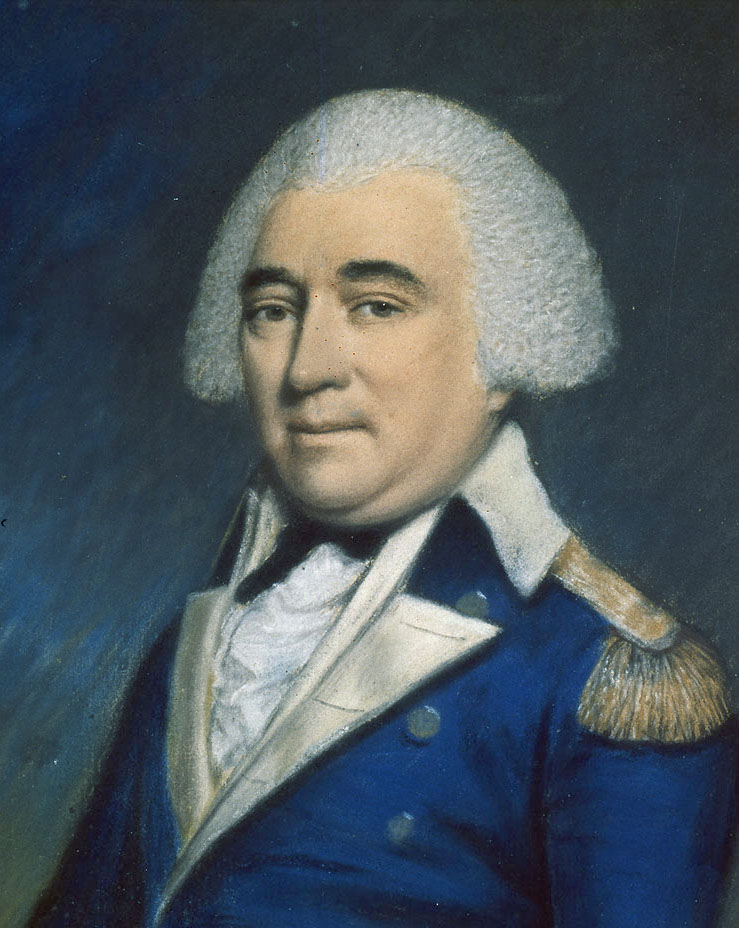 Painting
Primary source
Anthony Wayne, uniform
James Sharples · c. 1795
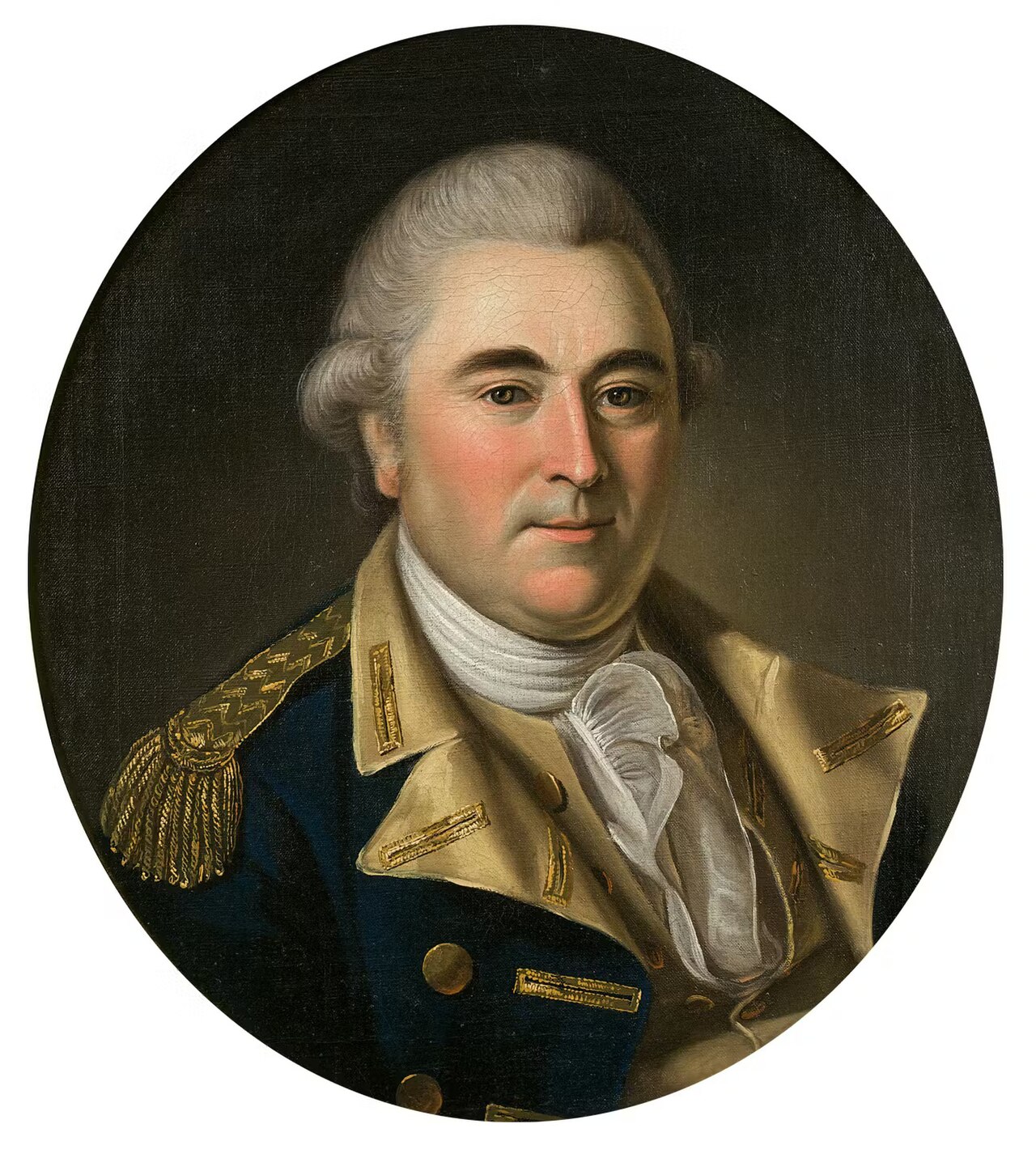 Painting
Primary source
Portrait of Anthony Wayne by Charles Willson Peale
Charles Willson Peale · c. 1783–1784
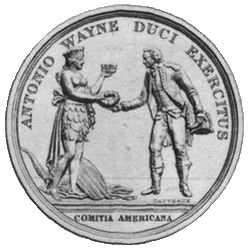 Artifact
Primary source
Congressional Gold Medal for Stony Point awarded to Anthony Wayne
Continental Congress · 1779 (resolution); struck 1780s
 Painting
Primary source
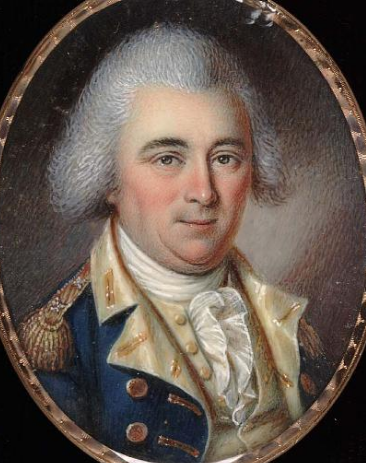
Major-General Anthony Wayne
James Peale · c. 1795
Ready when you are
Start chatting with Anthony Wayne now.
20 messages free · No credit card · Available in 50+ languages.