


Primary sourceDocument3 August 1795
Treaty of Greenville
3 August 1795
The 1795 treaty that ceded most of Ohio to the United States after the Battle of Fallen Timbers; Tecumseh refused to attend its signing.
The treaty's boundary, following the war in which Tenskwatawa fought, shaped the land dispute that fueled his later movement.
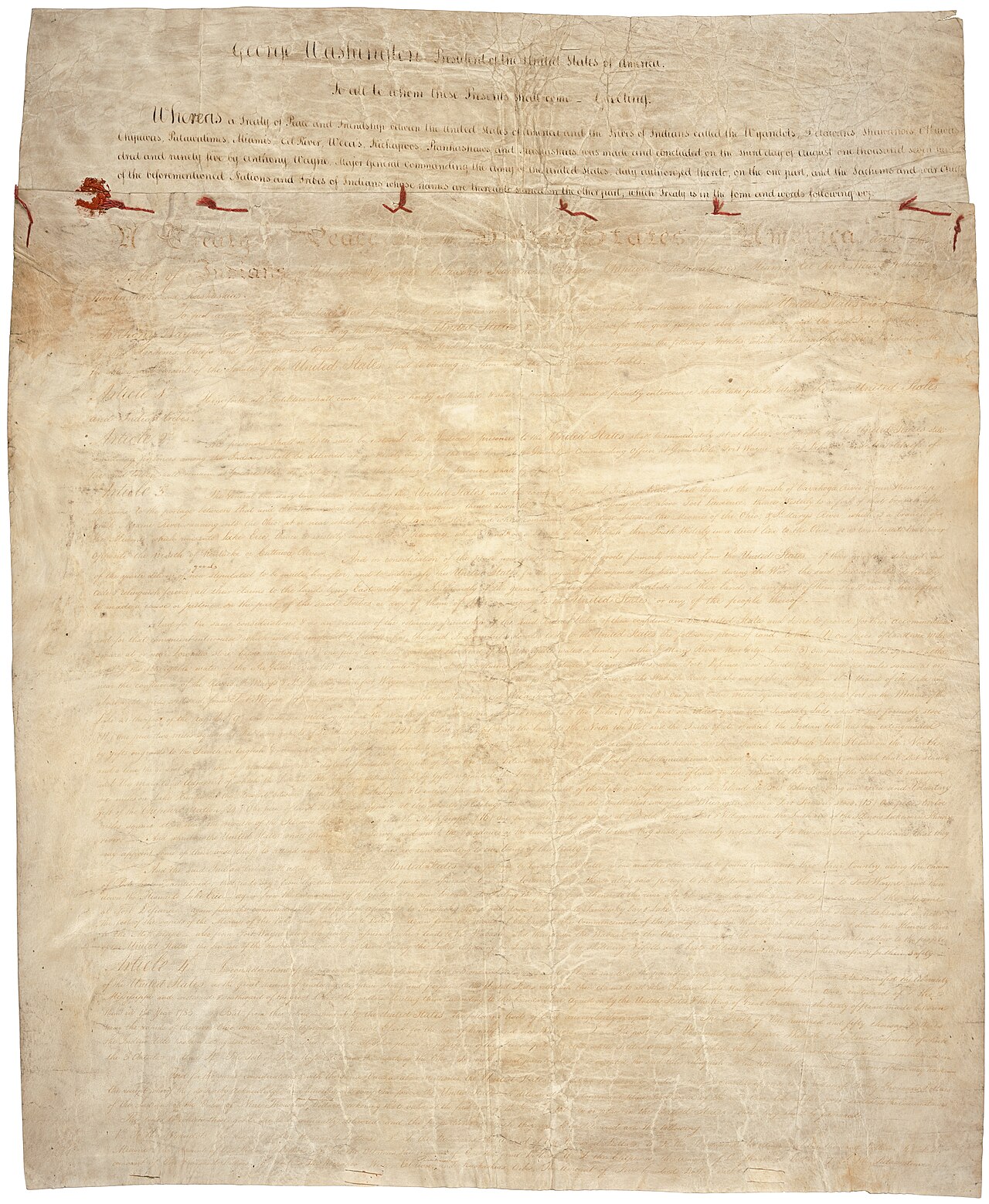
About this source
What it is
The Treaty of Greenville was signed on August 3, 1795, at Fort Greenville, ending the Northwest Indian War. It was negotiated between General Anthony Wayne for the United States and leaders of many Native nations, including Shawnee chiefs Blue Jacket and Black Hoof, following the Native defeat at the Battle of Fallen Timbers.
Why it matters
The treaty forced the surrender of most of what is now Ohio and began annual payments to tribes in exchange for land. Tecumseh refused to attend or recognize the signing, and the losses imposed by this treaty shaped his lifelong resistance to further American expansion.
Look closer
- Why might Tecumseh have refused to attend, while other Shawnee leaders signed?
- What does the treaty's language about peace and friendship leave out about the pressure used to obtain it?
- How did this treaty set a pattern for later land cessions in the region?
This document is part of the curated material that grounds the AI version of Tenskwatawa, Anthony Wayne, Tecumseh and Little Turtle on Humy.ai — when students ask about related events, the AI can quote it and cite it.
More Tenskwatawa sources
Meet the AI Tenskwatawa →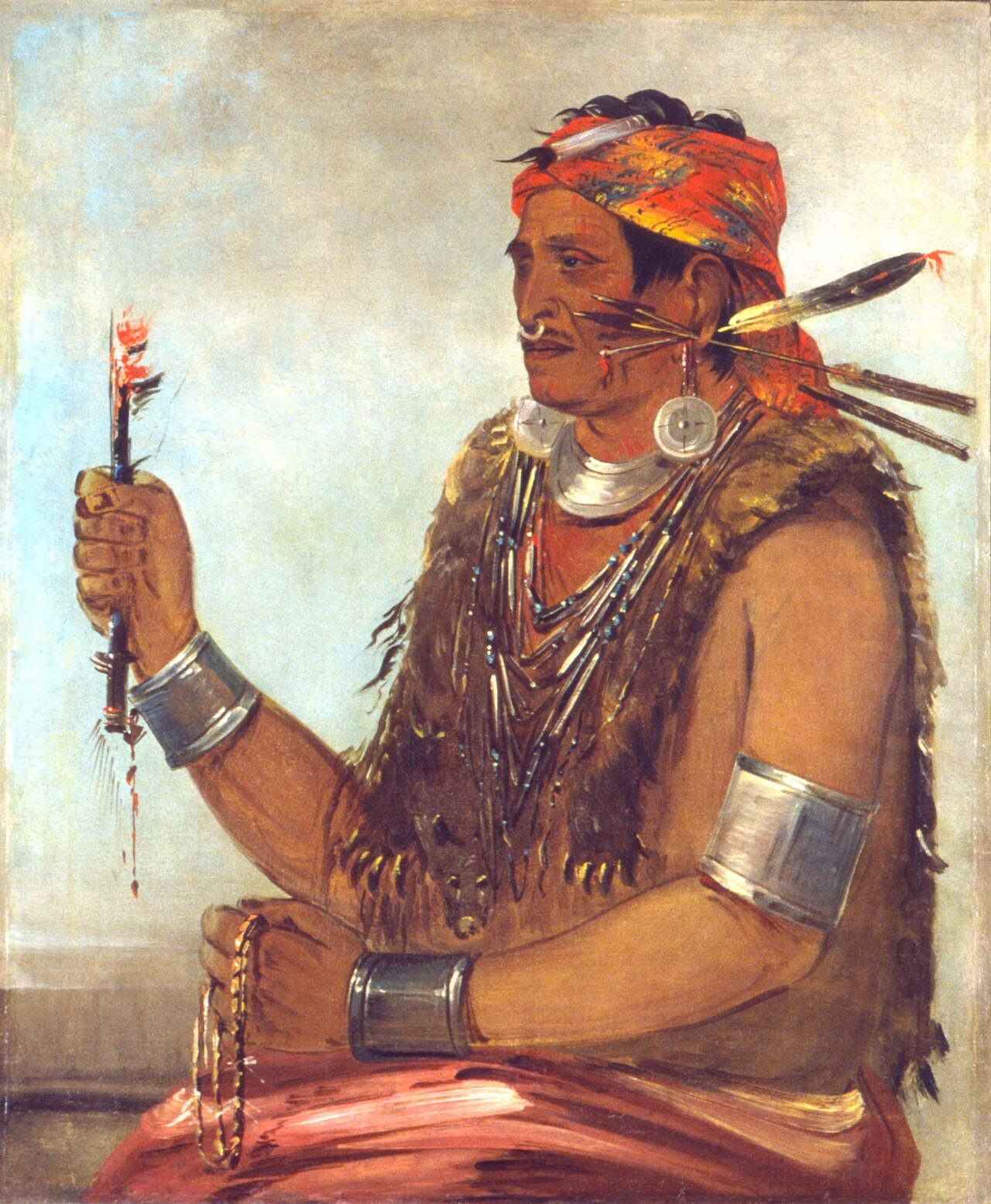 Painting
Primary source
Ten-squat-a-way, The Open Door, Known as The Prophet, Brother of Tecumseh
George Catlin · 1830
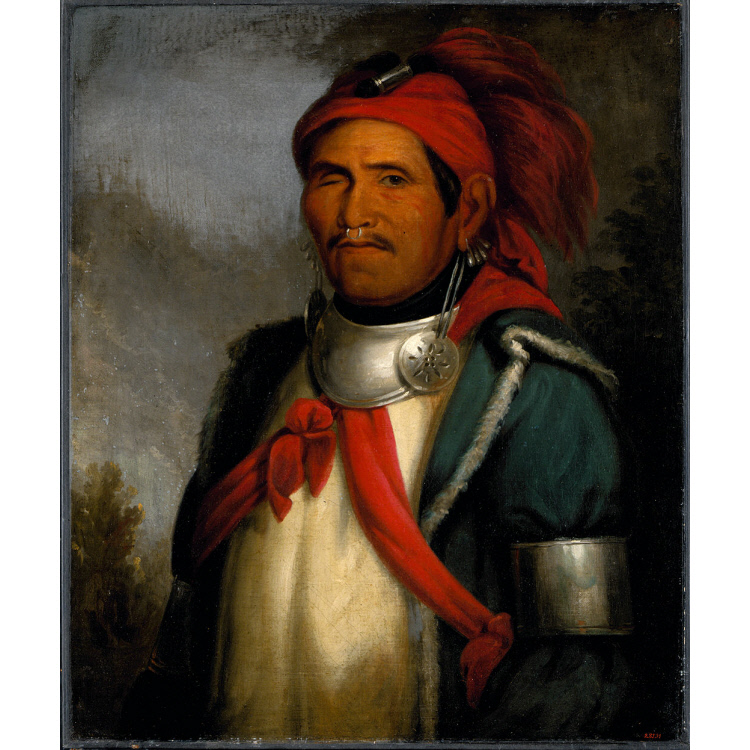 Painting
Primary source
Portrait of Tenskwatawa
Henry Inman · c. 1830-1833
PaintingSecondary source
Tenskwatawa
Henry Inman · 1831
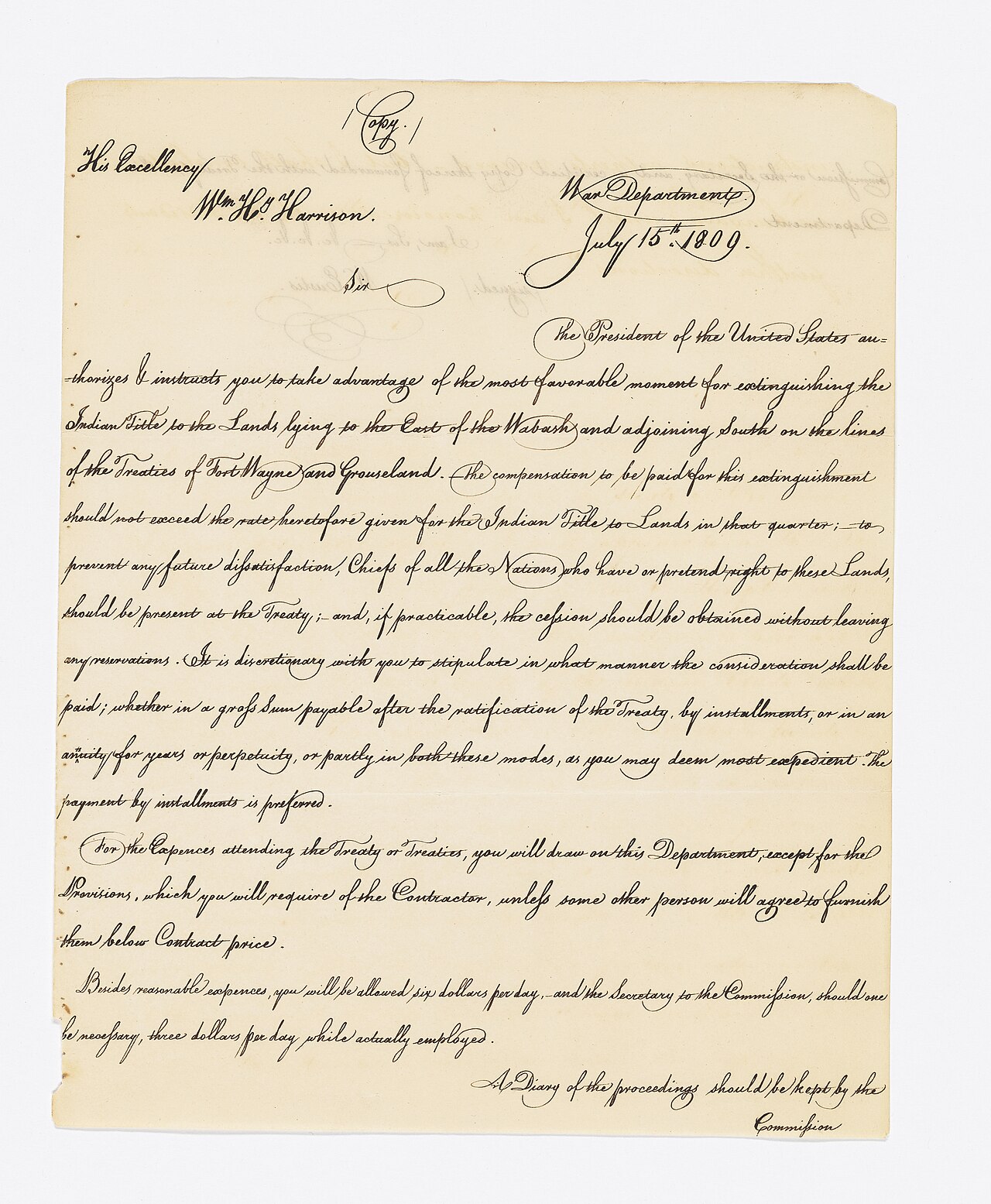 Document
Primary source
Treaty of Fort Wayne
1809
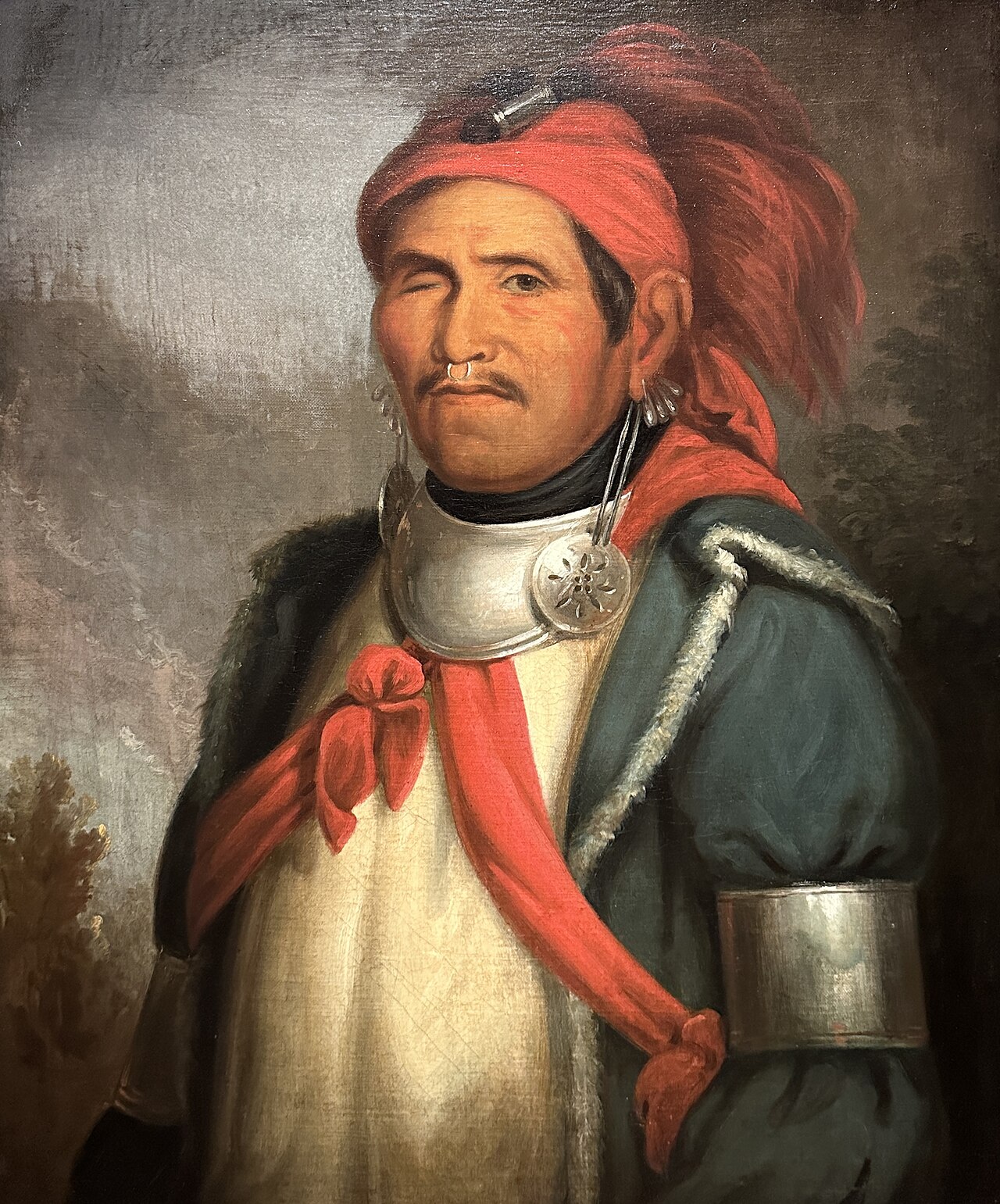 Painting
Primary source
Tenskwatawa by Charles Bird King
Charles Bird King
Ready when you are
Start chatting with Tenskwatawa now.
20 messages free · No credit card · Available in 50+ languages.