


Primary sourcePaintingc. 1805-1807
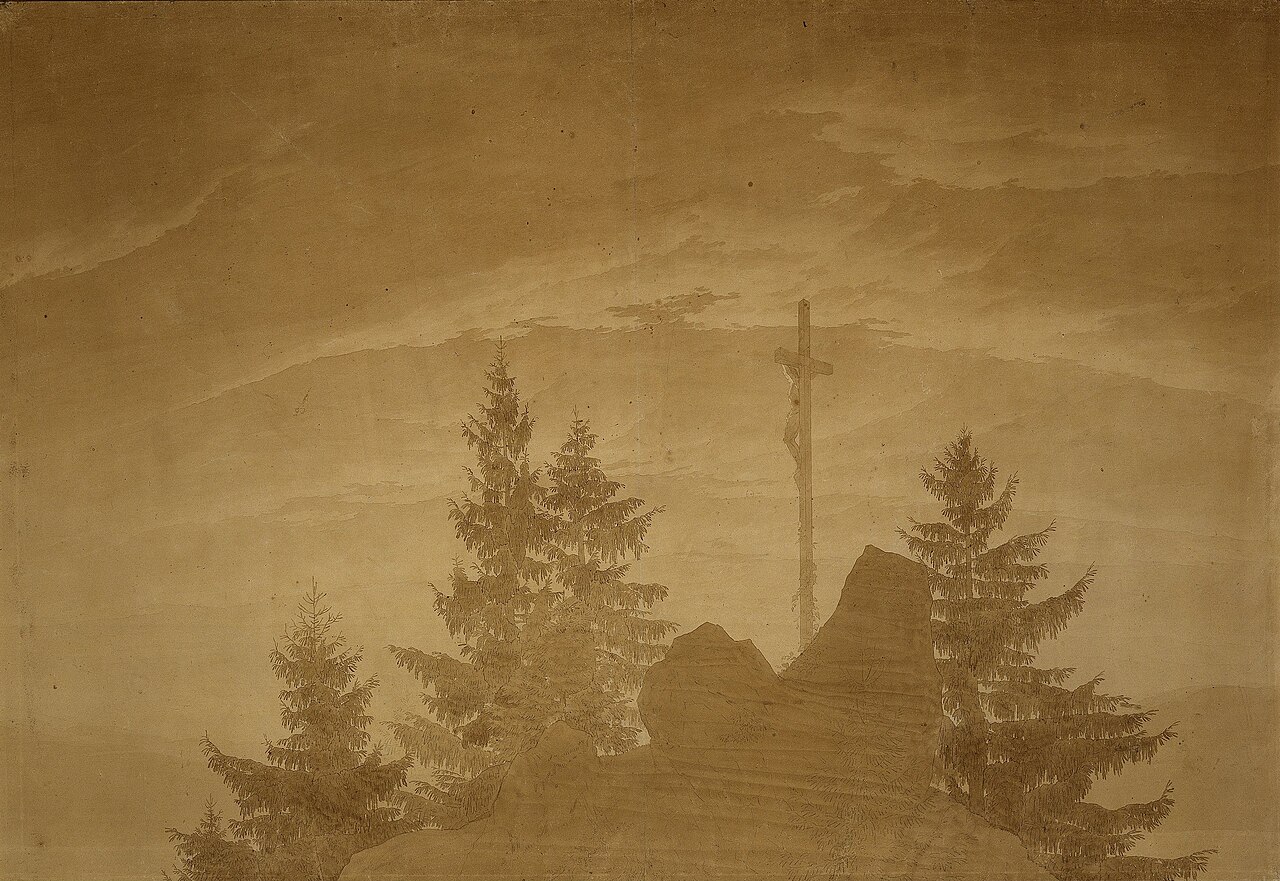
The Cross in the Mountains
Caspar David Friedrich · c. 1805-1807
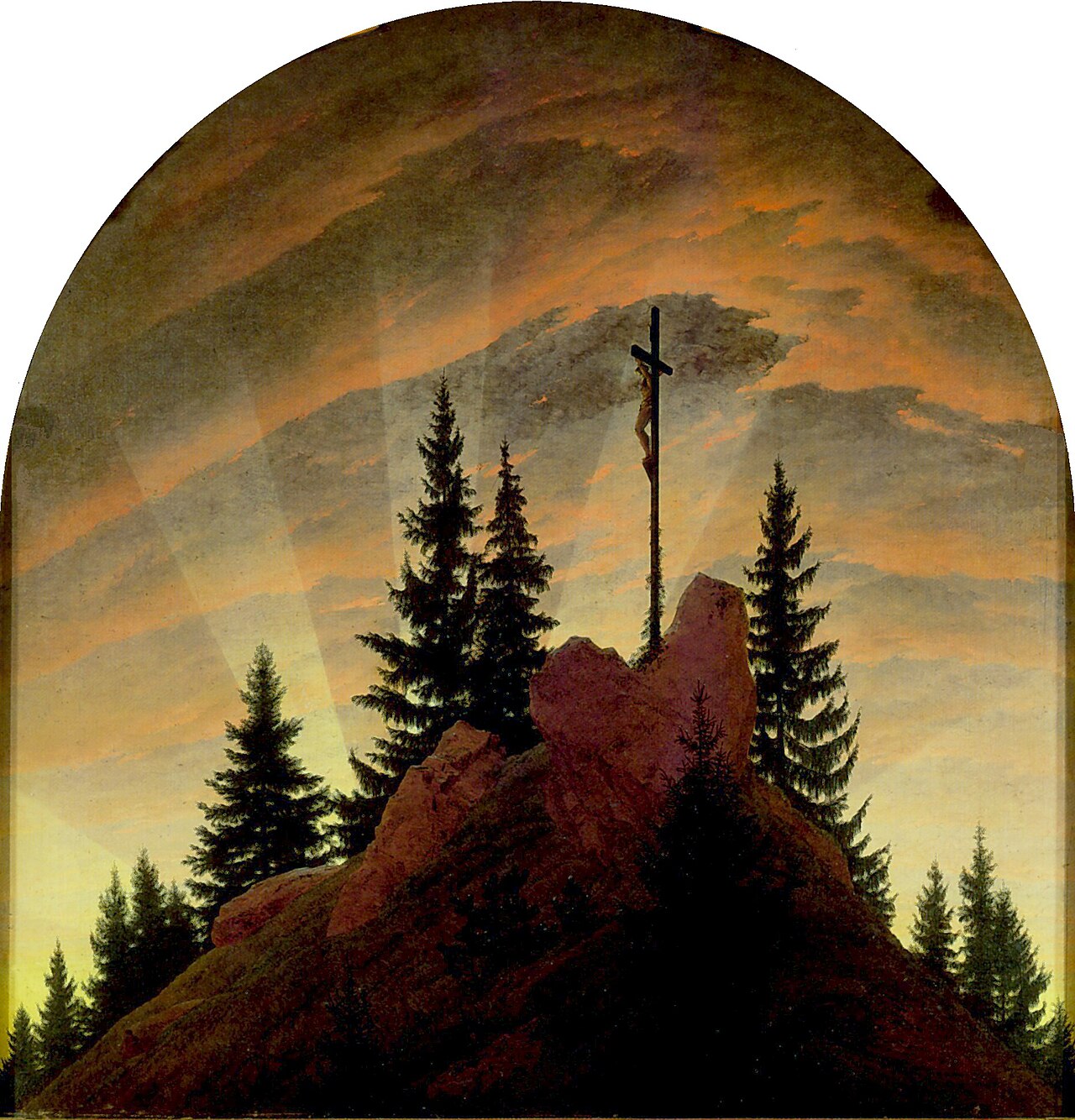
A sepia-toned religious landscape painting by Caspar David Friedrich showing a wooden cross atop a rocky, forested hill.
A key example of Friedrich's own religious symbolism in landscape painting.
About this source
What it is
This painting, made by Caspar David Friedrich around 1805–1807, depicts a wooden cross with a small crucified figure standing on a rocky hilltop at dusk, surrounded by dark spruce trees and distant hills.
Why it matters
This work is one of Friedrich's major religious landscapes, showing how he used Christian symbols placed within wild, natural scenery rather than conventional church settings. It reflects the Romantic movement's interest in connecting spiritual feeling with the experience of nature, a theme central to Friedrich's career.
Look closer
- Why might Friedrich have placed a religious symbol in a wild landscape instead of inside a church?
- What mood do the dark trees and dusky light create?
- What do you think the small scale of the crucifix compared to the landscape is meant to suggest?
This painting is part of the curated material that grounds the AI version of Caspar David Friedrich on Humy.ai — when students ask about related events, the AI can quote it and cite it.
More Caspar David Friedrich sources
Browse all 89 →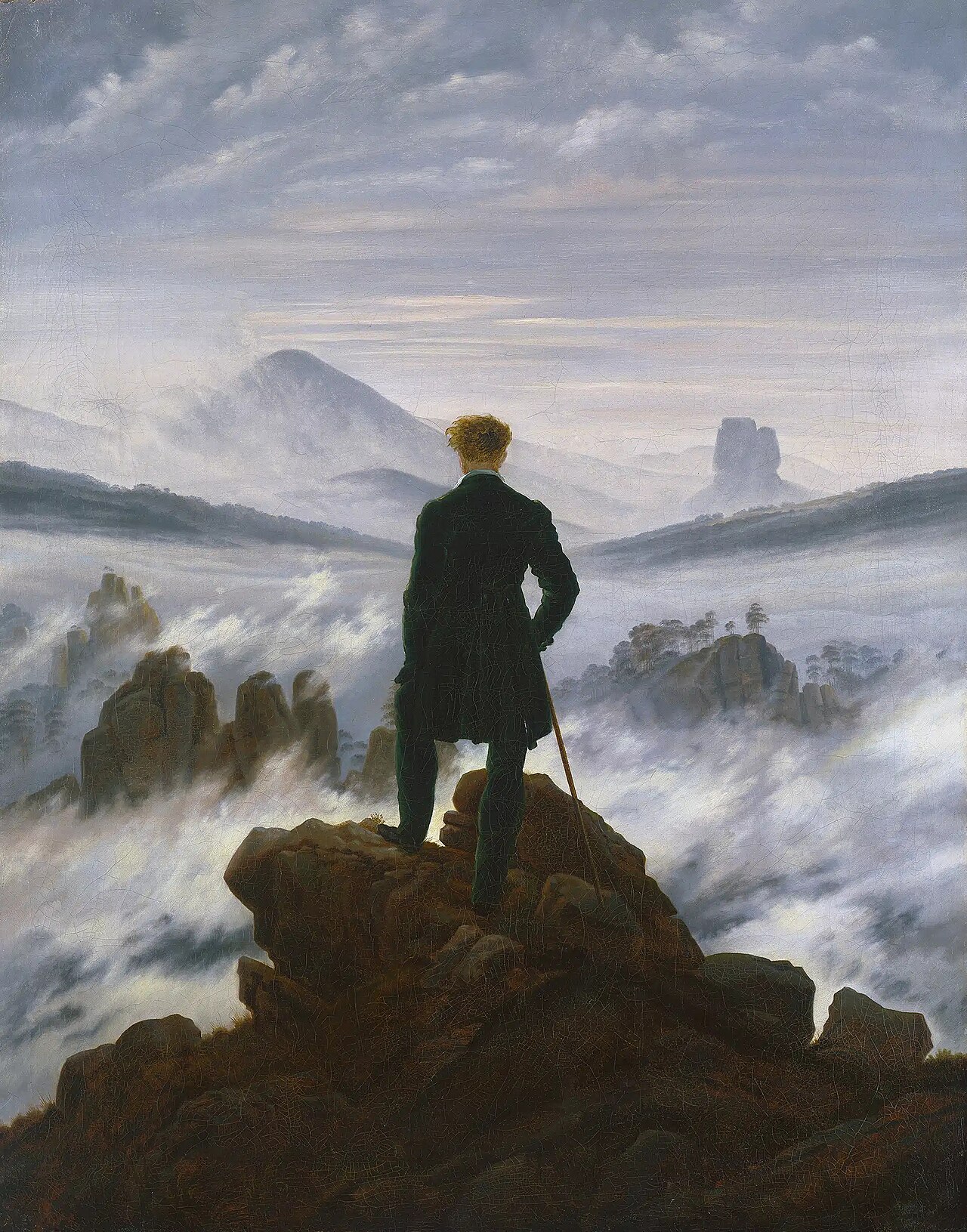 Painting
Primary source
Wanderer above the Sea of Fog
Caspar David Friedrich · 1818
 Painting
Primary source
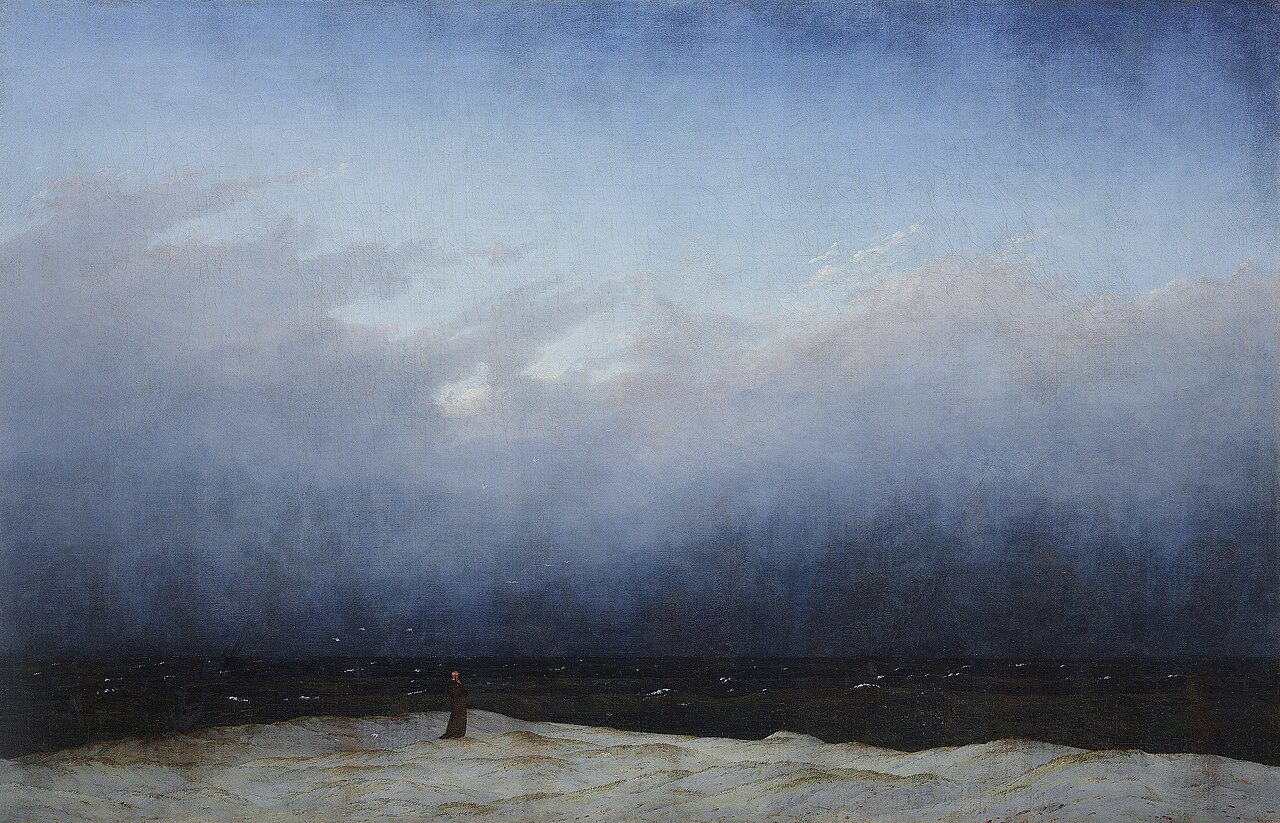
The Monk by the Sea
Caspar David Friedrich · c. 1808-1810
 Painting
Primary source
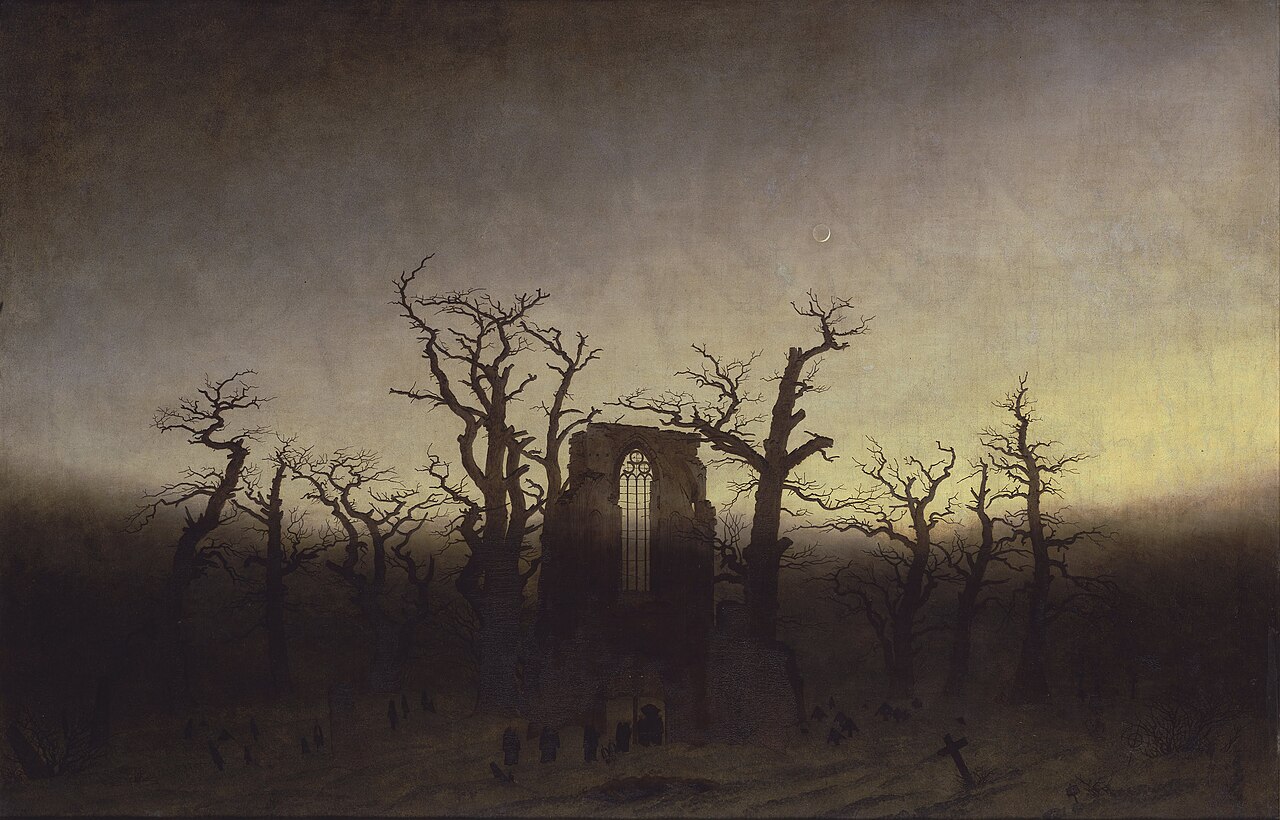
The Abbey in the Oakwood
Caspar David Friedrich · c. 1809-1810
 Painting
Primary source
Cross in the Mountains (Tetschen Altar)
Caspar David Friedrich · c. 1807-1808
Free account
Read every Caspar David Friedrich source
Sign up free →
Ready when you are
Start chatting with Caspar David Friedrich now.
20 messages free · No credit card · Available in 50+ languages.