


Primary sourceBook1633 (publication in Songs and Sonnets)
The Damp
John Donne · 1633 (publication in Songs and Sonnets)
A short poem by John Donne from Songs and Sonnets. The speaker imagines his body being dissected after death and speaks to a lover whose love might be the cause of his death.
Donne wrote this poem himself, so it shows his own imaginative and witty handling of love and death.
Free Humy account · No credit card · 120,288 sources to read
About this source
What it is
This is a short poem by John Donne, listed on Wikisource in the collection Songs and Sonnets (1633). It is a written work by Donne himself, so the words are his. The poem is written as a direct address to a lover. The speaker imagines that after he dies, doctors will not know why, and his friends will want to cut up his body to examine each part. The poem then turns to the lover, who may be imagined as the cause of his death.
Why it matters
Donne is known for his witty and dramatic love poems, and this one is typical of his style. It uses images of medicine, dissection and violence to make a point about love. Such poems show how educated English writers of the early seventeenth century used learned ideas from science and medicine in their verse. The poem also reflects the courtly and literary culture of the time, in which poets wrote for readers who enjoyed clever argument.
Look closer
- What images of the body and death does the speaker use, and why might a poem about love include them?
- Who is the speaker talking to, and how does the poem describe their power over him?
- What does the poem leave out about the lover's own feelings or point of view?
This book is part of the curated material that grounds the AI version of John Donne on Humy.ai — when students ask about related events, the AI can quote it and cite it.
More John Donne sources
Browse all 83 →Primary source
Poems
John Donne · 1633
Primary source
Death Be Not Proud
John Donne · 1609 (published 1633)
 Book
Primary source
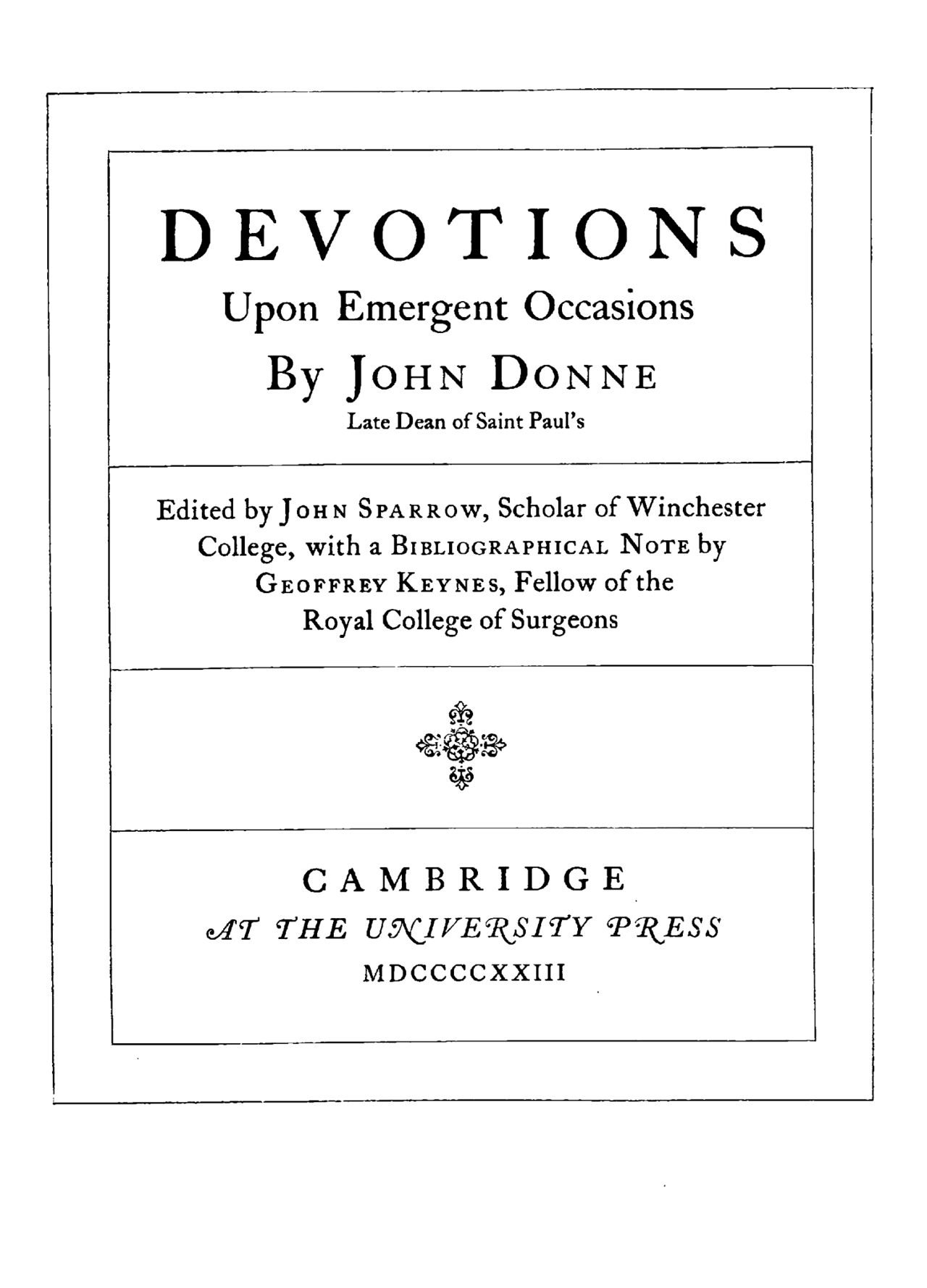
Devotions upon Emergent Occasions
John Donne · 1624
 Book
Primary source
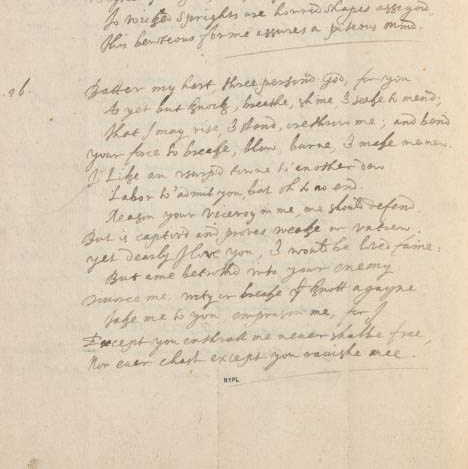
Holy Sonnets
John Donne · c. 1609-1620 (published 1633)
Free account
Read every John Donne source
Sign up free →
Ready when you are
Start chatting with John Donne now.
20 messages free · No credit card · Available in 50+ languages.