


Secondary sourcePainting1780
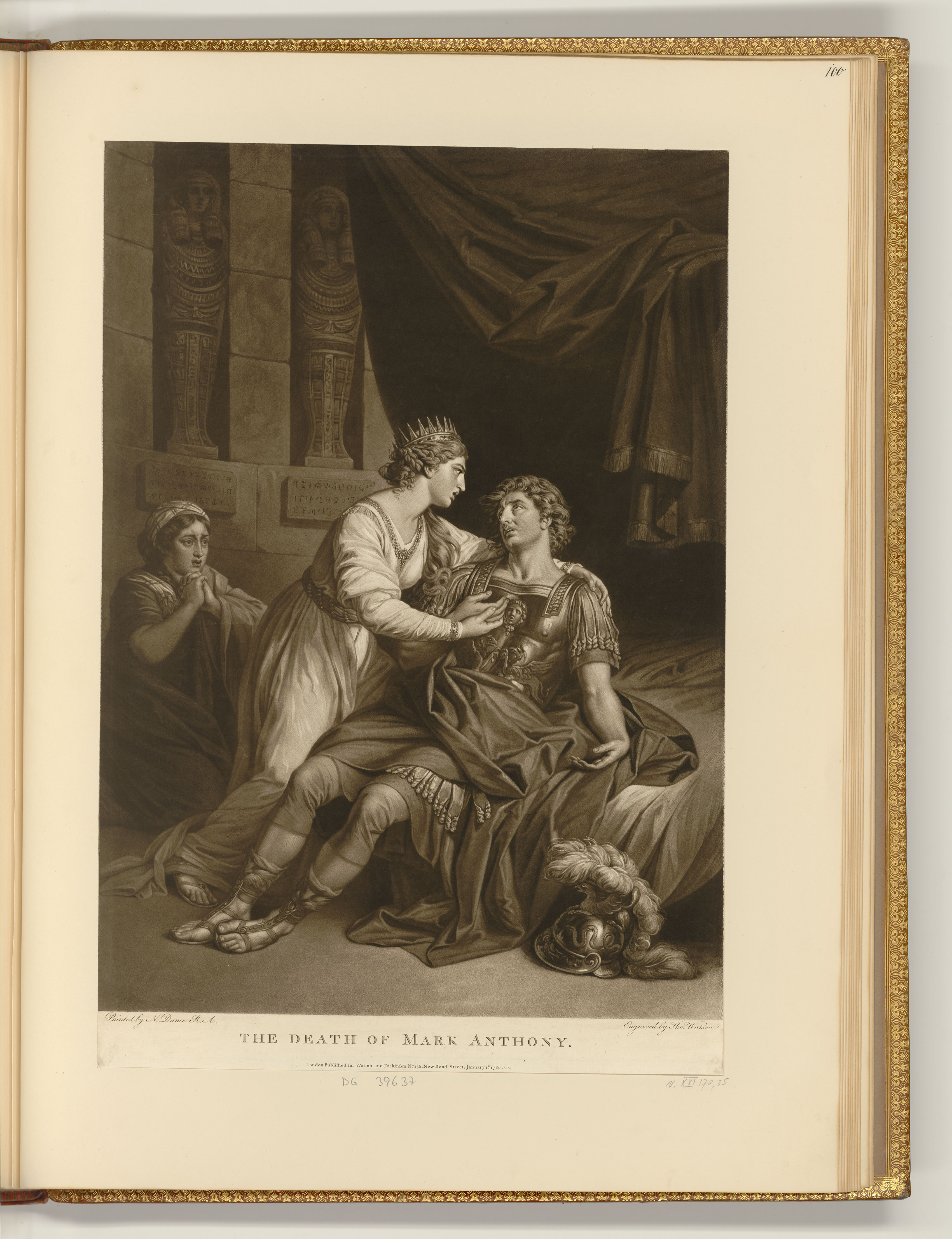
The Death of Mark Anthony
Thomas Watson · 1780
A 1780 print of Antony's death scene after a painting by N. Dance, engraved by Thomas Watson. It draws on Shakespeare's play about the couple.
Shows Antony's death as later artists and engravers imagined it, after Shakespeare's play, in an album of prints.
About this source
What it is
This is a sepia mezzotint of 1780, held by the Albertina Museum in Austria and shown on a bound album page. The caption credits the painting to N. Dance, R.A., and the engraving to Thomas Watson. The print shows a crowned Cleopatra leaning over the dying Antony, who sits half-reclined in armour with a cloak. A kneeling attendant watches with clasped hands, and a helmet with plumes lies on the floor. Egyptian-style columns and draped curtains fill the background.
Why it matters
The curator links the print to Shakespeare's play Antony and Cleopatra. The image is therefore a later artwork that depicts Antony, not an eyewitness record of his death. It shows how a story from Shakespeare was passed through painting and engraving to audiences in the eighteenth century. Printed images like this made famous scenes widely available, so the story of the couple reached people who would never see the original painting.
Look closer
- How does the artist show Antony's defeat and death, and who is given the most attention?
- What do the columns, curtains and helmet tell you about the setting, and which of these details came from the artist's imagination?
- Why might an eighteenth-century printmaker repeat a scene from a play about ancient Rome and Egypt?
This painting is part of the curated material that grounds the AI version of Mark Antony on Humy.ai — when students ask about related events, the AI can quote it and cite it.
More Mark Antony sources
Browse all 83 →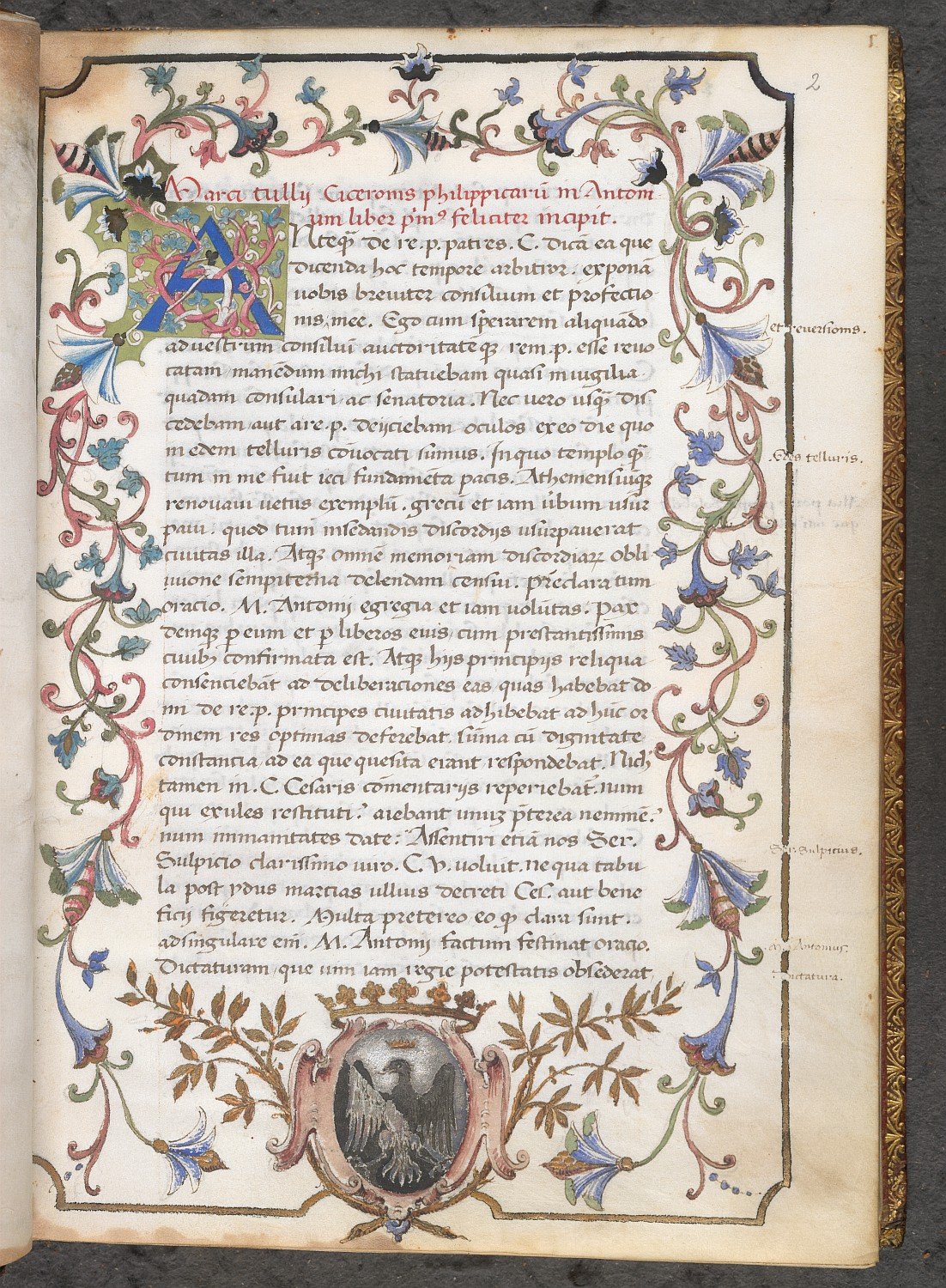 Speech
Primary source
Philippics
Cicero · 44-43 BC
Secondary source
Life of Mark Antony
Plutarch
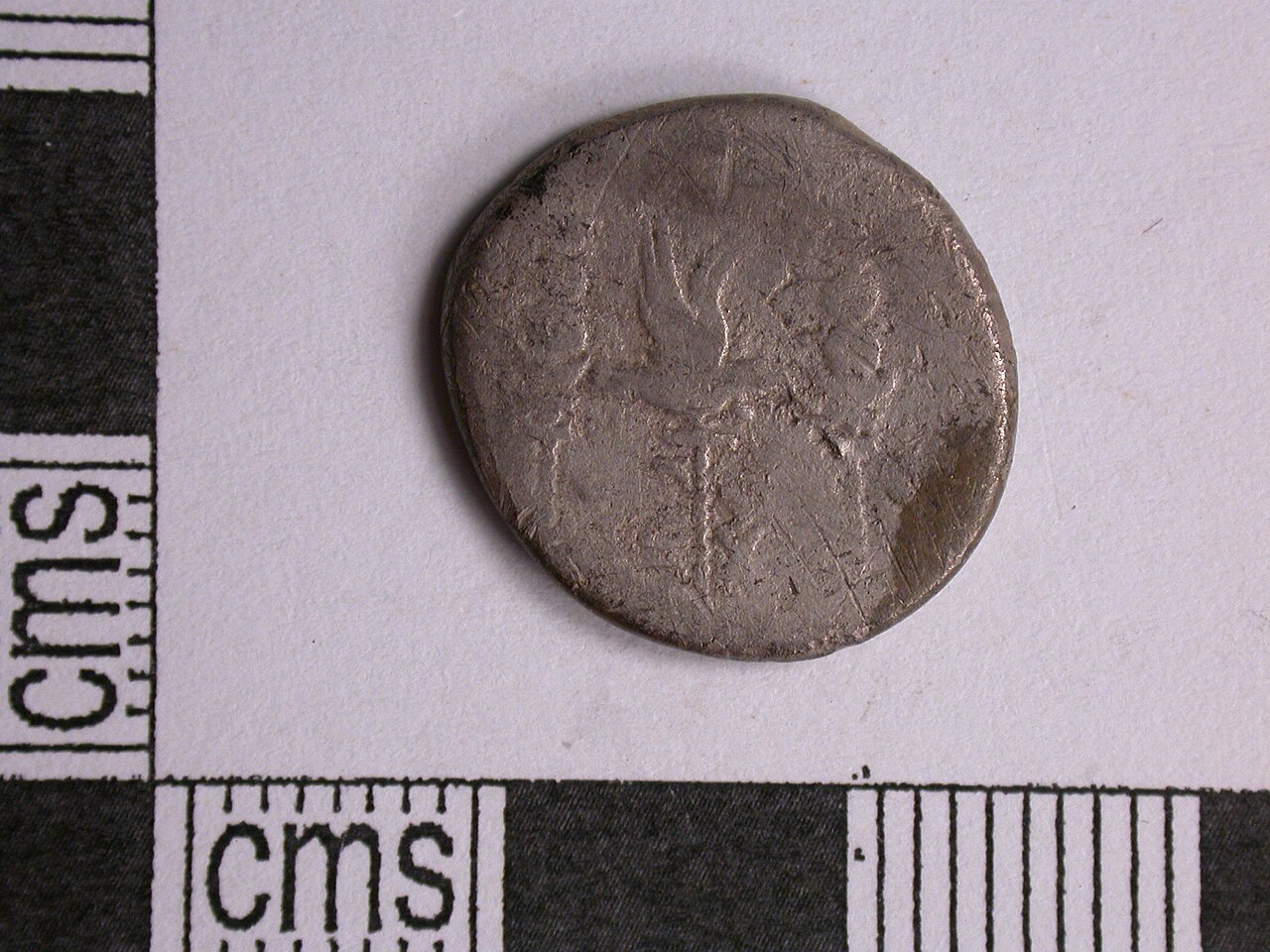 Artifact
Primary source
Legionary denarius of Mark Antony
Mint of Mark Antony · 32–31 BC
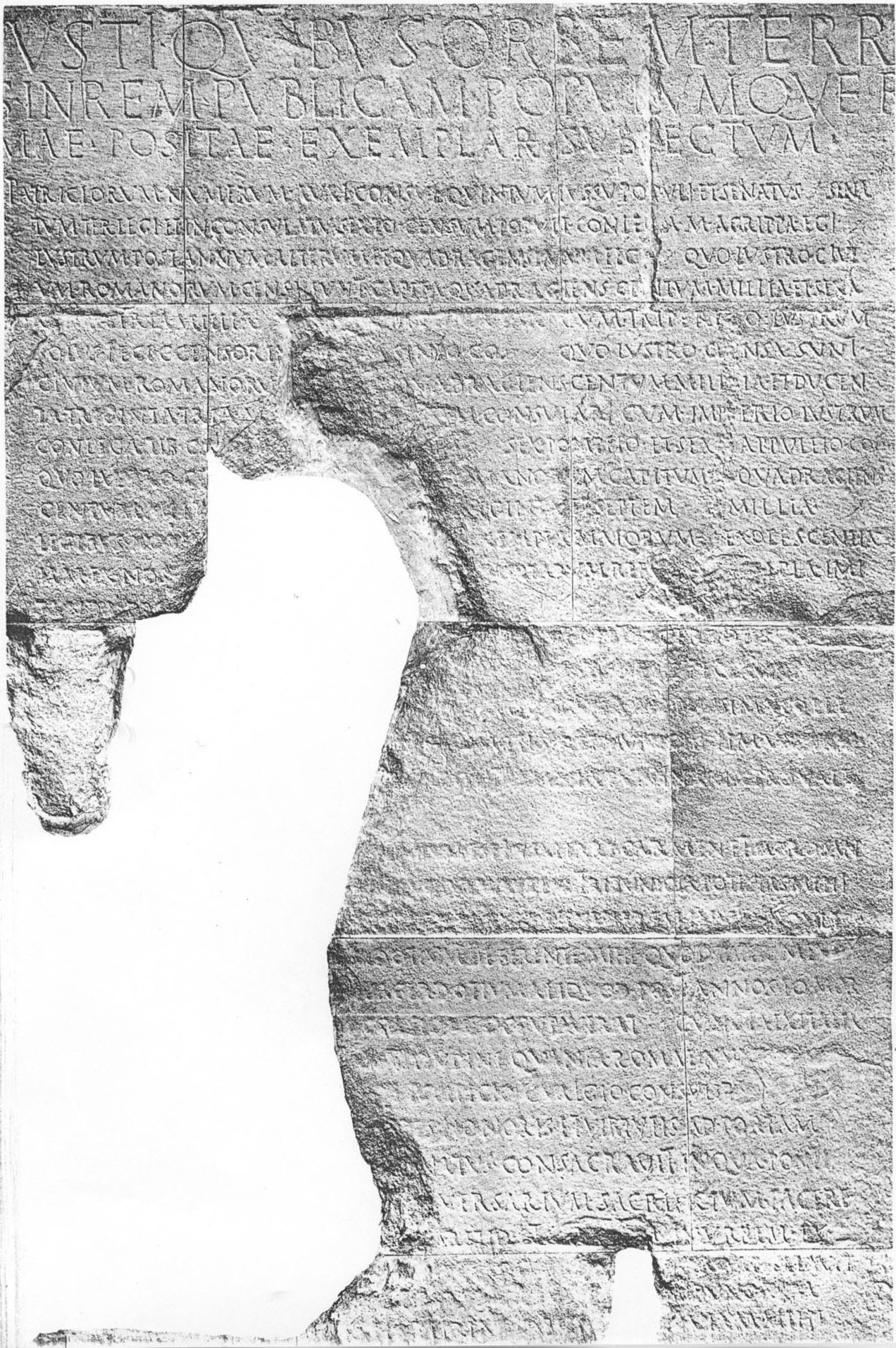 Document
Primary source
Res Gestae Divi Augusti
Augustus · 14 AD
Free account
Read every Mark Antony source
Sign up free →
Ready when you are
Start chatting with Mark Antony now.
20 messages free · No credit card · Available in 50+ languages.