


Secondary sourcePaintingcirca 1799
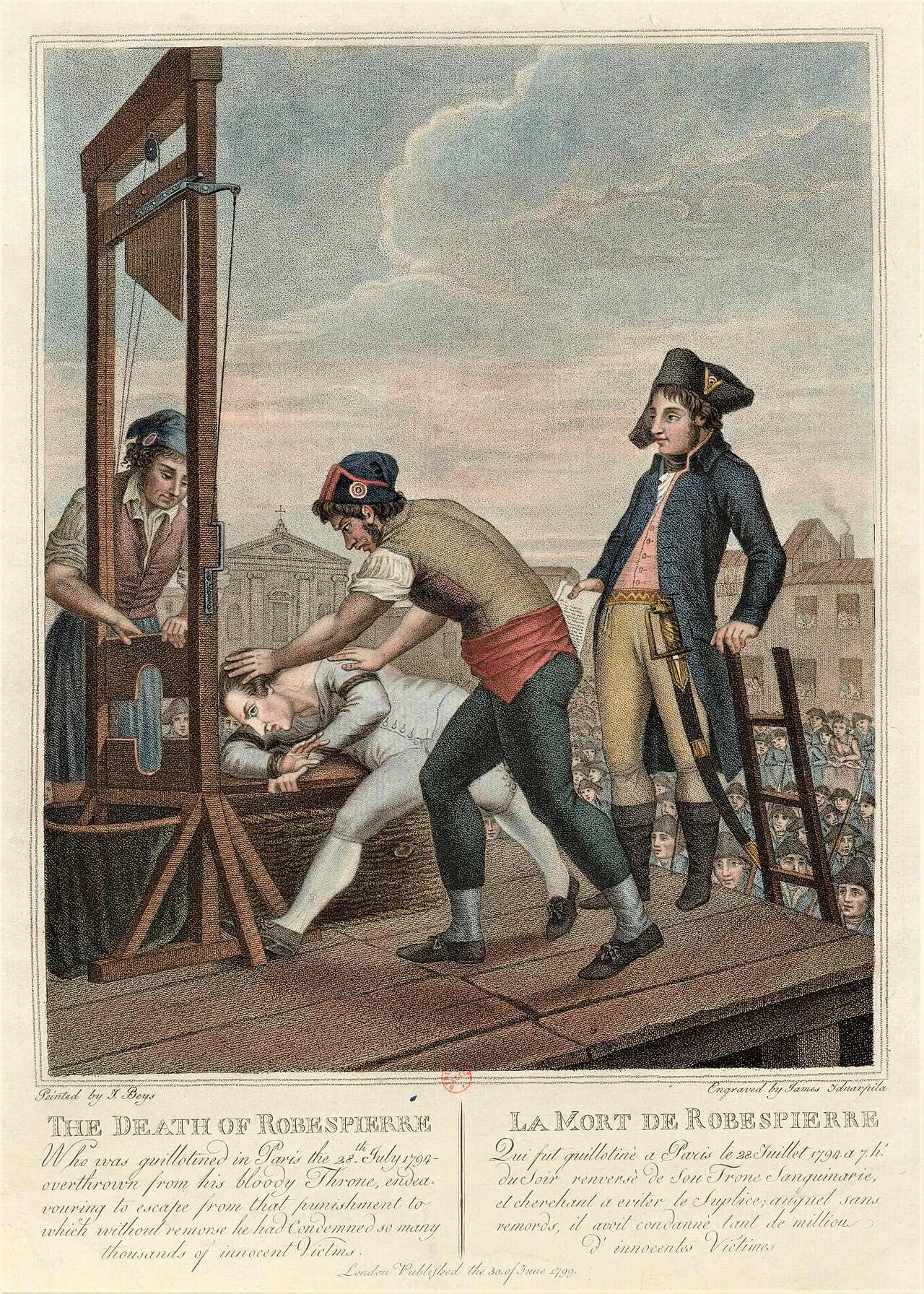
The Death of Robespierre
Giacomo Aliprandi · circa 1799
A hostile English engraving made after Robespierre's execution in 1794. It shows how his death was presented as propaganda abroad.
A hostile English print showing Robespierre's execution, illustrating how his death was portrayed as propaganda.
About this source
What it is
This is a hand-colored engraved caricature titled The Death of Robespierre, dated about 1799. The engravers credited are Giacomo Aliprandi, who engraved it, and Giacomo Beys, who drew it. It shows a guillotine at left with a woman at its lever, and a man in a red-banded cap pushing a bound, struggling figure's head onto the board. A tall officer in a dark coat and tricorn hat watches from a platform. French text appears beneath the image. The record notes that the figure is shown without the jaw wound he had at his execution.
Why it matters
The print was made in England after Robespierre was executed on 28 July 1794. According to the Commons description, which quotes historian Michel Biard, it portrays Robespierre as a coward and a hypocrite who could not behave with dignity at his death. It shows how the execution was used as propaganda beyond France. Students can see how images of the Revolution's leaders were shaped by people who opposed them.
Look closer
- What details in the scene does the artist emphasize, and what do they make the viewer feel?
- Why does the print show Robespierre without his jaw wound, according to the note?
- Who would have bought or viewed a print like this, and why?
This painting is part of the curated material that grounds the AI version of Maximilien Robespierre on Humy.ai — when students ask about related events, the AI can quote it and cite it.
More Maximilien Robespierre sources
Meet the AI Maximilien Robespierre →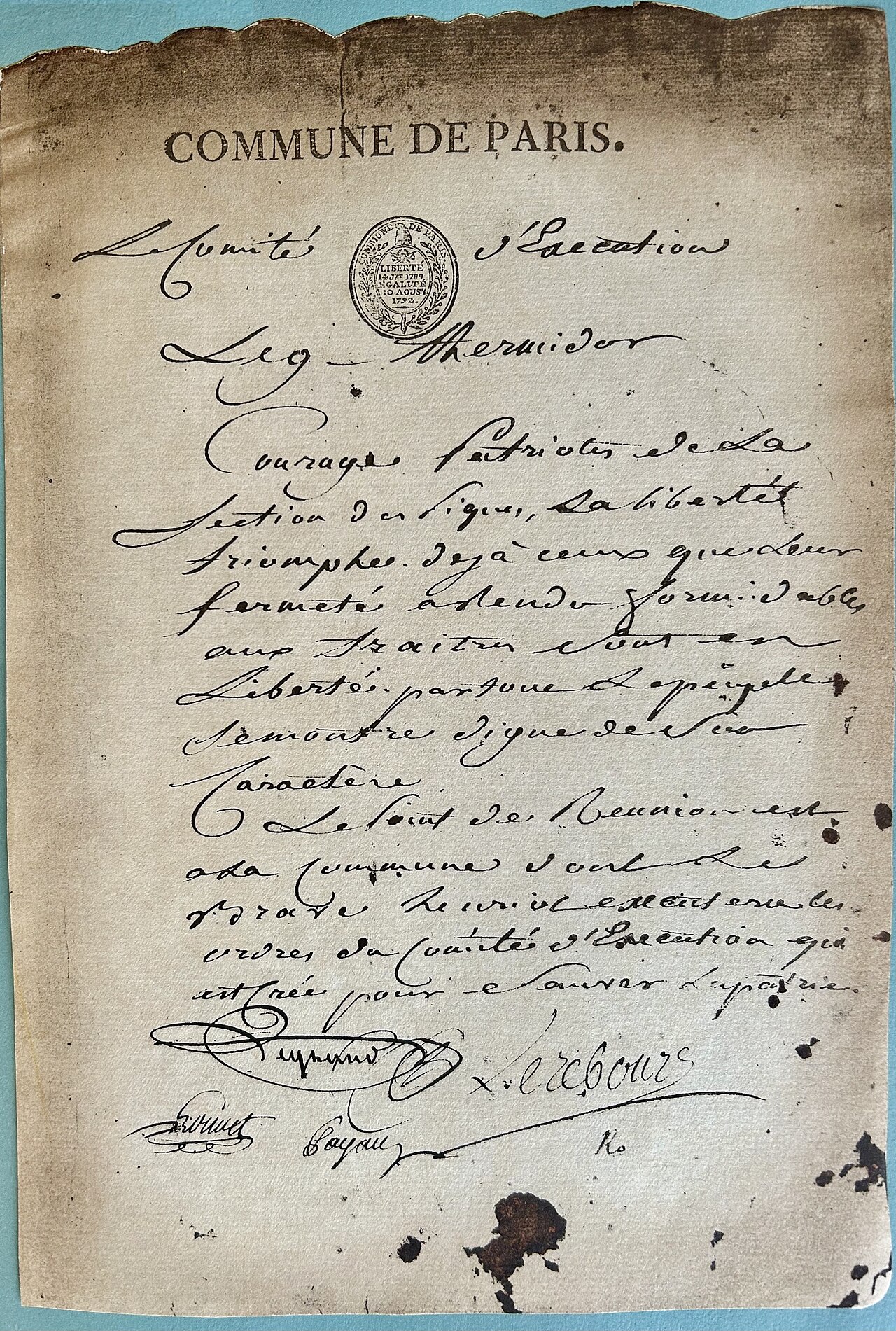 Document
Primary source
Appeal of the Commune to the Section des Piques, 9 Thermidor
Louvet, Payan, Lerebourgs, Legrand, Robespierre · 27 July 1794 (9 Thermidor Year II)
Primary source
Speech on the Trial of the King
Maximilien Robespierre · 3 December 1792
 Painting
Primary source
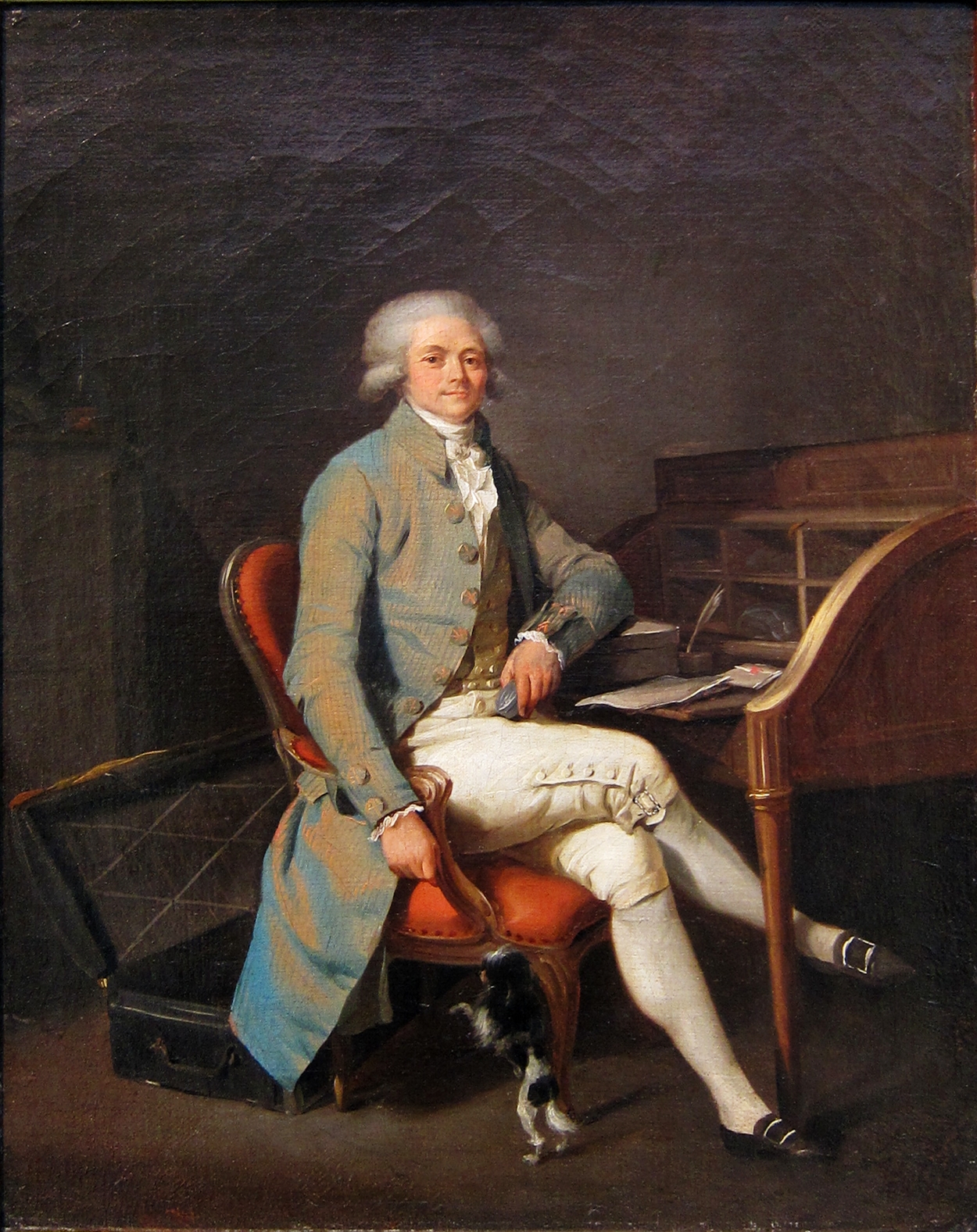
Portrait of Maximilien de Robespierre
Louis-Léopold Boilly · 1791
 Sculpture
Primary source
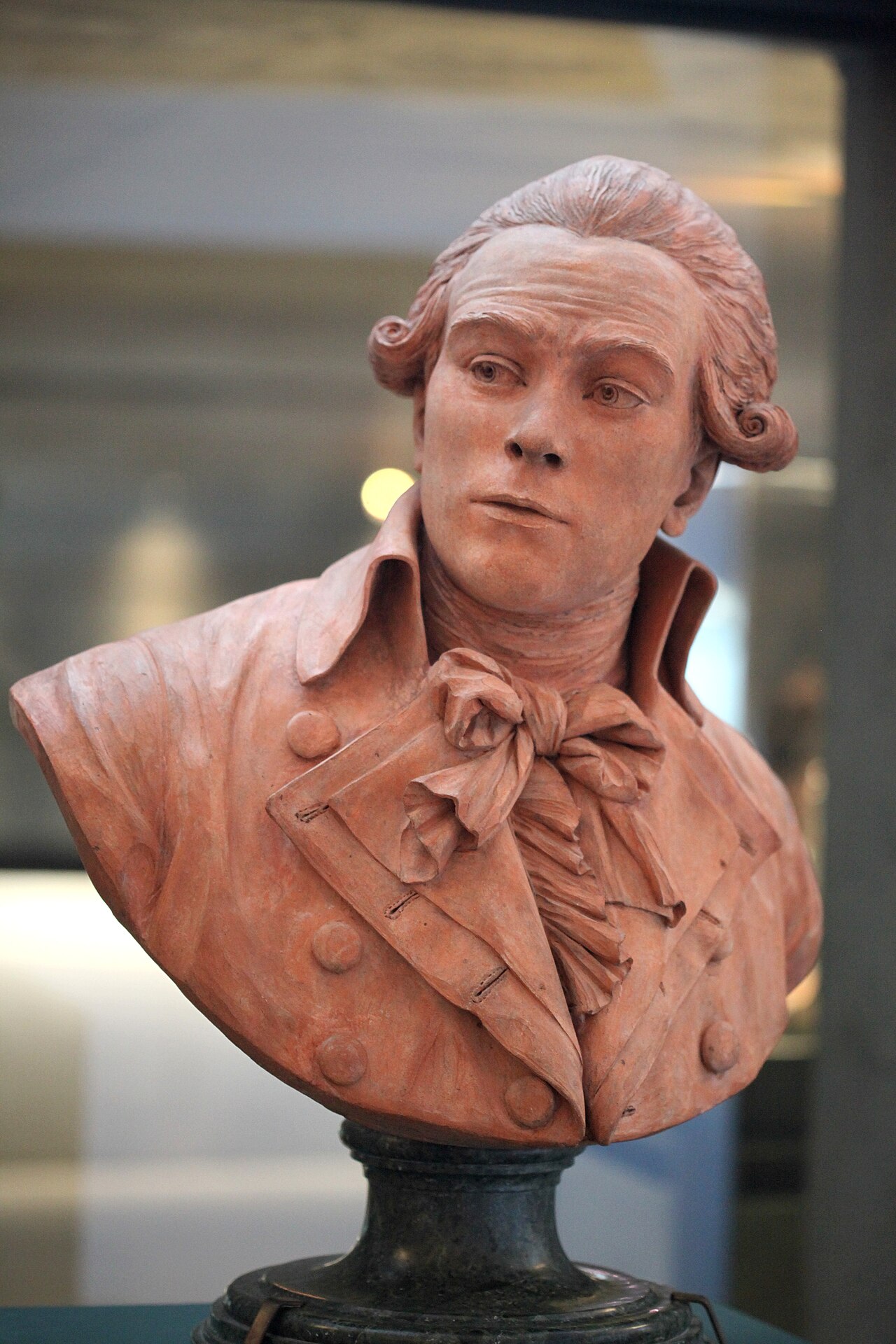
Bust of Robespierre
Claude-André Deseine · 1791
Primary source
Report on Religious and Moral Ideas and National Festivals (18 Floréal)
Maximilien Robespierre · 7 May 1794 (18 Floréal Year II)
Ready when you are
Start chatting with Maximilien Robespierre now.
20 messages free · No credit card · Available in 50+ languages.