


Primary sourceDocumentary1971
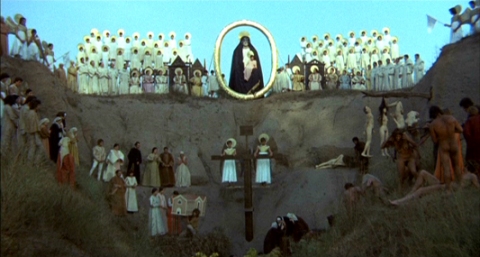
The Decameron
Pier Paolo Pasolini · 1971
Pasolini's 1971 film adapting Boccaccio's bawdy medieval tales, the first part of his Trilogy of Life celebrating earthy popular culture.
Pasolini wrote, directed and appeared in this adaptation, part of his Trilogy of Life celebrating popular culture.
About this source
What it is
A 1971 Italian anthology film written and directed by Pier Paolo Pasolini, adapting stories from Giovanni Boccaccio's 14th-century Decameron. It is the first film in Pasolini's Trilogy of Life, with music by Ennio Morricone, and Pasolini himself appears as the painter Giotto.
Why it matters
Pasolini used Boccaccio's earthy, comic stories, often shifted to southern Italy and the Neapolitan dialect, to criticise the modern consumerist world by celebrating pre-modern bodies and popular culture. The film's frank nudity and sexual humour were part of Pasolini's broader project of resisting what he saw as the sterilising effects of modern society.
Look closer
- Why might Pasolini have chosen medieval comic tales to comment on modern Italy?
- What does moving the setting to southern Italy and using local dialect suggest about the film's politics?
- What role does Pasolini give himself in the film, and why might that be significant?
This documentary is part of the curated material that grounds the AI version of Pier Paolo Pasolini and Ennio Morricone on Humy.ai — when students ask about related events, the AI can quote it and cite it.
More Pier Paolo Pasolini sources
Browse all 92 →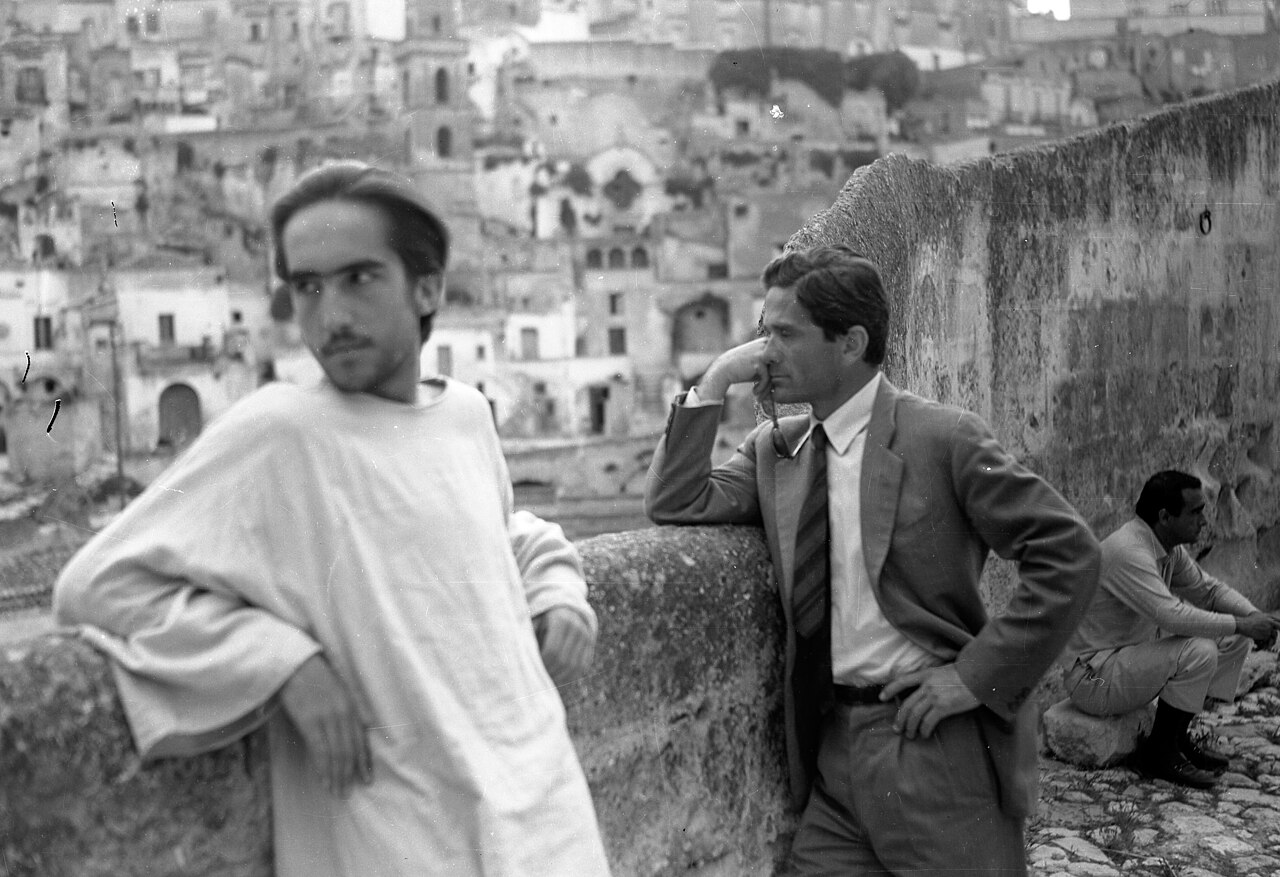 Documentary
Primary source
The Gospel According to St. Matthew
Pier Paolo Pasolini · 1964
 Documentary
Primary source
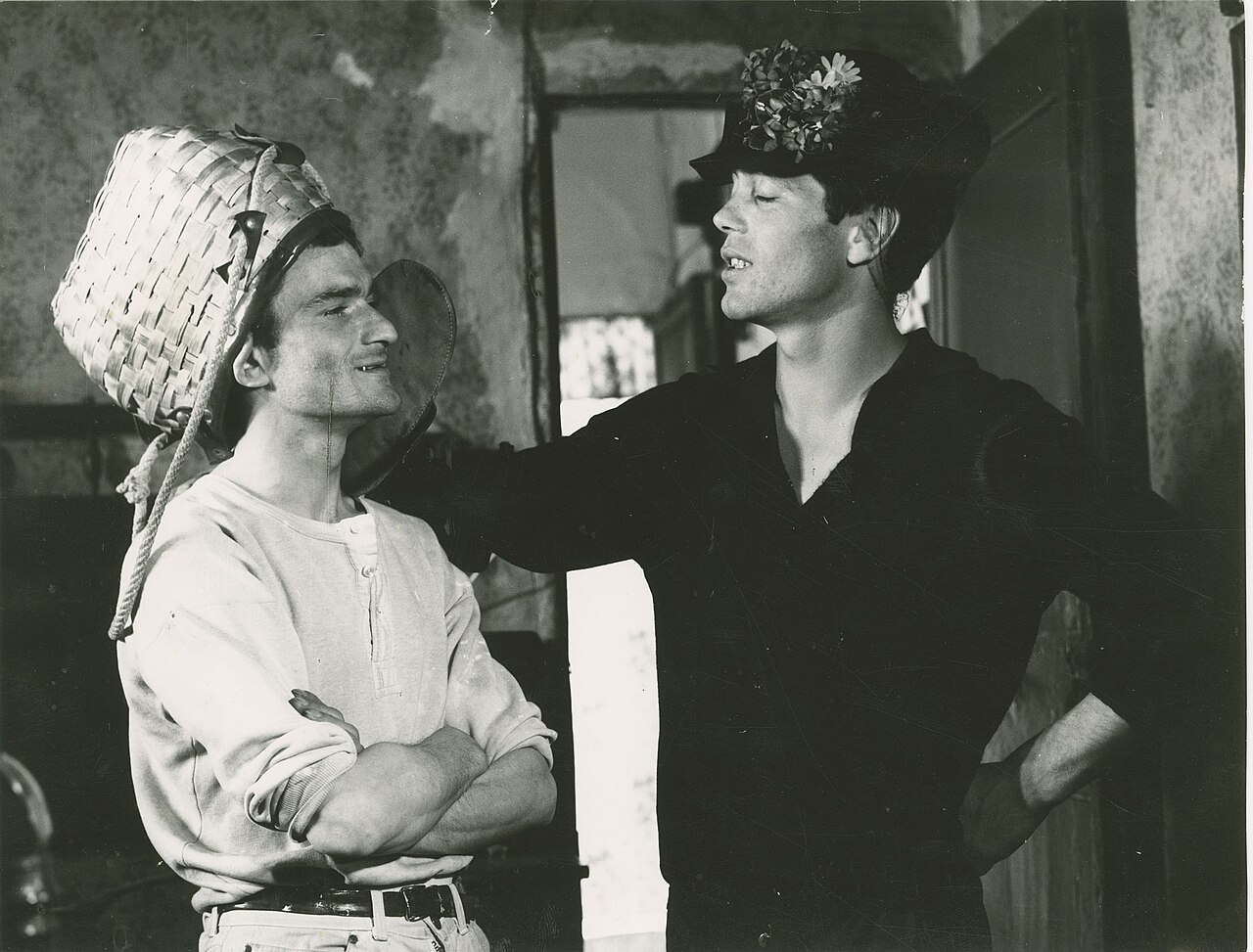
Accattone
Pier Paolo Pasolini · 1961
 Documentary
Primary source
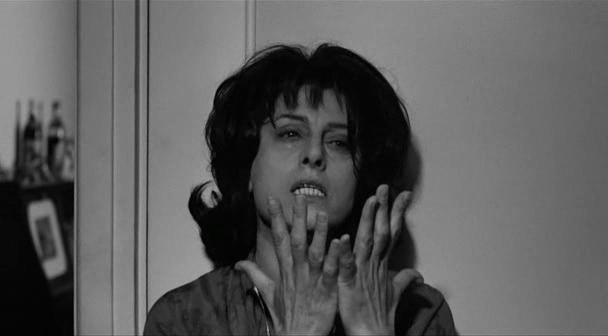
Mamma Roma
Pier Paolo Pasolini · 1962
 Documentary
Primary source
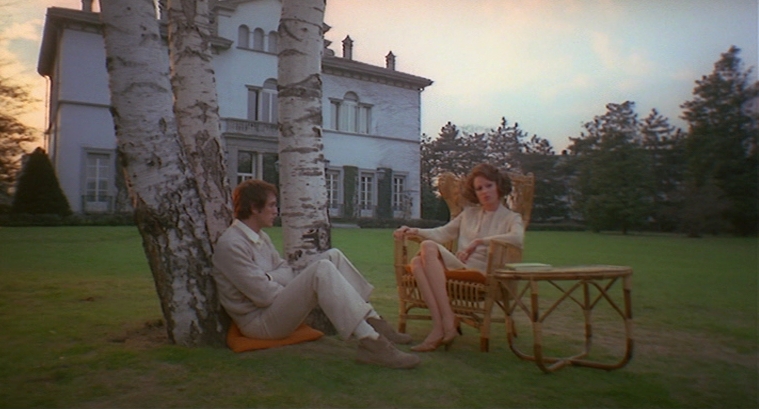
Teorema
Pier Paolo Pasolini · 1968

Free account
Read every Pier Paolo Pasolini source
Sign up free →
Ready when you are
Start chatting with Pier Paolo Pasolini now.
20 messages free · No credit card · Available in 50+ languages.