


Primary sourcePainting1817
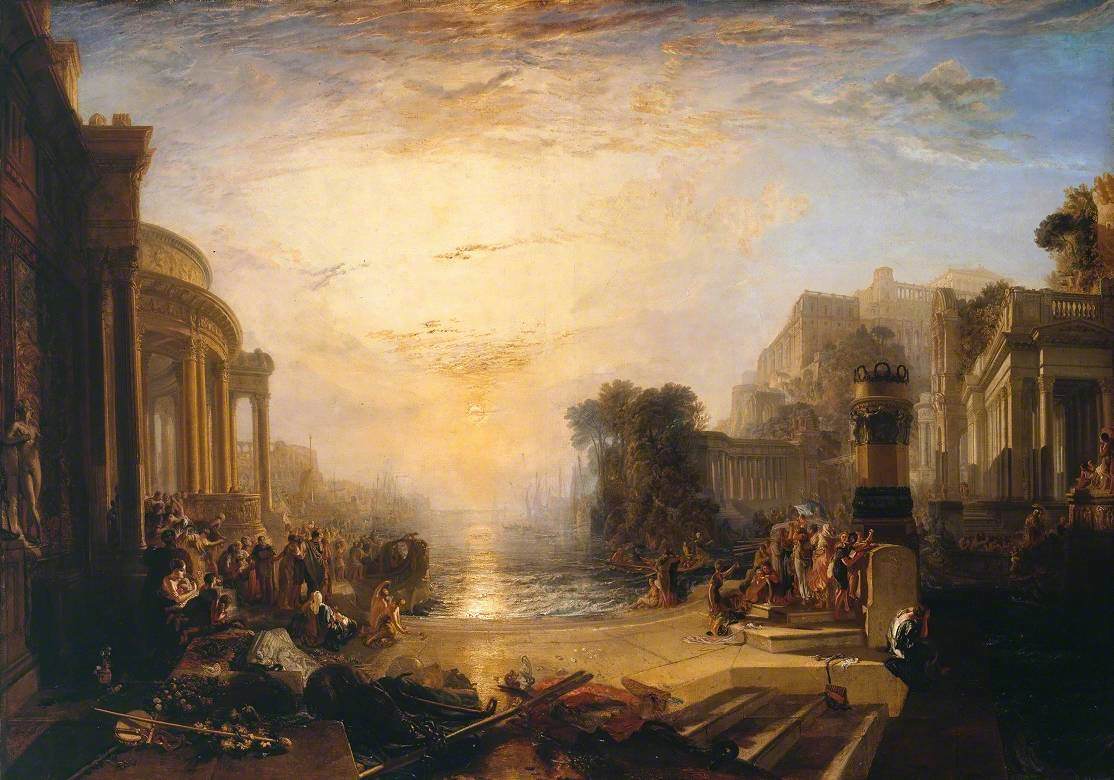
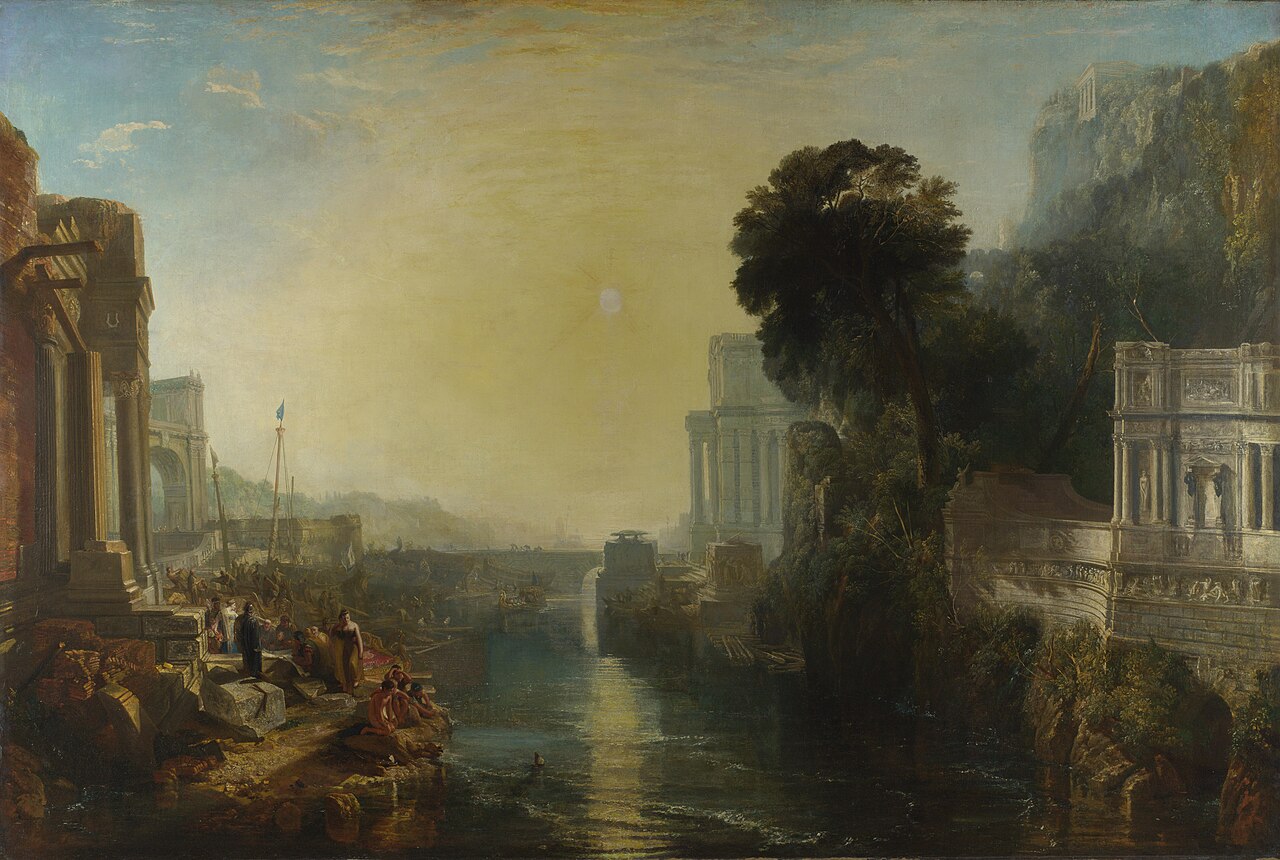
The Decline of the Carthaginian Empire
J. M. W. Turner · 1817
An 1817 history painting by J. M. W. Turner showing Carthage at sunset, read as a warning about the fate of empires including Britain's.
Turner painted this as a meditation on empire, pairing it with his Dido painting to comment on Britain's own power.
About this source
What it is
This is an oil painting made by J. M. W. Turner in 1817, showing the sun setting over the ancient city of Carthage. It is now held by Tate. It is the companion piece to Turner's earlier painting Dido building Carthage.
Why it matters
Carthage had once rivalled the Roman Empire before being defeated. Turner used its decline to comment on Britain's own position after its recent defeat of Napoleonic France. The painting shows how Turner used history and myth to think about his own country's power, and was inspired by the earlier artist Claude Lorrain.
Look closer
- What details in the painting suggest decline rather than triumph?
- Why might an artist use an ancient story to talk about his own country?
- What is left out of this grand, golden scene?
This painting is part of the curated material that grounds the AI version of J. M. W. Turner on Humy.ai — when students ask about related events, the AI can quote it and cite it.
More J. M. W. Turner sources
Browse all 98 →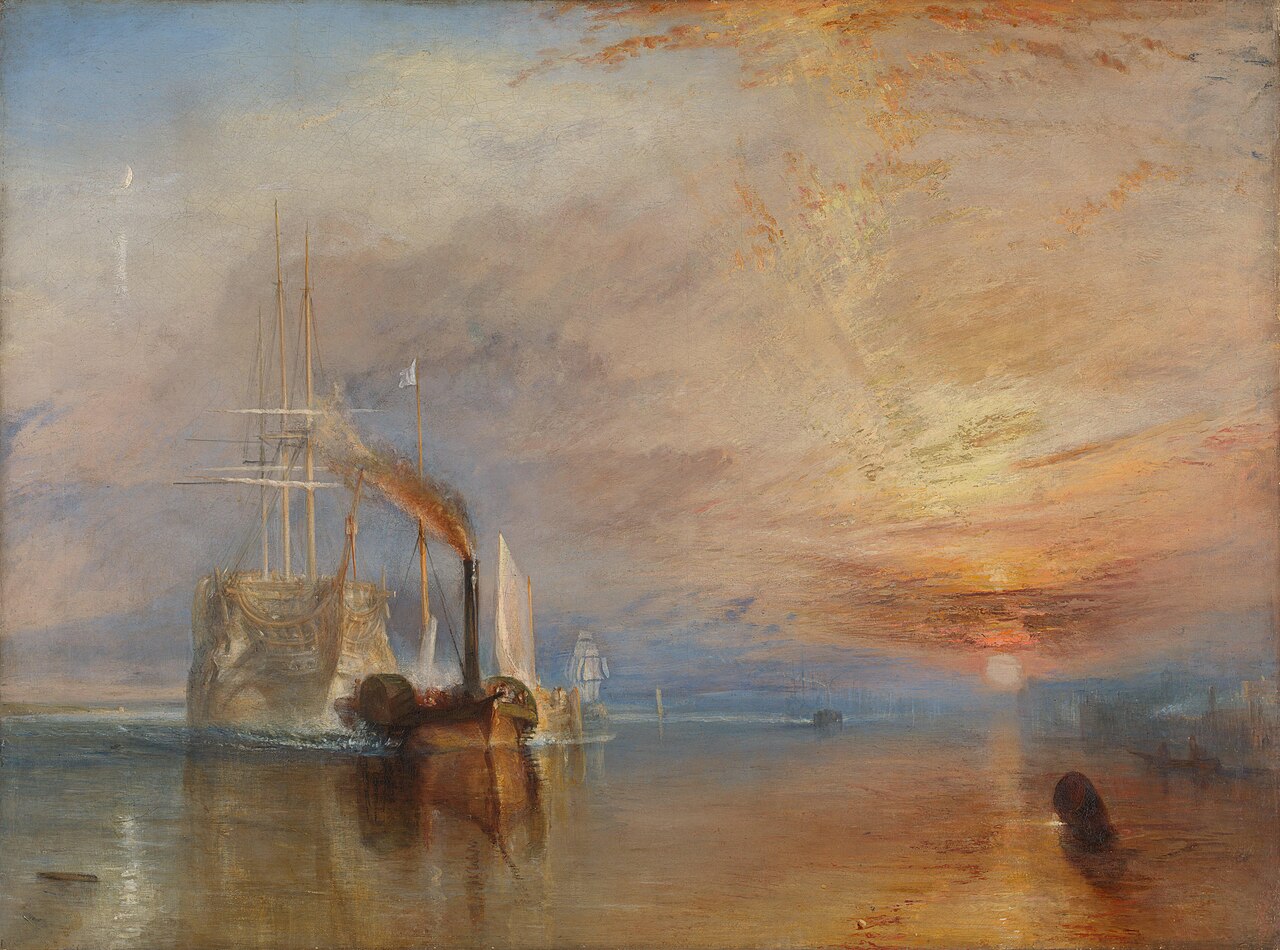 Painting
Primary source
The Fighting Temeraire
J. M. W. Turner · 1839
 Painting
Secondary source
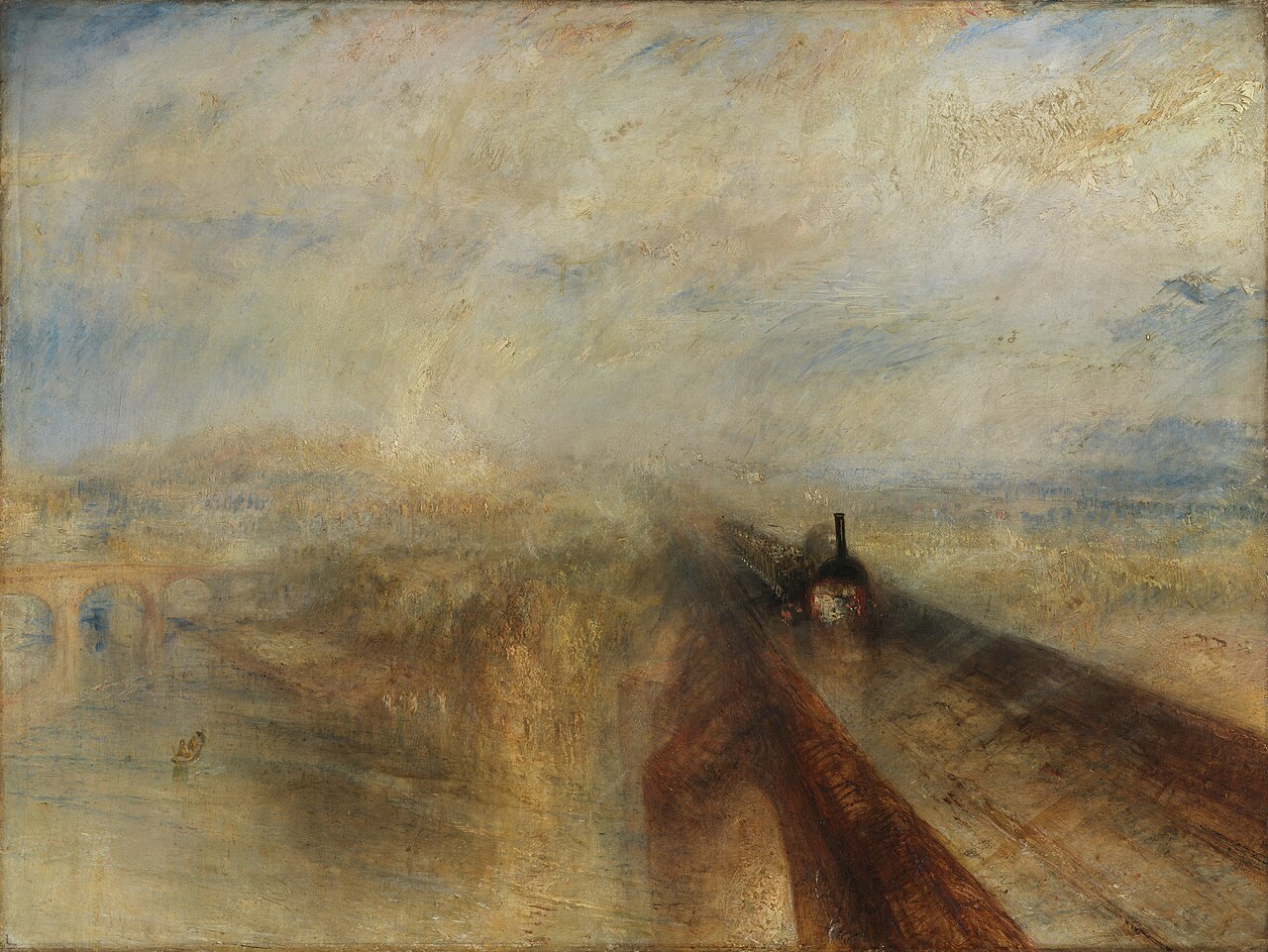
Rain, Steam and Speed – The Great Western Railway
J. M. W. Turner · 1844
 Painting
Secondary source
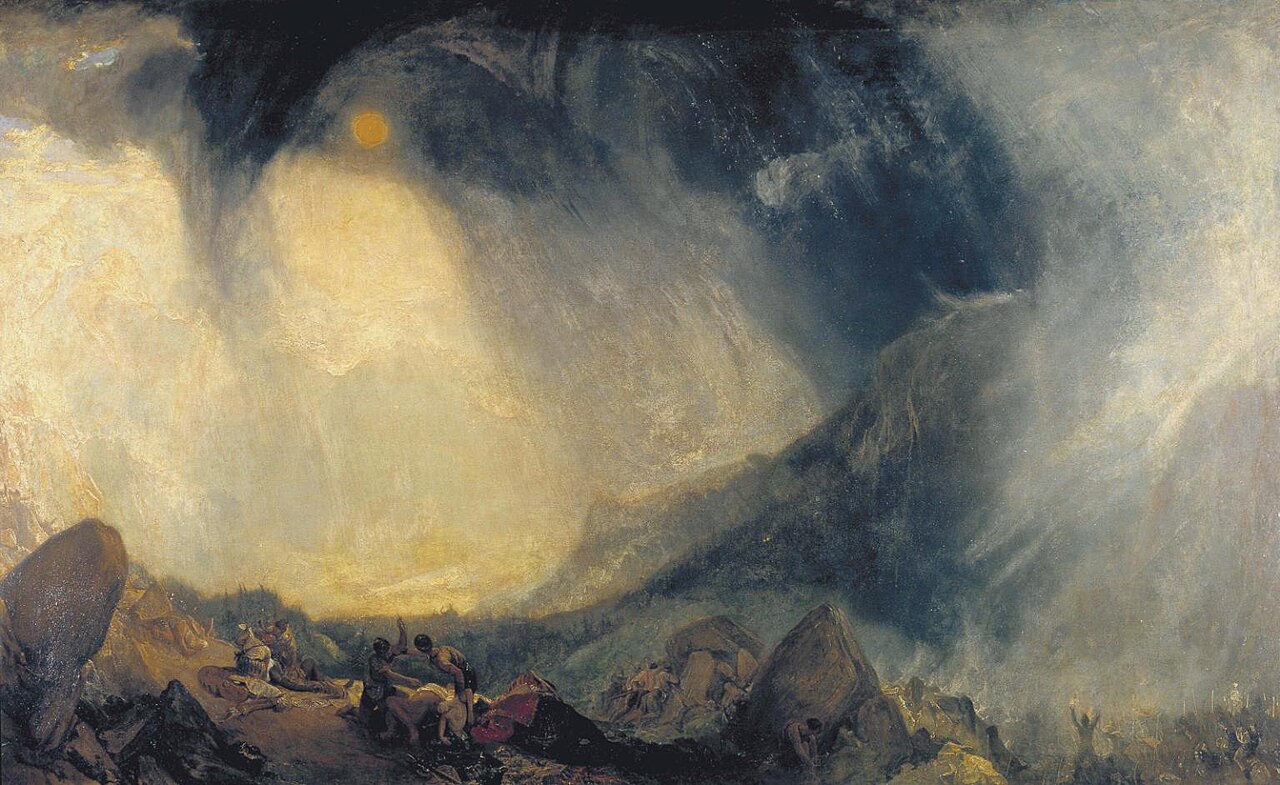
Snow Storm: Hannibal and his Army Crossing the Alps
J. M. W. Turner · 1812
 Painting
Primary source
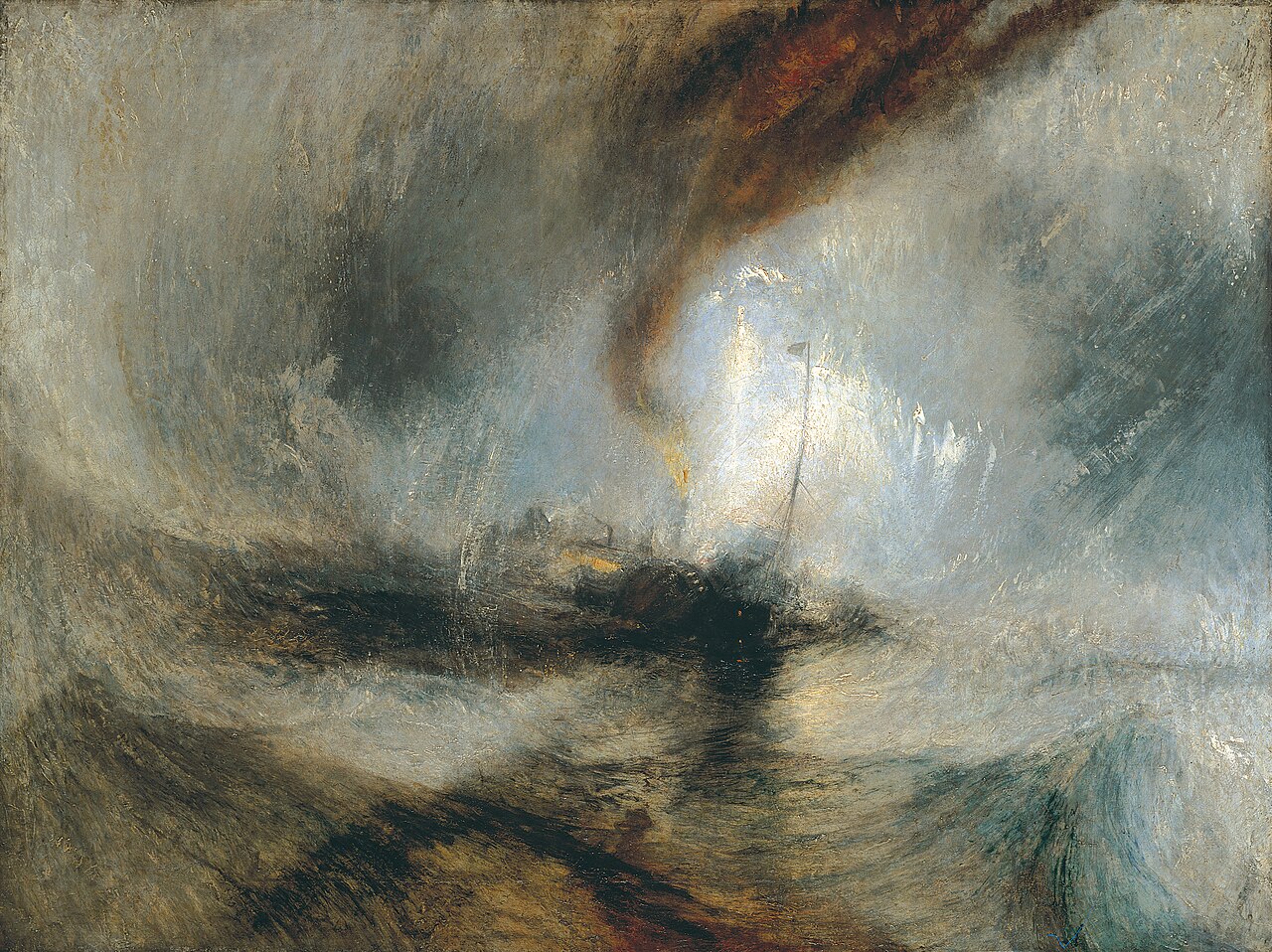
Snow Storm: Steam-Boat off a Harbour's Mouth
J. M. W. Turner · 1842
Free account
Read every J. M. W. Turner source
Sign up free →
Ready when you are
Start chatting with J. M. W. Turner now.
20 messages free · No credit card · Available in 50+ languages.